Tag: chain free means pain free

  • National Geographic Features EAI

    National Geographic Features EAI

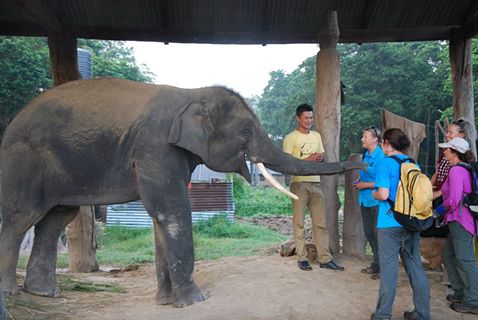
    img_8428_carol-interviewed-by-nat-geo_med

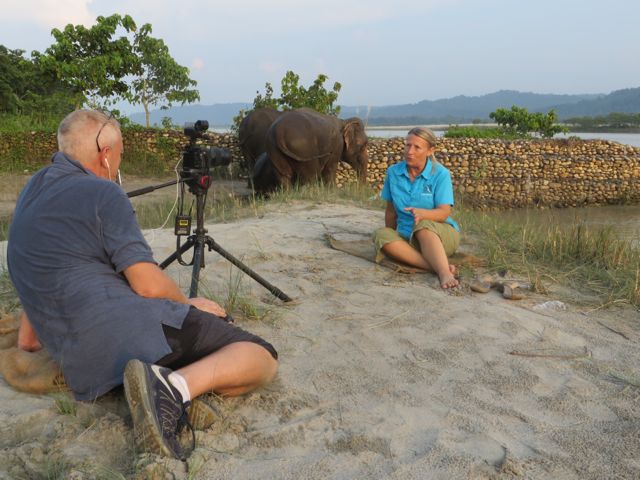
    A new feature in National Geographic, “Captive Elephants Freed From a Life in Chains highlights EAI’s work in Nepal. Carol tells the magazine that “getting [the elephants] ‘chain-free and pain free’ is a start toward improving the lives of captive elephants across Asia.’”

    Read the story and watch the video.

  • Unchained: New Documentary on EAI

    Unchained: New Documentary on EAI

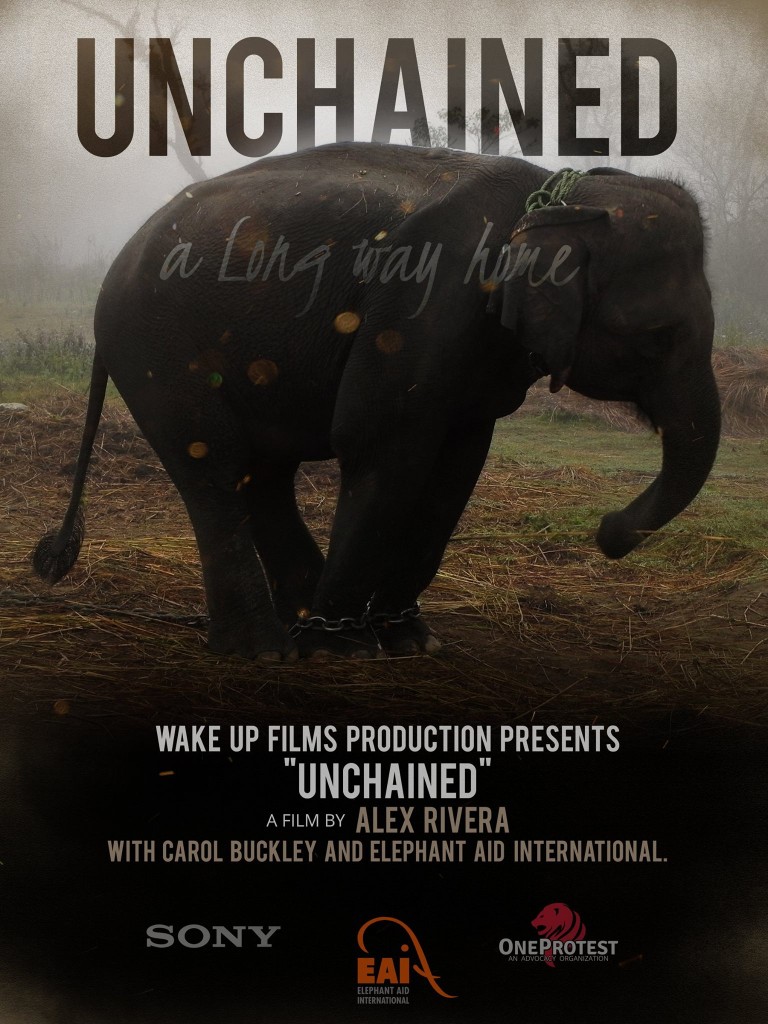
    unchained poster

    A new documentary on the work of Carol Buckley and EAI improving elephant welfare throughout Asia has been selected for the 15th annual Wild & Scenic Film Festival.

    unchained_wild-scenic-festival

    “Unchained” follows Carol and her team in their quest to enhance captive elephant welfare in Nepal. Using gentle persuasion and showing by example that there is a better way to treat elephants in captivity, Carol takes a phased, pragmatic approach to changing attitudes that relies on winning the buy-in of owners and mahouts (elephant handlers).

    Watch the trailer.

    Learn more from the Unchained Facebook page.

  • After being released from chains, Sundar Kali and Oma Kali were finally able to be together

    After being released from chains, Sundar Kali and Oma Kali were finally able to be together

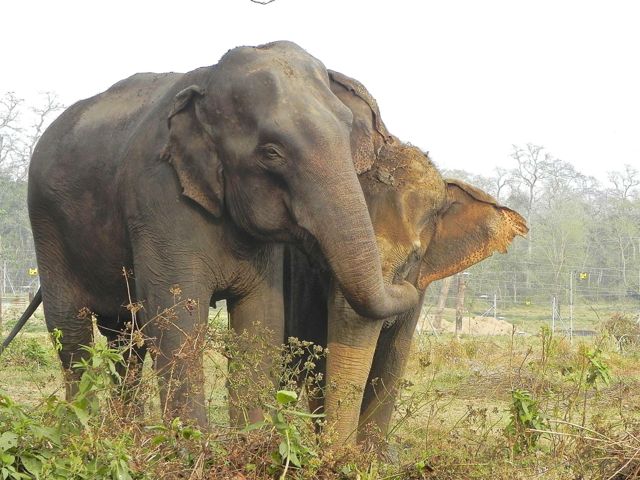
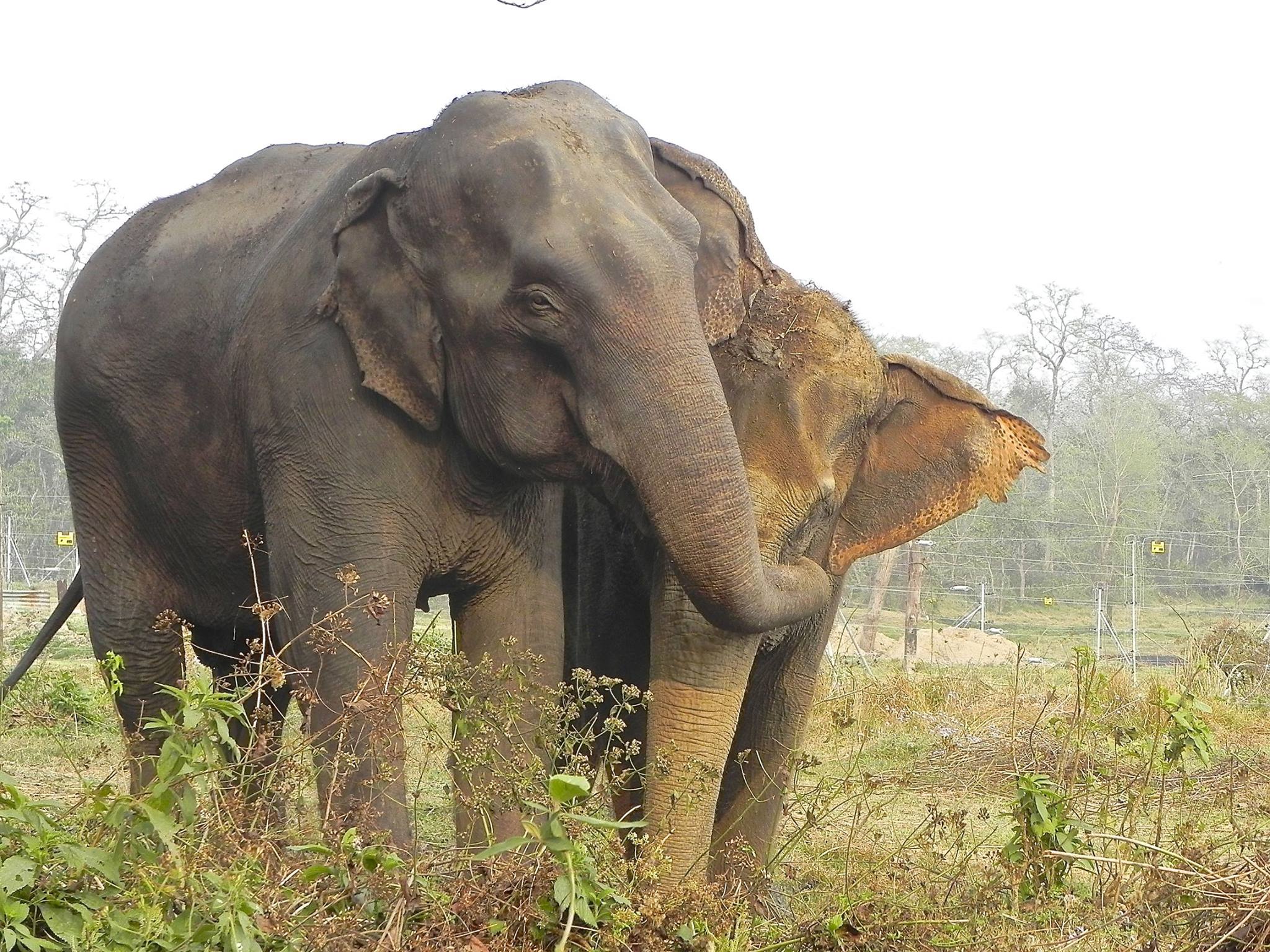
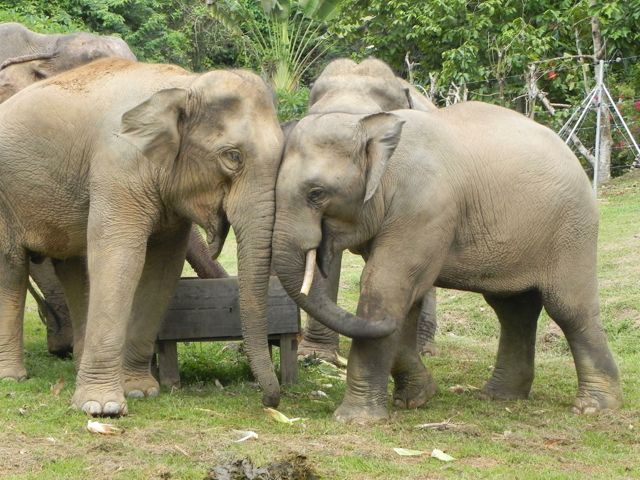
    14853128_1307064742657217_7607549469663905448_oAfter being released from chains, Sundar Kali and Oma Kali were finally able to be together, to touch and reassure each other, and move freely for the first time in their lives.

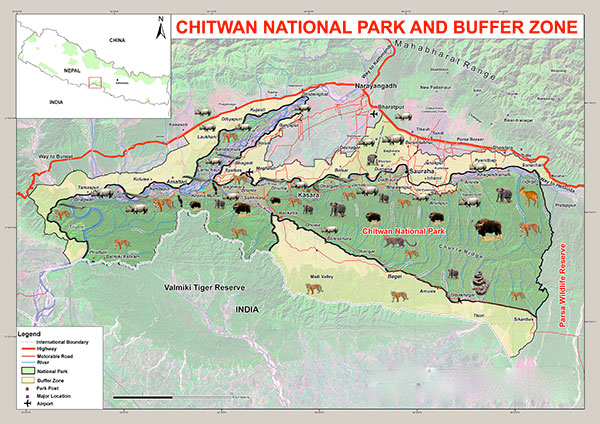
    chitwan1With the holiday season approaching, it is time to start thinking about finding the perfect gifts to share with family and friends. This year, consider giving the gift of APPRECIATION for mahouts by sponsoring an elephant and supporting EAI in the name of your loved ones.

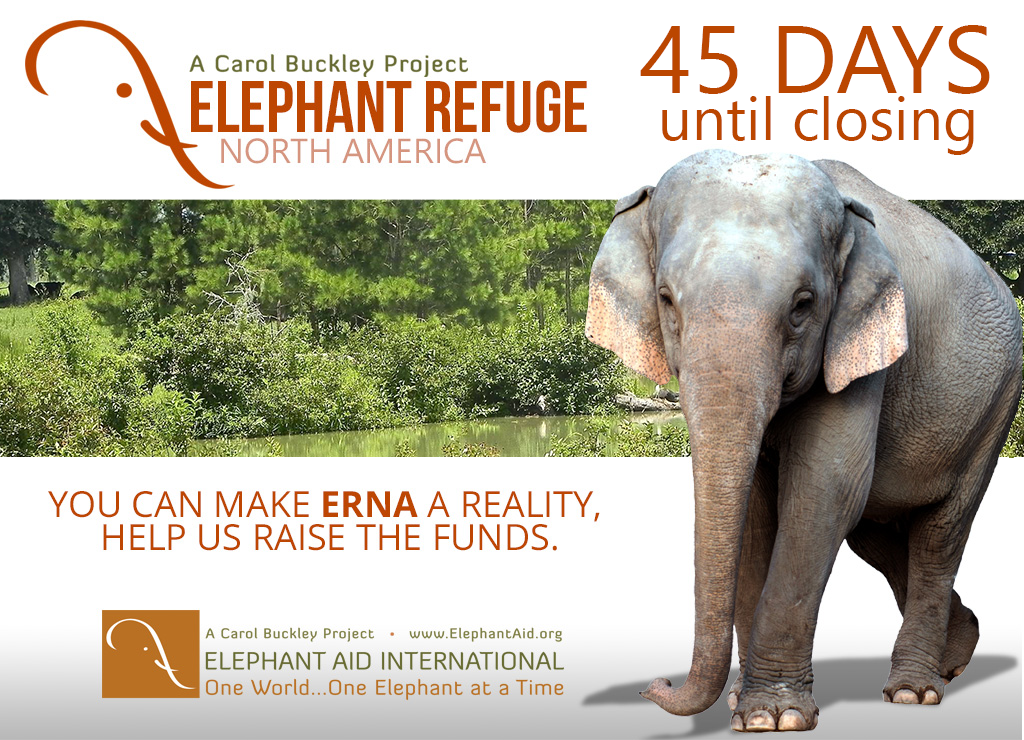
    14939401_1308046432559048_2879081422808284583_o45 DAYS UNTIL CLOSING! We are so grateful for the additional time to raise funds for the elephant paradise. Would you like to personally help these wonderful beings? Every dollar matters. Please donate today. Thank you for your continued support.

    elephantpoacResearch from the World Wildlife Fund, University of Vermont, and University of Cambridge has shown that African economies are losing millions of dollars in tourism revenue due to elephant poaching. As elephant poaching increases, tourism decreases. According to the article, poachers murder 20,000 – 30,000 African elephants each year. This brutality needs to end.

    baby elephant“Our prime purpose in this life is to help others. And if you can’t help them, at least don’t hurt them.” – Dalai Lama

  • Elephants are more than a ride for your entertainment

    Elephants are more than a ride for your entertainment

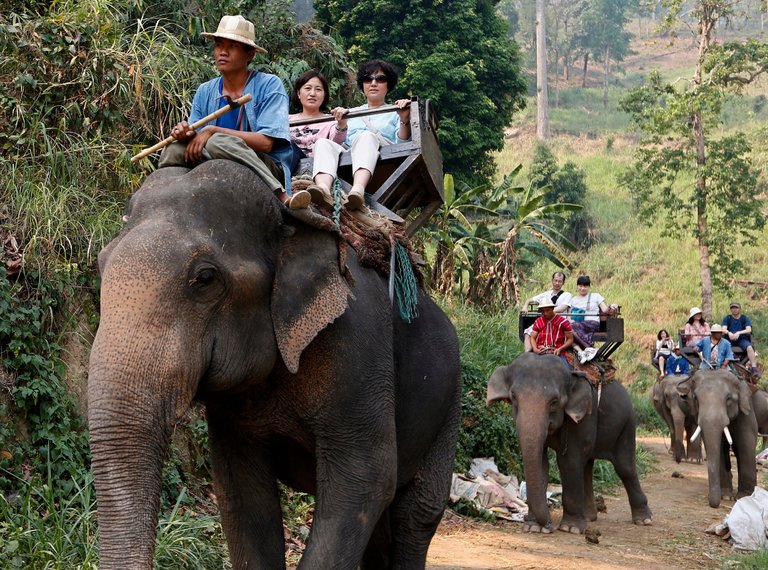
    234In a fantastic article, Elephant Watch Nepal explores the cruelty elephants endure throughout chained captivity. Elephants are more than a ride for your entertainment — they are living, breathing beings who deserve respect and compassion.

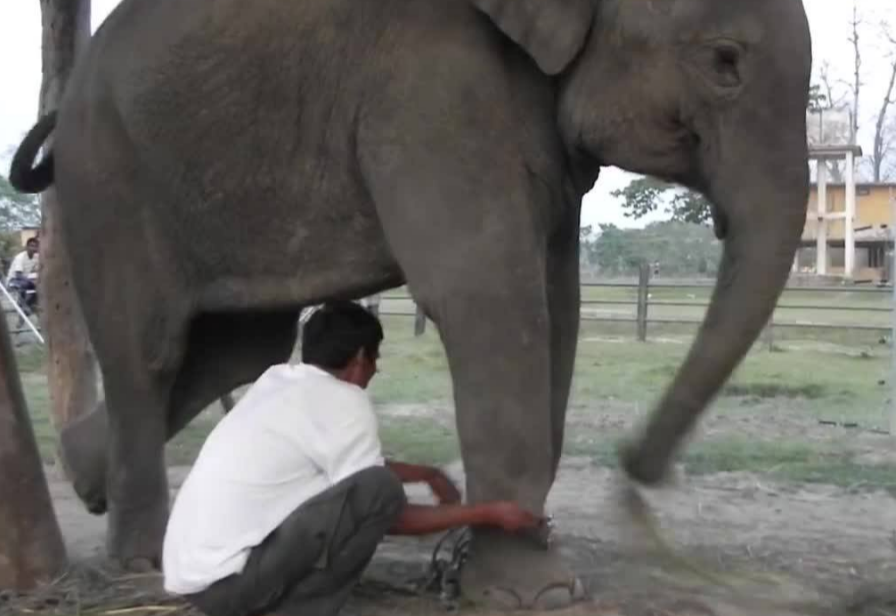
    2Last year, a video captured the moment Simsar Kali was freed from her chains — after spending 7 years shackled. The actions of Elephant Aid International in Nepal have recently been gaining the attention of media sites, such as One Green Planet.

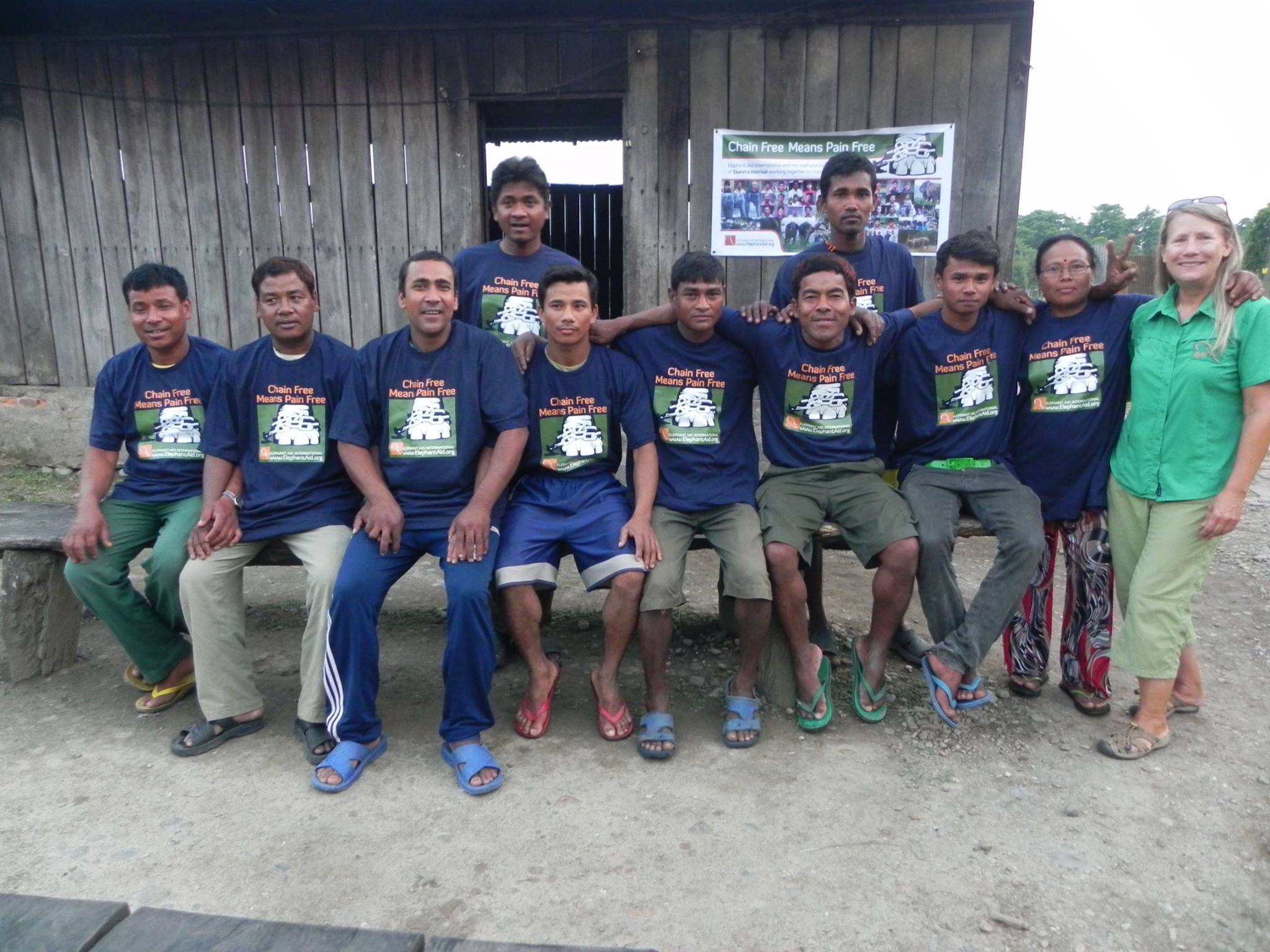
    14717311_1115814781788632_7464604301985460838_nWe cannot believe it has been nearly 2 years since we started building chain free corrals in Sauraha, Nepal. Thanks to your support, 106 elephants have benefited from our Chain Free Means Pain Free program.

    14882155_1302122219818136_8189606582067987508_o“When I look into the eyes of an animal, I do not see an animal. I see a living being. I see a friend. I feel a soul.” – Anthony Douglas Williams

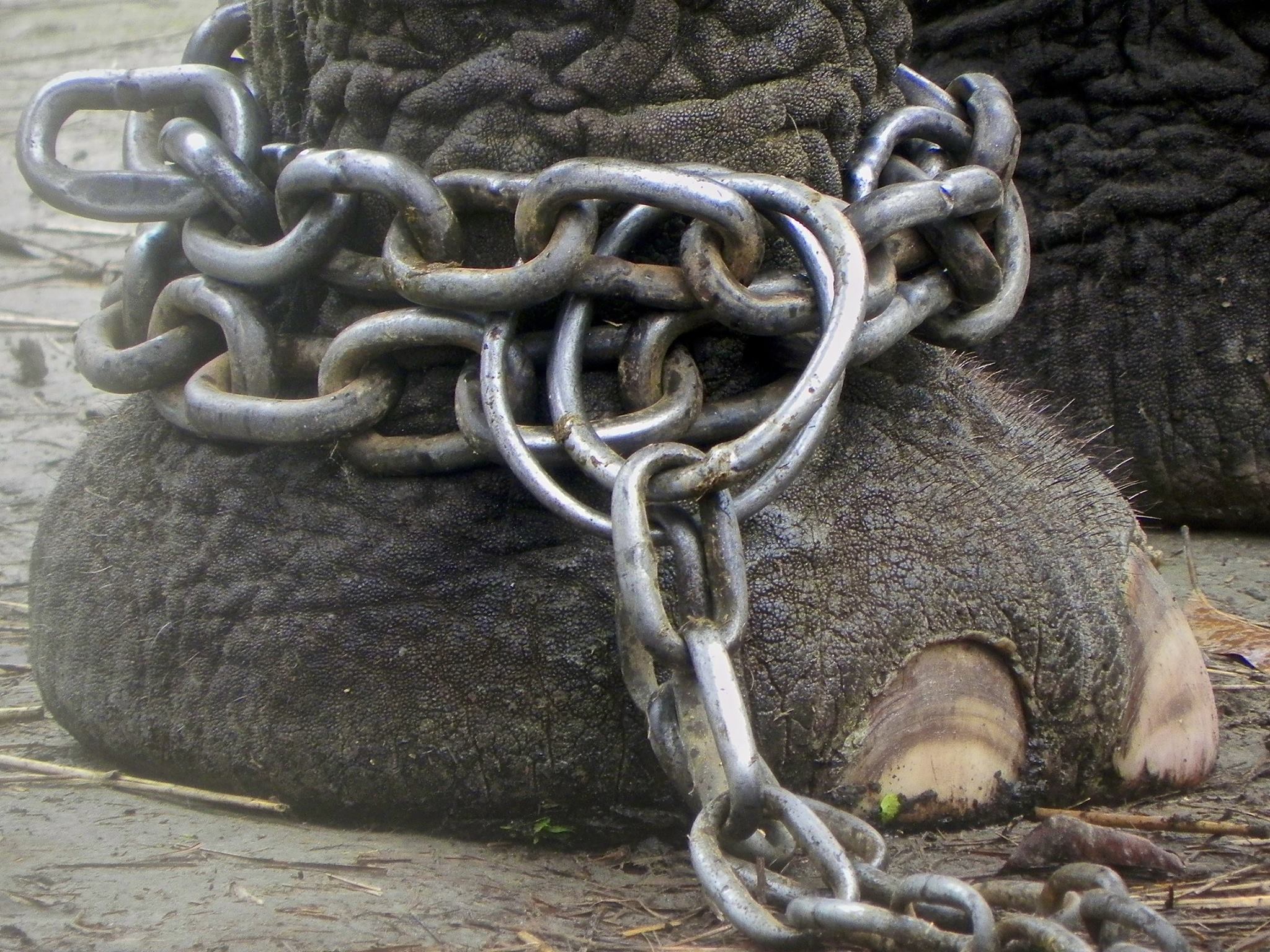
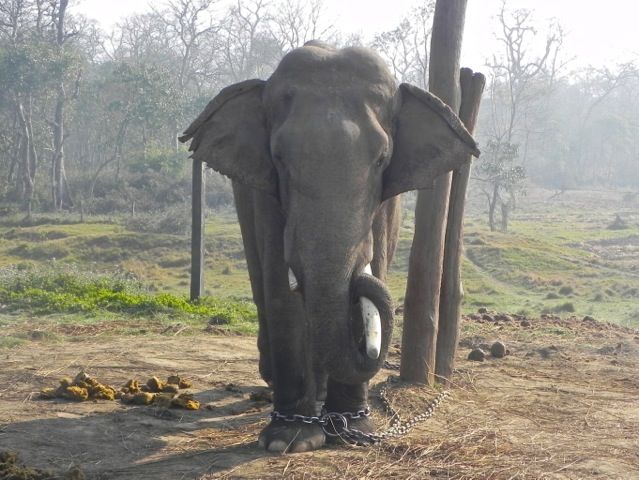
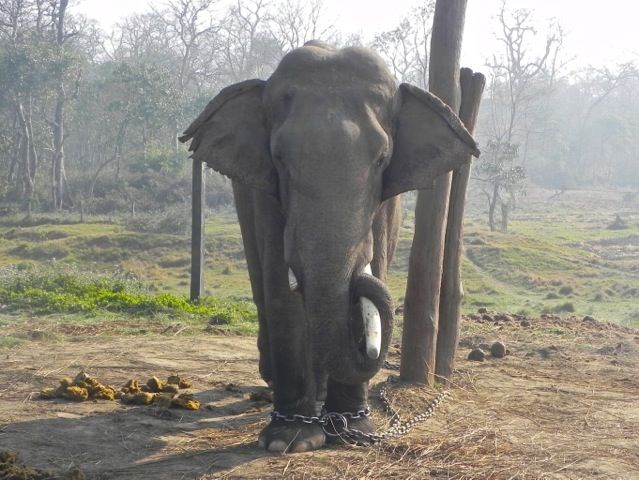
    14608833_1302174213146270_913941189433689731_oImagine spending your entire life shackled to the ground — trapped in agony by those who are supposed to care for you. Captive elephants should never be chained. They are sentient beings who deserve respect, autonomy and to be allowed to walk chain free and pain free.

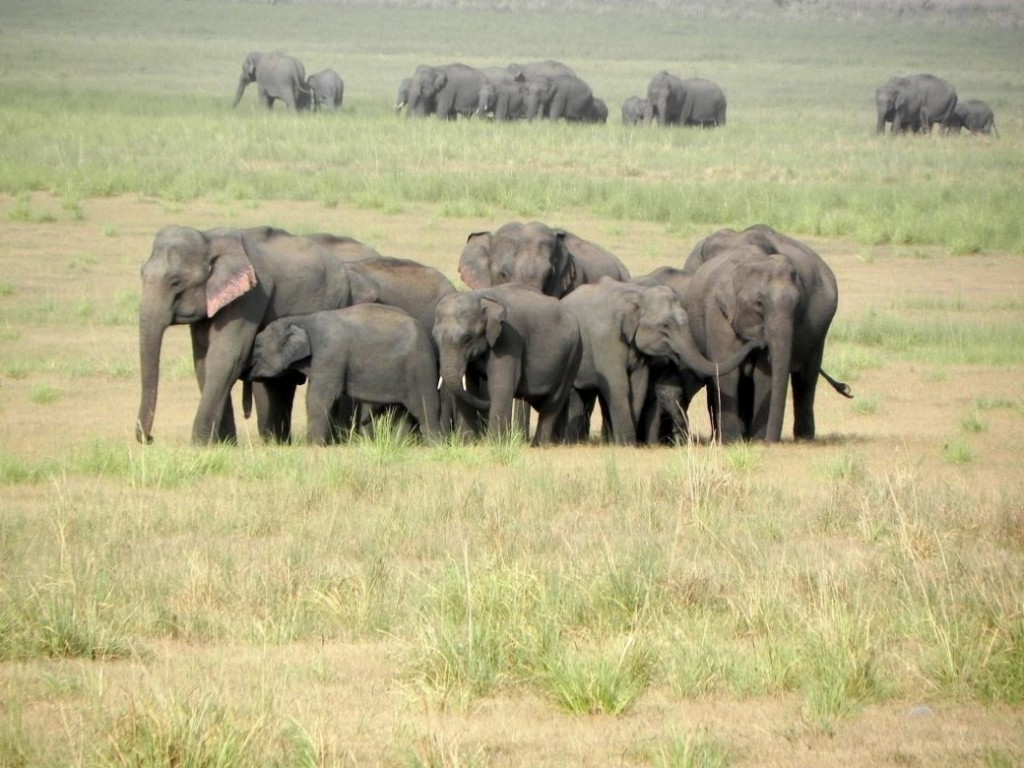
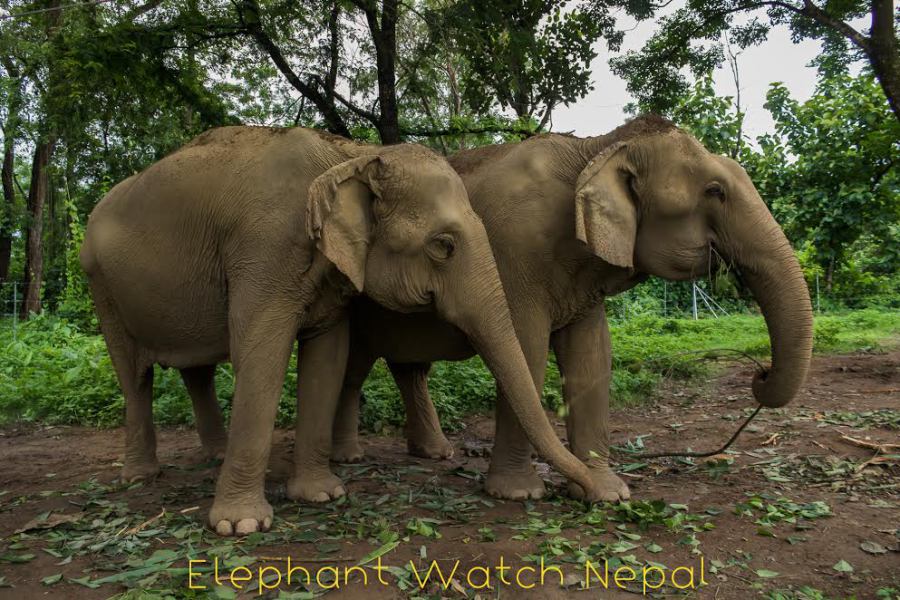
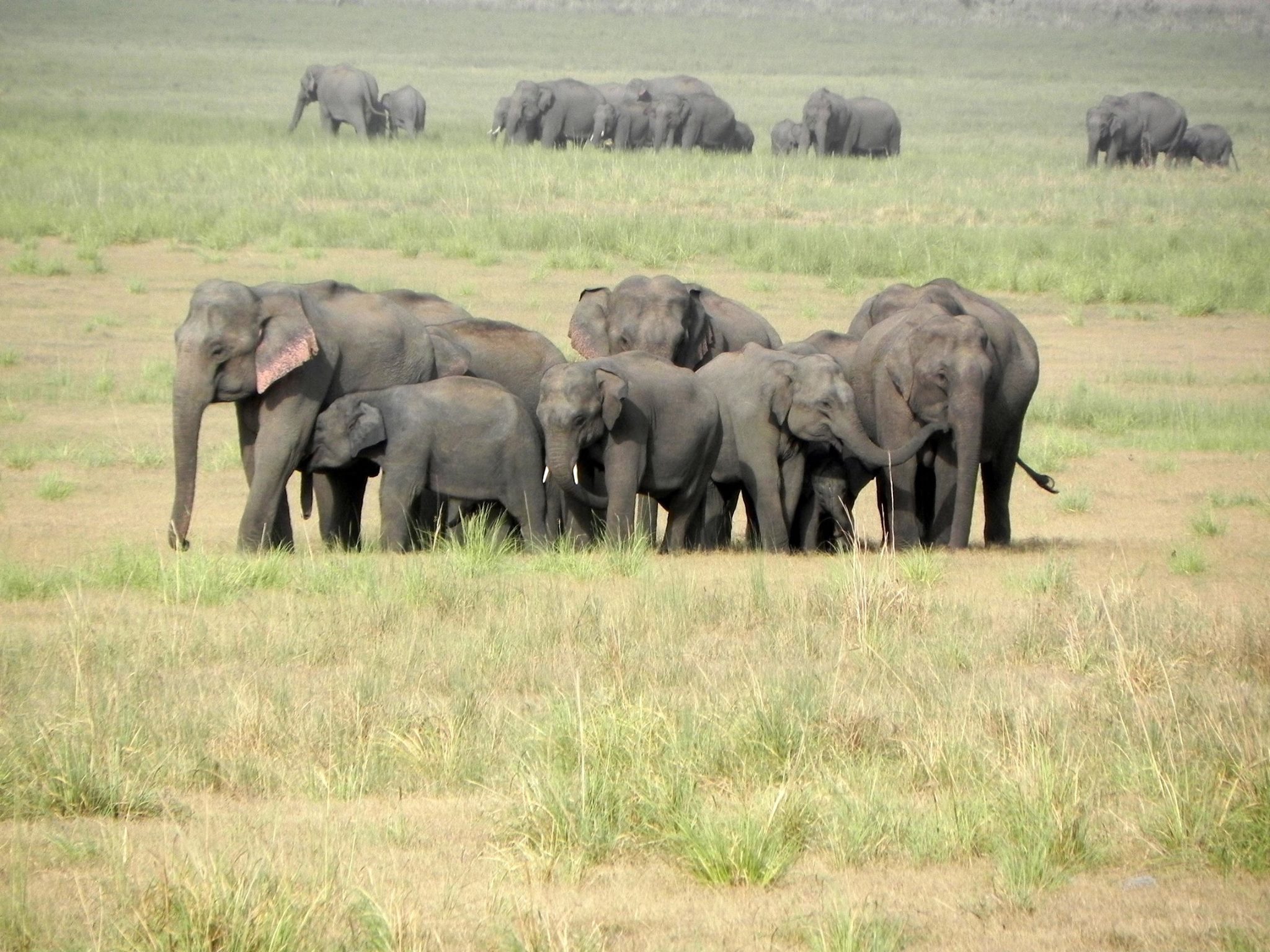
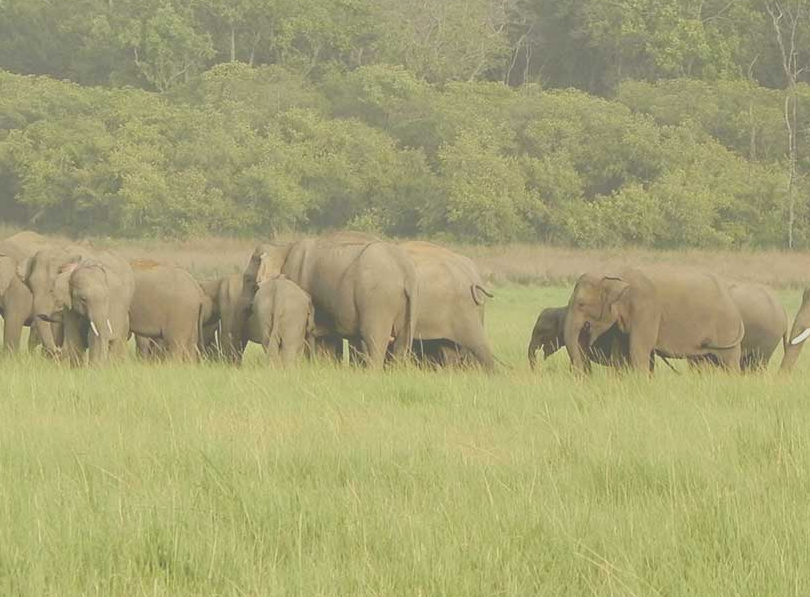
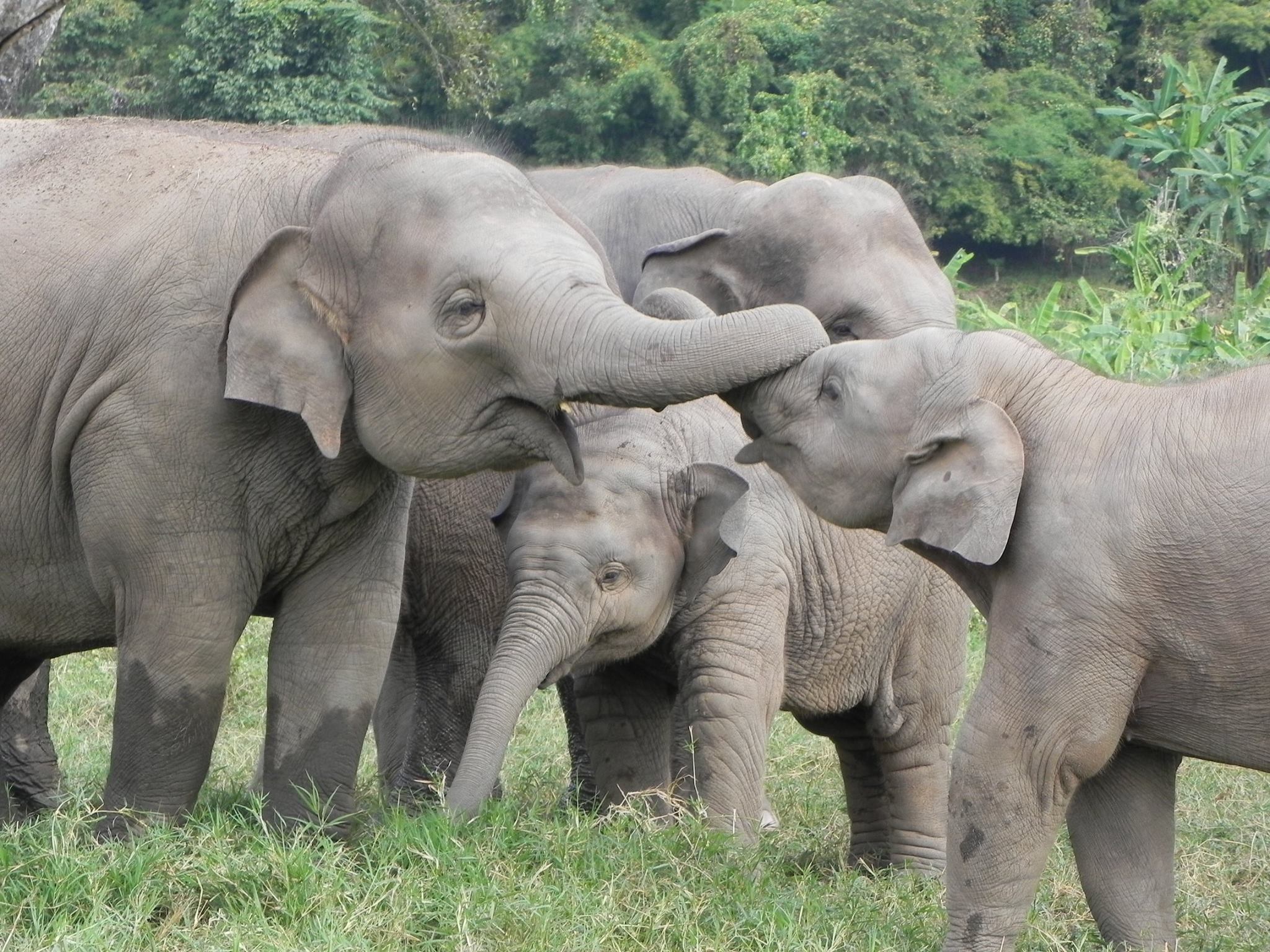
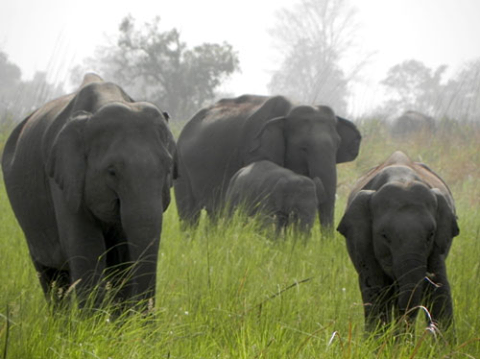
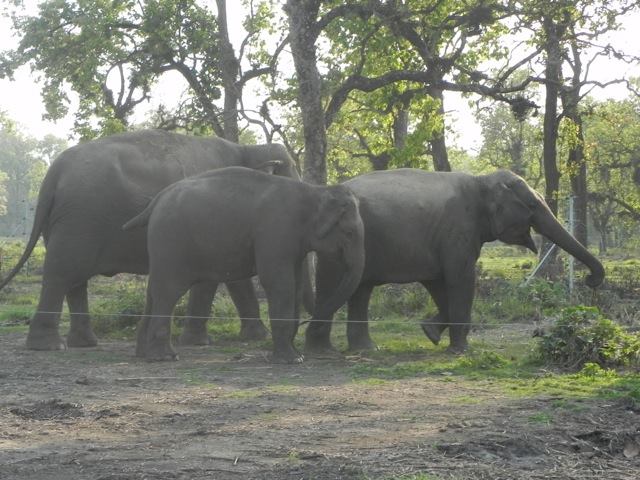
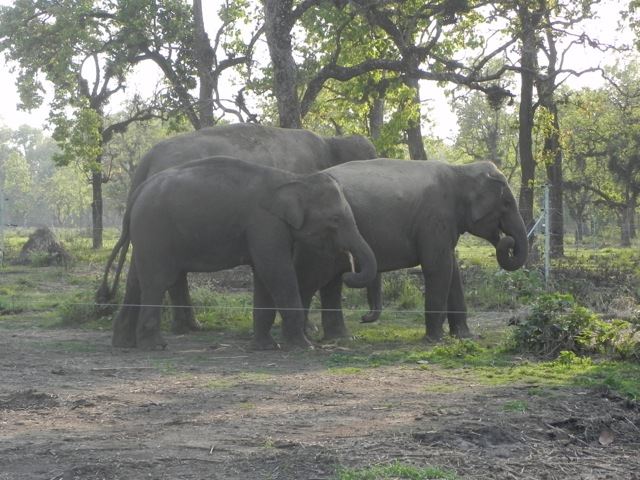
    14590068_1303170419713316_2063596753955300023_oThis breathtaking photo taken in Corbett National Park, India, captures the magnificence of a healthy herd of Asian elephants in their natural-habitat home-range.

  • Current donation total is now at $858,945.00

    Current donation total is now at $858,945.00

    captureThe current donation total is now at $858,945.00. From the bottom of our hearts, we deeply appreciate your support in our efforts to help provide a better environment for elephants. We want to acknowledge the kindness every individual who donates and likes, comments or shares our posts. You are all contributing to the cause. Thank you. Donate today!

    14713070_1290567650973593_3888856378838742979_oElephants in Asia compete with humans for nearly all resources, including bamboo, a staple of the Asian elephant diet and traditional building material for humans. As long as humans see their needs as more deserving, elephants will continue to suffer. We must continue our efforts by educating the mahouts and providing chain-free corrals for captive-held elephants.

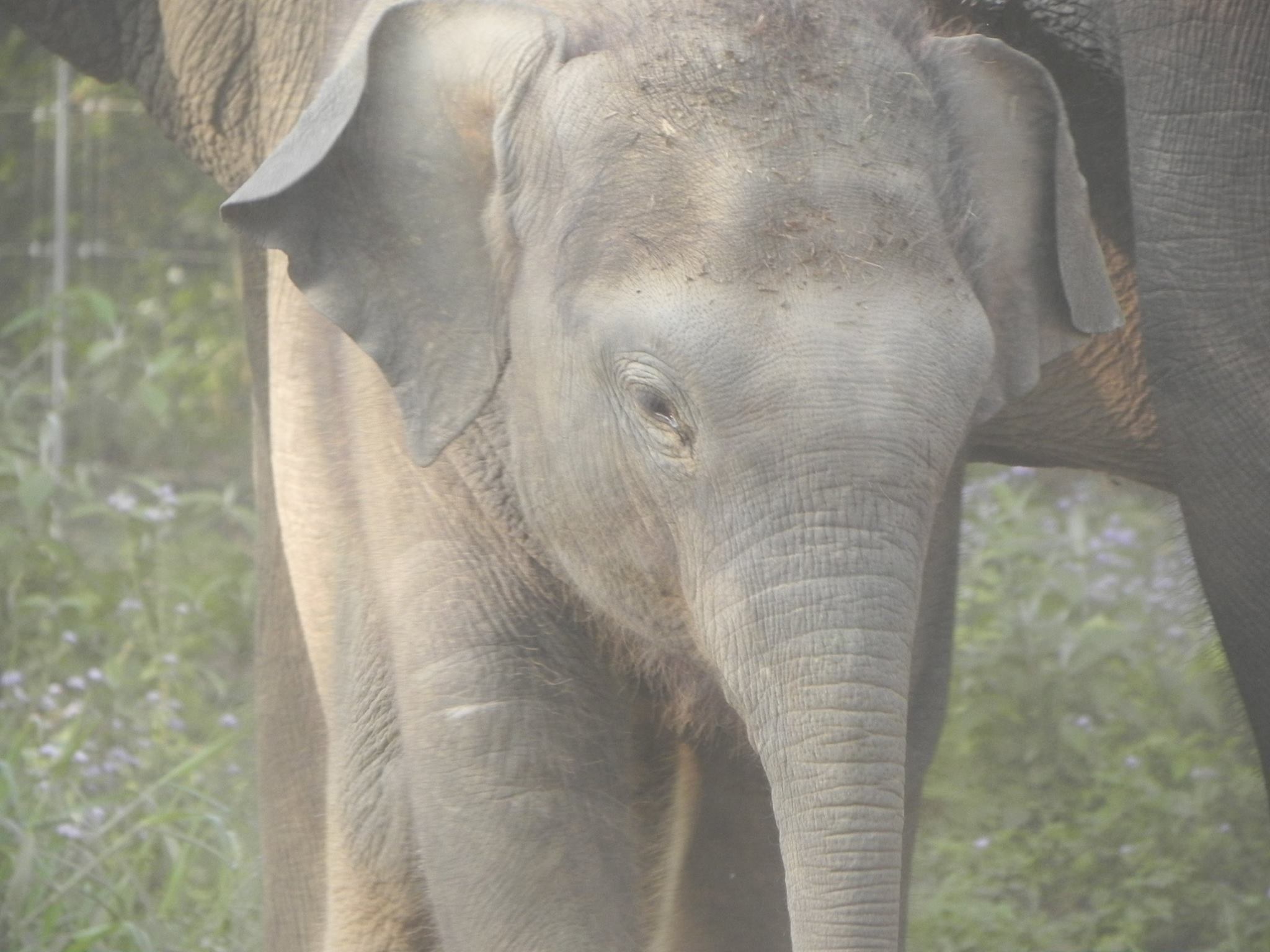
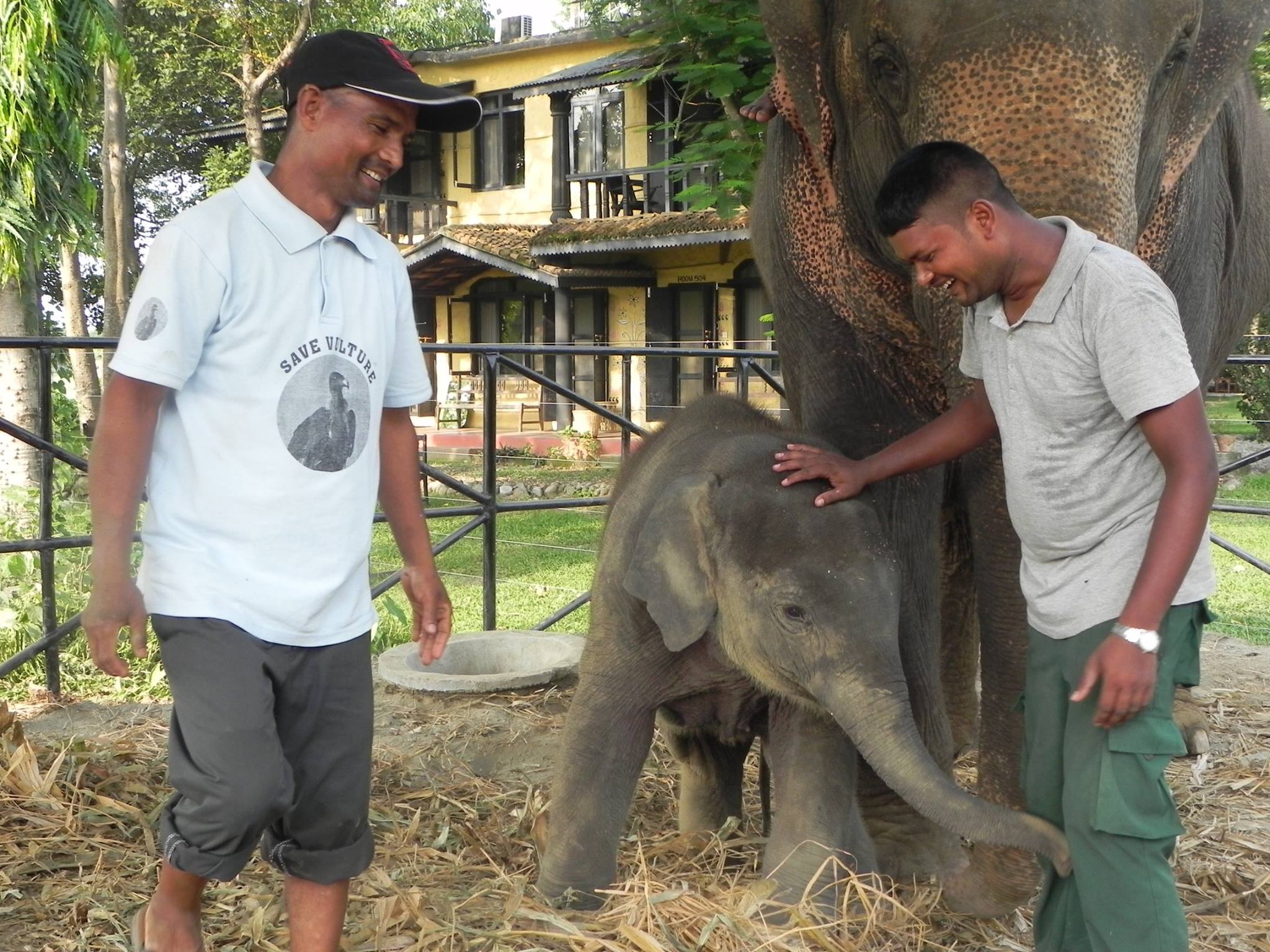
    14715661_1293375797359445_6945717541295315919_oShree (a mahout trained using EAI’s Compassionate Elephant Care) shows fellow mahout a more humane, more effective way to work around Samrat Gaj, a 4-month old captive-born elephant in Nepal. The mahout student is delighted by the results.

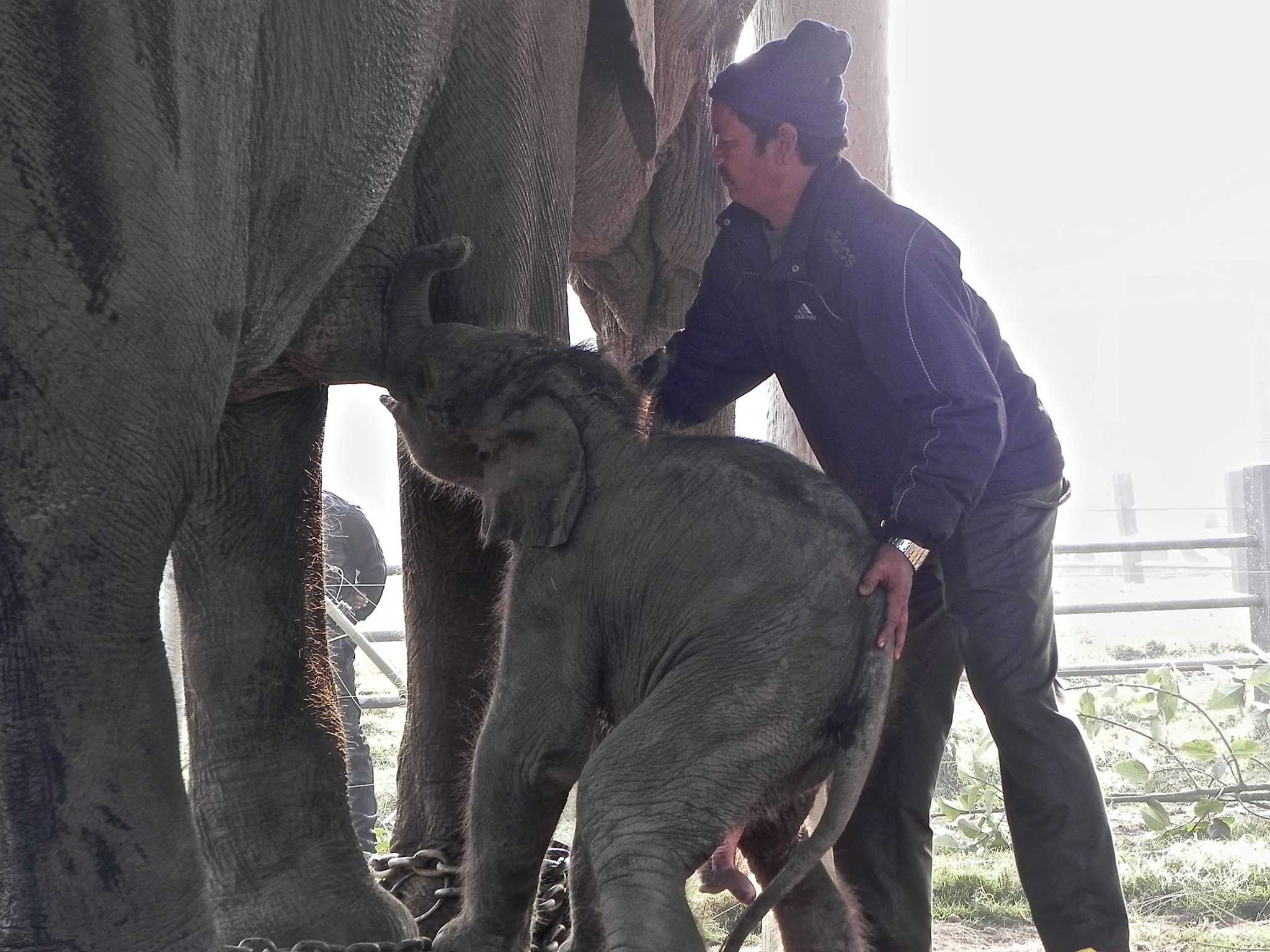
    14714836_1293522757344749_3029055320299766199_oThis newborn calf, only hours old, suckles from his mother — aided by a mahout learning new ways of relating to elephants. Compassionate Elephant Care, an EAI program being taught to all mahouts at government owned hattisars (elephant stables) in Nepal, is changing how mahouts manage their elephants.

    chitwan1Change starts with one person, who can inspire a whole group, who can go on to inspire the entire world. For elephants, chain free means pain free. By supporting the mahouts who care for impoverished elephants, the welfare of both is improved. Show the mahouts that you recognize their value. Support their transition from archaic to humane.

    14692053_1295359530494405_4158283269240433179_o“The love for all living creatures is the most noble attribute of man.” – Charles Darwin

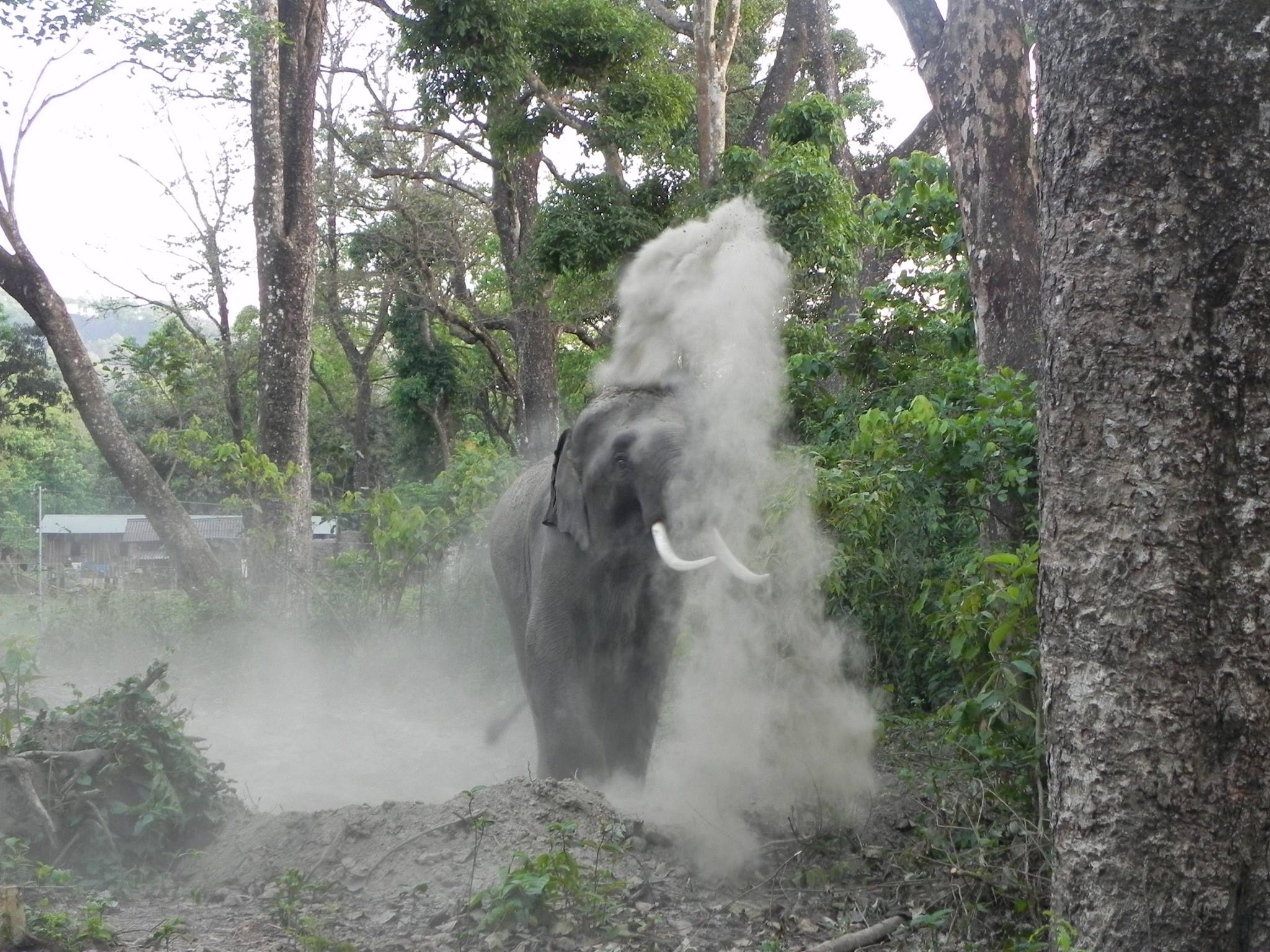
    14711625_1295361663827525_8717717484992416154_oDid you know: Elephants take “dust baths” — as seen in the picture below — to protect their sensitive skin from sunburn and biting insects

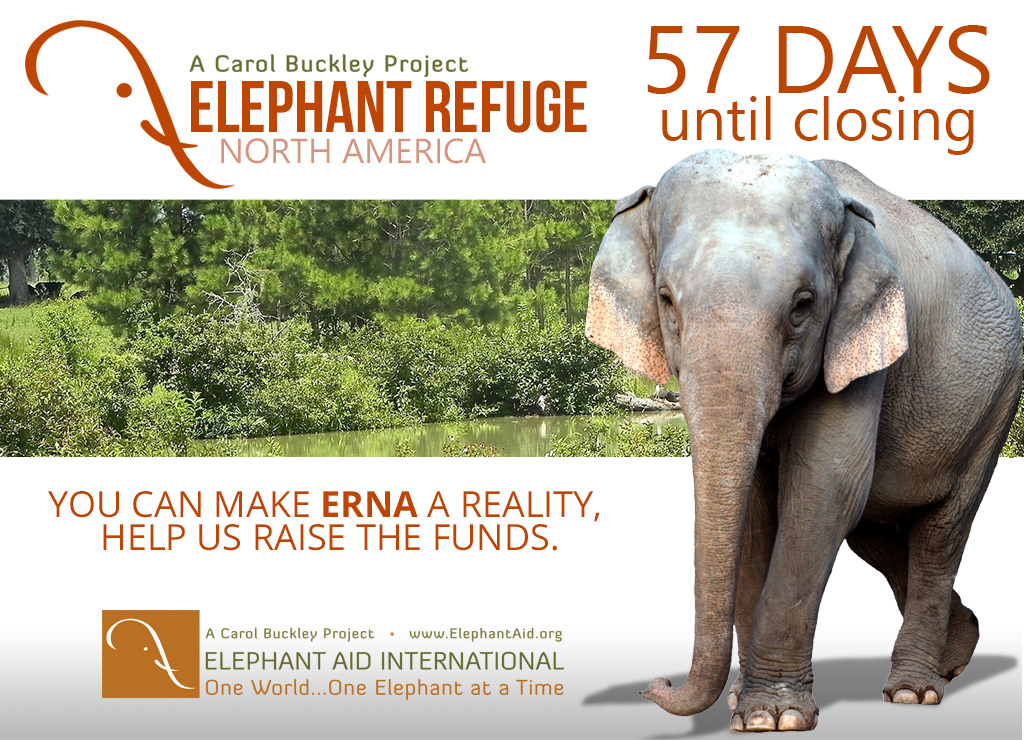
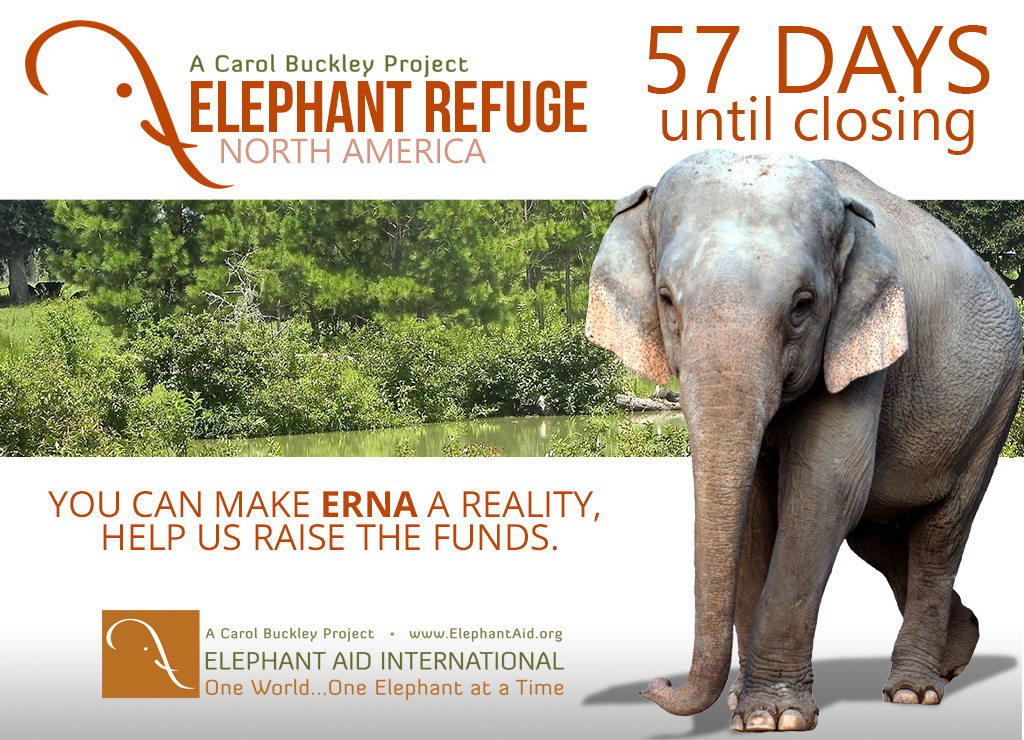
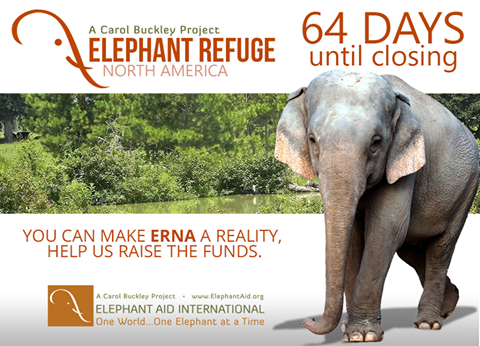
    14712991_1296262603737431_6131236874564709140_oThe ERNA closing date has been pushed to December 15th, so now we stand at 57 days until closing! To help raise funds for the elephant paradise, donate today!

  • TripAdvisor no longer makes money off animal suffering

    TripAdvisor no longer makes money off animal suffering

    11tripadvisor-animals-master768Making steady progress for animal welfare: TripAdvisor to Stop Selling Tickets to Many Animal Attractions.

    14615856_1286567708040254_7526071632518963441_oThe progress in Nepal is driven by the mahouts’ willingness to learn how to provide better care for captive elephants.

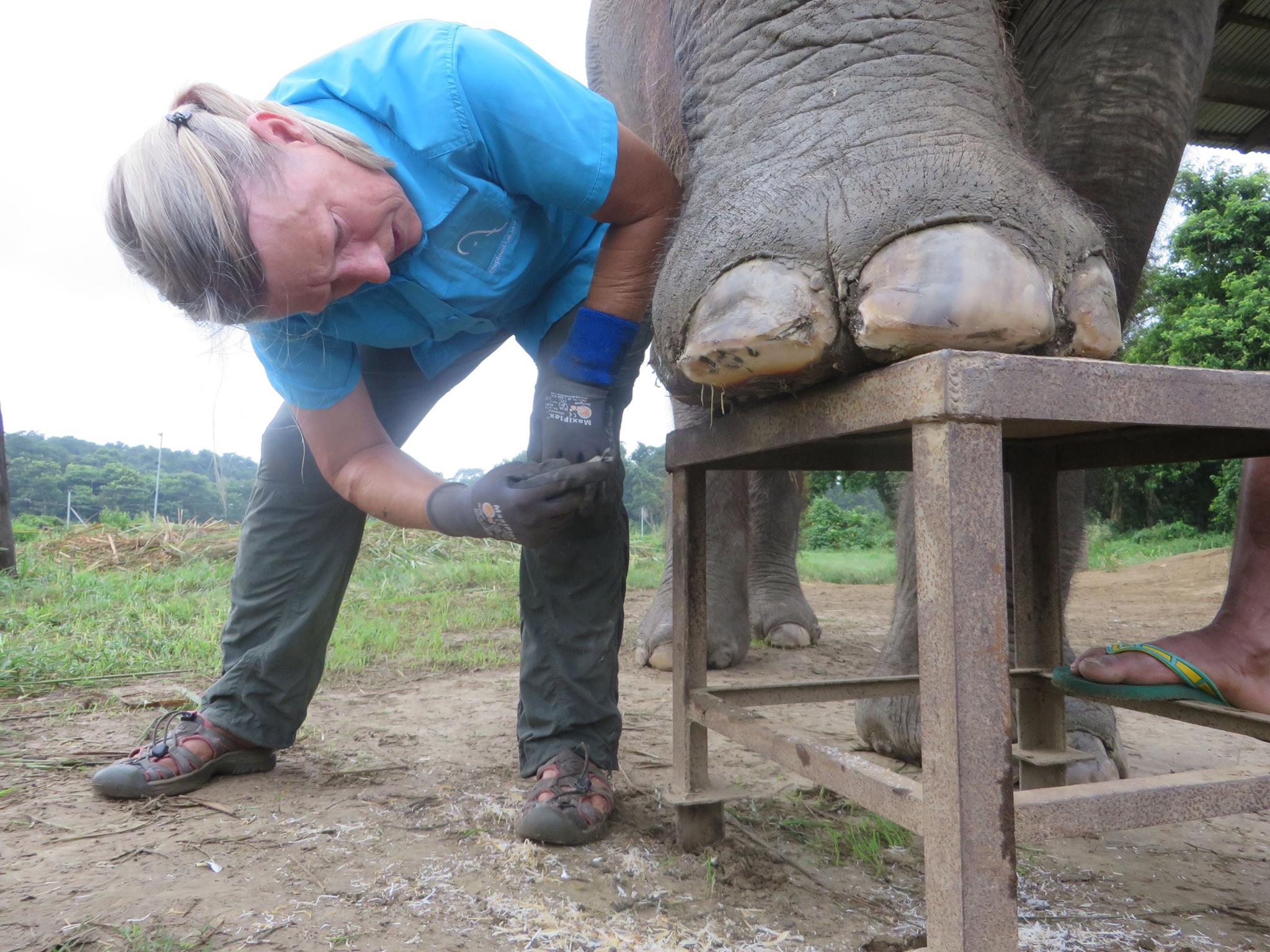
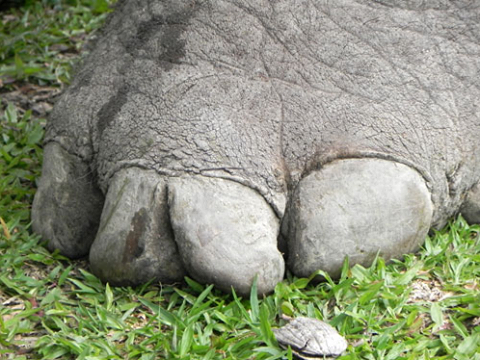
    14566427_1286789894684702_1653308219345432894_oFoot disease is epidemic among elephants living in captive environments. Captivity-induced foot diseases among these long-lived beings can lead to physical collapse and death. Proper elephant foot care is vital for elephant health.

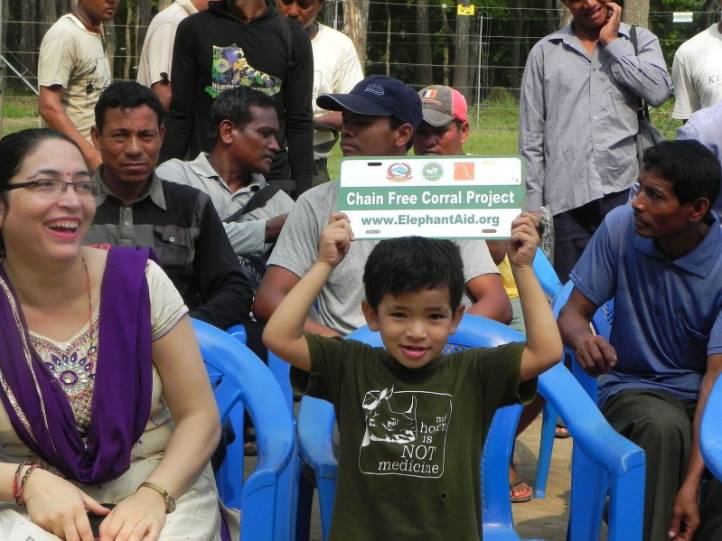
    14650303_1287513497945675_8147598989740765811_nIf we want a future of compassion toward elephants, we must teach our children to care for all creatures.

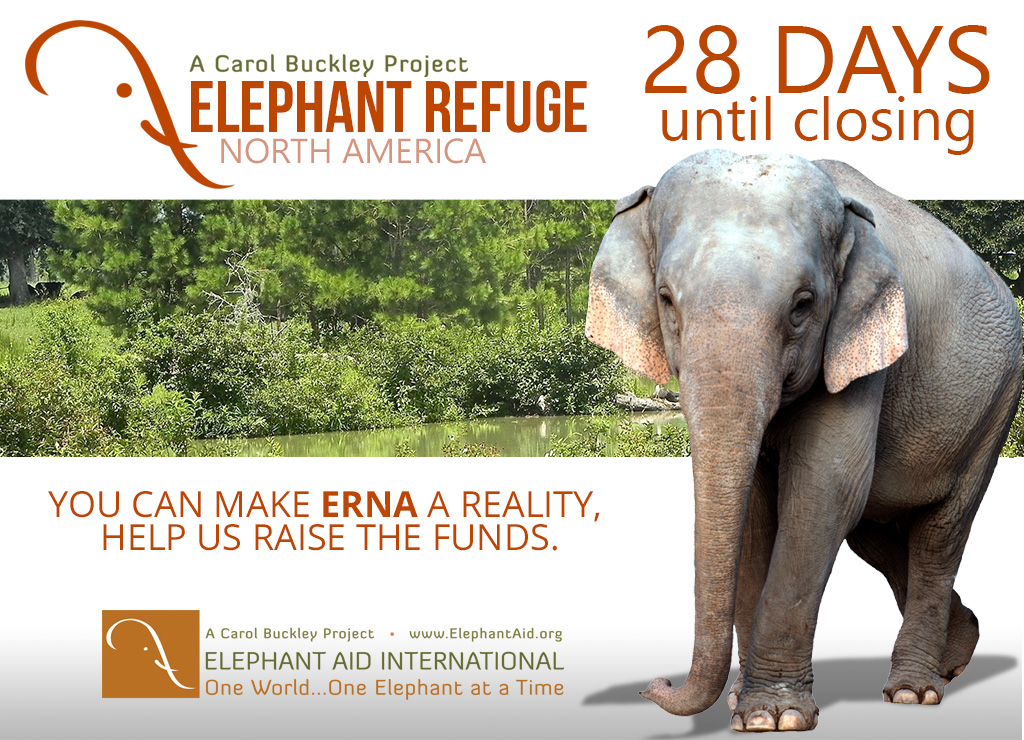
    14707902_1288403497856675_4883728828528651954_o28 DAYS UNTIL CLOSING! Only four weeks remain until the finalization of the ERNA land sale, and the elephants still need your help. Even the smallest contribution allows you to personally support the elephants in need of an environment to thrive. Donate today!

    14724476_1289593234404368_7665143081699443228_nAnother incredible picture of a sweet elephant from Nepal.

  • Terra Mater Magazine Covers Carol’s Work in Nepal

    Terra Mater Magazine Covers Carol’s Work in Nepal

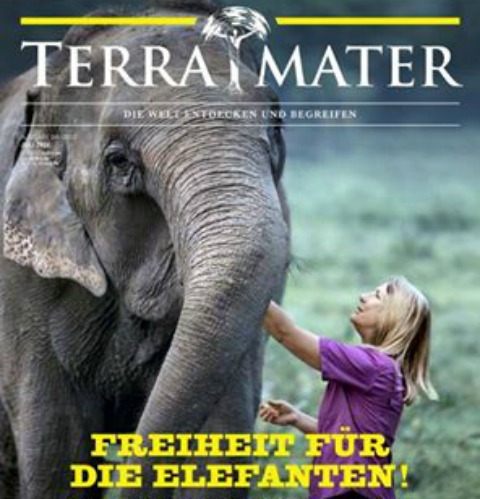
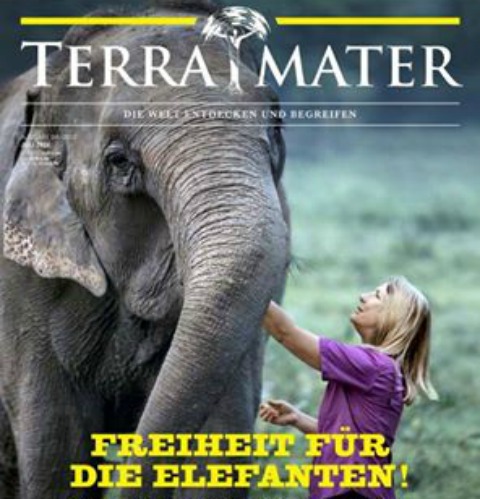
    Earlier this year, Terra Mater Magazine, Austria’s equivalent to National Geographic, sent a writer and photographer to cover Carol’s work in Nepal. Read the article in English or the original German (even if you don’t read German, you may want to look at the wonderful photos).eai1Many of the elephants used for elephant back safaris suffer from severe nail splits.

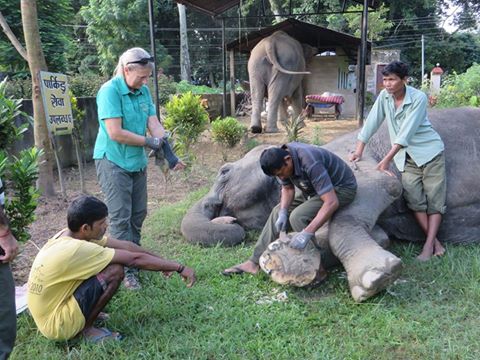
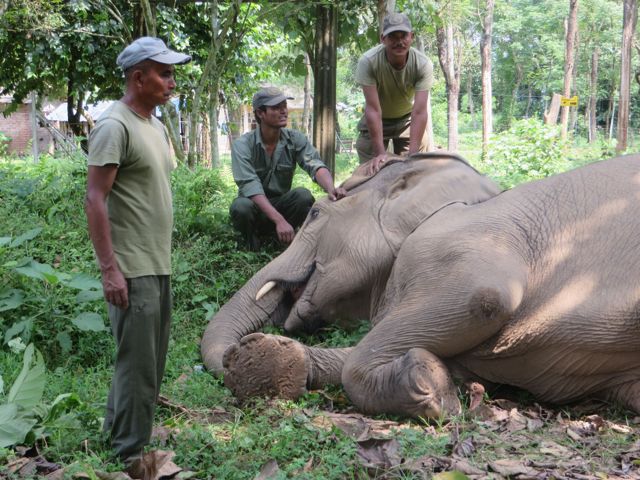
    eai2Carol and a team of volunteers began EAI’s bi-annual foot trimming in Sauraha this morning. The mahouts’ trimming skill level is measurably improved.

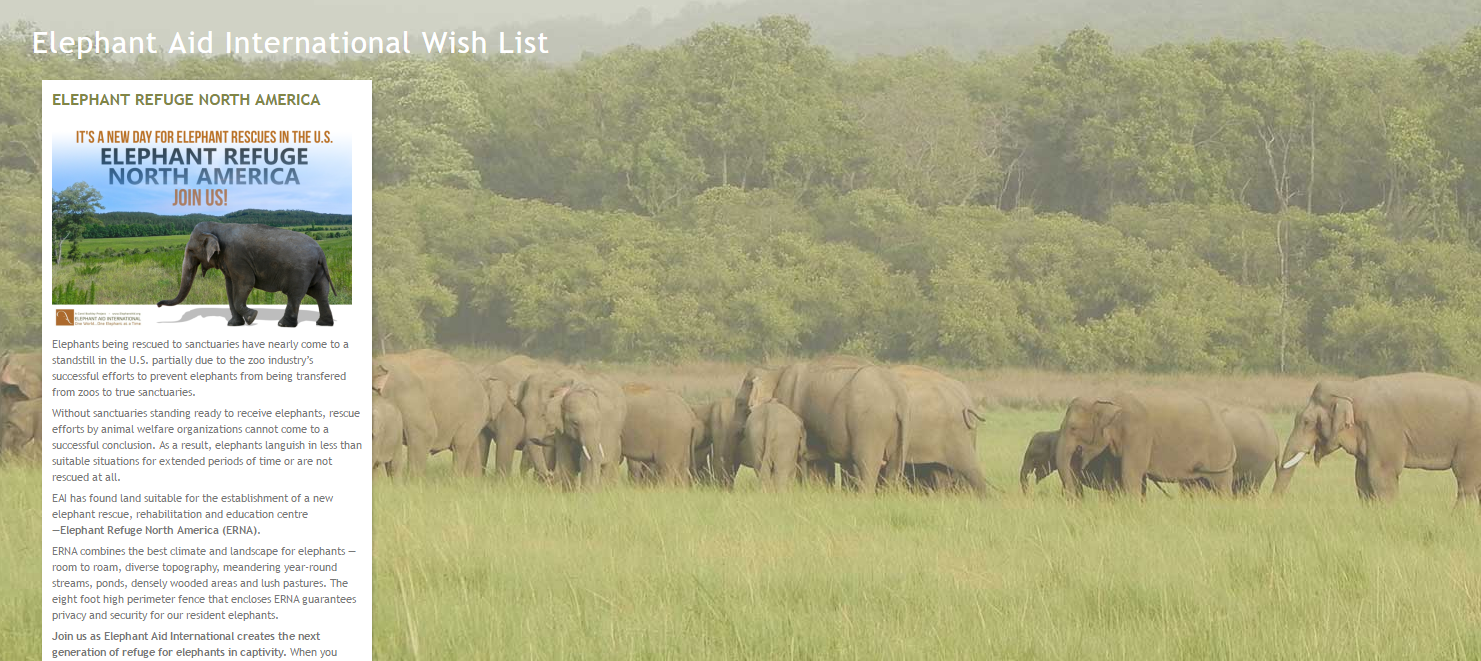
    eai3As of yesterday, the Elephant Refuge North America (ERNA) fundraising total is at $871,565.39. Your donations will help make this elephant paradise a reality!

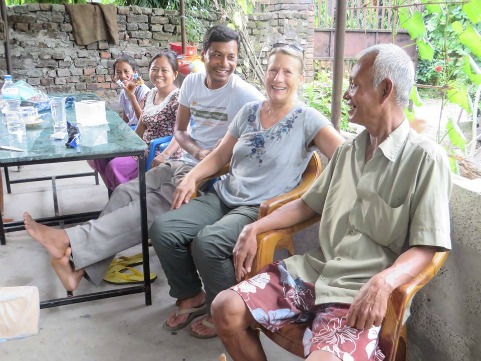
    eai4Carol visiting with her Nepali family in Sauraha. From left to right: nanu (a term of endearment for a little girl), Shanti, Raju, Carol and Paspat (who is the elephant supervisor of National Trust for Nature Conservation).

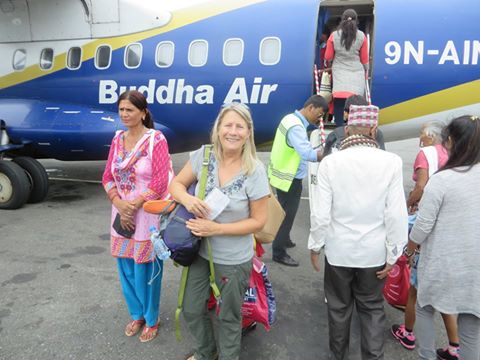
    eai5Carol boarding the plane from Kathmandu to Bharatpur on the way to foot trimming in Chitwan.

    eai-6“Nature’s great masterpiece, an elephant; the only harmless great thing.” — John Donne. But in today’s world, in response to the stress humans place on elephants in the wild and in captivity, elephants act out in ways contrary to their majestic nature.

    eaiThe Elephant Refuge North America (ERNA) land is an elephant paradise, featuring 850 acres of pastures, lakes, and forests.

    And did you know that:

    • Over the last 6 years, EAI has freed 106 captive-held elephants from chains in Nepal, Thailand and India.
    • EAI designed and built the first solar powered chain-free corral in Asia.


  • New DJ&T Grant Funds Lambodhar Prasad Project

    New DJ&T Grant Funds Lambodhar Prasad Project

    Lambodhar PrasadElephant Aid International sincerely appreciates a generous grant from the DJ&T Foundation in support of our The Lambodhar Prasad Project: Freeing Nepal’s Chain Gang. DJ&T founder Bob Barker is known for his philanthropy on behalf of animals; EAI is delighted to have the foundation’s support for this revolutionary project.

  • The Measure of Success

    The Measure of Success

    EAI’s Chain Free Means Pain Free project, which frees elephant from chains is the first of its kind in Asia. Honestly I was surprised to learn that such an effort had never before been attempted for the thousands of captive-held elephants used in the tourist industry all over Asia.

    Solar powered high tensile wire fencing is a simple and relatively inexpensive solution to the decades-long practiced of chaining elephants to a stake in the ground.
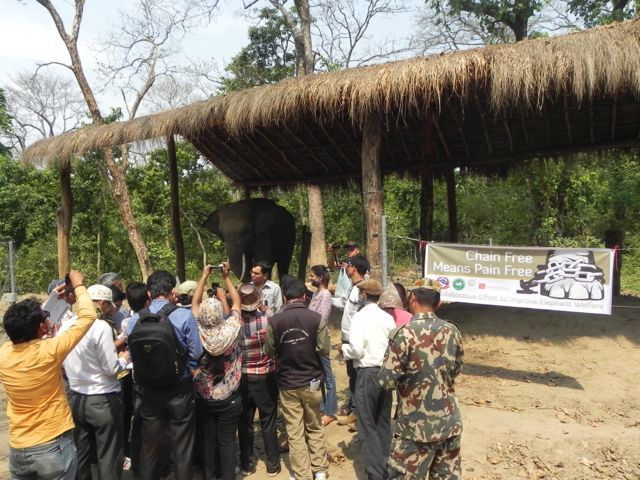
    Nepal chain free done Apr 2015

    When our Chain Free Means Pain Free project was completed in Nepal in April 2015, I breathed a sigh of relief and felt flush with appreciation for what we’d accomplished.

    It was not an easy project, working in remote areas, many times with no means to transport fencing materials, except on our backs. We crossed rivers, hiked through miles of jungle and dealt with hostile locals who saw the areas selected by the government for elephant corrals as their domain.

    And then there were the naysayers, people incapable of embracing change, who made progress slower than necessary.

    But through all the trials and tribulations, downpours, leaky roofs, river crossings, miles hiked in the searing heat and skeptics, we prevailed, creating corrals for 54 elephants and releasing them into their personal chain-free sanctuaries.

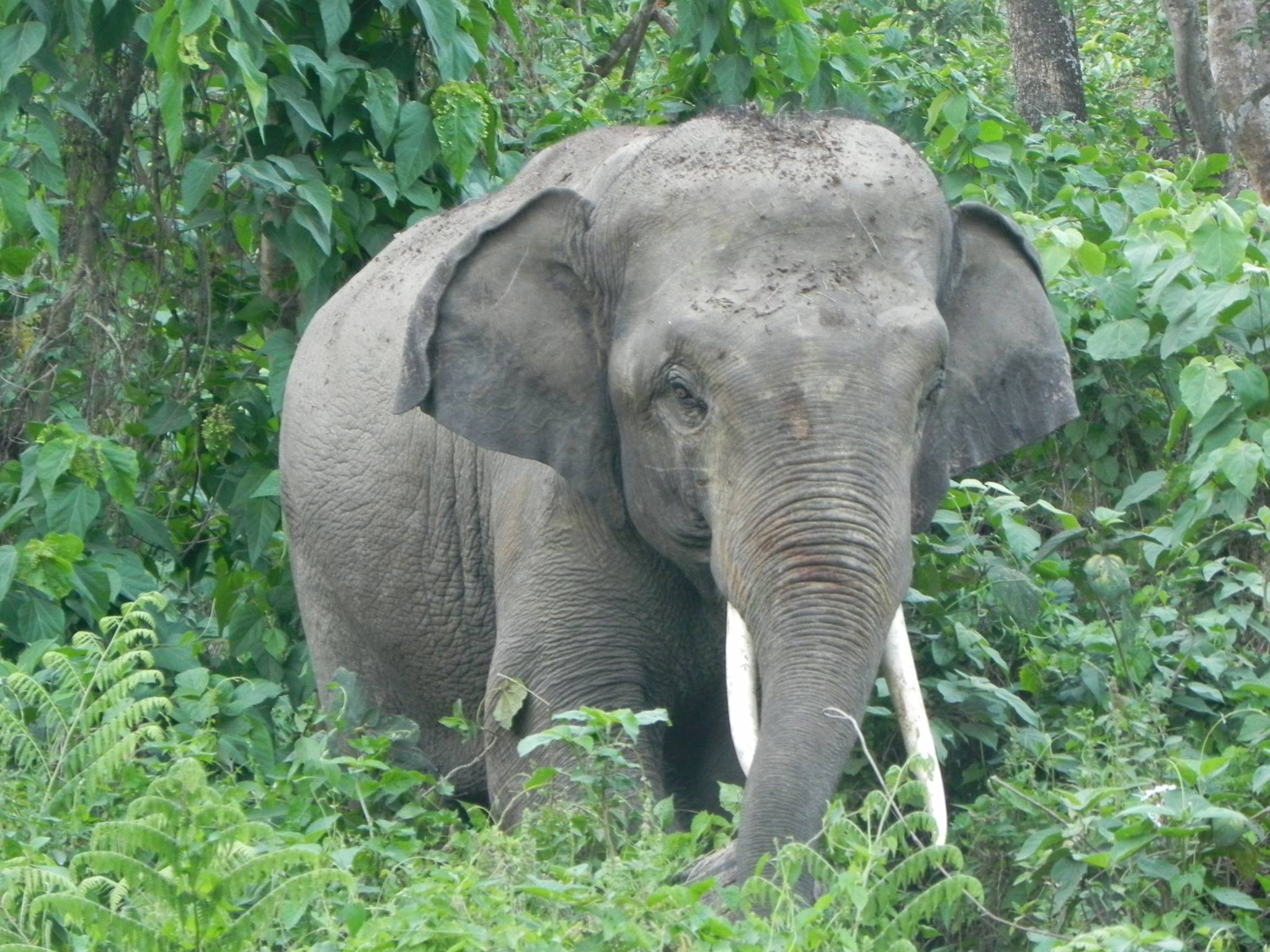
    Without exception, introductions to the corrals were a phenomenal success, including for a few adult males with long tusks. Why not? The elephants clearly understood the freedom they were being given. Freedom and autonomy are great healers for a soul enslaved for decades. Each, without hesitation or concern, melted into the lush habitat that was their new home.

    Mahouts feared change

    Before their elephants were released from chains, the mahouts lost sleep, fearing that their elephant would take advantage of the freedom and become feral.

    The consistency of the their fear surprised me. I naively assumed that mahouts knew elephant behavior and understood that freedom from chains reduces stress, which results in the elephants relaxing and becoming more cooperative. But they thought the opposite.

    It was from this experience, repeated with every mahout, that I learned how little mahouts actually know about elephant psyche and behavior.

    Hours spent in the hattisar (elephant stable) with the mahouts and the elephants taught me that most mahouts do not recognize an elephant’s most characteristic behaviors, such as playing, socializing, bonding and grieving.  Mahout knowledge is limited to how to control an elephant and avoid getting killed. So much of what they think they know is superstition and folklore.

    The first time the mahouts observed an adult elephant playing in her new corral they panicked. The mahouts wanted to stop her, control her, because they thought she was becoming aggressive. Awareness of an elephant’s emotional life or physical suffering is not something they are taught. Even minor physical problems are ignored until they become serious and require veterinary attention.

    Different approach to unchaining pays off

    As result of the time I spent observing the mahouts with their elephants, I realized I needed to approach the unchaining process differently. I needed to teach the mahouts about their elephants—their behavior, fears, likes and dislikes—and explain why unchaining affects elephants in a positive way.

    This approach paid off. Even though some mahouts remained skeptical, most felt more confident in my promise that their relationship with their elephant would get better, not worse.

    No success without sustainability

    Another lesson I’ve learned though our Chain Free Means Pain Free project is that we must build sustainability into foreign projects.

    It is not enough to provide a great product with stellar results if the locals are not able or willing to sustain it.

    I returned to Nepal eight months after completing 54 chain-free corrals to find that few were actually still functioning and being used. I was devastated.

    It seemed incomprehensible that minor repairs were not even attempted. In some cases, fully functioning corrals housed elephants on chains!

    But I knew there had to be a solution. I simply would not give up. Sustainability is the measure of success and I was determined to keep these elephants off chains.

    EAI hires Nepali manager

    Last November, thanks to generous underwriting from supporter Donna Marshall, EAI hired a manager for our projects in Nepal.
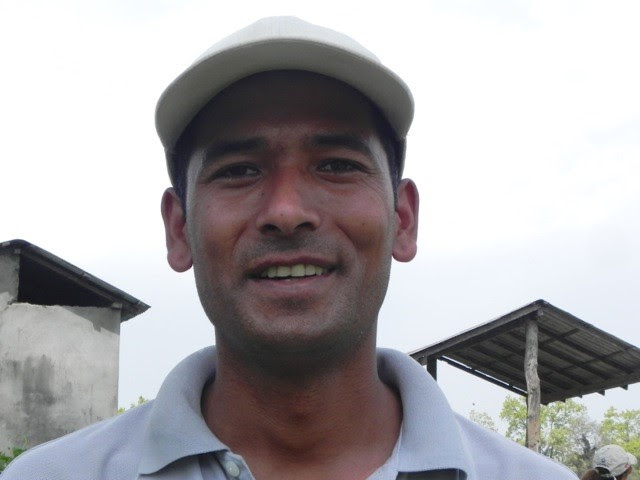
    Kulendra Kunwar

    Kulendra Kunwar, a native Nepali, was well known to EAI prior to being hired. He’d volunteered in the spring of 2015 during corral construction at the largest hattisar in Khorsor. He proved to be a valuable asset then and the perfect manager for our project now.

    In just a few short months, thanks to Kulendra’s ability to repair corrals and educate and motivate the mahouts, 14 out of 15 hattisars now have corrals that are fully functional.

    Of these 14 hattisars, all but two keep their elephants chain free 24/7. Those two keep their elephants chain free during daylight hours but, due to fear of the area’s poisonous king cobra snakes and tigers, the elephants are chained close to the home fires of the mahout housing at night.

    New mahout housing means chain-free elephants

    There is an easy solution for the two hattisars (Sukivar and Khoria Mohan) that fear the poisonous snakes and tigers.

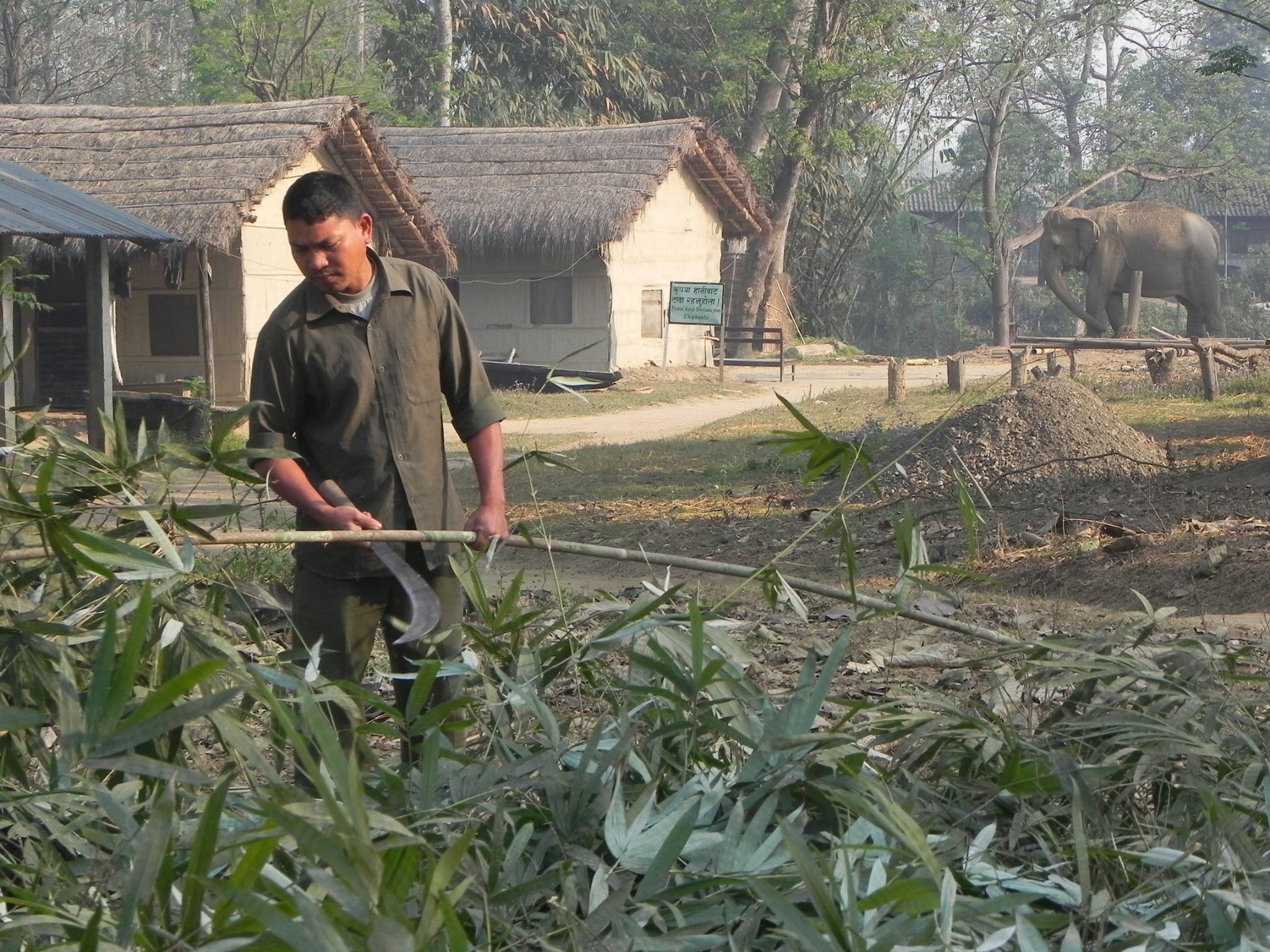
    Currently, the mahout housing—a simple two-room wooden shack, outhouse and outdoor cooking area—is several hundred yards from the corrals.

    If we raise the funds to build mahout housing adjacent to the corrals, the elephants will be left off chains 24/7.

    Our goal is to raise $16,500 for improvements at the two hattisars. As soon as the funds are raised, housing in both hattisars can be built and the elephants can once again be left chain free 24/7. If you would like to donate, you can do so here.

    I am quite the optimist, dogged about my dreams. Hard work and seemingly impossible challenges don’t scare me off, although I do wonder why some things have to be so difficult. Then I remember that there is Nepali time and there is U. S. time, polar opposites in many ways. But there is never a time to give up.

    Please join me in continuing to dream the dream that releases elephants from chains, reunites loved ones and changes culture to benefit captive-held elephants and the people who care for them.
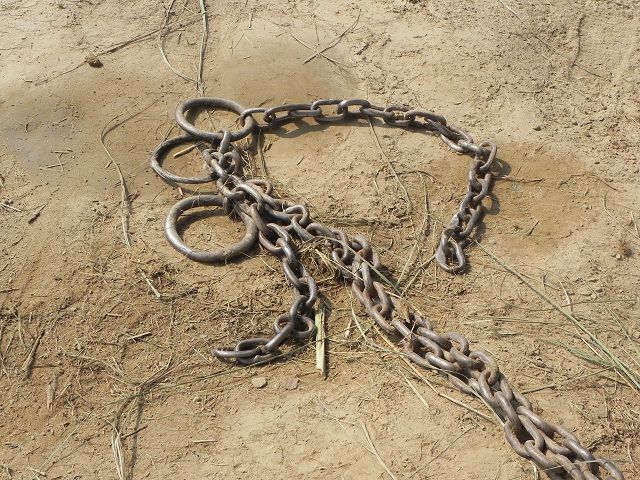
  • Chain Free in Thailand

    Chain Free in Thailand

    Boon Lott's eles

    Lotus stood perfectly still while her mahout removed the chain from her ankle. Next came Pang Dow and, last, Wassana, a land mine victim who lost part of her foot several years ago in an explosion.
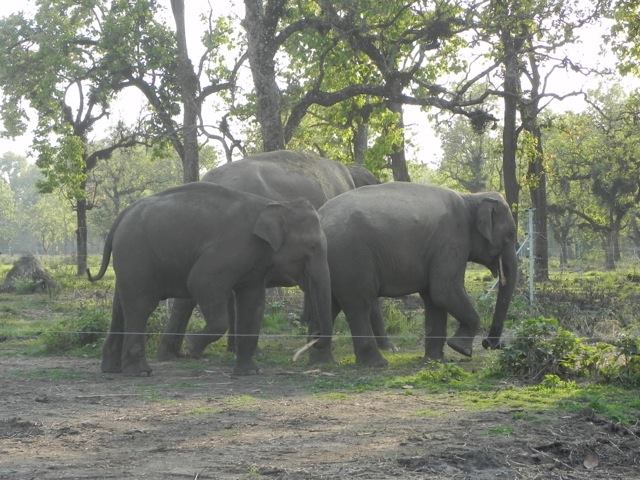
    They were unaware that their next few steps would be monumental.

    Lovely Lotus led the small herd, the family she chose after arriving at Boon Lott’s Elephant Sanctuary (BLES). She walked in the direction of the corral. For a split second she hesitated at the gate opening. A calculating glance from gate post to gate post and the open span between and she was satisfied that it was safe to lead her family inside. Almost in slow motion, Lotus entered the chain-free corral.

    I held my breath, knowing from experience the joy the elephants, their caregivers and the crew that only hours before had completed this first solar powered chain-free corral in Thailand, would feel.

    Pang Dow and Wassana followed close behind Lotus, less than inches apart, as they silently flowed into the expansive corral filled with vegetation and clusters of trees. The air was buzzing with anticipation. The elephants knew something was up. How could they not? Half a dozen people gave off quite a collective energy as we watched in hopeful anticipation of the elephants’ reaction to their new found freedom.

    Lotus, Pang Dow and Wassana cleared the gate opening, walked single file for less than 50 feet and then erupted into excited squeaks and trumpets. They broke line and huddled together, a tangle of trunks and tails, chattering excitedly, gently touching each other in reassurance.

    The mahouts stayed silent to ensure the elephants knew they were free to do as they pleased–a novel experience for a captive-held elephant, especially in countries like Thailand, where elephants are a commodity used for tourist entertainment, always under the control of a mahout.

    Before finding sanctuary at BLES, Wassana, Lotus and Pang Dow did not know freedom of any kind. Now they were about to experience the next level of freedom–autonomy. The ability to make their own choices about where they walk, when and with whom. What they eat, where they sleep and, most important, who they share their life with.

    It took mere seconds for all three to realize they were free to wander at will. They moved like a school of fish, close together, in step with each other, exploring as one. Happy squeaks, trumpets, chattering and ground thumps echoed across the hilly terrain.

    They soon forgot the humans who observed from outside the corral. They were in their own world, with their family, free from chains, to interact and share the natural habitat together.

    After sampling the tender vegetation underfoot, they made their way into a thicket of trees. With low rumbles and tender chirps they disappeared into their personal mini-sanctuary.

    Each time I witness the release of an elephant from chains, I am flooded with such deep emotion and with such gratitude, it’s as if it’s the first time I’ve experienced such a joyful event.

    I see their immediate shift, their letting go of the past. They accept the gift provided and without looking back immerse themselves in their new found freedom.

    I know that we have given a gift so great it transforms them. Being witness to an elephant’s release is life changing, the most powerful experience I’ve ever had.

    Elephants living in captivity are stripped of everything meaningful in their lives; autonomy, freedom of choice, family. Sanctuary life begins to restore some of these things. Although most captive-held elephants will never experience a real family of their own, they form bonds as deep and meaningful with unrelated others as if they were biologically related.

    The pure joy an elephant exhibits when given a resemblance of freedom is what drives me to do more. Chain free does mean pain free to these elephants. It is an honor to give back some of what has been taken away.

    Watch their release:

    and their introduction to their new chain-free corral:

  • Male Elephants in Captivity

    Male Elephants in Captivity

    Caring for male elephants in captivity is a challenge at best.

    Attempts to provide a quality of life within the parameters dictated by their captivity produce poor results. Their size, natural tendency toward dominance and drive to breed, combined with their innate wildness, is a recipe for disaster in a captive situation.

    Males are especially dangerous when they are in musth, a natural biological function when testosterone levels increase. During their annual musth season, captive-held males become too aggressive to approach and stop responding to their mahouts.

    EAI respects the true nature of each elephant and would prefer that no elephant live in captivity. But elephants whose lives are forever altered by captivity need our help.

    Lambodhar Prasad: In musth, out of water

    Lambodhar Prasad

    We were building chain-free corrals when Lambodhar Prasad came into musth. He was unapproachable. His front wrists were chained together, secured to a large wooden timber that was buried 10 feet deep to prevent his escape. He had no shelter from the hot sun, the seasonal storms that pellet him with golf ball-size hail or the frightening earthquake that devastated entire villages in Nepal earlier this month.

    And he had no access to water to drink unless the mahouts brought it to him.

    Because of his aggressive state, mahouts could not get close enough to Lambodhar Prasad to give him water, which concerned them and made them anxious to find a solution. Their only option was to offer Lambodhar Prasad water in a large metal cooking pot.

    Out of trunk’s reach, several mahouts struggled to push the heavy pot close to Lambodhar Prasad with a long bamboo pole. A thick handmade rope was tied to one handle of the pot in order to pull it back, out of Lambohdar Prasad’s reach, after he finished drinking.

    But things did not go as planned. Lambodhar Prasad was irritable, not in a mood to cooperate. He grabbed the pot with his trunk and before the mahouts could yank it away, he crushed it under his foot.

    The mahouts were out of ideas and had no resources to solve the problem, so they came to EAI for help.

    A simple solution

    An immediate solution was devised, simple but effective.

    EAI volunteers headed to town to buy a replacement cooking pot/water dish. We purchased an electric water pump and water hose and hired a plumber to hook it up to the existing well where the mahouts bathe and wash their cloths and dishes. The Chitwan National Parks Department provided a large water storage tank as a back-up for when the electricity is out, which in Nepal is more often then not.

    While the plumber was installing the pump, connecting the water hose and setting up the water tank, the mahouts wasted no time wiring the pump at a nearby building.

    There are no inspections required or codes for electric and plumbing work at the hattisar. You just do it!

    In a couple of hours our solution was up and running. The mahouts were relieved and excited about the prospect of being able to water Lambodhar Prasad and give him a bathe as well.

    Then came the moment to test out the new watering system.

    As suggested, the mahouts filled the water pot before maneuvering it in front of Lambodhar Prasad. He was seriously thirsty and drank hurriedly for several minutes. But as he quenched his thirst, his drive for dominance surfaced.

    The muscles in his face tightened as he grabbed for the pot in an act of defiance. The mahouts recognized his attitude shift and pulled the pot out of his reach. The pot lived to provide water for another day.

    Learn how you can support EAI’s pilot project to build Lambodhar Prasad his own steel pipe corral.

    Mahouts know we care

    Every effort in Nepal is unnecessarily difficult due to limited or nonexistent resources, expertise and motivation. Generations of mahouts have grown to believe that nothing can or will be done to make their job easier or the lives of the elephants in their care better. They have stopped asking for help, or perhaps they never started.

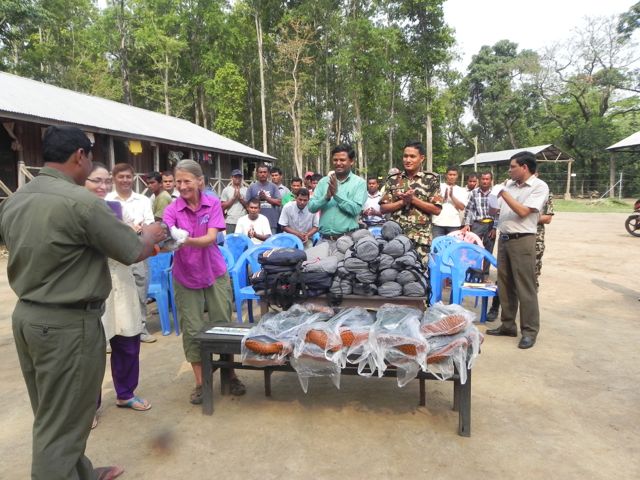
    supplies to mahouts

    But now, because you, our supporters, have enabled EAI to offer new resources, options and solutions, the mahouts know that there are people who truly care about them and the welfare of their elephants. They have begun to ask for help. They have begun to believe that when they ask, their concerns will be heard and their need for assistance will be answered.

    The most encouraging shift we have observed is that mahouts are beginning to speak up for their elephants. Improvements in elephant welfare can be encouraged from the outside but true sustainability comes from within. The mahouts are the key to improved elephant welfare in Nepal.

    3 mahouts & eles

    EAI is honored to partner with them. Learn how you can support mahouts and their elephants.

  • Rhinos and reunions

    Rhinos and reunions

    Chitwan National Park’s annual rhino count is underway.

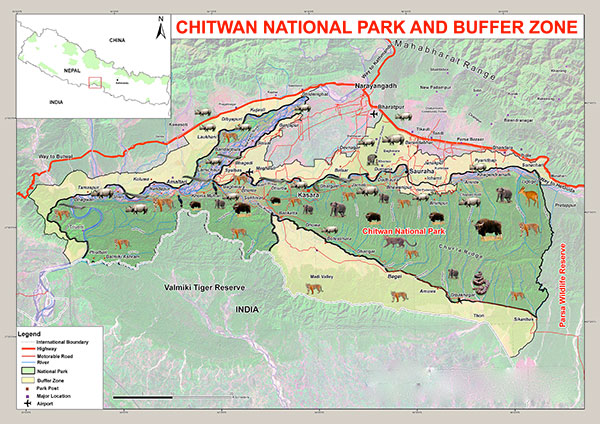
    50 government elephants, from all over Nepal, take part in the survey. Elephants and their mahouts fan out through the jungle, covering Chitwan National Park from east to west. This is the most effective way to gain an accurate count of the rhino population in the park.

    The elephants benefit because they spend a couple of weeks inside the jungle, day and night. Being immersed in their natural habitat is rejuvenating.

    In preparation for the count, the elephants gather at two central hattisars–Khorsor and Sauraha, the two hattisars where we completed our chain free corrals last week.

    Four boarders arrived at Khorsor yesterday. The scene was mesmerizing. Thanks to our chain-free corrals, families were reunited.

    Simsar Kali and her mother were as one, floating peacefully, side by side, chain free. Tumor Kali was also with them, a threesome of chain-free compatibility.

    Young Amaltari Gaj was also in elephant heaven. He and his mother grazed peacefully, chain free, a tearful reunion of joy.

    Change is happening!

    Below: Mom, daughter and a friend reunited when mom visited from another hattisar.

    22109_946953388668356_279845061956447565_n 10441038_946953378668357_6965332770962719656_n 11008428_946953412001687_3724965258527183178_n