The annual monsoon season is nearly over. Asia is calling me back, once again.
These weeks home have flown by, filled with taking care of business and preparing for my return to Asia. This coming trip will be my fourth in two-and-a-half years.
Looking back over my work in Asia has given me a clearer perspective. Each visit built upon the one before, resulting in a firm foundation for elephant welfare programs.
At first I had no idea what I could accomplish, so I just went and investigated. The search led to discoveries, which resulted in an avalanche of ideas.
Filtering through all the possibilities, I decided to hone in on areas where I felt most confident. Providing services in a foreign country is challenging enough.
Doing what I know best has proven to be a wise decision. This is where the mantra “One world, one elephant at a time” got its foothold.
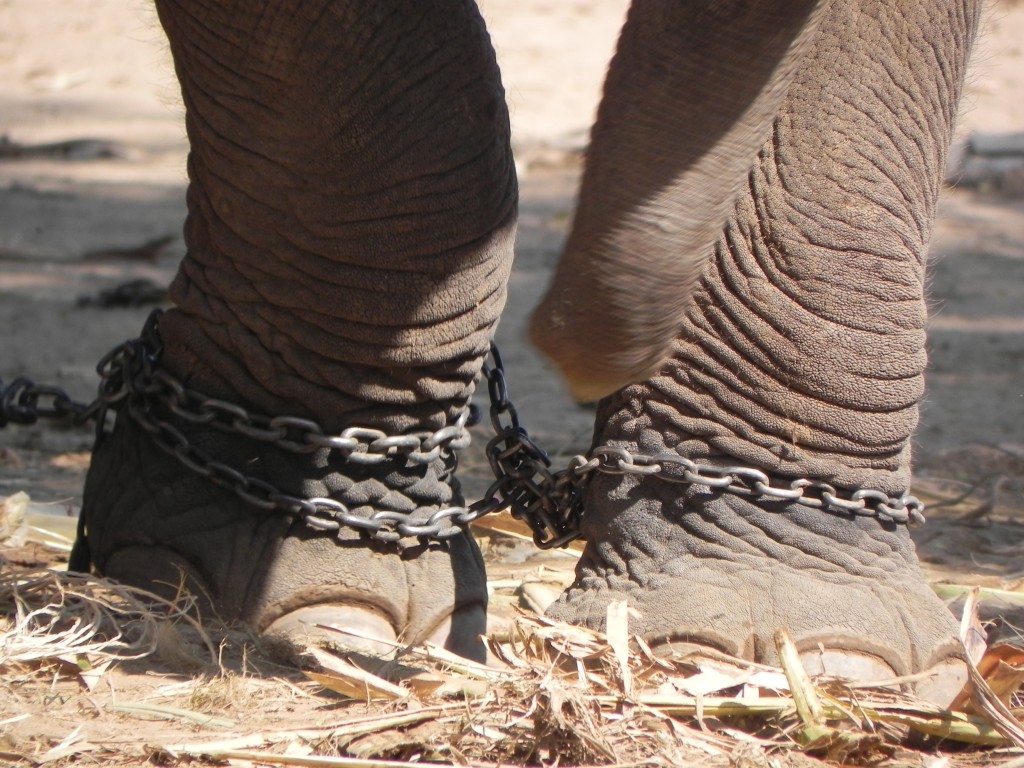
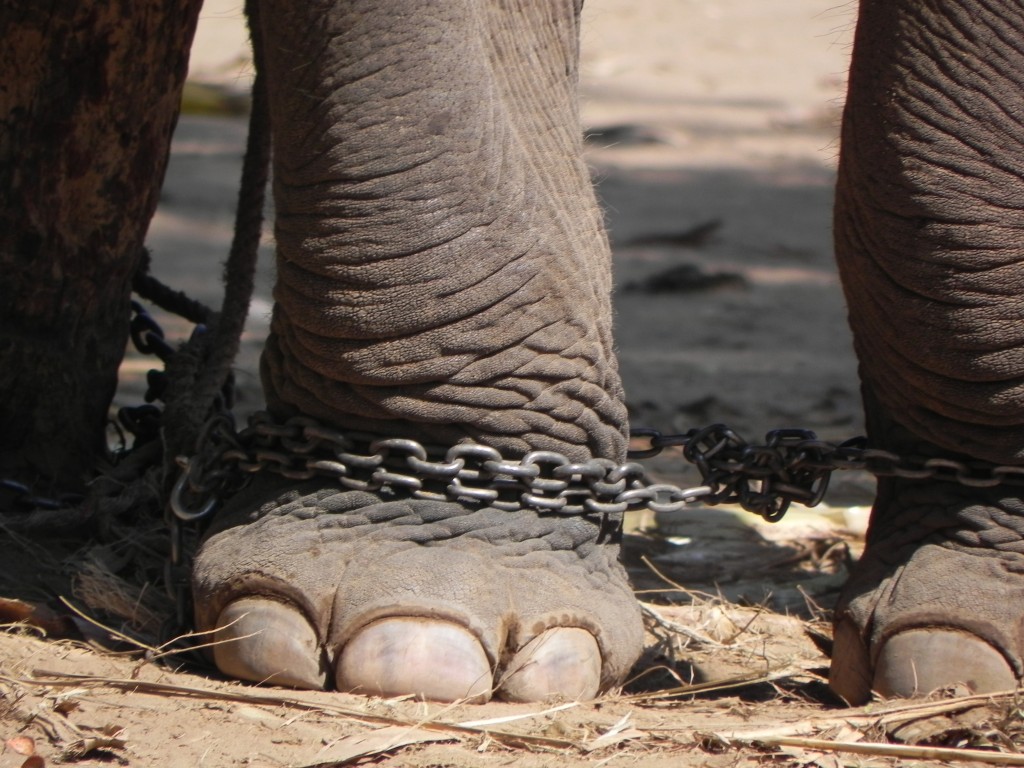
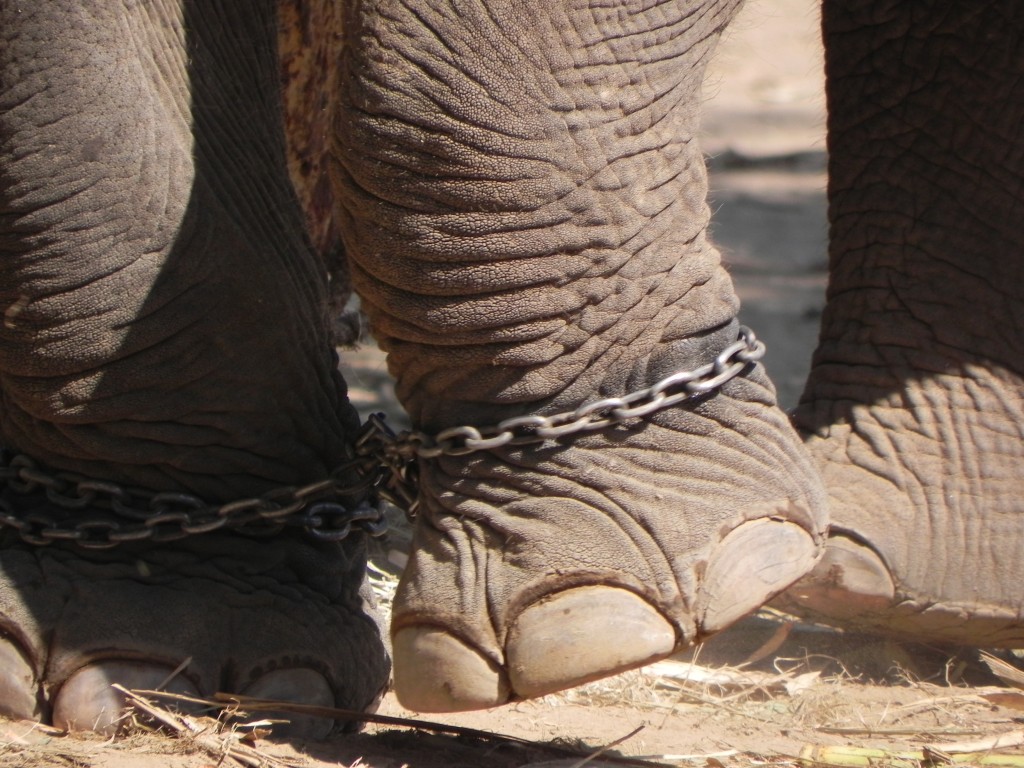
The idea of trying to save an entire world of suffering elephants is overwhelming, but helping one needy elephant at a time feels doable. The idea actually calms me. I know that we can help one and then another and then another after that.
The Sanctuary: one elephant at a time
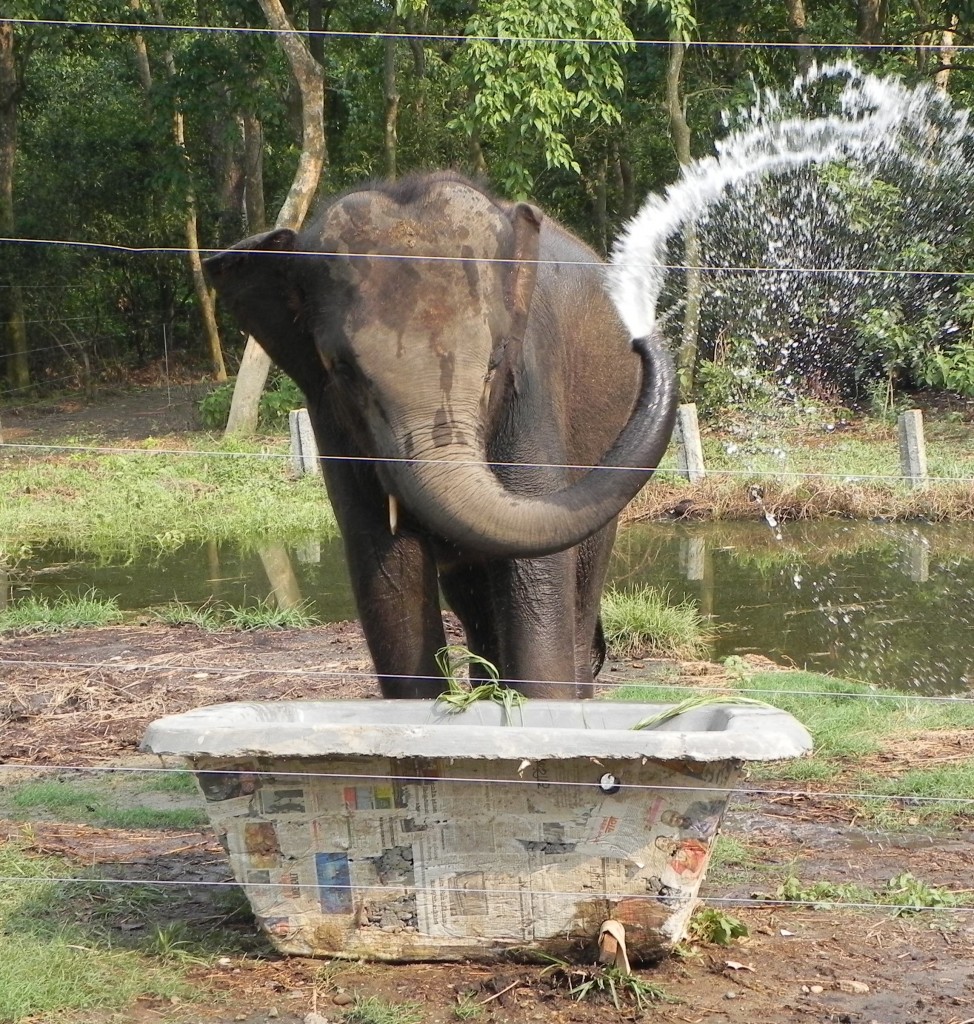
With Tarra as my inspiration, this is exactly how the Sanctuary began. My initial goal was to create a safe and healthy place for her to live out her life, away from zoo and circus.
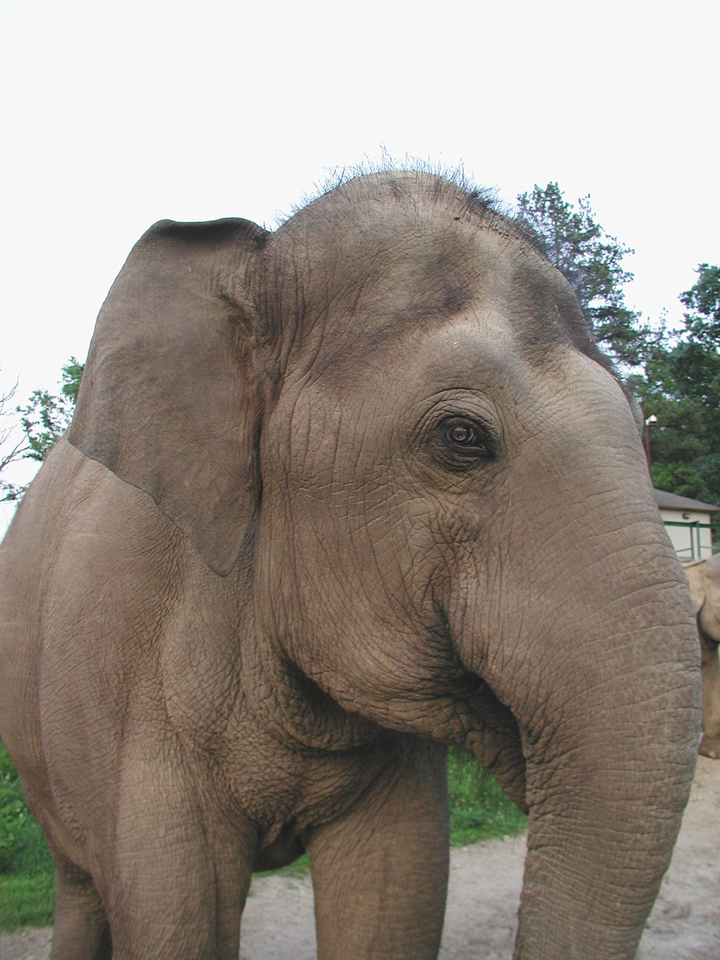 With Tarra safely in her sanctuary home, our focus turned to rescuing six solitary female Asian elephants living in zoos and circuses. And we did it—one elephant at a time.
First came Barbara,
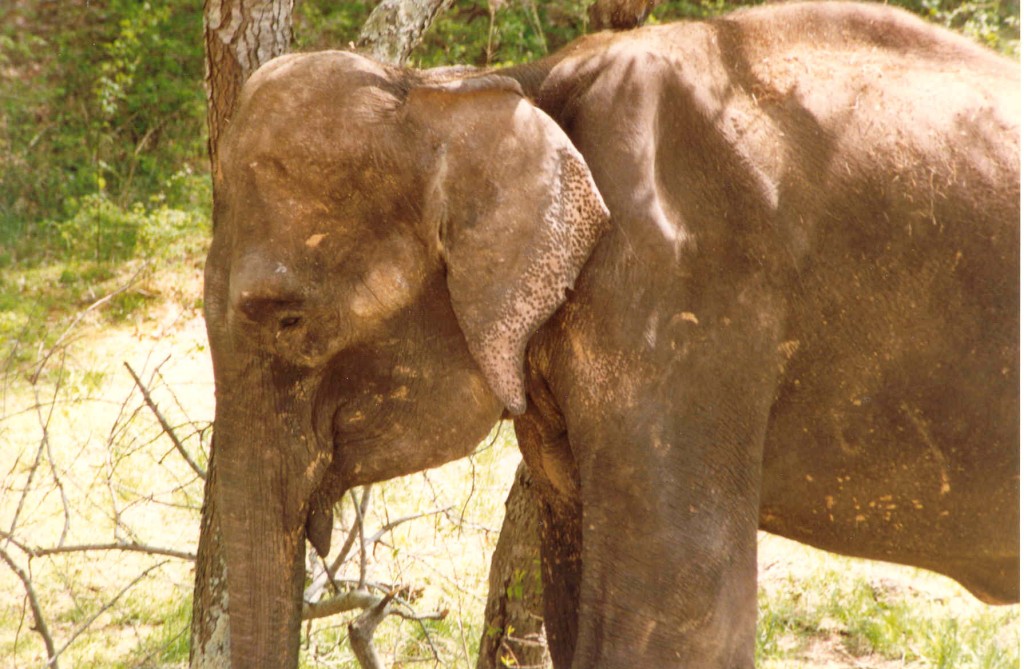 an ex-circus elephant living alone in a Florida backyard.
Then came Jenny,
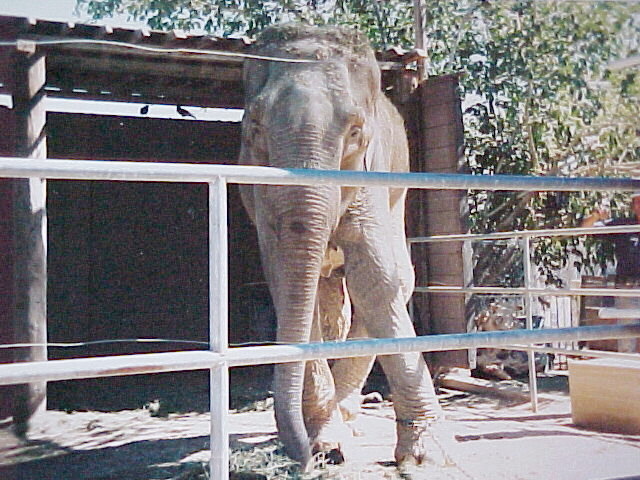 living alone in a dilapidated dog and cat shelter outside Las Vegas.
After Jenny was Shirley,
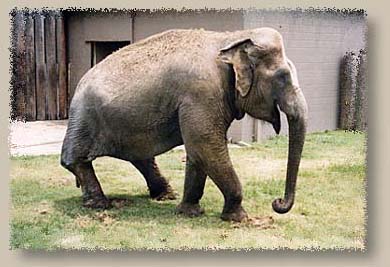 rescued from a solitary life at the Louisiana Purchase Garden and Zoo
then Bunny, darling of the Mesker Park Zoo
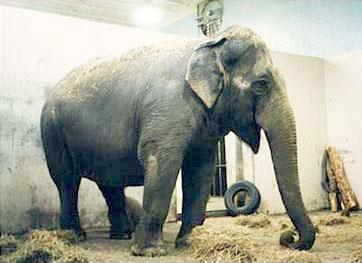
Sissy, from the El Paso Zoo
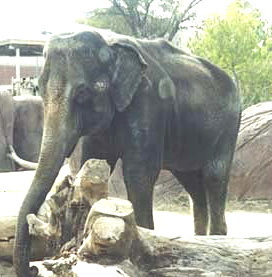 who had lived alone for two decades at the Frank Buck Zoo
and Tina, born at the Portland, Oregon zoo
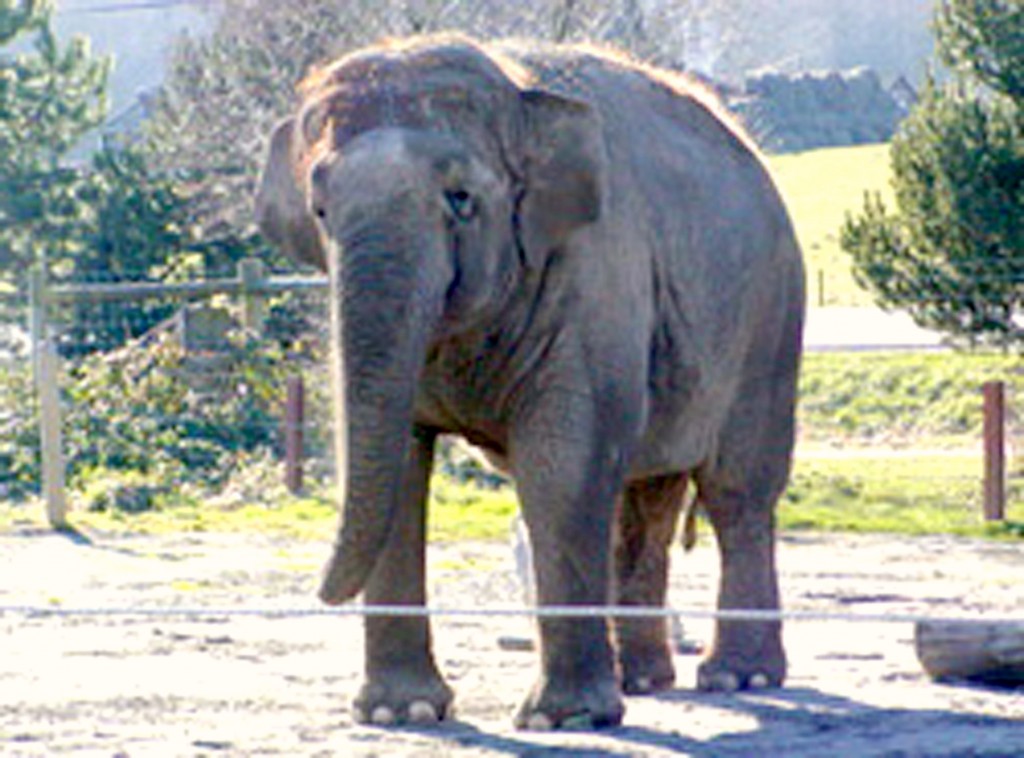 living alone at the Vancouver Wild Animal Park.
All were elephants who had lived alone for decades. Each was rescued because we believed that we could help, one elephant at a time.
Starting again
Now I feel we have come full circle, back to the starting point. A huge challenge lies ahead of us with so many elephants in need. But instead of being overwhelmed, experience has taught me that focusing on one needy elephant at a time is doable. I know that we can help one and then another and then another after that.
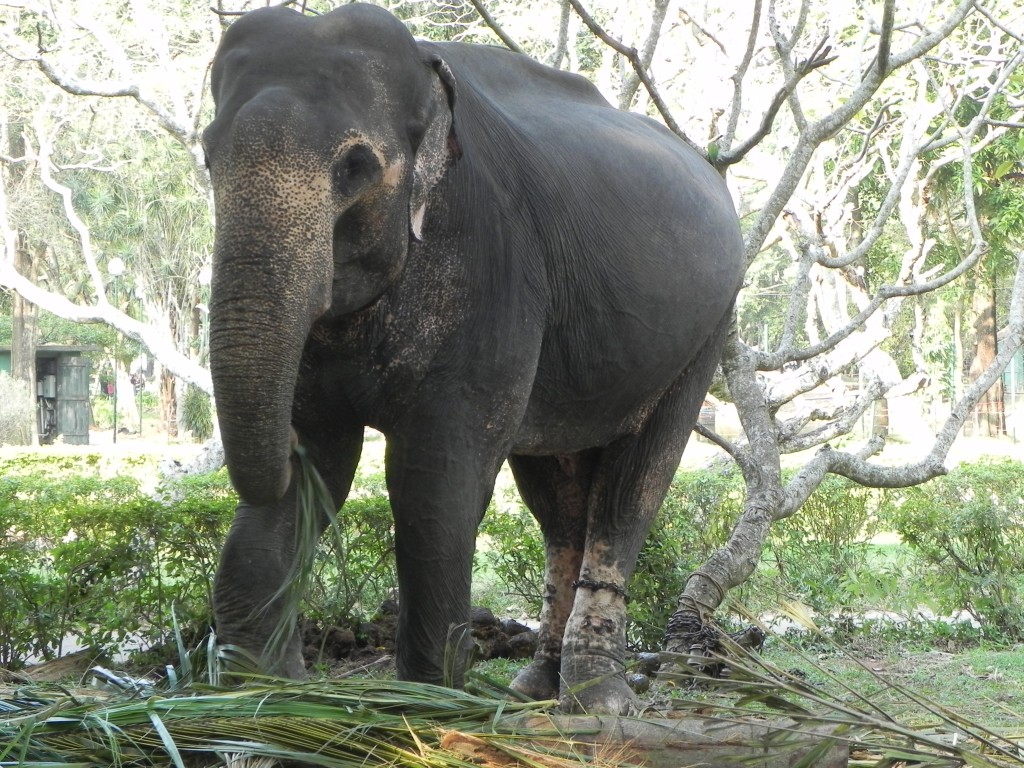
As always, I will let Tarra inspire and guide me.
With that vision of possibility firmly planted in my mind, I understand how we now find ourselves—a short two-and-a-half years later after I first went to Asia—experiencing such fabulous results.
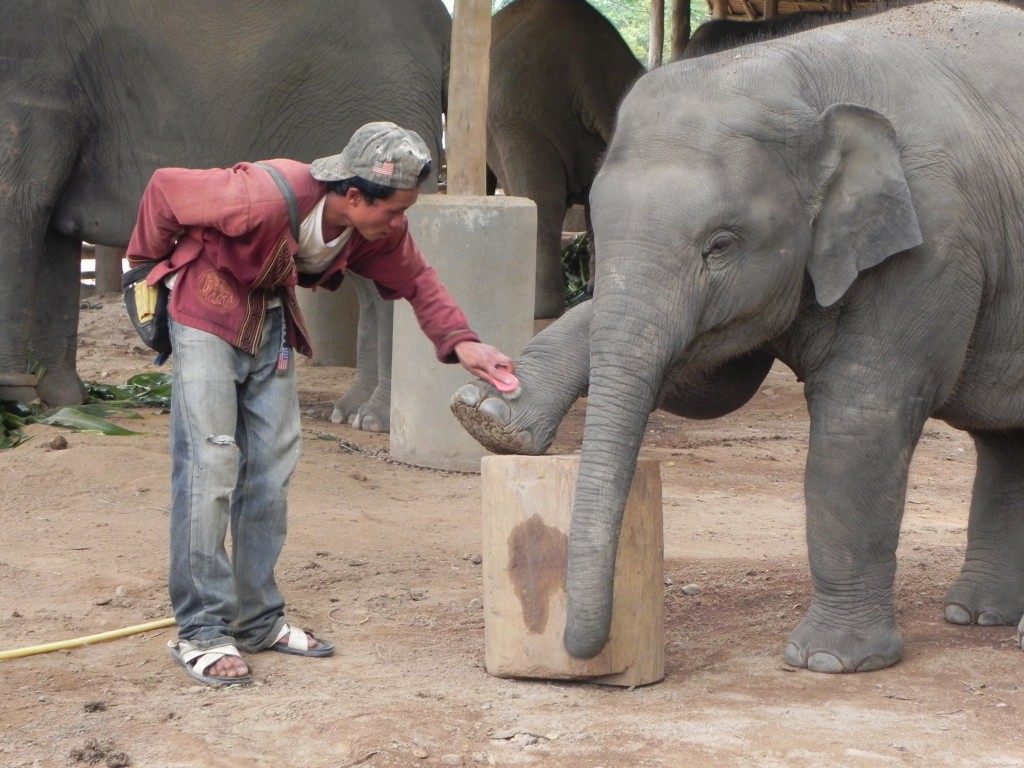
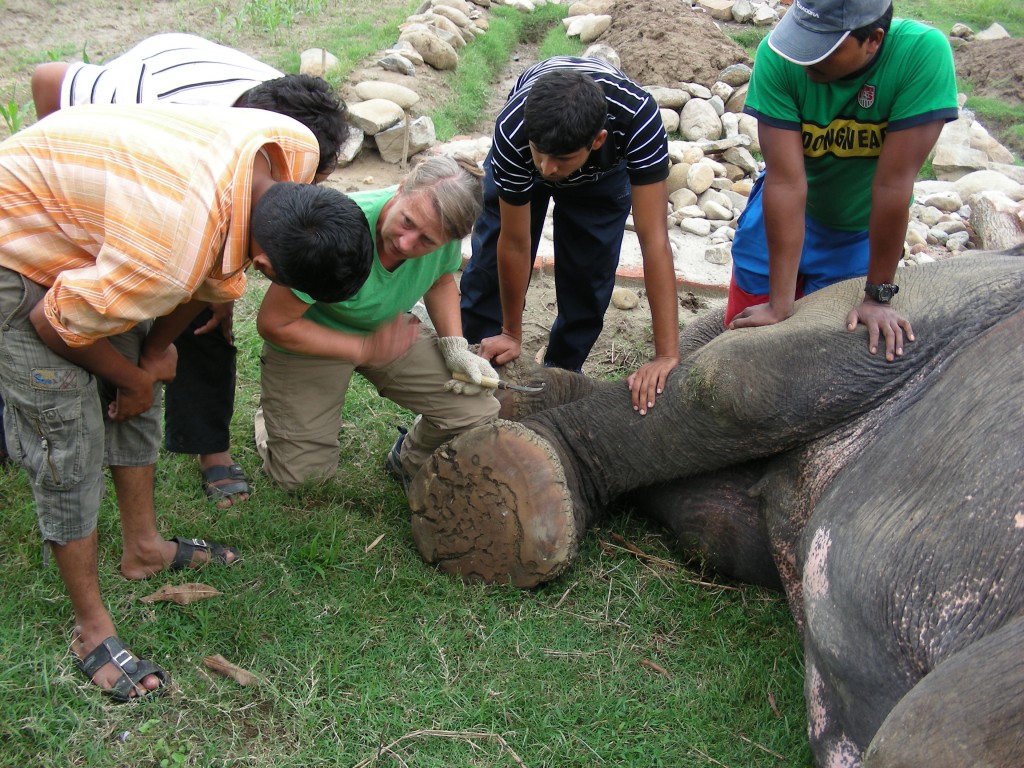
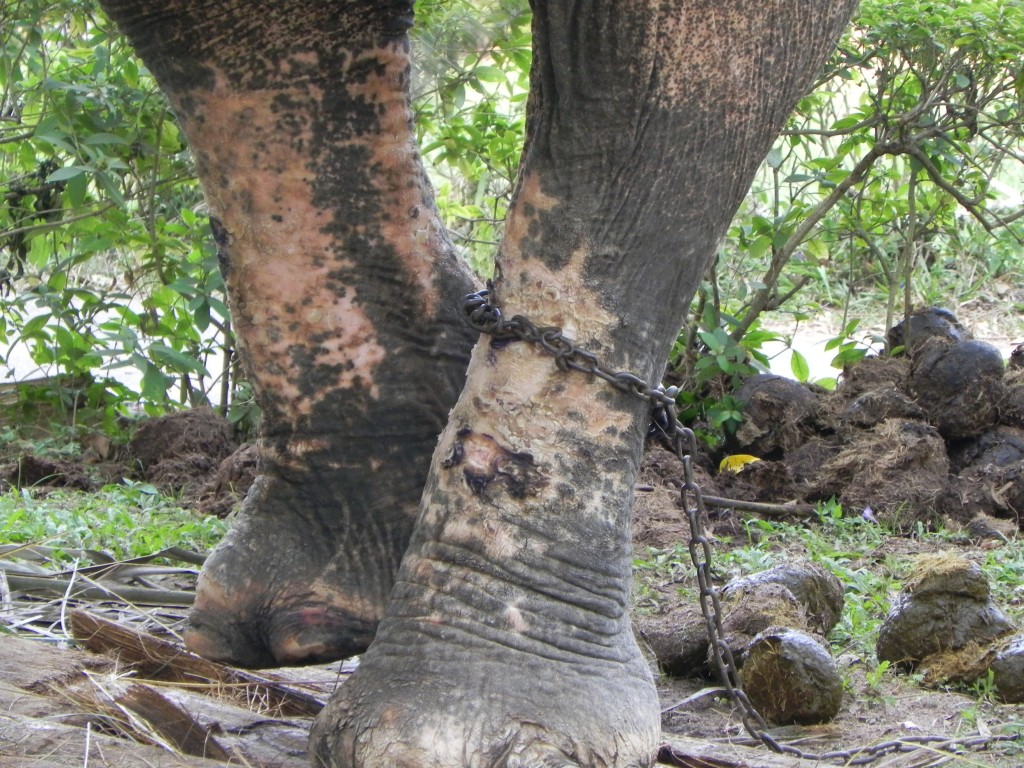
Focusing our efforts on our strengths has been incredibly well received by our colleagues in Asia. Working together has been the key. Together we are improving elephant welfare with foot care, mahout training, chain-free yards and our continuing efforts to develop elephant care centers and retirement homes.
The ideas for these projects were planted like so many tiny seeds and now they are growing like weeds. I need to get back to Asia and continue where we left off.
I am thrilled to announce that in my absence, requests have come for expansion of our programs. Yes, they want more chain-free yards, more pedicures, more mahout training and retirement centers for aging elephants. I am so excited about how our elephant welfare programs have caught on! The future is indeed bright.
Preparing For Pedicures
On my last visit to Nepal, 84 elephants received pedicures. The goal for my next visit is 100 elephants–400 feet! With that goal in mind I need to restock our foot trimming tools! Using disposable trimming blades ensures trimming accuracy and the highest level of hygiene; one package of two blades services one elephant. The easy-to-grip handles are perfect for precision but they wear out after a dozen or so elephants. The heavy duty farrier rasps are perfect for the job and the mahouts like this tool, but the rasp becomes dull after a short time.
I hope you will join in the excitement and help us purchase trimming blades, handles and nail filing rasps. I have posted a chipin to meet our goal of foot trimming supplies for 100 elephants. If you prefer to purchase the pedicure tools separately, please visit the EAI wish list.
To paraphrase a popular saying, helping one elephant won’t change the world. But helping one elephant will change the world for that elephant. This next trip to Asia promises to be incredibly beneficial for many more elephants, thanks to your continued support.
A HUGE THANK YOU to all who donated to the Foot Trimming Tools ChipIn. We reached our goal, in record time, all thanks to you!