Tag: elephanttourism

  • Unchained: New Documentary on EAI

    Unchained: New Documentary on EAI

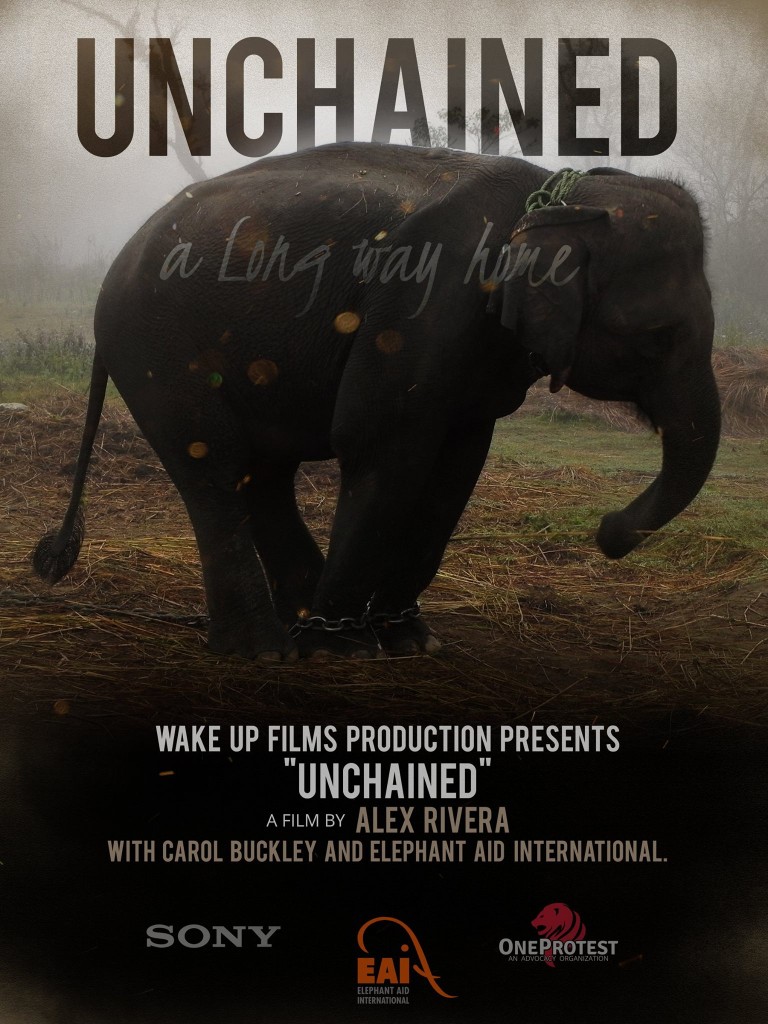
    unchained poster

    A new documentary on the work of Carol Buckley and EAI improving elephant welfare throughout Asia has been selected for the 15th annual Wild & Scenic Film Festival.

    unchained_wild-scenic-festival

    “Unchained” follows Carol and her team in their quest to enhance captive elephant welfare in Nepal. Using gentle persuasion and showing by example that there is a better way to treat elephants in captivity, Carol takes a phased, pragmatic approach to changing attitudes that relies on winning the buy-in of owners and mahouts (elephant handlers).

    Watch the trailer.

    Learn more from the Unchained Facebook page.

  • Elephants are more than a ride for your entertainment

    Elephants are more than a ride for your entertainment

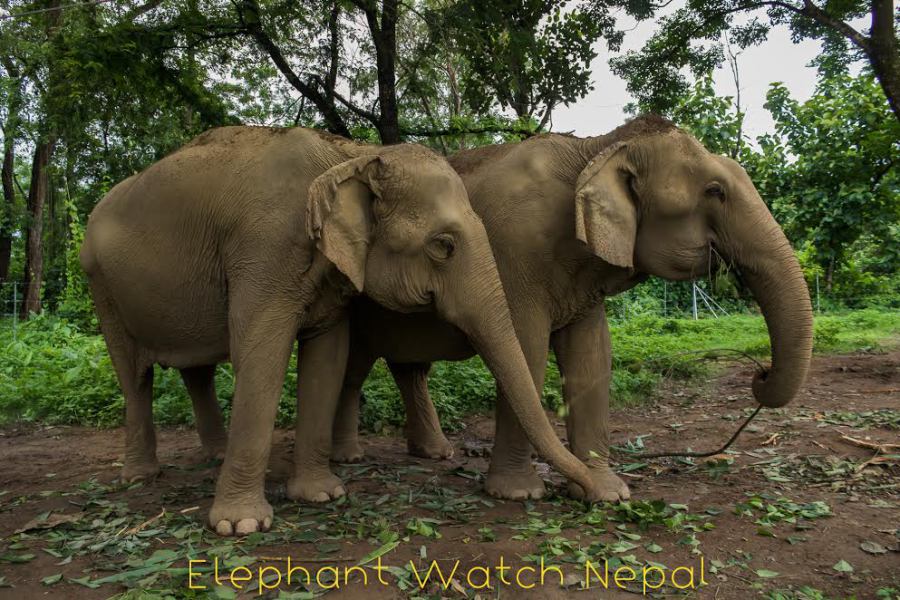
    234In a fantastic article, Elephant Watch Nepal explores the cruelty elephants endure throughout chained captivity. Elephants are more than a ride for your entertainment — they are living, breathing beings who deserve respect and compassion.

    2Last year, a video captured the moment Simsar Kali was freed from her chains — after spending 7 years shackled. The actions of Elephant Aid International in Nepal have recently been gaining the attention of media sites, such as One Green Planet.

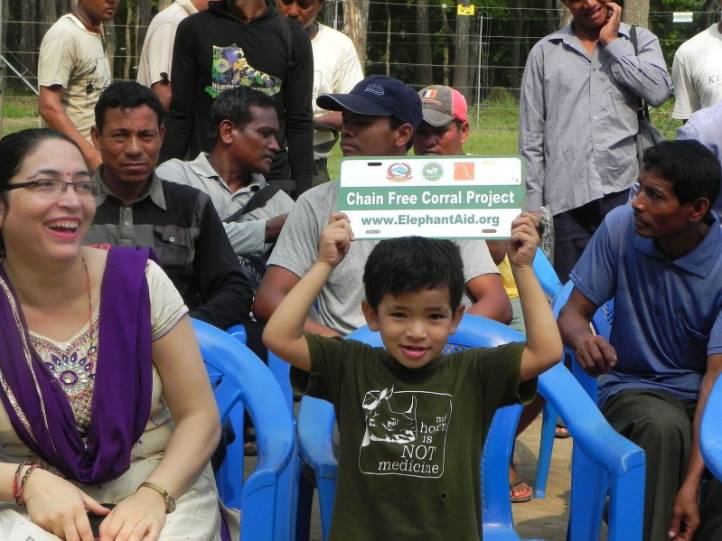
    14717311_1115814781788632_7464604301985460838_nWe cannot believe it has been nearly 2 years since we started building chain free corrals in Sauraha, Nepal. Thanks to your support, 106 elephants have benefited from our Chain Free Means Pain Free program.

    14882155_1302122219818136_8189606582067987508_o“When I look into the eyes of an animal, I do not see an animal. I see a living being. I see a friend. I feel a soul.” – Anthony Douglas Williams

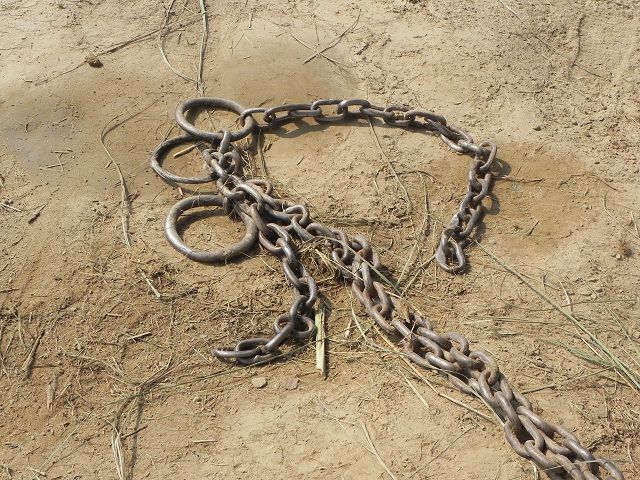
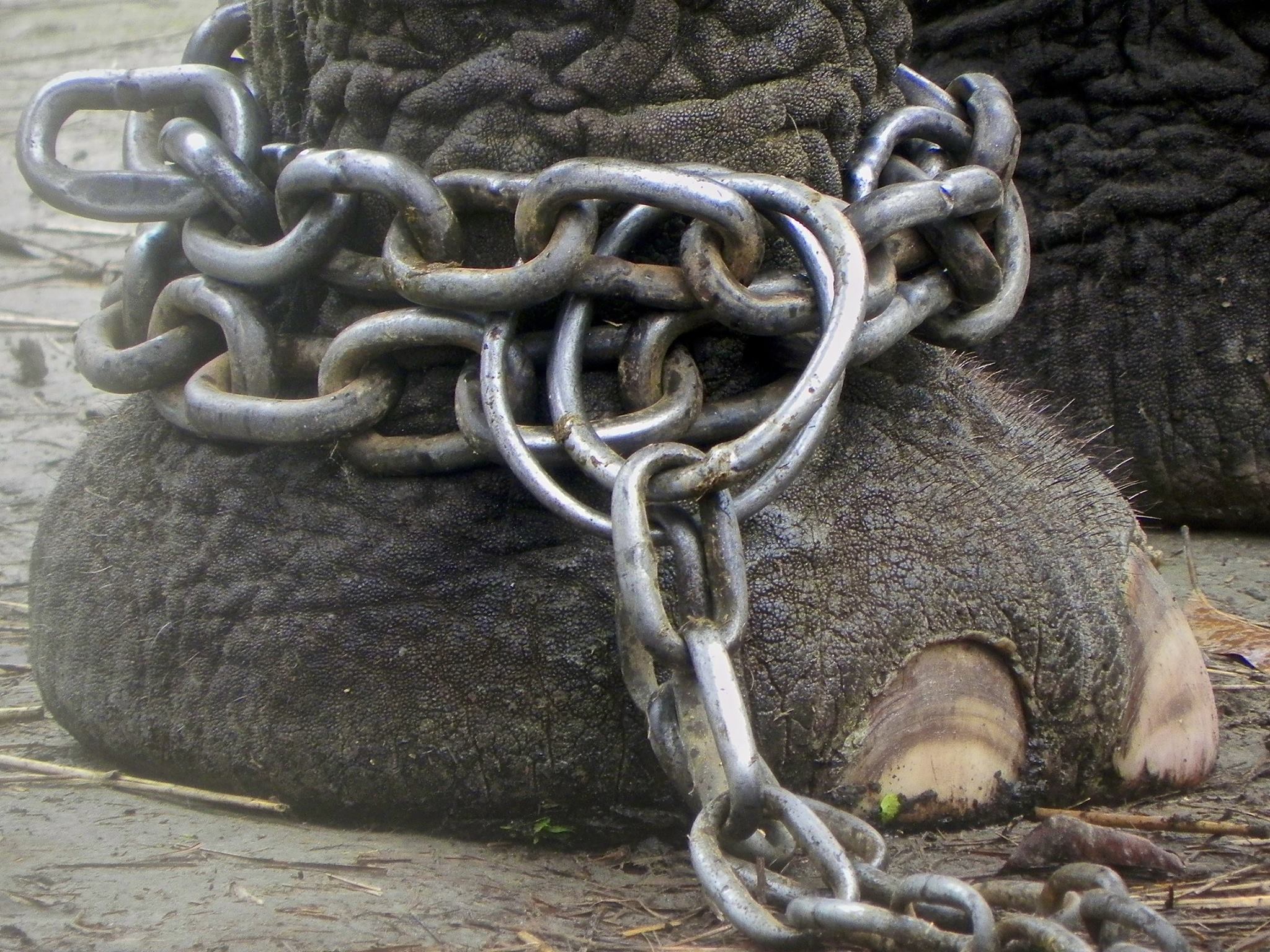
    14608833_1302174213146270_913941189433689731_oImagine spending your entire life shackled to the ground — trapped in agony by those who are supposed to care for you. Captive elephants should never be chained. They are sentient beings who deserve respect, autonomy and to be allowed to walk chain free and pain free.

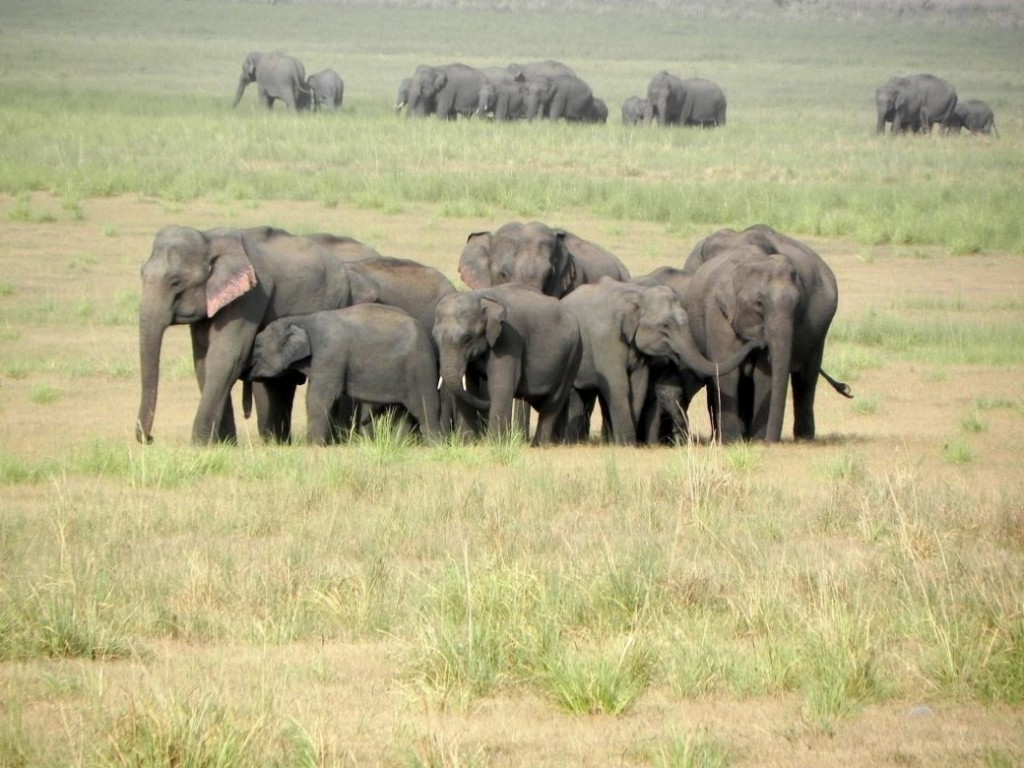
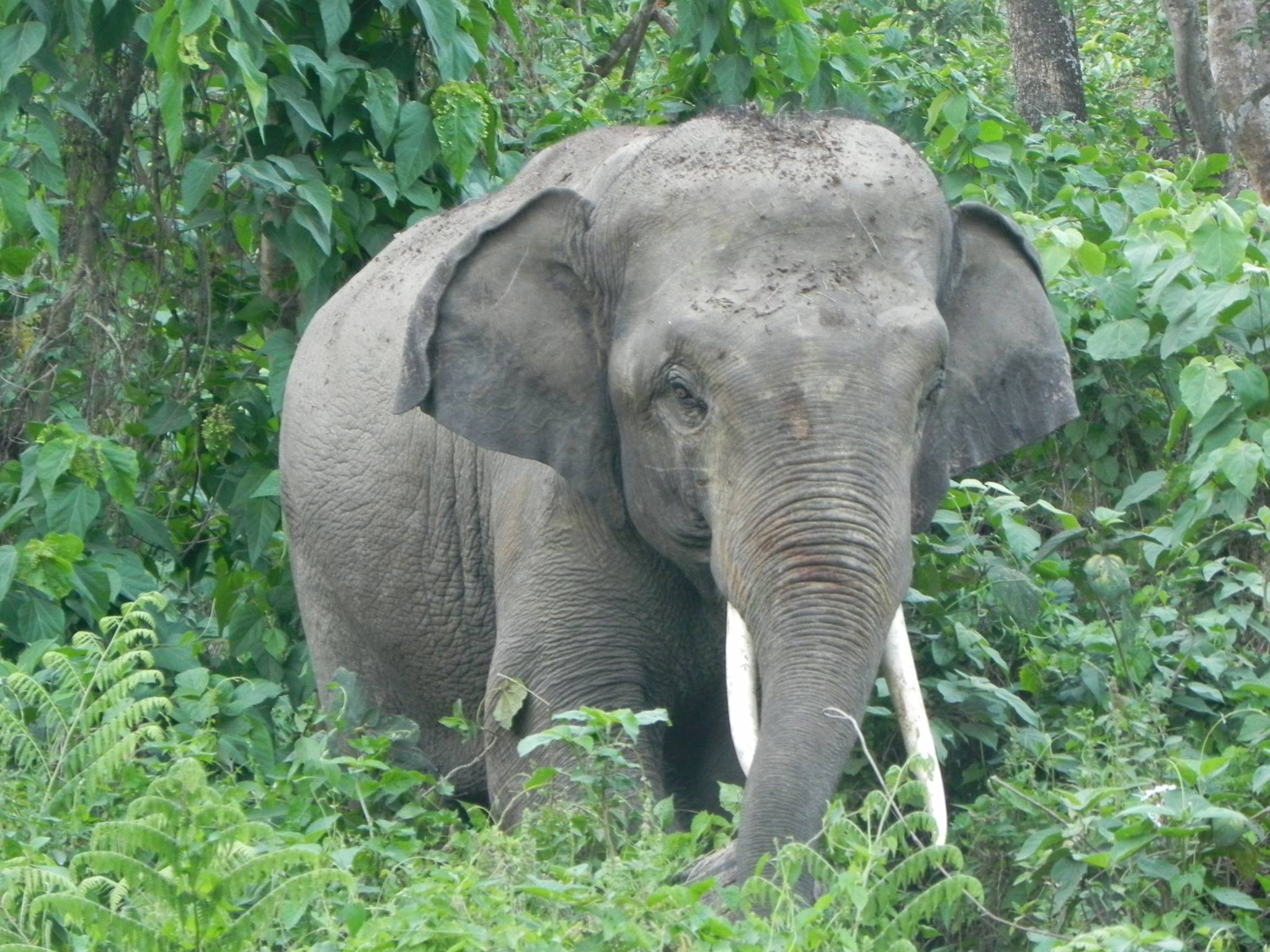
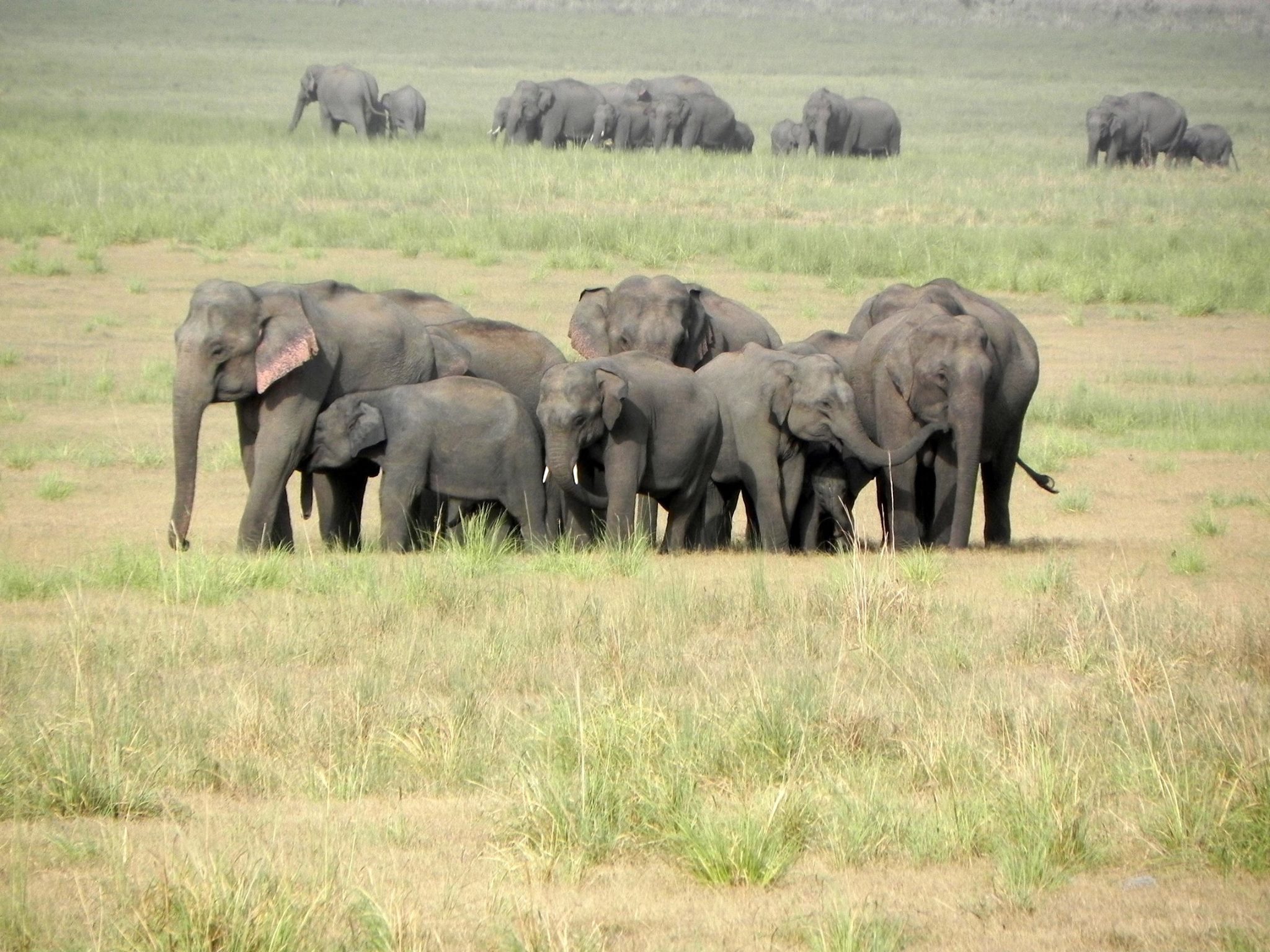
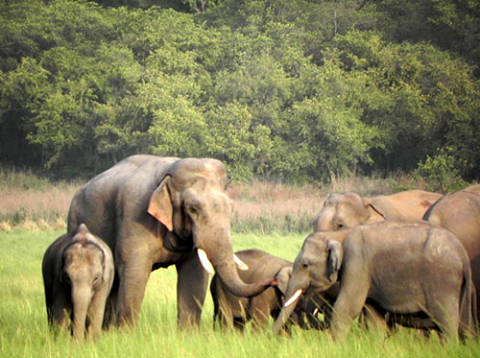
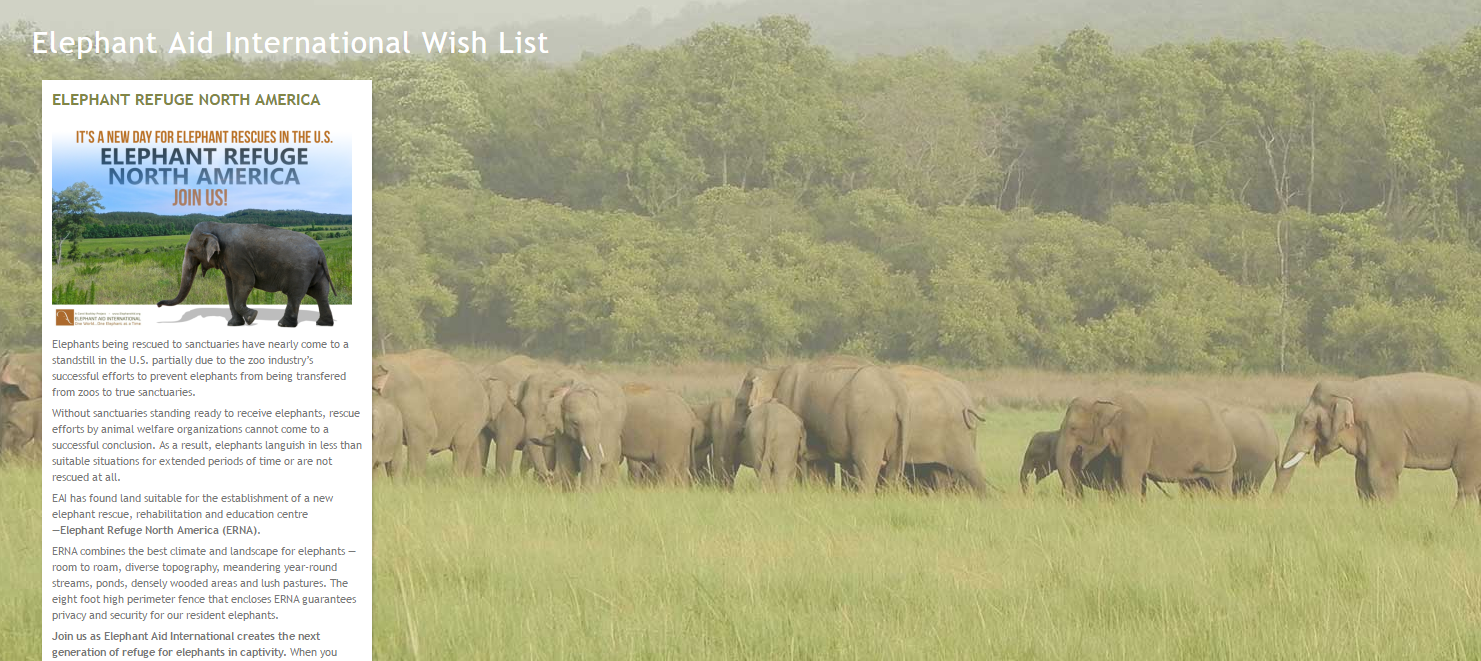
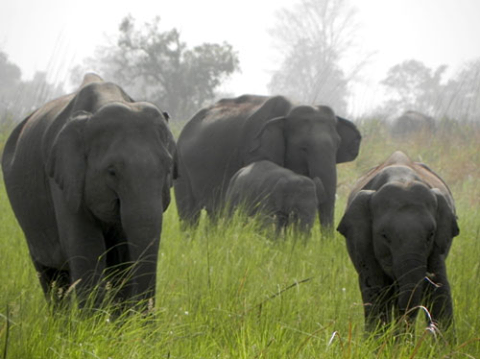
    14590068_1303170419713316_2063596753955300023_oThis breathtaking photo taken in Corbett National Park, India, captures the magnificence of a healthy herd of Asian elephants in their natural-habitat home-range.

  • TripAdvisor no longer makes money off animal suffering

    TripAdvisor no longer makes money off animal suffering

    11tripadvisor-animals-master768Making steady progress for animal welfare: TripAdvisor to Stop Selling Tickets to Many Animal Attractions.

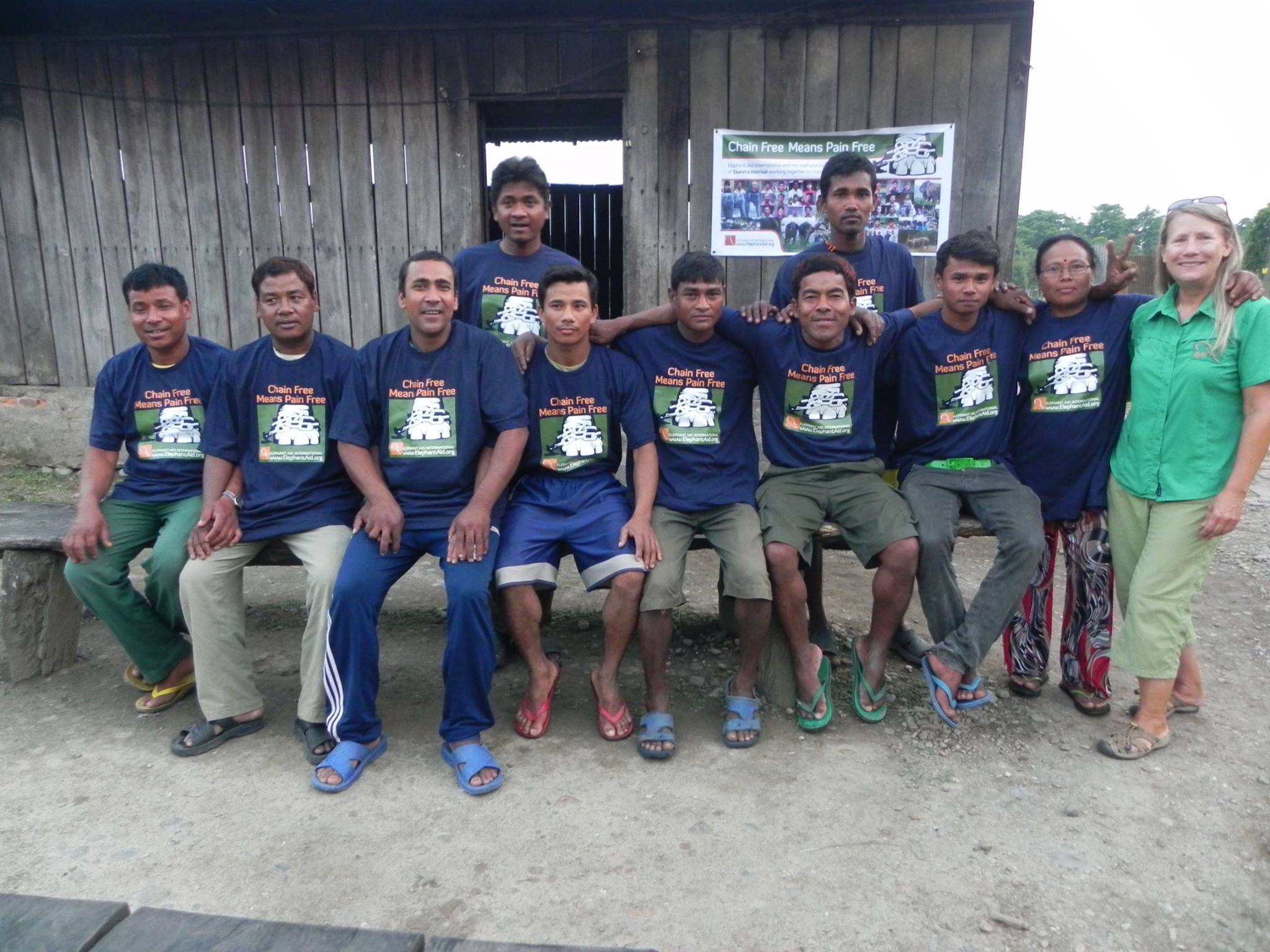
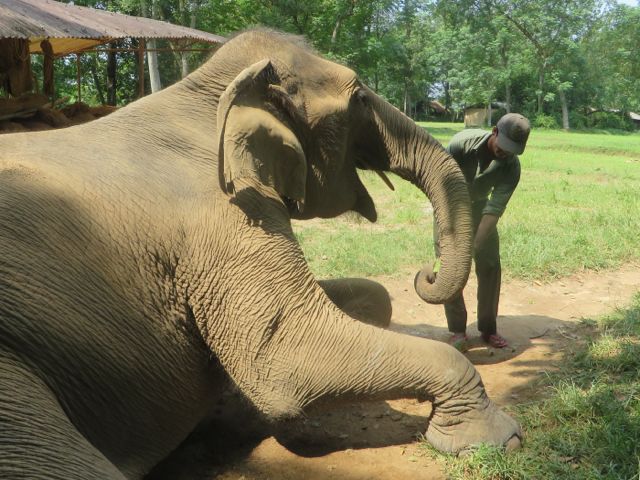
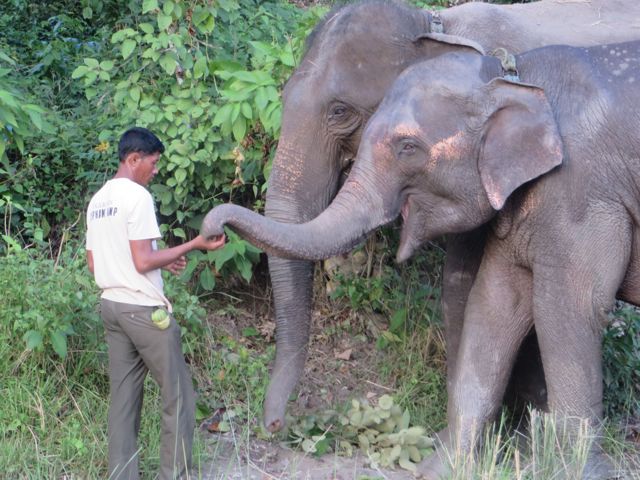
    14615856_1286567708040254_7526071632518963441_oThe progress in Nepal is driven by the mahouts’ willingness to learn how to provide better care for captive elephants.

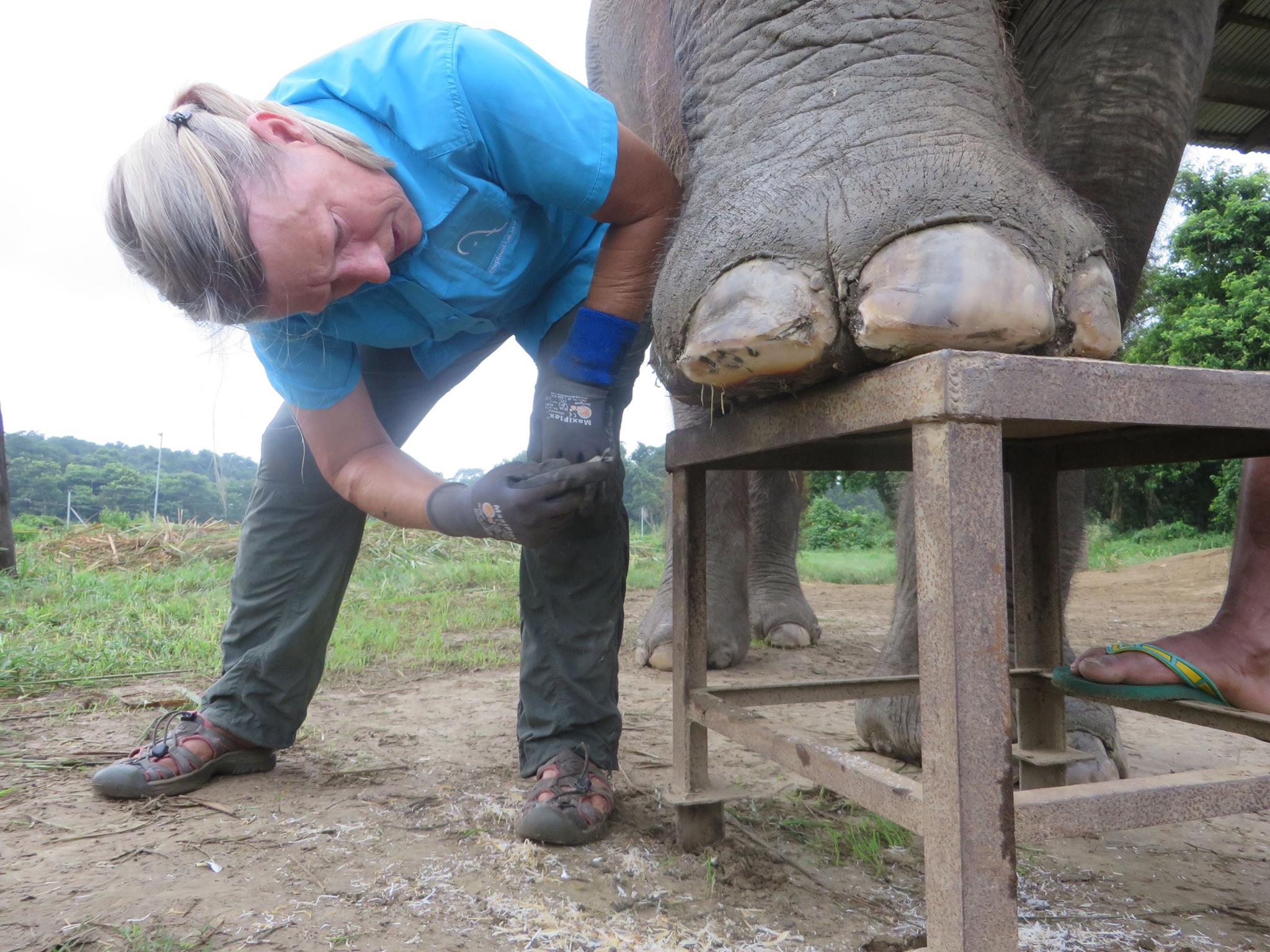
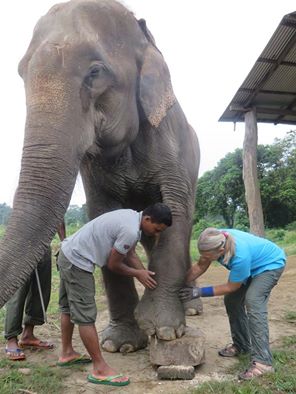
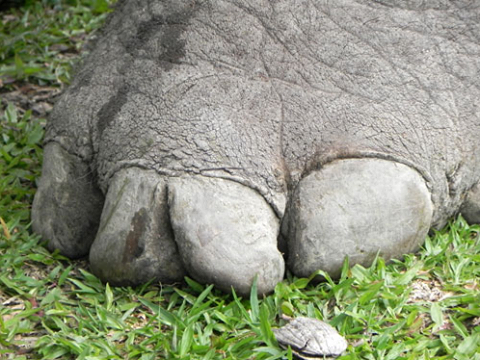
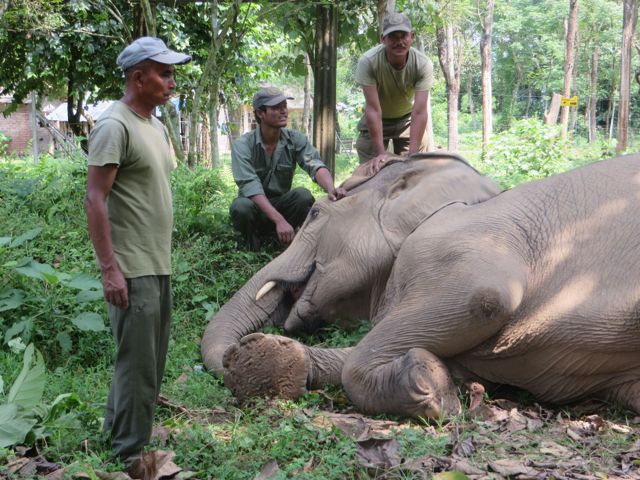
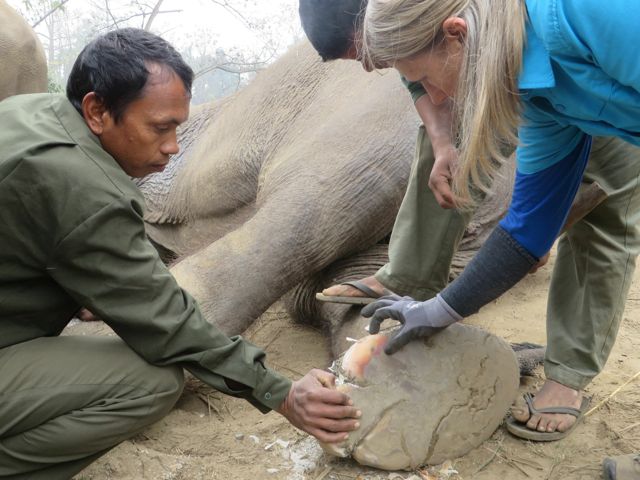
    14566427_1286789894684702_1653308219345432894_oFoot disease is epidemic among elephants living in captive environments. Captivity-induced foot diseases among these long-lived beings can lead to physical collapse and death. Proper elephant foot care is vital for elephant health.

    14650303_1287513497945675_8147598989740765811_nIf we want a future of compassion toward elephants, we must teach our children to care for all creatures.

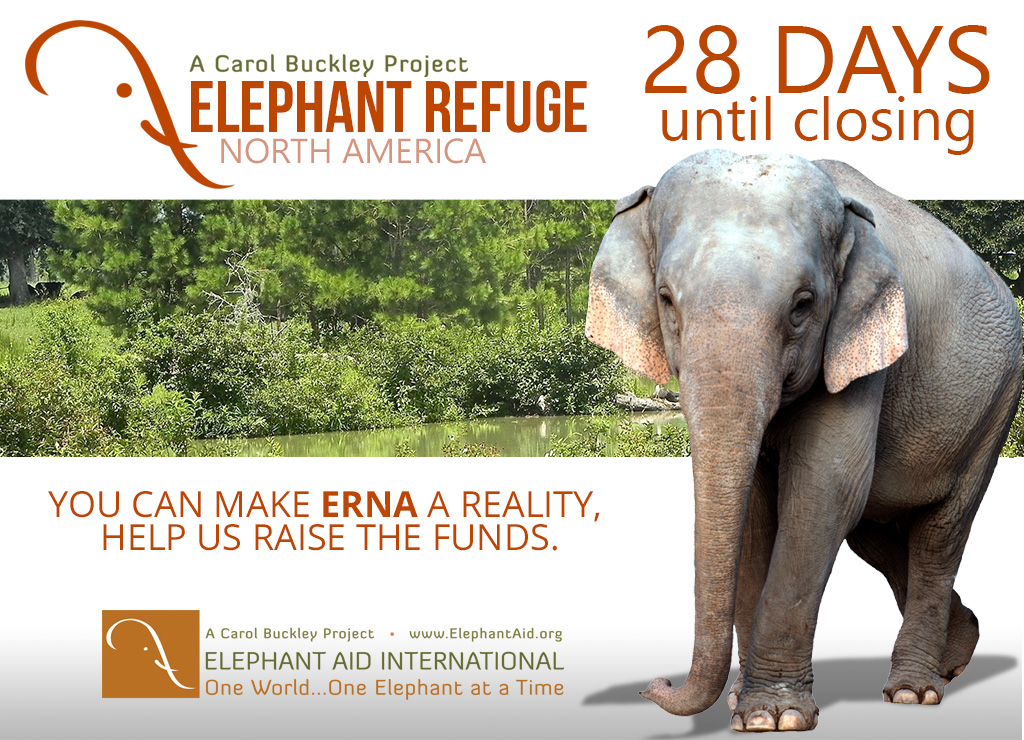
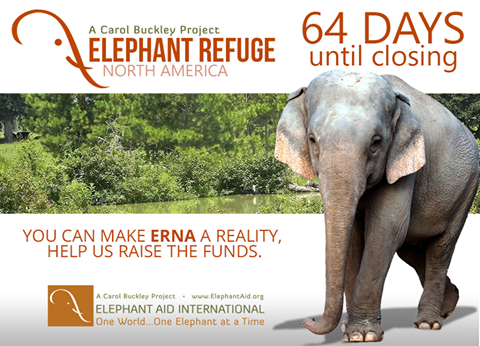
    14707902_1288403497856675_4883728828528651954_o28 DAYS UNTIL CLOSING! Only four weeks remain until the finalization of the ERNA land sale, and the elephants still need your help. Even the smallest contribution allows you to personally support the elephants in need of an environment to thrive. Donate today!

    14724476_1289593234404368_7665143081699443228_nAnother incredible picture of a sweet elephant from Nepal.

  • The Nepali Times covered the changes at Tiger Tops Elephant Camp

    The Nepali Times covered the changes at Tiger Tops Elephant Camp

    d1w5kgeThe Nepali Times covered the changes at Tiger Tops Elephant Camp in Nepal. This is the wave of the future; elephants no longer used as entertainers, but the object of wildlife observation.

    eai1Tiger Tops Elephant Camp is gaining media attention for its elephant-friendly tourism. Now, the elephants living at the resort are ride free, chain free and pain free.

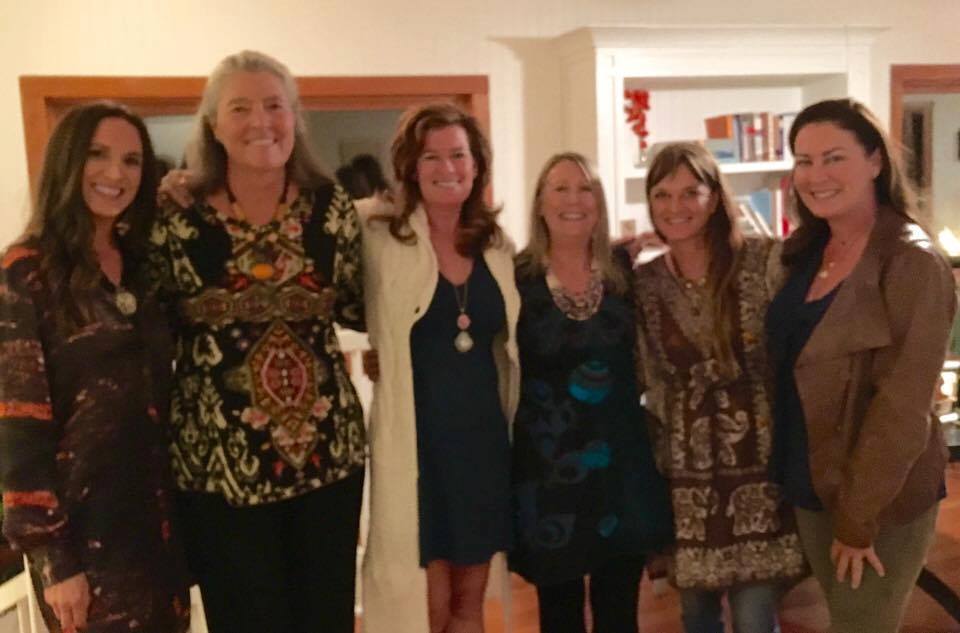
    14462994_1280461288650896_5640693018084859505_nNature Defense Foundation recently provided a significant grant towards EAI’s Elephant Refuge North America. This past Friday they hosted a “Meet and Greet” with EAI Founder Carol Buckley, for California Bay Area Foundations. The event was well attended by sincerely motivated individuals interested in elephant welfare. A huge thank you goes to all who attended and to Sarah Shaw of Nature Defense Foundation for hosting the event. If you would like to host an event for Foundations and others interested in supporting ERNA, please contact us.

    elephant-adventure-3Another great write-up for Tiger Tops Elephant Camp in Nepal, the first resort to go chain-free and discontinue using elephants for elephant back safaris. Instead they have partnered with EAI’s CEO Carol Buckley to create an elephant-friendly experience unlike any other, full of adventure and respect for elephants.

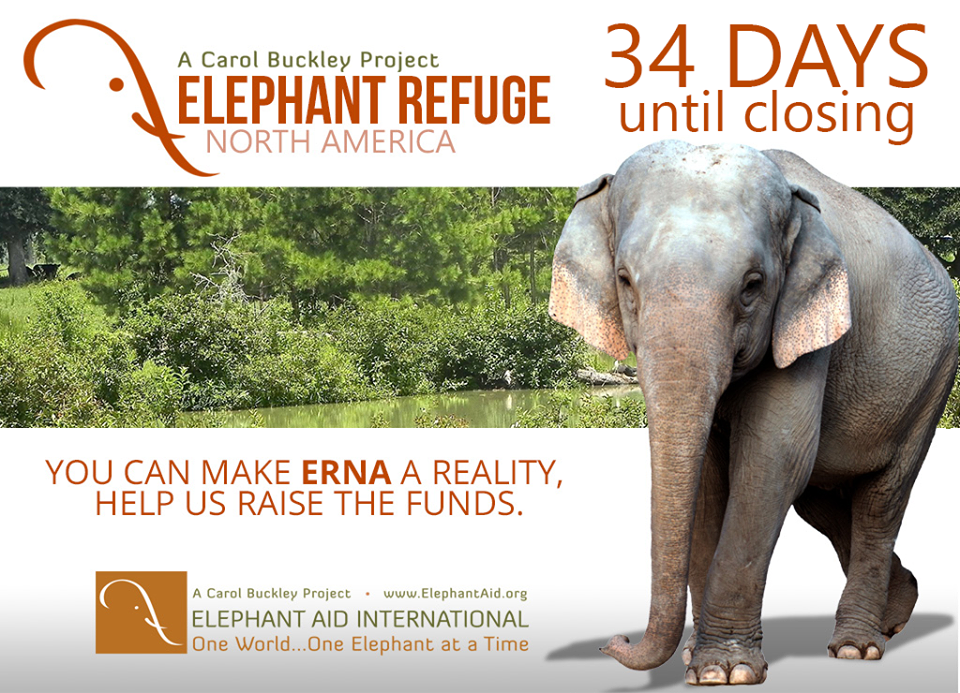
    14469581_1282843808412644_6220498687450535139_n34 DAYS UNTIL CLOSING! The sale of the ERNA land will finalize on November 9th. The elephants still need you. Donate today to help these incredible beings thrive in a beautiful environment.

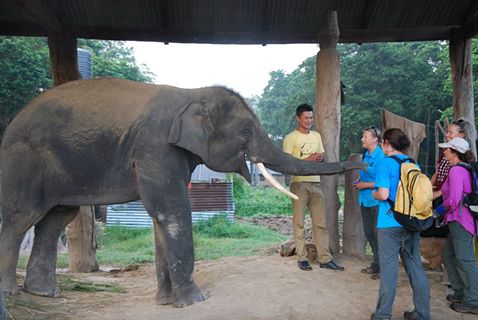
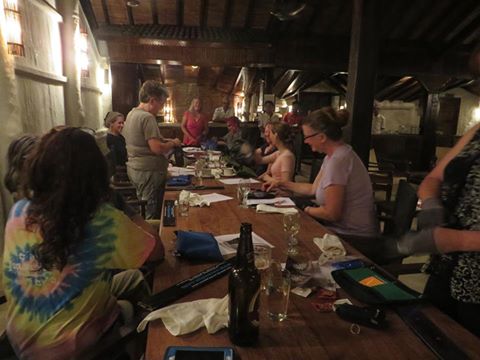
    14484765_1282483931781965_9042817408079457784_nEveryone had fun and learned a lot at Tiger Tops Elephant Camp Foot Care Workshops!

    Also:

    • The Wildlife Crime Unit in Nepal is recognized for their work to prevent wildlife trafficking.
    • Captive elephants in Asia suffer the worst foot health issues, both painful and permanent. The sweet elephant in this video suffered from such overgrown nails that her front toenail actually ripped away from her foot, causing permanent damage to the connective tissue. She is now permanently crippled by the captivity-induced injury.
  • The first workshop was a complete success!

    The first workshop was a complete success!

    eai1

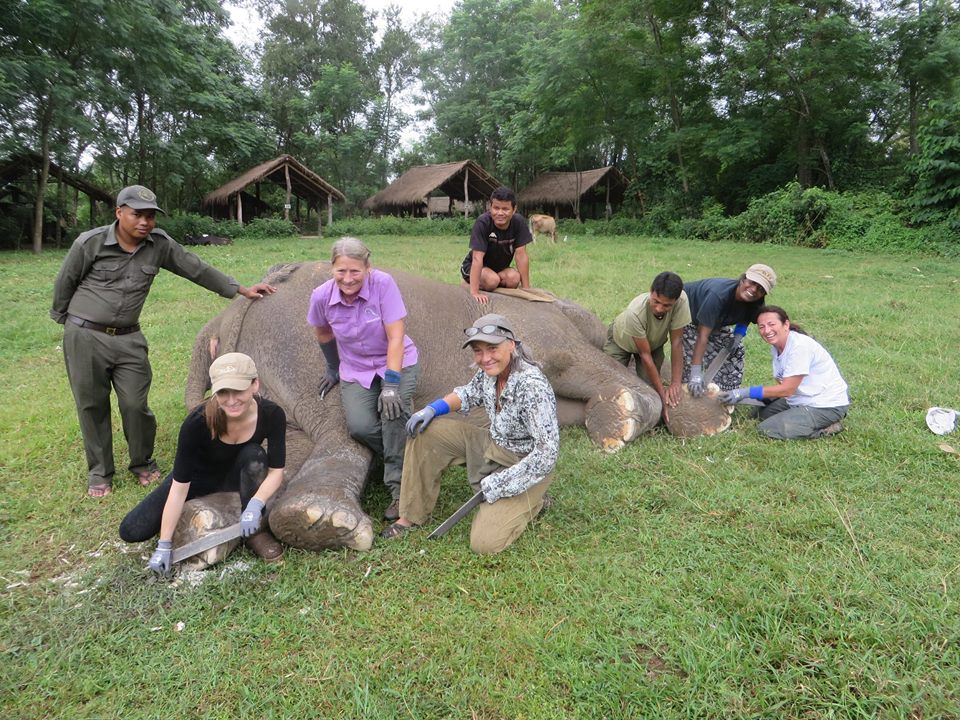
    The first workshop was a complete success, raising consciousness about the plight of captive-held elephants and training an enthusiastic group of elephant lovers in the art of foot trimming. The second workshop begins today.

    eai2
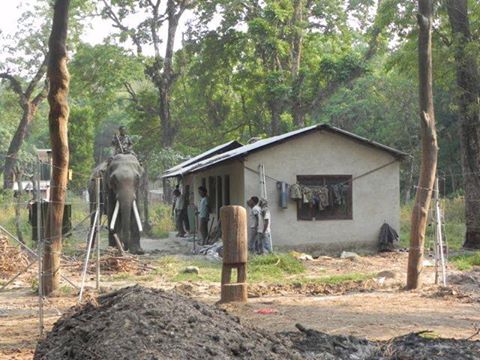
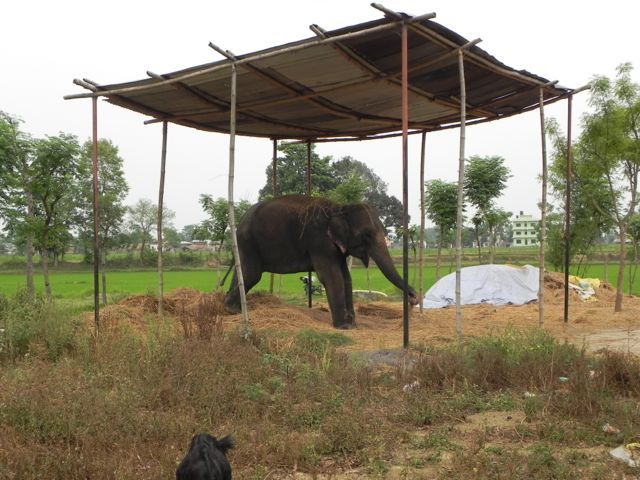
    A few days ago a surprise excursion took us to one of the remote hattisars (elephant stables) inside the Buffer Zone forest adjacent to Chitwan National Park. The group was treated to a sample of the remote chain-free corrals EAI built in 2014, one of 31 corrals built for government-owned anti-poaching patrol elephants in Chitwan National Park. Shankar Prasad is a large male who lives chain free without incident in the solar powered corral even though he could easy dismantle the fencing with his ivory which does not conduct electricity.
    eai3
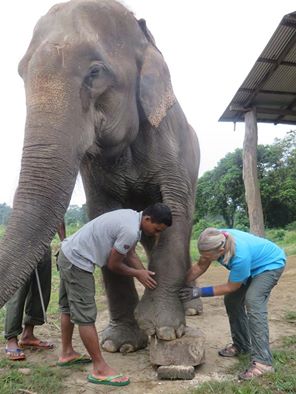
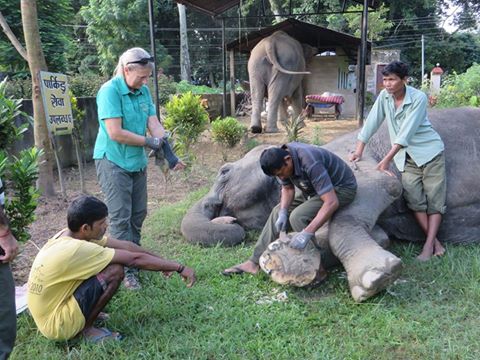
    The mahouts in all of the locations we work have exceeded our expectations. They are interested, engaged and are excited to show the progress they have made with their elephants. Sundar Mala’s new mahout shows off his skill teaching her how to put her foot up on a stump for foot trimming.
    eai5
    During his musth season a male elephant covers tens of miles daily searching out receptive females and socializing with his offspring in many different herds.
    eai6
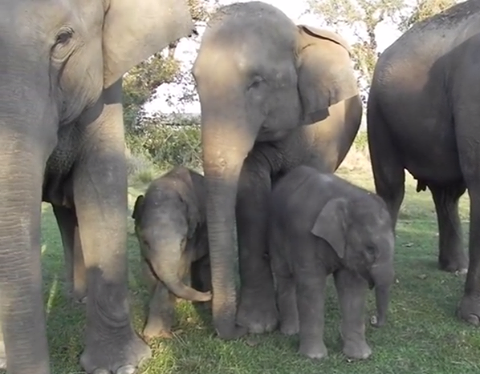
    Did You Know? Baby female elephants remain with their mother their entire life. The male calves are driven from the herd around age ten.
    eai7
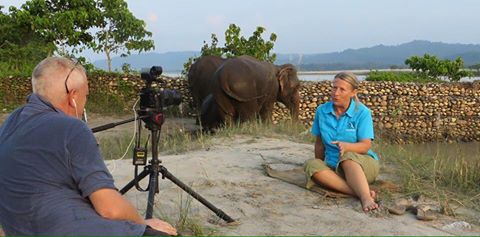
    David Clark, a filmmaker with National Geographic, is currently at Tiger Tops Elephant Camp in Nepal documenting Carol’s work.
  • Terra Mater Magazine Covers Carol’s Work in Nepal

    Terra Mater Magazine Covers Carol’s Work in Nepal

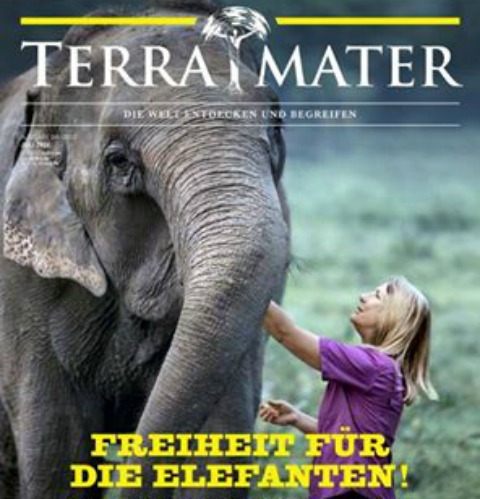
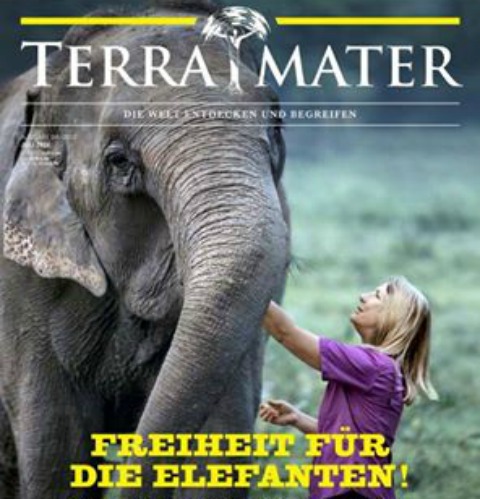
    Earlier this year, Terra Mater Magazine, Austria’s equivalent to National Geographic, sent a writer and photographer to cover Carol’s work in Nepal. Read the article in English or the original German (even if you don’t read German, you may want to look at the wonderful photos).eai1Many of the elephants used for elephant back safaris suffer from severe nail splits.

    eai2Carol and a team of volunteers began EAI’s bi-annual foot trimming in Sauraha this morning. The mahouts’ trimming skill level is measurably improved.

    eai3As of yesterday, the Elephant Refuge North America (ERNA) fundraising total is at $871,565.39. Your donations will help make this elephant paradise a reality!

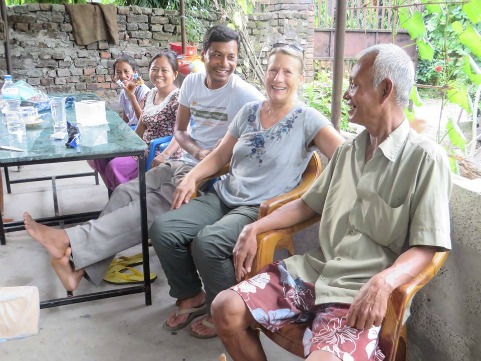
    eai4Carol visiting with her Nepali family in Sauraha. From left to right: nanu (a term of endearment for a little girl), Shanti, Raju, Carol and Paspat (who is the elephant supervisor of National Trust for Nature Conservation).

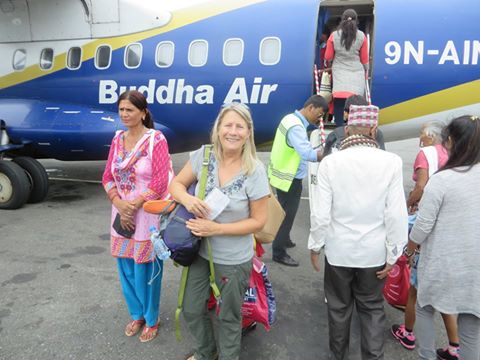
    eai5Carol boarding the plane from Kathmandu to Bharatpur on the way to foot trimming in Chitwan.

    eai-6“Nature’s great masterpiece, an elephant; the only harmless great thing.” — John Donne. But in today’s world, in response to the stress humans place on elephants in the wild and in captivity, elephants act out in ways contrary to their majestic nature.

    eaiThe Elephant Refuge North America (ERNA) land is an elephant paradise, featuring 850 acres of pastures, lakes, and forests.

    And did you know that:

    • Over the last 6 years, EAI has freed 106 captive-held elephants from chains in Nepal, Thailand and India.
    • EAI designed and built the first solar powered chain-free corral in Asia.


  • The Suffering Continues At Nepal’s Top Tourist Destination

    The Suffering Continues At Nepal’s Top Tourist Destination

    EAI‬ has been “boots on the ground” in ‪Nepal for nearly five years. Initially, much of our efforts were focused on improving welfare for the privately owned ‪elephants used for tourist rides.

    We’ve provided free pedicures and husbandry and training advice bi-annually since 2011. But today the safari elephants of ‪Chitwan suffer to the same degree as they did when we first started. As long as ‪tourists pay to ride elephants, the elephants of Nepal will continue to be exploited.

    One way for you to help is by supporting groups actively working to influence tour companies to drop elephant safaris from their tour packages. Elephant Watch Nepal is one such group.

    Old abused ele
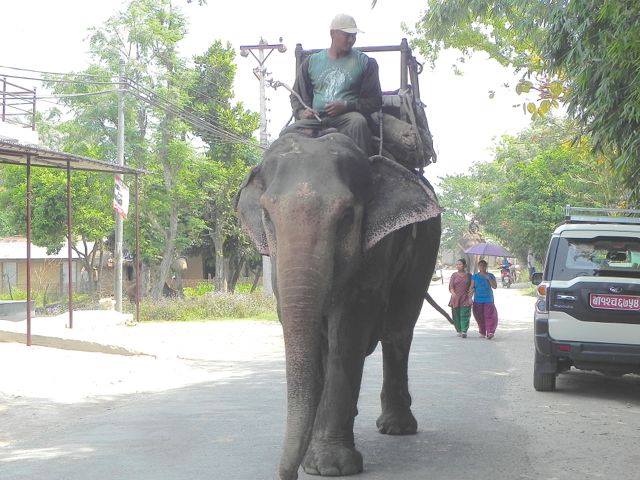
    Six months ago we found this elephant being walked along a busy highway, in the midday scorching sun, on a 30-mile walk back from a party she’d been hired for.

    Today we found her in Sauraha on her way to the tourist ride area.

    saggy dehydrated flesh
    Saggy, dehydrated flesh

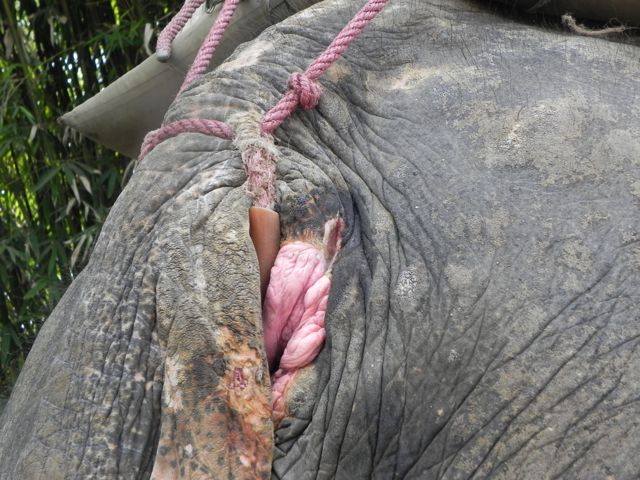
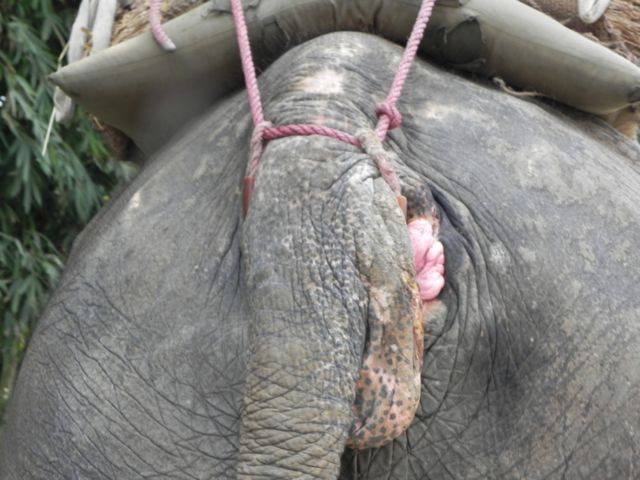
    This old elephant is blind, dehydrated, exhausted, underfed, continually beaten and suffers from deep gouges around her anus from the howdah (saddle) rope.

    Painful wounds caused by nylon ropes
    Painful wounds caused by nylon ropes used to tie the howdah (saddle) on for tourist rides
    torn anus
    Torn anus

    The owner and mahouts are aware of her injury and how to prevent and treat it. But they do nothing to ease her suffering.

  • Elephant Back Safaris: Misery for Elephants

    Elephant Back Safaris: Misery for Elephants

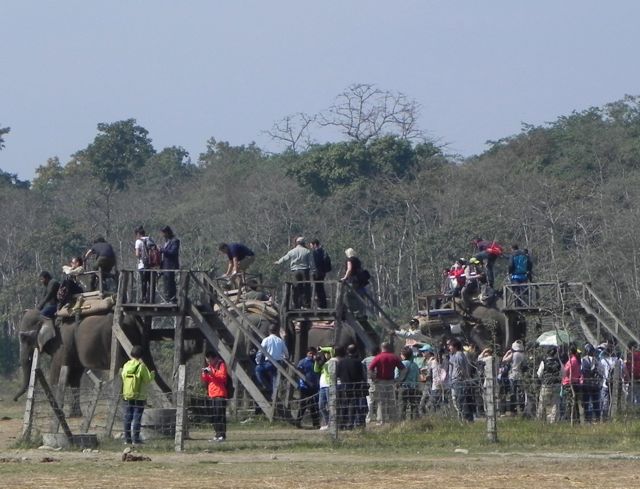
    boarding safari rides

    May 24, 2014, 8:30AM, Sauraha, Nepal.

    The temperature is already 32 degrees Celsius (about 90 degrees Fahrenheit).

    Tens of elephants are already hard at work.

    Each morning at dawn, seven days a week, elephants are saddled up in preparation for another day of carrying tourists on safaris.

    This is the routine the elephants will follow, year in and year out, until they die.

    First, they are forced to lower themselves onto their elbows to accept the saddle. This unnatural position causes pain and irreversible damage to their elbows.

    Next, a heavy canvas pad and ill-fitting howdah (saddle) are placed on their back. The pad and howdah are each so heavy, it takes two men to lift them, one at a time.

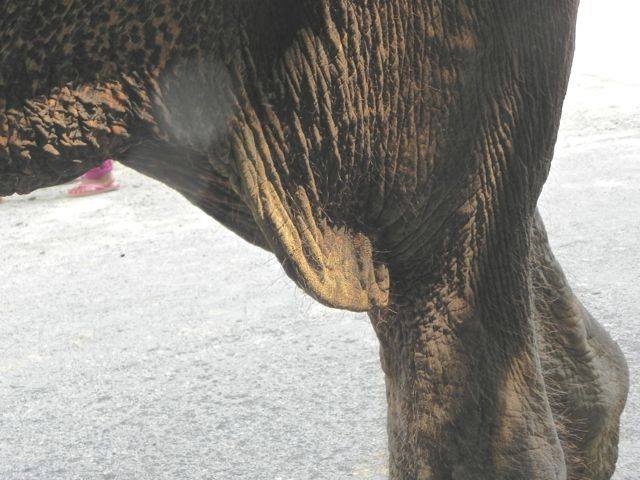
    Then, a howdah strap is cinched tightly around their chest, lacerating sensitive flesh in their armpits and cutting the tissue of their breasts.

    A second synthetic rope is tied from the back of the saddle under their tail, ripping deep gashes in the flesh around their anus.

    The life of the safari elephant

    3 eles carrying tourists

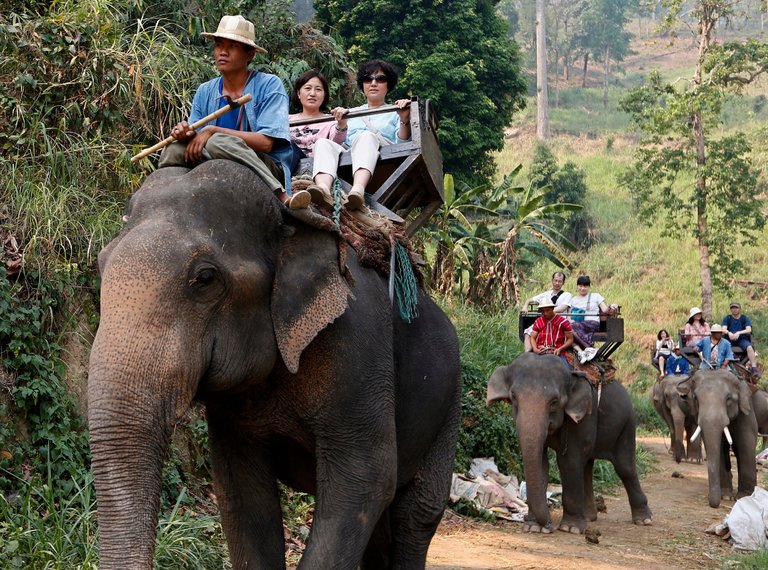
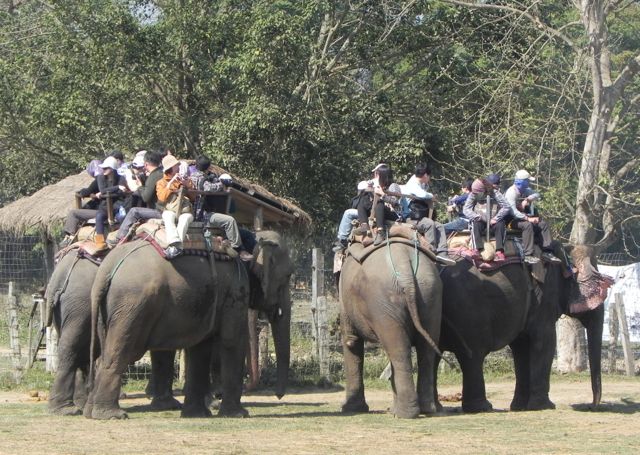
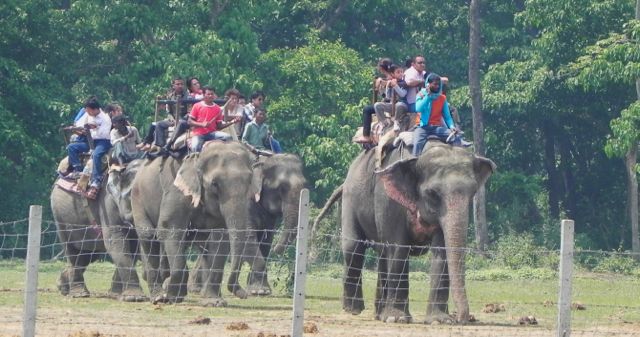
    Safari elephants spend the day carrying tourists — four to six at a time — through the jungle in sweltering heat.

    Elephants are poorly suited for this activity. The pad and howdah cause huge blisters that fester into deep abscesses that can take months to heal.

    According to a study published in the Journal of Experimental Biology, four hours of exercise in the sun causes overheating and can be fatal. Laboring in direct sunlight, carrying too much weight – pad, saddle and tourists — elephants quickly become overheated.

    What does it take to force an elephant to work under such conditions?

    Brutality.

    Mahouts hit the elephants over the head with heavy sticks, metal knives and axes. The wounds remain infected for weeks.

    Bright white scarring can be observed across the forehead of virtually every working elephant in Nepal. The abuse is systematic, accepted by elephant owners, locals and the tourists.

    The images haunt me.

    I can’t help but wonder: Is this the memory of Nepal tourists want to take home with them? And what will it take for them to see the abuse?


  • Elephant abuse in Nepal: Are the mahouts really to blame?

    Elephant abuse in Nepal: Are the mahouts really to blame?

    private owner NepalIt’s easy to look at an elephant shackled by both front feet to the ground, with open wounds, and blame the mahout.

    But I challenge you to learn the facts.

    Elephants belong to hotel owners

    In Chitwan, Nepal, mahouts do not own elephants. Elephants are the private property of hotel owners, who use them to augment their income by offering elephant back safaris to overnight guests and daytrippers coming to Chitwan in search of fun and adventure.

    tourist safariElephant back safaris not only provide a bountiful financial benefit for the owner, they are actually the life’s blood of Chitwan.

    In Sauraha, Chitwan’s tourist destination, every shopkeeper, restaurant owner, hotel, bar, service provider, wilderness guide, money changer, street vendor and orphanage owe their survival to these elephants. Many falsely claim that without elephant safaris, this tourist destination would cease to exist.

    Grueling work schedule

    All day long, 24/7, mahouts and elephants give safari rides in the community forest.

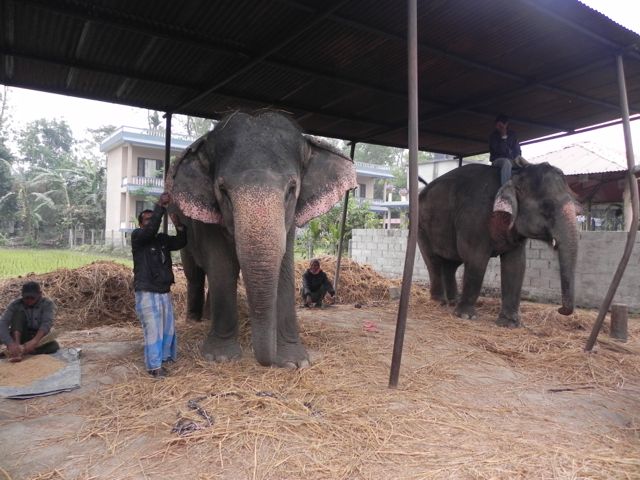
    private owner stableMahouts train, feed and ready the elephants for the rides. It is a grueling job for both.  Up at 4:30am, the pair sets out on the long trek to the safari loading area as the rising sun lights up the morning sky.

    During what is supposed to be a one-hour lunch and rest period, the elephants instead are taken to a riverfront area where tourists mount them to have their photo taken.

    Walking back and forth to the safari ride area, tourist bathing area and home stable, while carrying hundreds of pounds of tourists for hours at a time, takes its toll on elephant and mahout alike.

    At dusk, and even into the dark of night, elephants can be seen silhouetted against the sky trudging down the paved roads of Chitwan toward their home stable.

    Mahouts: Overworked, underpaid and devalued

    img_8199-2
    Elephant owners know nothing about elephants and rely on the mahouts to keep the elephants alive and working without killing tourists. This is a heavy burden to put on overworked, underpaid and devalued employees.

    When mahouts “ask for more,” be it food for themselves or the elephants, they are chastised. Many owners view the mahouts as stupid, uneducated and unmotivated and blame them for the elephant’s unsanitary living conditions and poor health.

    3 mahouts & ele

    Yet mahouts are not provided even the most basic supplies to ensure the health and wellbeing of the elephants in their care. Owners fail to supply nutritious food but blame the mahouts for the elephant’s poor health. Stables are rancid cesspools because no provision is made for waste disposal. Many stables don’t even have a source of fresh water. For this, the mahout is unjustly blamed.

    A marginalized community

    img_8462
    The truth is that the mahouts are a marginalized community. The custom of treating them as poorly as the elephants is woven into the fabric of society and their living conditions are a mirror image of those of the elephants.

    Mahouts learn their trade on the job, from senior mahouts. Their lot in life dictates they do as they are told without question. They hit the elephants because they are taught they must in order to ensure the elephant does not kill them.

    Still, this does not excuse how the mahouts mistreat the elephants.

    Abuse can be eliminated

    Through education and culture shifting, elephant abuse can be eliminated.

    Demonizing either owners or mahouts is not the solution.

    The first step is understanding why the situation exists and accepting the challenge to help move culture forward.

    Owners must be held responsible and mahouts and tourists must be educated.

    This will result in improved welfare for the elephants in Chitwan.

    How we can help

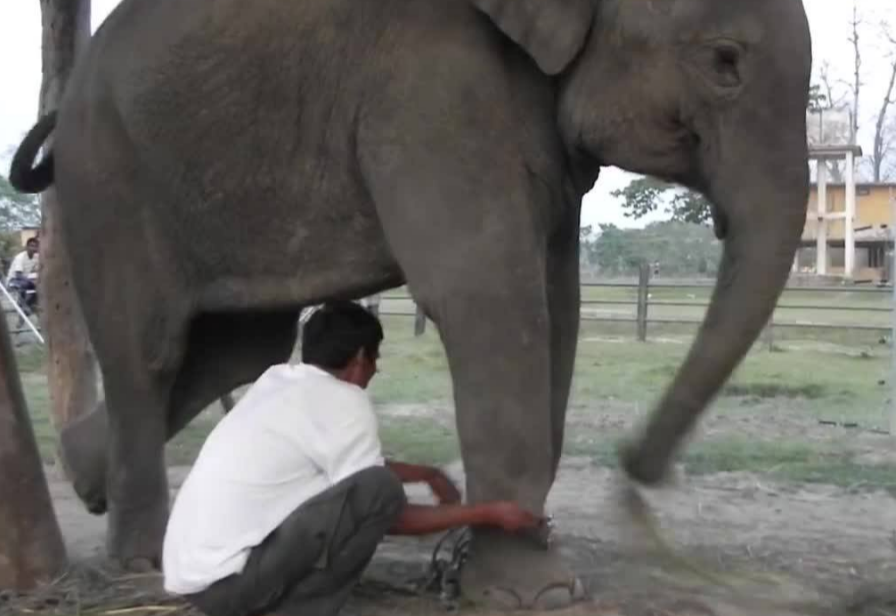
    carol-indicating-how-much-on-ele-foot-with-2-mahouts_medDeveloping sustainable assistance programs is essential. Live demonstrations, educational resources such as videos and manuals, translators and hands-on assistance are needed to improve mahout knowledge and understanding of new approaches to elephant care.

    This is Elephant Aid International’s mission. By providing bi-annual foot trimming; training mahouts and vet techs in the skill of foot trimming; teaching positive reinforcement training philosophy and techniques; and constructing chain-free corrals, we are laying the foundation for positive change.

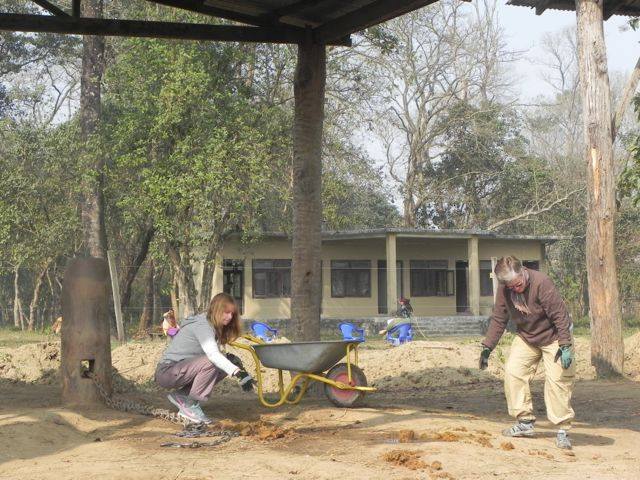
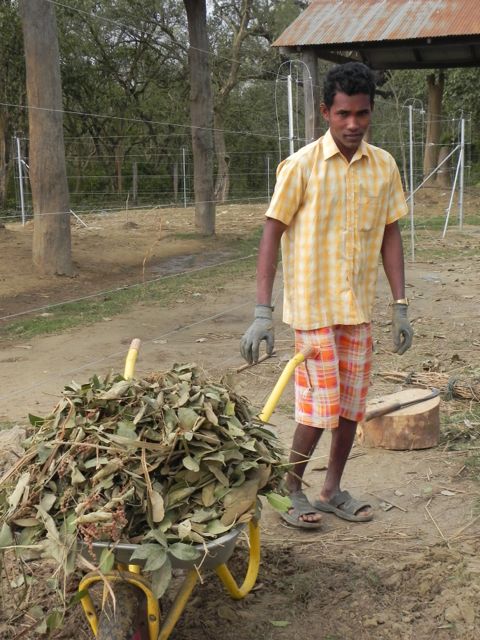
    mahout & wheelbarrow
    EAI doesn’t blame the mahouts. We give them the tools necessary to take better care of their elephants.

  • a shared moment of silence in his honor

    I read a very disturbing story about an elephant who was stabbed to death in Vietnam. The photos are so gruesome I cannot post them. This 38-year-old tusker spent his life in captivity entertaining tourists. He was attacked twice last year and it took months to nurse him back to health. This time, the hairs on his tail cost him his life.

    I usually do not post such deeply disturbing stories but I feel a responsibility to this elephant to not let his suffering be in vain. The degree to which humans can harm another being is something I simply cannot comprehend. This elephant was held in captivity to feed tourism, the key component in the abuse and suffering of captive elephants. As long as tourists participate in elephant safaris, shows, rides, photo ops, feeding and petting, elephants will continue to be abused and killed.

    While I was in Nepal this past March/April providing foot care, Dr. Griry, the head government veterinarian, trimmed the tail hairs from elephants to ensure they would not be attacked. I was horrified by stories about attackers in Nepal hacking off the end of an elephant tail to collect the hairs.

    Last update 24/04/2011 04:51:00 PM (GMT+7)

    Da Lat: Elephant stabbed to death

    VietNamNet Bridge – A 38 year old male elephant, named Beckham, was killed in the Tuyen Lam Lake Tourism Area in the resort city of Da Lat on April 24.
    The elephant was found dead near Tuyen Lam forest with two cuts on his two hind legs. It is said that the elephant died because of losing blood from the two cuts. Its ivory and tail however were not removed.
    Phan Thi Hoa, director of the Nam Qua Ecological Tourism Co., Ltd, which owns the elephant, said that the elephant was still healthy on April 23. Its corpse was detected by elephant keepers on the morning of April 24, around 1km from the Tuyen Lam tourist site.

    The elephant was raised by Nam Qua Company to serve tourists in the Tuyen Lam tourist site.

    Before the lunar New Year, this elephant was attacked twice and injured seriously, but fortunately survived the elephant tusk and tail hair hunters.

    “We had to hire a veterinary doctor to take care of him for weeks. It had just recovered four months before it was killed,” said Hoa.

    In August 2010, some elephants in Da Lat’s tourist sites were attacked to take tail hairs. It is said that elephant tail hairs are “sacred objects”, so elephants are often attacked.

    Ninh Phan

    Last update 26/04/2011 03:49:49 PM (GMT+7)

    Da Lat’s elephant corpse is burned

    VietNamNet Bridge – The corpse of the elephant which was killed in the Central Highland city of Da Lat several days ago was burned on April 25, under the witness of local forest protection agency and relevant agencies.

    Ten young staff members at the Tuyen Lam tourist site were mobilized to burn the dead elephant. The task was estimated to take place in one day.

    The entire elephant corpse, including tale and ivory, was burnt by petrol and wood.

    The tourist site’s manager, Anh Vu, said that the elephant, named after British football star Beckham, was dead for one day, but the smell was very bad, so it must be burned urgently.

    Beckham had been bred at the tourist site for a long time and it was the most beautiful elephant in Da Lat. The elephant had both tusks and tail, while other elephants in Da Lat have lost these parts. Beckham was very obedient, gentle and friendly.

    The elephant was around 4 tons, 38 years old. It was bought from the Dak Lak province in 2000, at the price of VND700 million (around US$40,000). Its job was serving tourists at the Tuyen Lam tourist site.

    Beckham was found dead in the forest around 3km from the Tuyen Lam tourist site on April 24, next to pools of blood. The elephant was stabbed and its hind leg tendons were cut off. However, its tusks and tail were not chopped. An axe was found near the elephant corpse.

    Last year the elephant was attacked twice, suffering 38 wounds, and it took him several months to treat the wounds.

    Local police are investigating the case. Some elephant keepers said that the murderer might be familiar to the elephant.

    According to the Da Lat Forest Protection Bureau, there are five elephants at tourist sites in Da Lat now.

    The Central Highland province of Dak Lak currently has the highest number of tamed elephants in Vietnam. In the 1980s, the province had more than 500 elephants, but the current number is only 54.