Tag: zoo elephants

  • Mundi’s Move

    Mundi’s Move

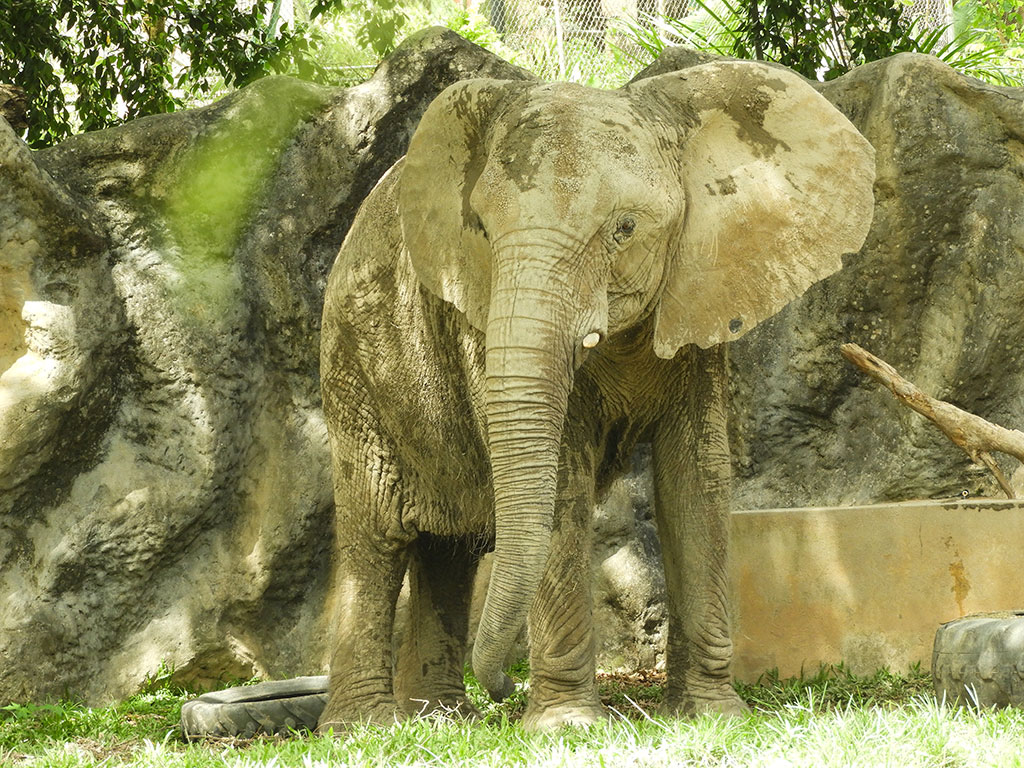
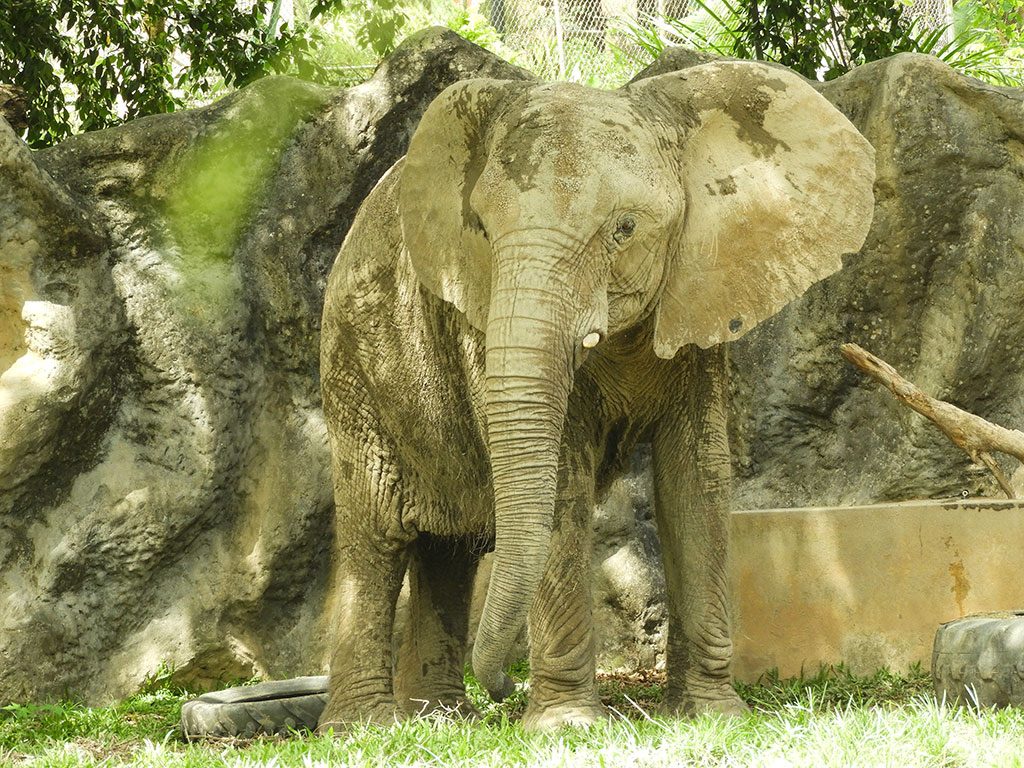
    Mundi the elephant

    Immediately following EAI’s public announcement that Mundi would be moved to Elephant Refuge North America (ERNA) mid-March, EAI received an email from Puerto Rico’s Department of Natural Resources (DNR) cancelling the contract for the move. The email cited no violations of the contract, but stated that DNR is considering other facilities for Mundi.

    EAI has adhered to all the terms of the contract, which has been in effect for 18 months, so the purported cancellation came as a complete surprise.

    EAI CEO Carol Buckley immediately began trying to get more information but received no response from Puerto Rico officials.

    Since then:

    • DNR Secretary Tania Vázquez contacted Carol to apologize for her lack of communication since assuming authority over Mundi weeks prior. She informed Carol that she would be visiting prospective locations for Mundi’s placement, including ERNA and The Elephant Sanctuary in Tennessee (TES).
    • Secretary Vázquez offered no explanation for duplicating the thorough research conducted more than 18 months earlier by a committee assigned by the governor and first lady. She did, however, disclose that TES was hosting her visit.
    • Secretary Vázquez visited ERNA on January 15 for three hours, then traveled to TES.
    • EAI was advised that since it was in full compliance with all terms of the contract, the cancellation was invalid. EAI then hired attorney Neysa Gonzales of the Jorge R. Jimenez Law Office in Puerto Rico, who also questioned the validity of the cancellation.
    • Gonzales tried to arrange meetings with all parties to the contract but received only one response, from the Department of Sports, the original signatory of the contract. The department stated that since authority over Mundi had recently been transferred to DNR, it was no longer involved.
    • Gonzales also informed TES about EAI’s contract with the government of Puerto Rico but received no response.
    • After continued silence from the DNS secretary, EAI filed a petition for injunction for a legal solution.
    • On Wednesday, February 20, EAI CEO Carol Buckley and EAI Secretary/Treasurer Leslie Pon Tell-Schreiber traveled to Puerto Rico to appear in court. They sought immediate relief and a decision on whether the contract cancellation is legal.
    • Late on the day before the hearing, the defense filed a motion for dismissal, stating that the case should be heard in civil court, where the proceedings could drag on for years. EAI asserts that the contract should be enforced and Mundi moved as soon as possible.

    On March 1, 2019, the judge determined that the plaintiff (EAI) could not prove that there is irreparable damage. This means the judge will not hear the case in her court and that the case would need to be heard in civil court.

    We will continue to report updates on this page.

    Contract Milestones

    On August 30, 2017: In compliance with Puerto Rico Law 154 the Governor Hon. Richard Rossello Nevares, in a written document, ordered the transfer of Mundi the elephant to Elephant Refuge North America. Read the document.

    On May 23, 2018, the Department of Recreation and Sports, represented by its Secretary, Hon. Adriana G. Sanchez Parés, signed a formal Transfer Contract with Elephant Aid International for the female African elephant known as “Mundi” of the Dr. Juan A. Rivero Zoo. The Contract signed by the parties was valid until December 31, 2020. Read the original contract in Spanish. Read a translated copy of the contract in English.

    November 2018: EAI announced on their Facebook page that Mundi would be moved from Puerto Rico to Elephant Refuge North America mid-March 2019.

    December 2018: Authority over Mundi the elephant was transferred from the Department of Recreation and Sports of the Government of Puerto Rico to the Department of Natural Resources.

    On December 28, 2018, the Secretary of the Department of Natural Resources of the Government of Puerto Rico, Tania Vázquez Rivera, submitted a written communication to EAI. The letter argued that because the EAI sanctuary was not ready to receive the elephant immediately in order to preserve its life the Agreement was rescinded. Read the letter.

  • Two Great Ways to Support ERNA!

    Two Great Ways to Support ERNA!

    CoCre homepage imageTwo terrific fundraising sites are supporting the Elephant Refuge North America (ERNA) fundraising campaign.

    The Animal Rescue site is offering an opportunity to support ERNA and have your donation doubled! For a limited time, a generous donor will match your $8 donation, which will pay for two feet fencing, up to $15,000! Don’t wait – donate today!

    The CoCre website is a storytelling platform to raise awareness and resources for good causes and organizations. The site has launched a fundraising campaign to support ERNA.

  • In Memory of Hanako

    In Memory of Hanako

    When I met Hanako less than two months ago, it was obvious to me that she was nearing the end of her life.

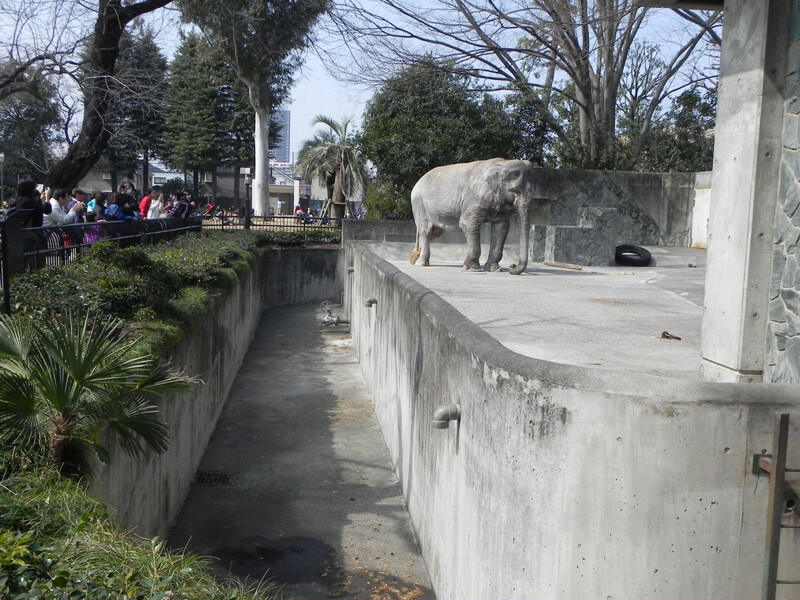
    Hanako had spent close to seven decades in one of the most deprived environments I’ve seen.

    Every surface in her barn and yard was covered with unyielding, moisture-robbing, highly abrasive concrete. There was not a blade of grass, a tree or a patch of dirt anywhere in the small space.

    While at the zoo I learned that Hanako had recently stopped lying down to sleep. Instead of spending several hours each night on her side sleeping, she spent a lesser amount of time leaning against the barn wall, dozing.

    After studying her records it was clear that Hanako’s appetite and drinking habits had also changed. The times when she would refuse to eat grew more and more frequent.

    Hanako also refused to use her outside pool or allow her keepers to bathe her. As result her skin was dehydrated and her legs were stained with urine.

    The staff could not account for these changes in Hanako’s behavior. But such changes are to be expected of an elephant of Hanako’s age.

    It was heartbreaking to observe that her eyesight was failing, she shivered continually and she was physically inactive.

    Each morning, until at least a month before her death, Hanako would walk the few feet from the barn to the outside concrete yard. There she would stand and engage in stereotypical behavior for hours before taking the few labored steps back inside her barn at the end of the day.

    My first afternoon at the zoo I witnessed a change in Hanako’s behavior. Without any obvious provocation she seemed to startle from her catatonic state and began moving around her small yard.

    Then the barn door opened and she became vocal and animated. She approached the door, placed her foot in the track and engaged in the most bizarre stereotypic routine I’d ever seen.  She pushed her toe into the track, pulled back as if her foot was caught in it, removed her foot and then repeated the sequence twelve times. Keepers later told me she did this stereotypical sequence every time before she entered the barn. Not always twelve times—sometimes more, sometimes less.

    After completing her stereotypic ritual, Hanako rushed into the barn, moving with an uncharacteristic urgency as if someone was trying to keep her from entering. Her eyes lit up and she became very vocal.

    I assumed she was excited about the pile of fresh vegetables and grass on the floor. But it was not the food. It was her keepers she was focused on.

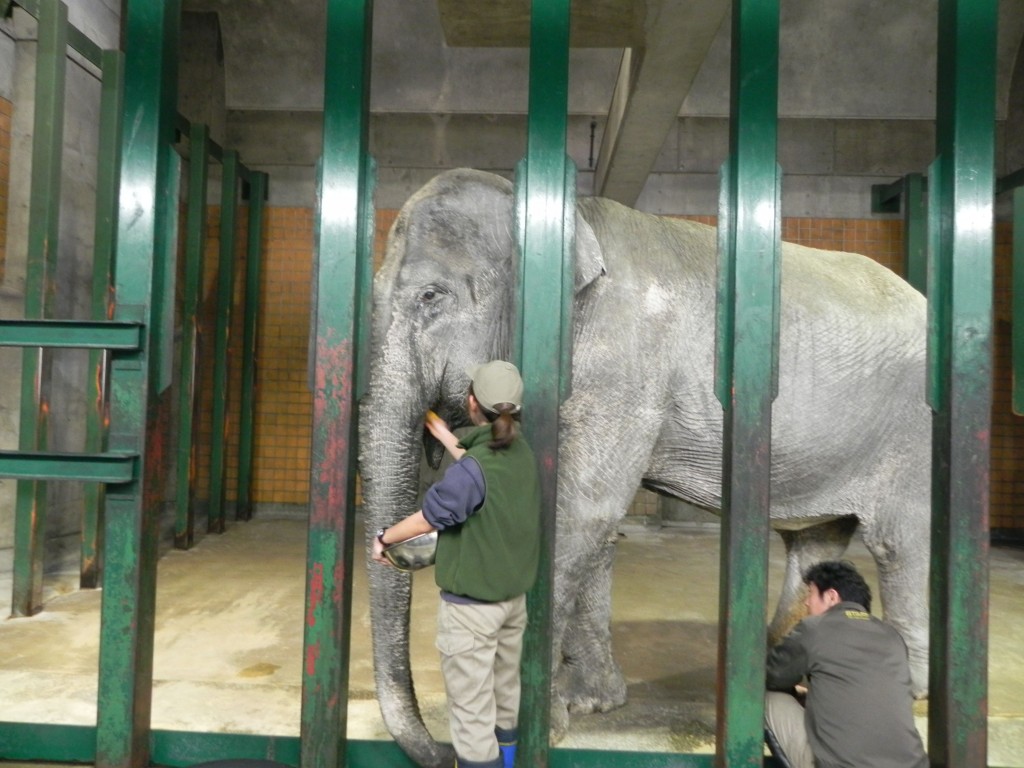
    Hanako was obviously excited to see her keepers and anxious for them to pet her. She offered her foot through the steel bars that divided the elephant and keeper spaces, leaned up against the bars and turned to receive pets on her backside and hip.

    She chattered to her keepers the entire time, soliciting and savoring their every touch. This was a side of Hanako I had not seen—her comfort with and attachment to her keepers.

    The keepers appeared to enjoy the interaction as well. But fifteen minutes later, Hanako’s allocated social time was over. As the keepers turned their attention to barn duties, I watched as Hanako slipped back into her detached state of mind.

    The thermostat was set, water barrel checked, food swept into a neat pile, lights turned off, doors closed and keepers gone again until tomorrow. Once again Hanako was alone.

    Failed by the system

    Hanako was denied a natural life of freedom with her natal family simply because humans are intrigued by this species. But humans failed her time and time again.

    Even if they wanted to, the zoo staff was unable to evaluate Hanako’s health scientifically. Hanako and her keepers weren’t trained to carry out basic health checks and her antiquated facilities did not provide a safe environment for medical testing or treatment. Aside from tranquilizing Hanako, there was no safe way to compile a comprehensive medical work up.

    The government owns and runs all the zoos in Japan. The keepers are rotated throughout the zoo system, transferred to a different zoo every two years. Knowing the social complexity of elephants, having keepers rotate in and out of Hanako’s life so often would have been stressful, even traumatic.

    Decades ago Hanako had an extremely close relationship with one of her keepers. After he died she reportedly became aggressive and as result was kept chained for a length of time.

    It is reasonable to assume that Hanako suffered both physically and psychologically from her lack of companionship and physical activity. In Hanako’s case, her social isolation was the most detrimental. But the damage inflicted on her by her isolation was never measured.

    Taking comfort in the familiar

    Hanako had a decades-long reputation of reacting negatively to changes in her facility and routine. As she aged, her tendency to be inflexible increased.

    Weeks before Hankako died, the zoo installed a safety fence on the outside wall of her barn. Their hope was that by providing a secure outside space, the keepers and Hanako would spend more quality time together, something we all agreed would benefit her. Although the fence was not one of my recommendations, I completely understood why the zoo made the effort.

    Unfortunately, directly following fence construction, Hanako refused to leave her barn. Since the construction was the most obvious change in Hanako’s life, it was blamed for her behavior.

    In her tender psychological state Hanako might have been frightened and even traumatized by the noisy power tools drilling into the wall of her barn. The noise and vibrations most certainly could be heard and felt by Hanako, locked inside. Although it is reasonable to believe she was upset by the construction, another scenario should also be considered.

    Hanako was dying, growing weaker day by day. Apparently she derived comfort from being inside her barn. She could conserve energy she would otherwise have wasted walking out to a barren yard that provided neither shade nor shelter from the cold. In her condition, the barn was likely the most comfortable place for her.

    Too late for Hanako but not for other elephants

    The zoo said that a necropsy will be conducted. The results will most likely point to death by natural causes. It is true that Hanako’s body condition was good for an elephant of her age, but there is no way to determine what her emotional and psychological condition were.

    Against all odds, Hanako lived to the ripe old age of 69. Surprisingly, she was not emaciated or crippled and did not develop osteomyelitis or the pressure wounds that are so common among elephants kept on concrete. But even though her body served her well, captivity took its toll on her heart and mind.

    Hanako’s celebrity increased near the end of her life as she became the focus of a worldwide effort to move her. It’s unfortunate her deprived existence didn’t come to light five years ago, ten years ago or even two decades ago, when she could have benefited from being moved.

    But, although Hanako did not benefit personally from her celebrity, other elephants will.

    Immediately after Hanako’s death the zoo announced the good news that it will not replace her with another elephant.

    The truth is that Hanako is irreplaceable.


  • Hanako

    Hanako

    Three days have passed since I was in Japan to meet Hanako and assess her welfare.

    Hanako has lived at the Inokashira Park Zoo for the majority of her 69 years. Her small concrete exhibit, antiquated dry moat and solitary existence are a far cry from what nature intended for this wild-born, highly evolved, social being.

    In a better world Hanako would have lived her entire life with her extended family of mother, sisters, nieces, aunts and grandmother. Knowing that Hanako has been denied her natural life has led many people to believe that she must be miserable.

    The common consensus was that moving Hanako to a sanctuary is the only way to improve her life. Under different circumstances that might be true.

    But after visiting with Hanako and seeing her for myself, I realized that moving her now, at this stage in her life, is not an option. I prepared a report for the zoo with many recommendations for how staff can improve her life. Moving Hanako to a sanctuary was not one of them.

    The news that Hanako will not be moved to a sanctuary resulted in an outpouring of emotional responses from her supporters worldwide. Many were angry. Some could not accept the fact that such a move would traumatize this geriatric elephant, causing her more harm than good. The universal reaction shared by all was mourning Hanako’s lost opportunity for freedom.

    No one is more heartbroken than I that Hanako will never experience her birthright, living in a natural environment with trees, grass and other elephants. It would have been a dream come true, if not for Hanako’s advanced age, lack of teeth, failing eyesight, frailness, change in sleeping habits (she no longer lies down to sleep) and inability to cope with change. Hanako’s reality is that she is a senior citizen in hospice care.

    I am convinced that zoo staff are sincere in their intention to better Hanako’s situation. Ulara, who is spearheading this effort for Hanako, will work diligently with them to implement the changes I recommended.

    Even though Hanako will not be moved from the zoo, the deficiencies she has lived with for decades will be addressed. The outdated moat can be filled in or fenced off to keep her from falling in. Rubber flooring is a quick and viable solution to hard, cold concrete surfaces. Additional behavioral enrichment objects will help stimulate and keep Hanako active. Strategically placed infrared heaters and automatic waterers will increase her comfort. And Hanako’s keepers, whom she is so very fond of, will be encouraged to spend more time interacting with her to satisfy her social needs. This arrangement is not perfect, but Hanako will benefit from the improvements.

    My goal for Hanako is to enrich her life while respecting her limitations. She is a grande old dame who has given her life to the people of Japan. In her final days, every effort should be made to bring her comfort and ensure that she feels loved, on her terms.

    Hanako’s Report submitted to the zoo

  • Sunder the Elephant Embarks on New Life

    sunder__family_bannerghatta_zoo_india-1_med
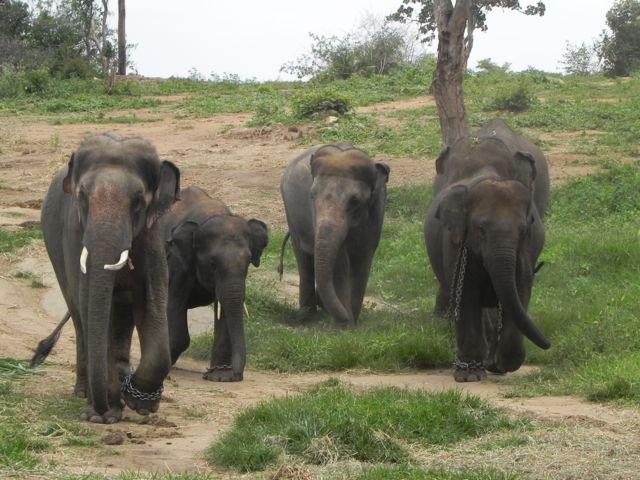
    Sunder (left) with his new family

    Elephant welfare expert Carol Buckley says rescued elephant is in good hands at model facility.

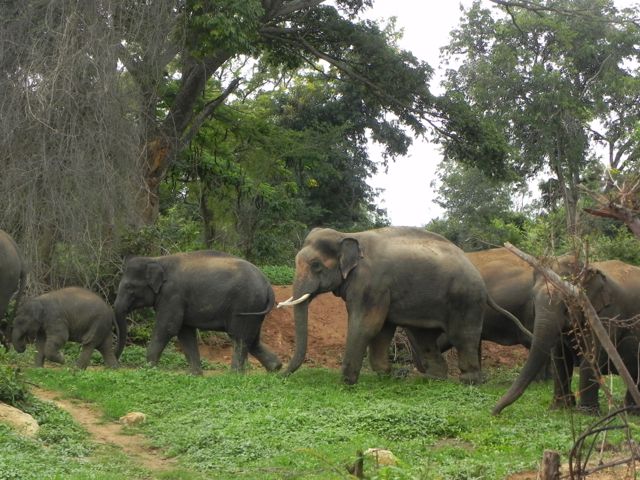
    More than a month after his rescue from a life of horrific suffering, 15-year-old bull elephant Sunder is enjoying lush forests, cool ponds and the close companionship of 14 other elephants at the Bannerghatta Biological Park (BBP) outside Bangalore, India.

    Sunder’s tragic plight touched the hearts of people from all around the world and galvanized an international social media campaign that helped win his release and recovery.

    sunder_and_family_india_2_med“Sunder has a new life and a fresh start at a wonderful facility,” said Carol Buckley, an expert in innovative approaches to elephant welfare in captivity, who recently visited Sunder in India to design a chain-free facility at the park where he now lives.

    “Thanks to the courage of the Supreme Court of India, which ruled against Sunder’s longtime abusers, the willingness of BBP to accept Sunder for permanent residence and the tireless logistical and legal efforts of PETA India, Sunder’s future looks very bright.”

    Buckley, who founded and leads the US-based nonprofit Elephant Aid International, says BBP has all the desired components for captive elephants. Its 122 acres of diverse habitat include open pasture, shaded forests and ponds, where the elephants are free to roam and play during the day. At night, they are given access to the adjoining national park forest for foraging and exploration.

    The upcoming construction of a custom designed, solar powered, chain-free perimeter fence system to enclose the entire daytime habitat will give the elephants even more autonomy. The fence creates a safe containment area, eliminating the need for mahouts to dictate the elephants’ activities. It should be completed before the end of the year and will be the first constructed at any zoo in India.

    Buckley noted that unlike most elephant facilities throughout the world, BBP’s mahouts manage their captive elephants in a “herder style” manner that supports their physical, emotional and mental health. This style of management acknowledges elephants’ nature as highly social, herd animals, giving them freedom to wander at will while mahouts keep a watchful eye on their whereabouts.

    “Bannerghatta Biological Park, working in partnership with PETA India, offers the world an exemplary model for managing captive-held elephants and the best possible new home for Sunder,” said Buckley. “I’m so grateful for their efforts.”

  • Jenny and Shirley’s reunion

    Jenny and Shirley’s reunion

    Recently, a friend emailed me a question: “During the filming of “The Urban Elephant” documentary, what was going on in your mind (and heart) when Shirley and Jenny were trying to get close to each other?”

    I realize many of you may be curious as well, so I decide to share with all of you.

    “The Urban Elephant” film crew had been at the Sanctuary all day and had just left for dinner when Jenny approached the barn. She and Shirley had not yet met.

    When Jenny first stepped inside the barn she was calm, but when she saw Shirley she became agitated. She reached through the stall toward Shirley, intensely focused on her. Shirley showed little interest but finally responded to Jenny’s attention by stepping close enough to be touched.

    Jenny’s agitation grew. She extended her trunk all the way through the bars, reaching out, touching, talking to Shirley. Shirley stood parallel to the corral allowing Jenny to touch all over her, but continued to show very little interest. Jenny began to work herself up into frenzy, very uncharacteristic behavior for her.

    Scott and I were sitting inside the barn only a few feet away, watching. I was filming.

    Jenny was animated and anxious; she wanted to get closer to Shirley. Shirley remained calm. But when Jenny placed her truck up to Shirley’s mouth, Shirley froze. Her posture changed, she became a little rigid and then turned to look at Jenny. She reached over to touch Jenny’s mouth and what followed was undefinably powerful and life changing for all present.

    Looking straight into Jenny’s eyes, Shirley erupted into a huge baritone roar. Caught completely off guard, I thought a bomb and an earthquake had simultaneously hit the barn. Her bellows ignited Jenny’s bellows, which together literally shook the barn.

    With her head held high and mouth gaping open, Shirley roared and gently touched all over Jenny’s smiling face. Jenny’s body immediately relaxed as she continued to grope and pull at Shirley through the bars and bellow. The volume of their shared roars was deafening.

    The energy in the barn was so intense I had to step outside the door to catch my breath. Seriously, I could not breathe. I did not yet fully understand what was happening. I had only seen such a display of emotion once before when a baby elephant at a breeding facility was separated from his mother for the first time. The two nearly killed themselves trying to climb over the corral to get back together. Their roars were one and the same with Jenny and Shirley’s.

    This memory flashed though my mind and within seconds I understood. Jenny and Shirley had known each other before and during that time had forged an intensely close relationship. This was a reunion.

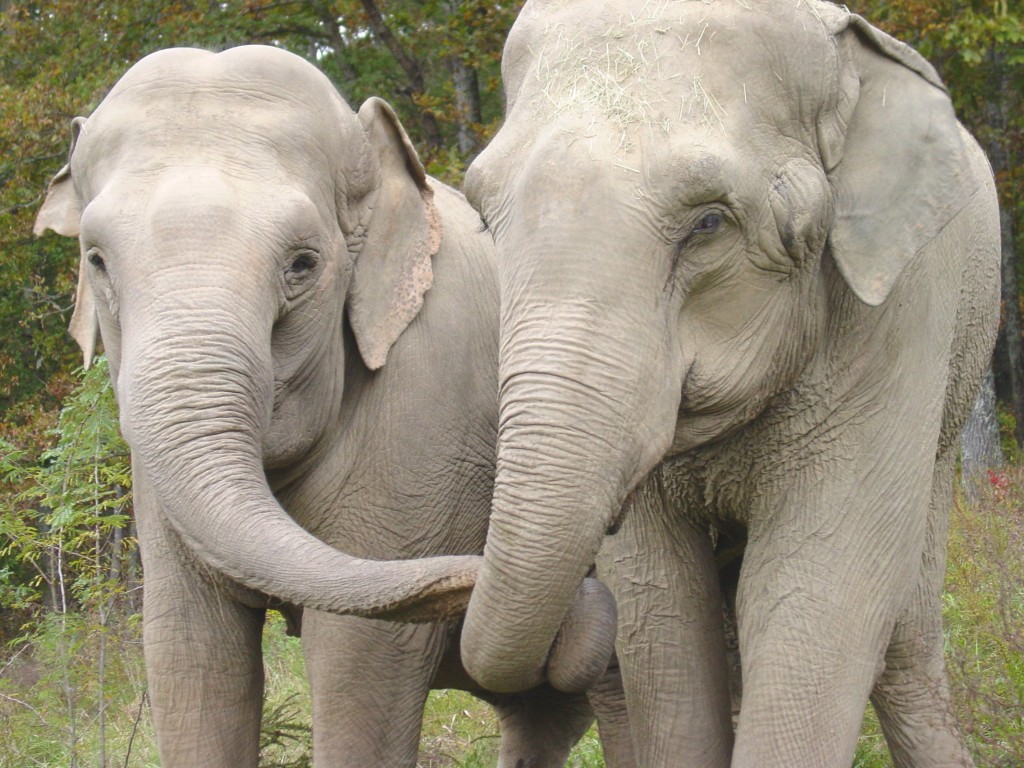
    The powerfully joyful vocalizations continued for some time, with Jenny and Shirley groping each other all over. I cannot convey how thick the love was in the air. I was too caught up in the emotional exchange to register just how long this went on but it could have lasted close to 30 minutes.

    By the time the volume of their reunion subsided, Shirley was emitting short, sweet sighs and Jenny had melted into the steel bars that separated them, their trunks draped across each other faces.

    I knew I had just witnessed a miracle, the first of many that I would be privileged to witness in the years to come.

  • Bunny

    Bunny

    Bunny — what a sensitive and loving lady. It was a joy to bring her to the Sanctuary. Her immersion into the habitat and bonds with the other elephants exceeded even our wildest dreams. She made an immediate and complete transition into Sanctuary life. In fact, she was the first elephant to sleep under the stars and was responsible for her sisters beginning to sleep outdoors overnight as well.

    I spent five years working for Bunny’s release from the Mesker Park Zoo in Evansville, IN. The zoo had been her home for four decades. From the time my effort began, I placed a weekly phone call to the zoo to discuss Bunny and her possible relocation. Ron Young, the zoo director, and Ted Grannan, the assistant director, were gracious but firm: Bunny would never leave the zoo.

    They continued to accept my calls and humor my periodic visits, but their response to my interest in discussing Bunny’s relocation was a consistent no. I realized that these were kind and caring people. My goal was to familiarize them with the Sanctuary so they could understand what we had to offer to their beloved Bunny.

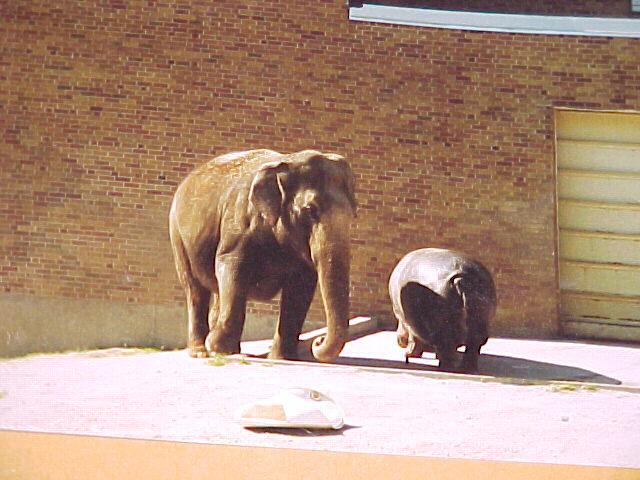
    On one of my many visits to the zoo, Bunny was having “play time” with her next-door neighbor Daisy, a hippo. They had lived in adjacent enclosures for four decades. On special occasions Daisy was allowed into Bunny’s yard for a visit. It was quite cute to watch, but sad to realize how these two had to rely on another very different species for companionship. Bunny gently herded Daisy around the yard, as much as one can herd a hippo, with Daisy paying little attention.

    My persistence began to pay off, but in a roundabout way. Ron soon began passing my phone calls off to Ted, who remained pleasant and engaging. He would listen patiently to my latest update and end the conversation with the zoo’s mantra, “Bunny will never leave the Mesker Park Zoo.”  My no-pressure-but-let-me-tell-you-this approach was sincere — and effective. We shared a common interest in Bunny’s welfare, which soon brought us closer together. My message began to get through and I saw that Ted was beginning to question the wisdom of their position.

    Until this time, I was told that Bunny could not be moved for a myriad of reasons, including that it would break her heart to leave the zoo. With stories about our other retirees as evidence to contradict that concern, Ron finally admitted that the idea simply could not be considered because the Association of Zoos and Aquariums (AZA) would not allow it.

    After years of open communication and education I was able to demonstrate that Bunny not only deserved to move to the Sanctuary but her very health depended on it. Her enclosure offered limited natural substrate and her pool had been empty for years. As result of years spent on the hard surfaces of her exhibit, Bunny had developed a chronic foot disease that could soon develop into osteomyilis. This captivity-induced disease is responsible for the deaths of nearly all adult captive Asian elephants living in zoos. Bunny was on her way to being yet another statistic but I knew that Sanctuary life could spare her such a fate.

    Bunny was surrounded by a loving staff, attentive veterinarian and adoring public. They began to grasp the gravity of Bunny’s condition and, ultimately, the people responsible for Bunny’s care, including Ron and Ted, became the champions for her release.

    On September 29, 1999, Bunny arrived at the Sanctuary. Her retirement was celebrated by two communities united by one deeply loved elephant.

  • The Art of Cultural Brokerage: Recreating Elephant-Human Relationship and Community

    An article by Carol Buckley and G.A. Bradshaw, Ph.D., Ph.D., on how sanctuary creates a healing trans-species community in which humans and elephants live together. In sanctuary, the humans function as catalysts, interpreters and negotiators of relational repair for elephants in recovery from trauma.

    Read the full article.

  • Elephant Aid International Creates First-Ever Elephant Care Center in India

    Hohenwald, TN, October 27, 2011 – Elephant Aid International (EAI), a Carol Buckley Project, announces its official partnership with the Wildlife Rescue & Rehabilitation Centre (WRRC), one of India’s foremost wildlife organizations, to create the first prototype Elephant Care and Rehabilitation Center in Karnataka, Bangalore, India.

    With the endorsement of the Indian government, this private project will serve as a model for future care and rehabilitation centers throughout the country. The center will rehabilitate elephants who have been removed from the confines of zoos, circuses and temples, and offer them a more natural lifestyle, free of chains and negative management techniques.

    Carol Buckley, founder, president and CEO of EAI, will supervise the Center’s development, training of mahouts (elephant handlers) and elephant acquisition and relocation. This first facility will house up to seven elephants.

    “We are honored to partner with WRRC on this landmark project,” said Buckley. “I believe this care center will be a beacon of hope and a challenge for change for people working to improve the lives of captive elephants.

    There is an urgent need for care centers (what are known as sanctuaries in the U.S.) in India. In November 2009, the country’s Central Zoo Authority mandated that all elephants be removed from zoos and placed in alternative facilities better suited to address their needs. India’s wildlife parks and game sanctuaries are not well suited for zoo elephants and, until now, no other alternative existed.

    In August 2010, the Elephant Task Force of India’s Ministry of Environment and Forests issued a set of recommendations, including the creation of state-of-the-art lifetime care centers.

    Designed to provide freedom of movement and a healthy social environment, care and rehabilitation centers will provide a safe place for elephants to escape the abuses of captivity.

    • The centers will support the rehabilitation of elephants suffering from physical and psychological trauma by providing a more naturalistic environment.
    • They will not involve tourism.
    • The grounds will be fenced, eliminating the need to restrain elephants with leg chains.

    All mahouts will be trained in Compassionate Elephant Care techniques, a system developed by Buckley that is based on understanding elephant biology, physiology and psychology; relationship building between the mahouts and their elephants; and positive reinforcement.

    The number of elephants housed at the Center will be limited to ensure there is adequate vegetation for them on-site and in the bordering national forest. The elephants will have access to areas of the forest during daylight hours and will return to the Center at night.

    The Center is based on The Elephant Sanctuary in Tennessee, which Buckley co-founded and led to international recognition as one of the leading models of humane management of elephants in captivity.