Author: Carol

  • The Truth About Riding Elephants in Asia

    The Truth About Riding Elephants in Asia

    The Truth About Elephant Riding in Asia: Why It Harms Elephants

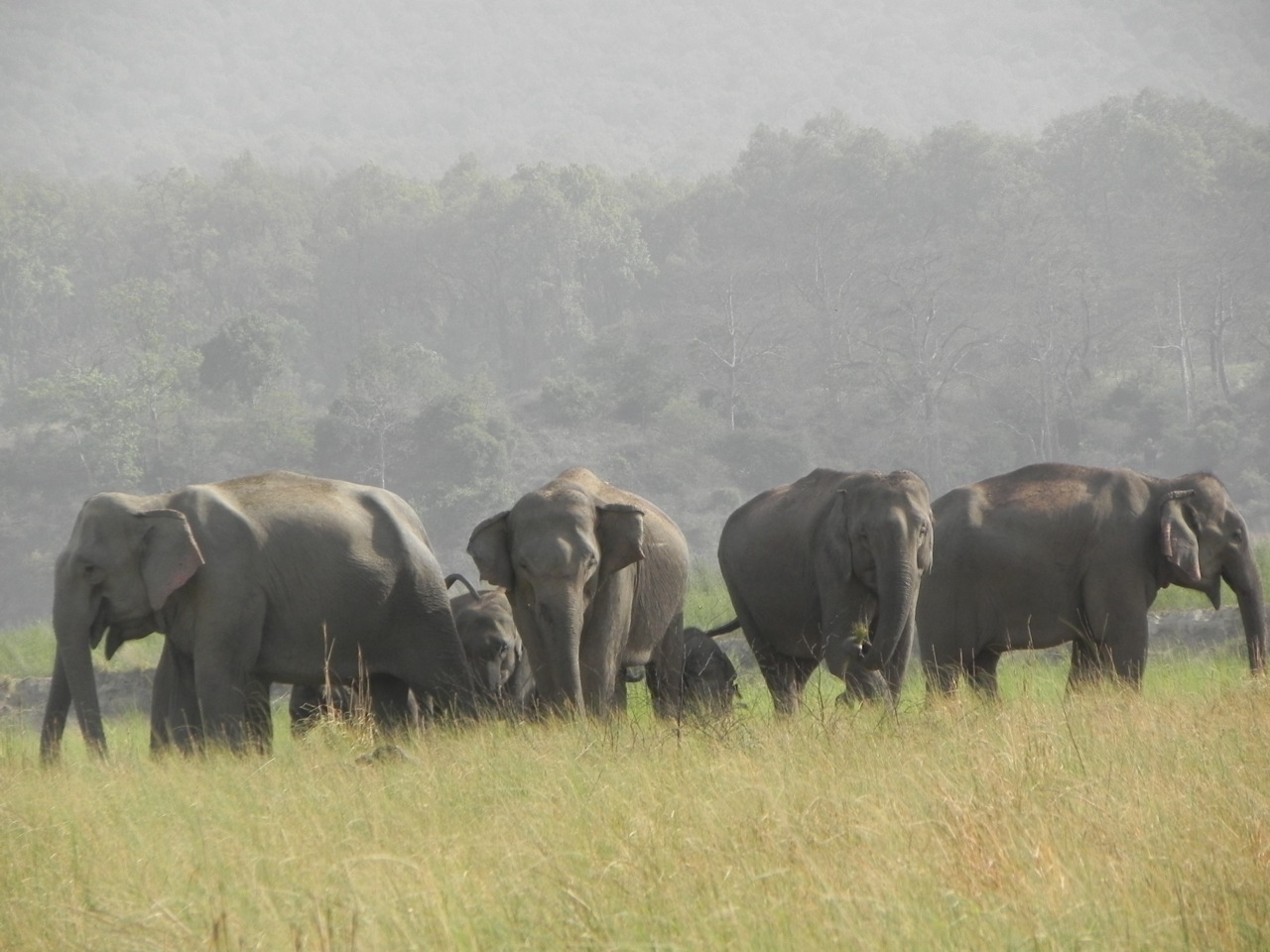
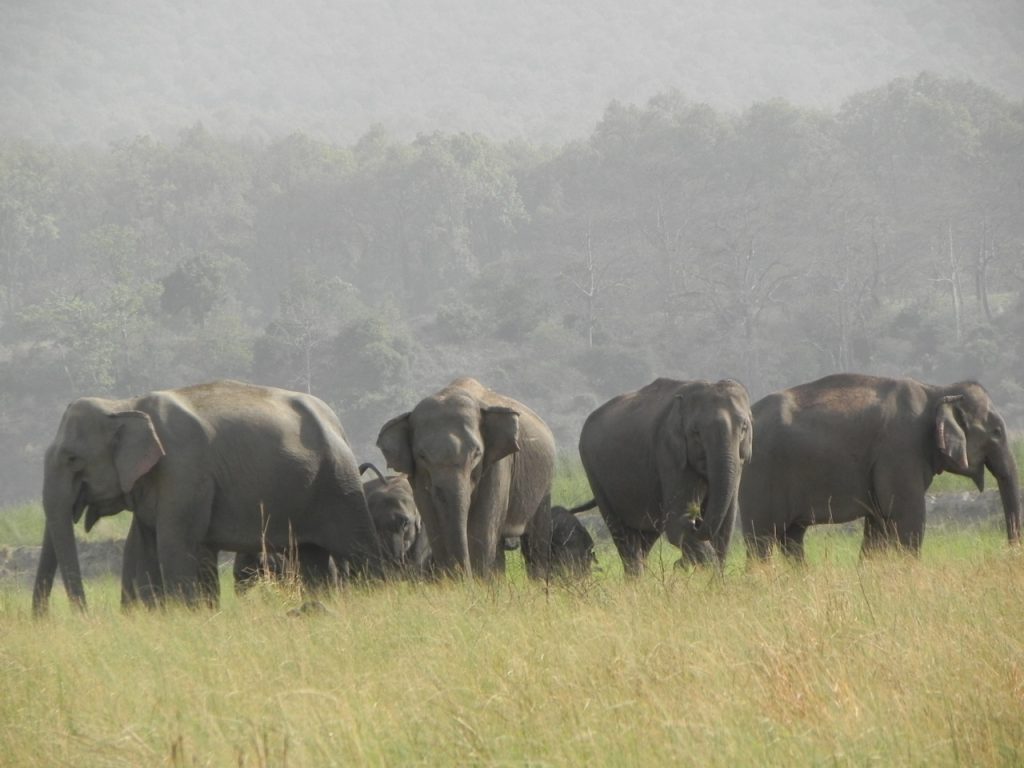
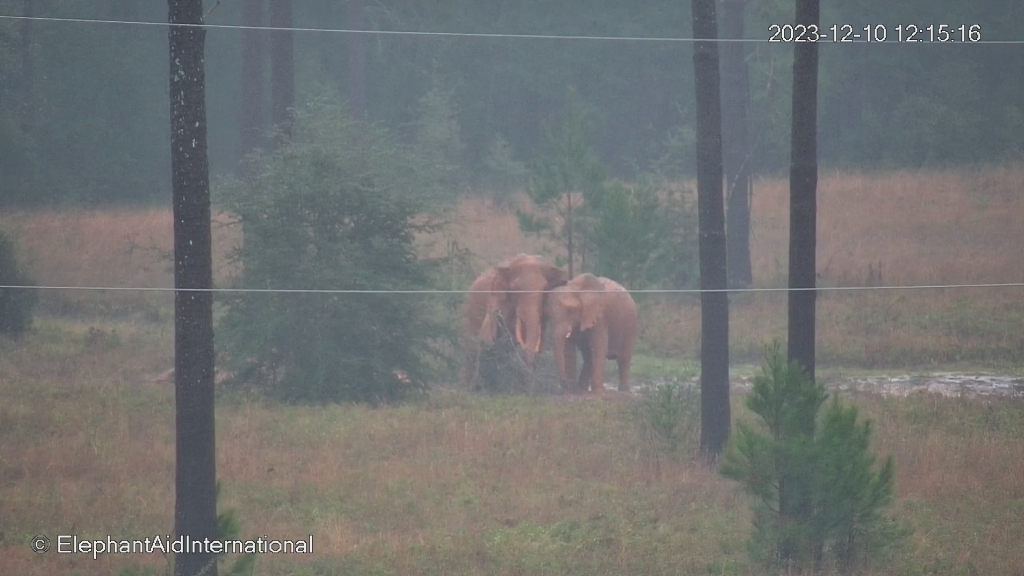
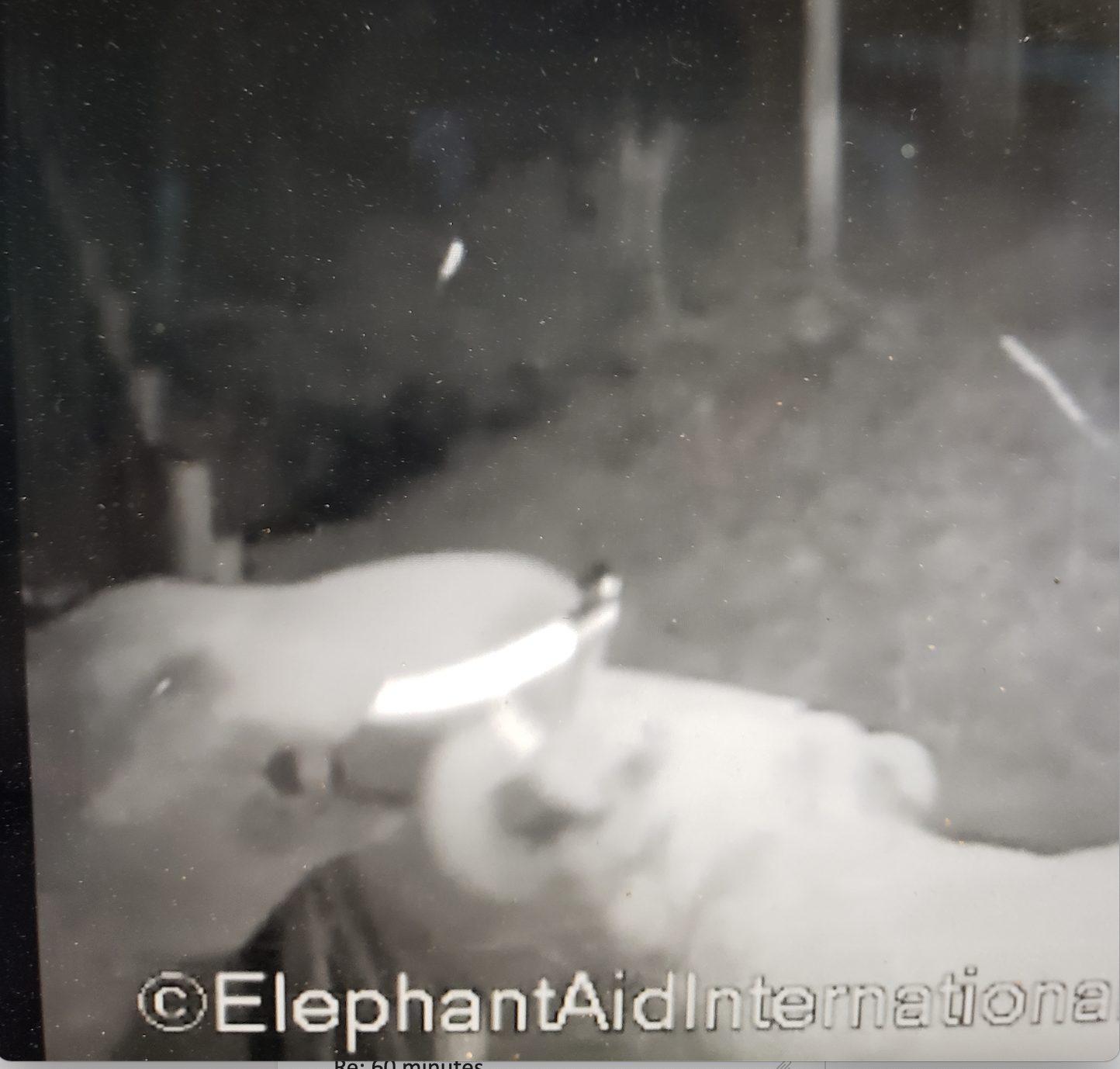
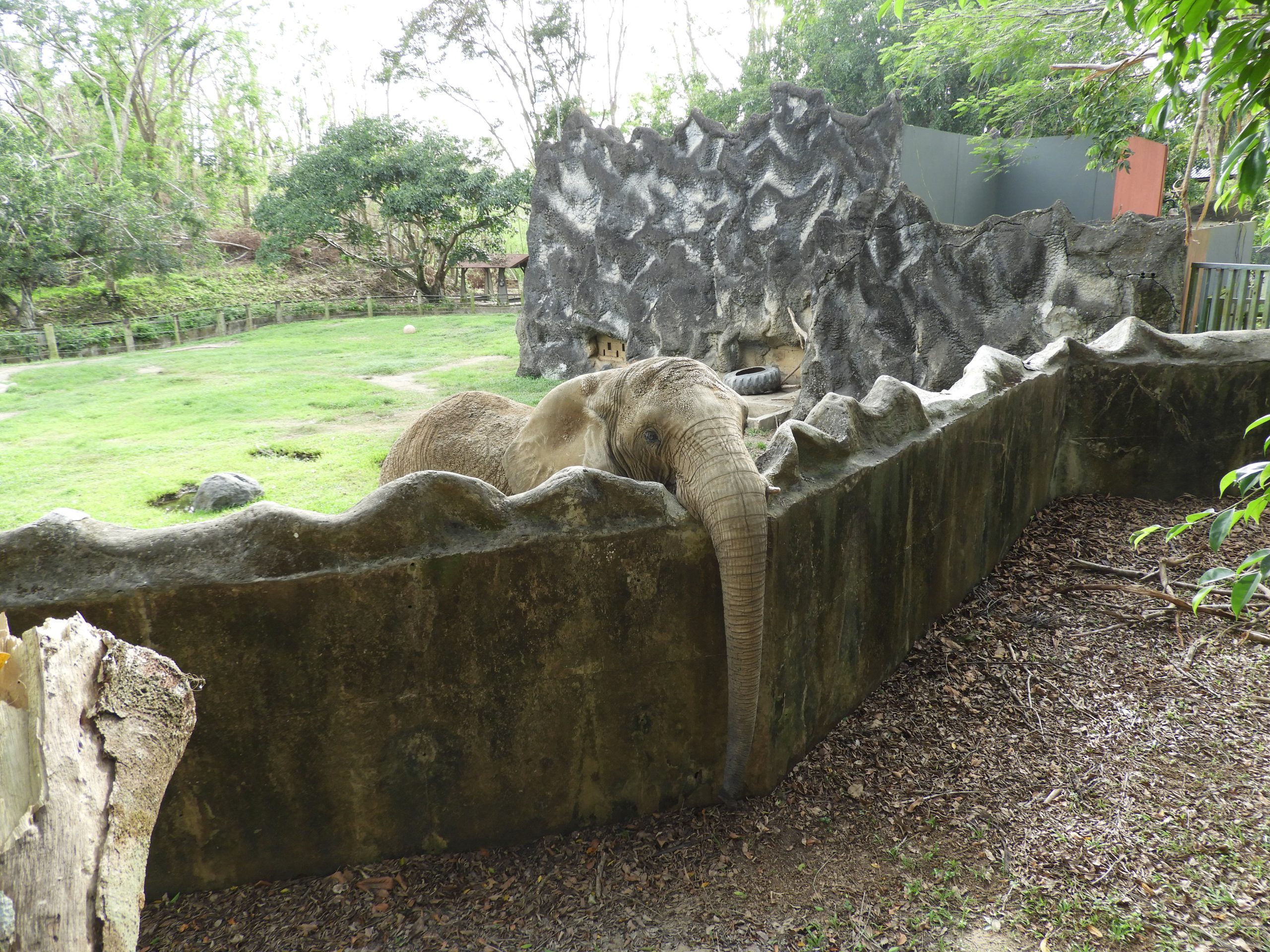
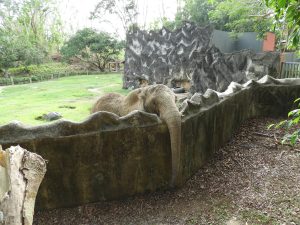
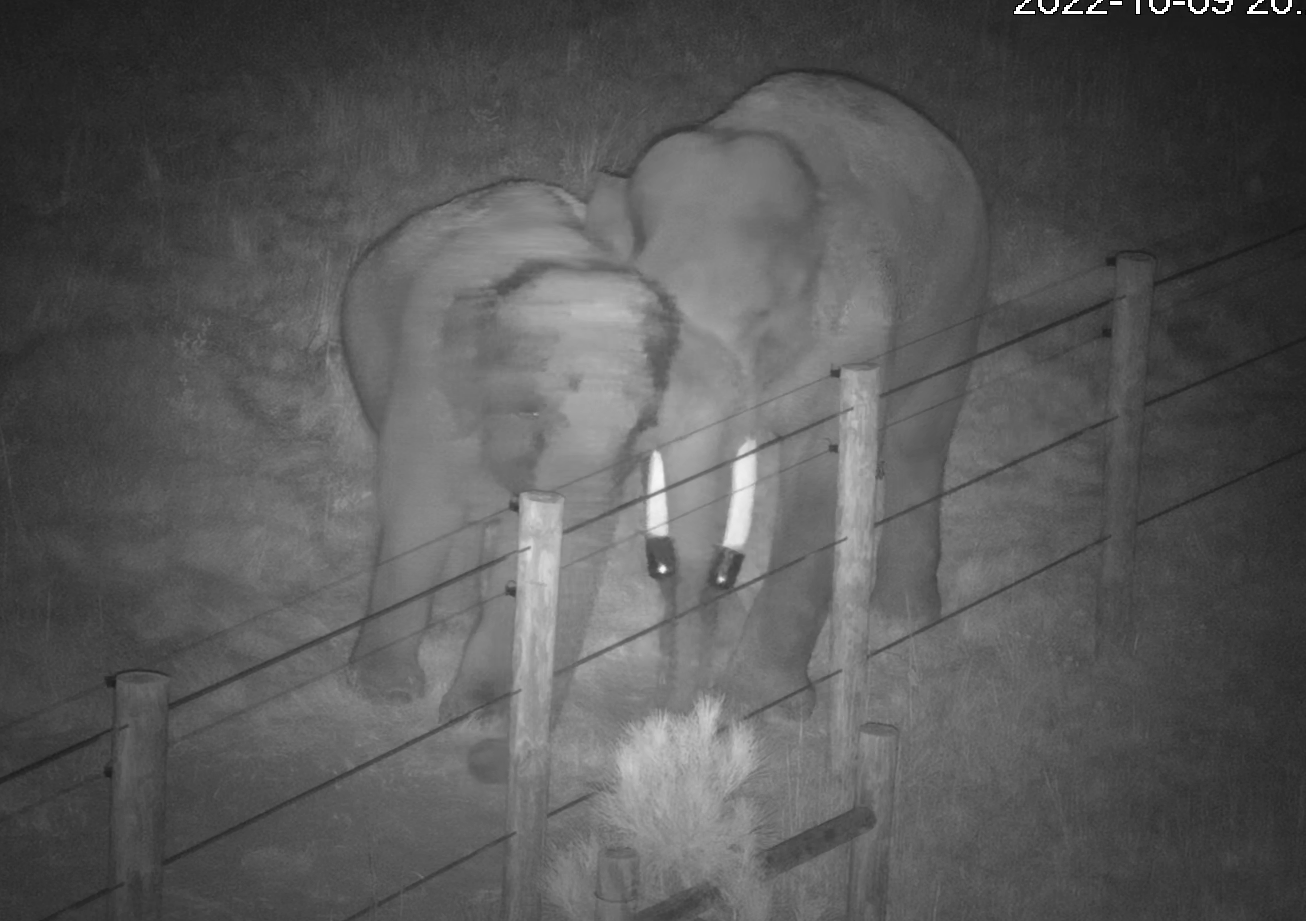
    The debate over whether riding elephants is harmful has been ongoing for years. Supporters argue that elephants are massive and can easily carry the weight of a few humans, while opponents claim that riders damage an elephant’s spine. Recently, a widely shared social media post attempted to prove this point by showing three images in sequence using both Asian and African elephants.

    The message was clear, but inaccurate and misleading.

    Asian and African elephants have very different bone structures. Asian elephants naturally have a more convex (rounded) backbone, while African elephants naturally have a concave (swayed) backbone. The comparison in these images confuses anatomy with abuse, and for those who understand the difference, it undermines the credibility of the campaign.

    Misinformation—even when well intentioned—does a disservice to elephants. To truly protect them, we must tell the truth. And the truth is: yes, riding elephants causes them harm, but not for the reasons many people assume.

    The Real Harm: Training Through Domination

    Elephants are not domesticated animals, even when born and raised in captivity. They remain wild at heart. In order to be used for rides, elephants must first be made obedient to human commands—a process that relies on dominance-based training.

    This training uses intimidation, pain, and negative reinforcement to break the elephant’s will. The goal is not partnership, but submission. Elephants are forced to comply with commands to walk, stop, turn, and carry riders exactly as directed. Any hesitation or resistance is punished. Over time, this cycle of intimidation and correction often results in “learned helplessness”—a state in which the elephant no longer resists, not because they are content, but because they have given up.

    An elephant that appears calm while carrying tourists is not displaying trust or cooperation. They are displaying defeat.

    The Silent Damage of Saddles

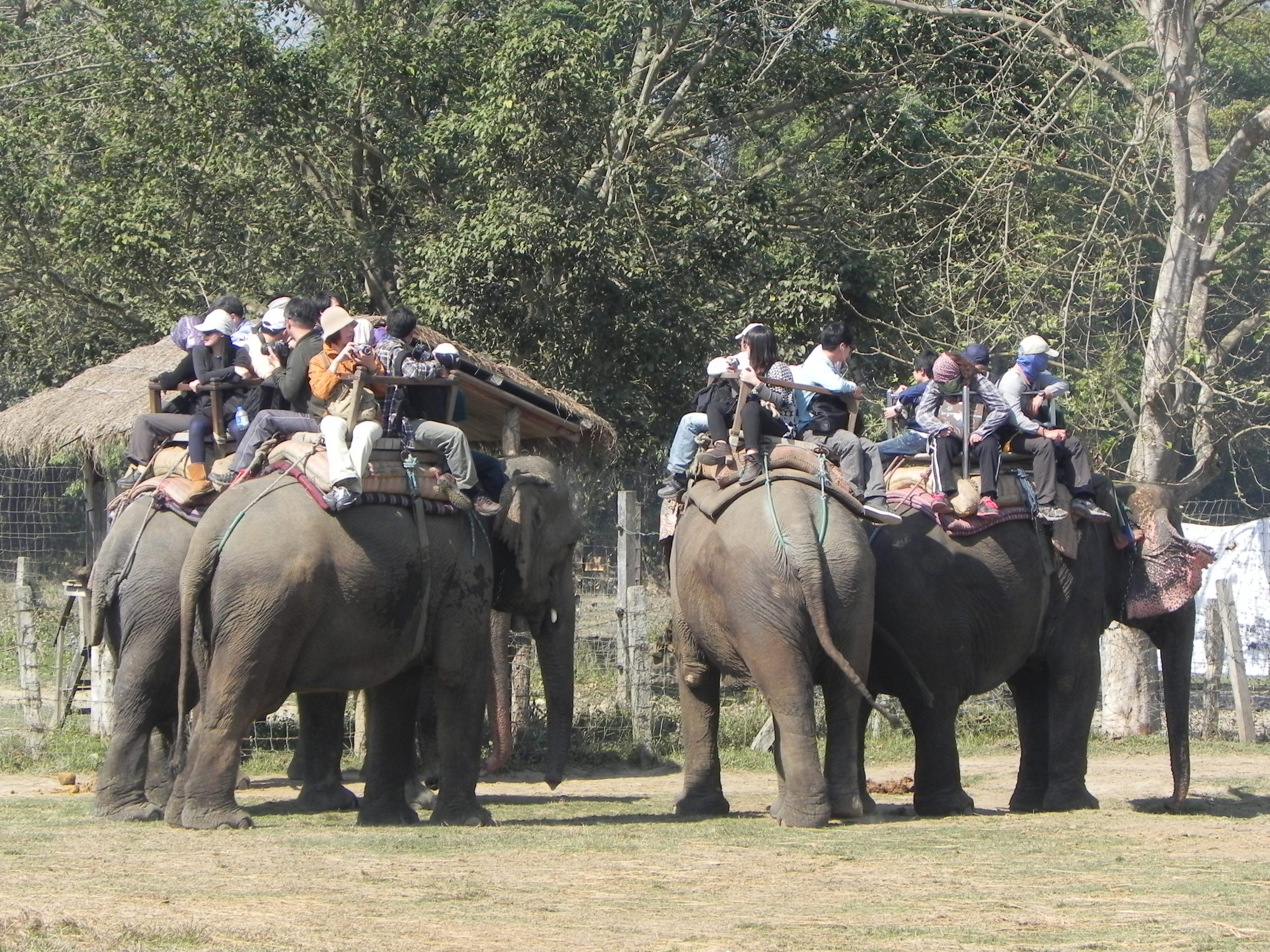
    Beyond training, the saddles themselves cause serious physical injury. Elephant saddles are designed for profit, not comfort. They maximize the number of riders, often seating multiple people at once, which concentrates weight directly on and around the spine.

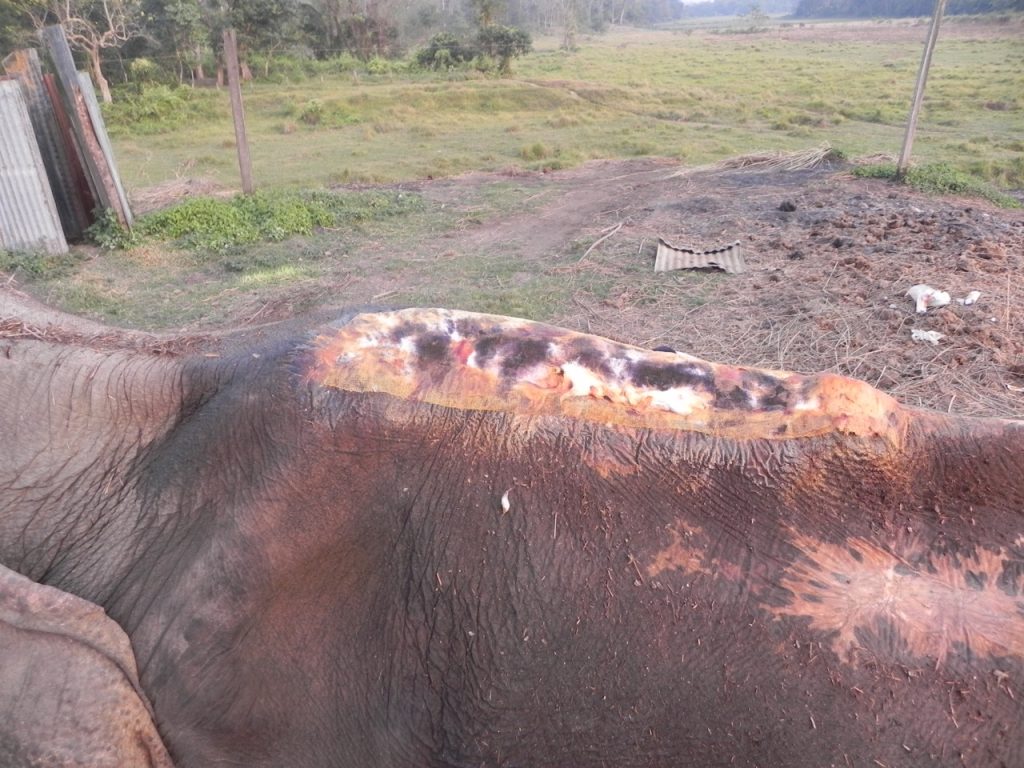
    With each step, the saddle shifts and rubs against the elephant’s back, causing friction, swelling, and tissue damage. Over time, painful abscesses can form under the skin. These infections often spread along the spine, and if they penetrate the bone, they can lead to osteomyelitis—a condition extremely difficult, if not impossible, to treat in elephants.

    Even when the spine itself doesn’t appear visibly deformed, the surrounding tissues may be permanently damaged, leaving the elephant in constant pain.

    Compassion Through Truth

    The issue is not whether an elephant’s back “breaks” under the weight of riders—it doesn’t. The issue is that riding elephants relies on cruelty: on domination that robs them of autonomy, and on saddles that leave them injured and suffering.

    If we want people to make choices that truly benefit elephants, we must present the facts honestly, not with manipulative imagery. Compassion for elephants begins with truth. And the truth is simple: elephants are not here to carry us. Choosing not to ride is choosing to respect their dignity, their health, and their right to live free from harm.
  • Personality determines compatibility, not species.

    Personality determines compatibility, not species.

    Nearly 35 years ago, I assumed that because my elephant, Tarra, had shown fear of African elephants, the two species were too different to coexist in captivity. As a result, when I founded The Elephant Sanctuary in Tennessee, I determined that African and Asian elephants should not be housed together. At the time, it seemed reasonable to suggest that the two species should remain separate. The problem was, there was no scientific data to support the claim that African and Asian elephants are so vastly different that they cannot live together.

    Over the years, however, I learned of many African and Asian elephants who lived together in captive situations. Most got along—perhaps because they had no other social option. What also became obvious was the number of same-species elephants who did not get along, who fought and harmed each other. I began to wonder if my assumption, based solely on the experience of my one elephant, was accurate.

    After observing so many same-species elephants who were not compatible, I sought an answer to why. It didn’t take long to understand that it was not species that determined compatibility, but personality.

    When moving an elephant into a new environment, I research his or her history to better understand who they are before being responsible for their care. Through this research, I can gain insight into how an elephant might react in a new environment and what temperament of elephant they might do well with.

    I have come to understand that the most important information required to be a good steward for a captive elephant is to know who they are—what drives them, what frightens them, what empowers them, and how to gain their trust.

    I have learned that many factors beyond species determine an elephant’s ability to feel secure and accepted. Space, autonomy, and a natural habitat that meets their needs are undeniable requirements. With these important components met, this highly intelligent, evolved animal will always surprise us.

    Instead of focusing on a non-issue—a prejudice perceived by the human mind—captive-held elephants would benefit from the understanding that species is not the issue. Lifestyle and management philosophy are.

  • Bugs and Blessings

    Bugs and Blessings

    During this time of civil unrest in our great country, I remind myself daily to find joy, share it with others, and do my part to ensure the freedoms we hold dear.

    Today, I want to share what we’ve been living with for nearly six weeks: deerfly season in South Georgia. It hits hard around May 1 and lingers for six long weeks.

    Although elephant skin is considered thick, it’s no match for the deerfly’s double, blade-like mouthparts that slice easily through skin, causing blood to pool on the surface. Only females bite—using sponge-like mouthparts to lap up the exposed blood. Their bite hurts, not only from the slicing action but also from their saliva, which contains anti-coagulants to prevent clotting.

    Thankfully, while painful, the bites pose no disease risk to the elephants. The flies are most active during the first two hours after dawn and again two hours before dusk. They’re drawn to large, dark, moving objects—unfortunately, elephants fit that description perfectly. Even when standing still, their constant ear and tail movements make them prime targets.

    No non-toxic commercial product exists to prevent deerfly bites, but I’ve discovered something that works fairly well: Irish Spring soap. I buy it in liquid form and mix it in a two-gallon sprayer. Each morning and late afternoon, I spray a thick coat on Tarra and Bo. Apparently, the flies are no fans of its fragrance. Interestingly, Mundi—whose African elephant skin is thicker than that of Asian elephants—rarely suffers bites.

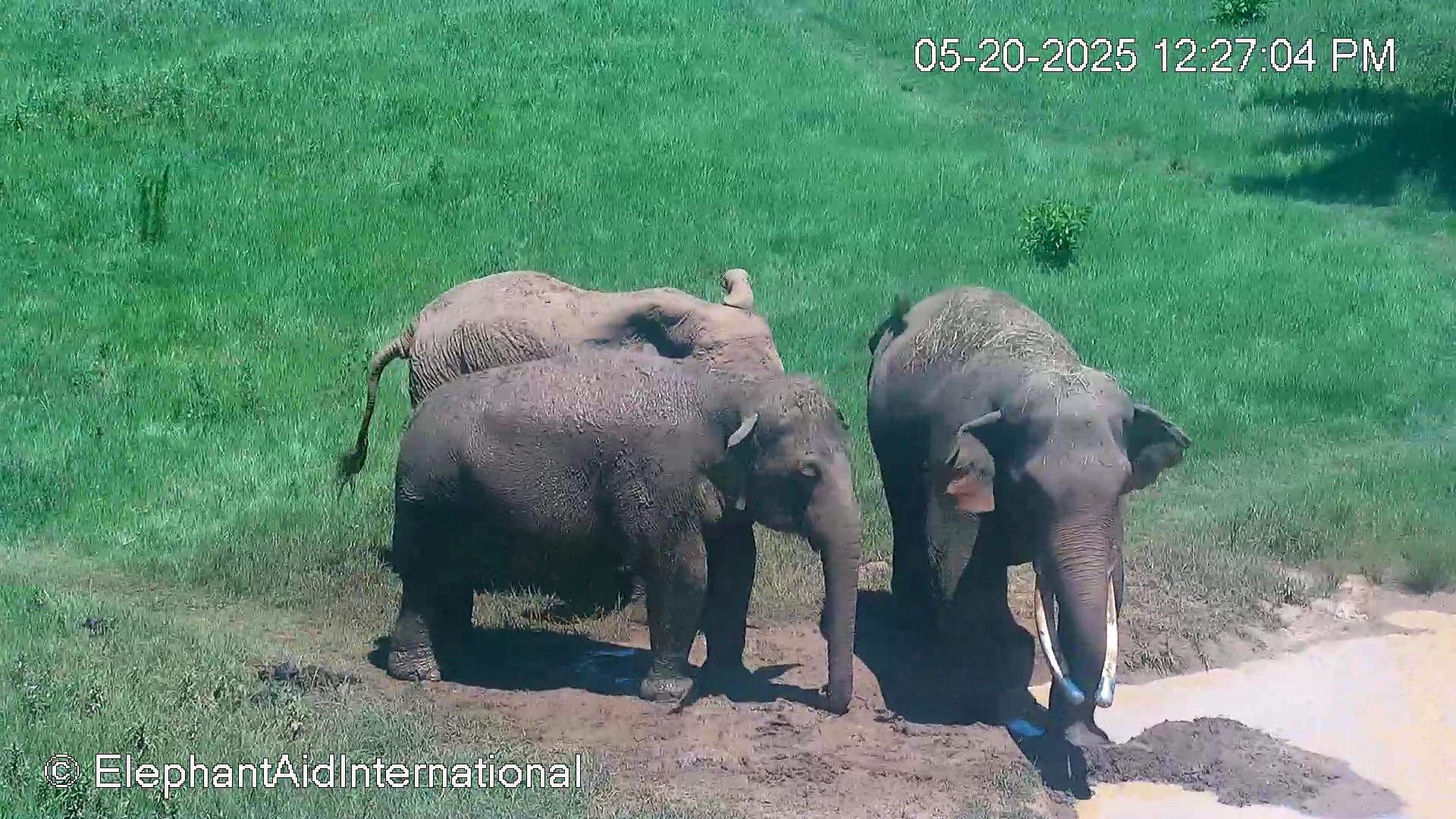
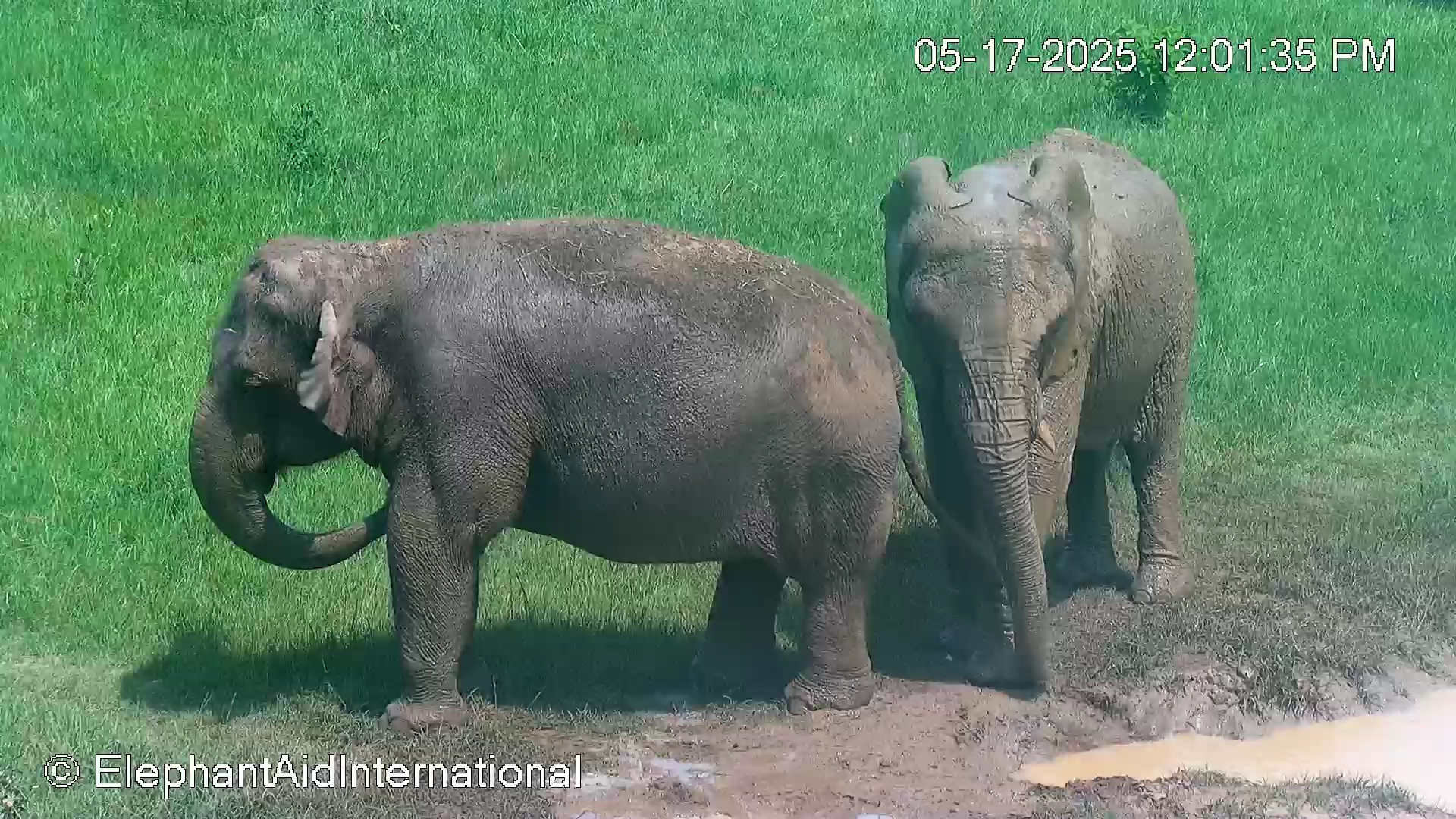
    All of us at ERNA have observed a pronounced change in elephant behavior during this time of biting flies. Bo, Mundi, and Tarra tend to stay near mud holes, coating their bodies in protective mud. And instead of sheltering under trees, they favor open fields—flies prefer wooded areas, so the elephants wisely avoid them.

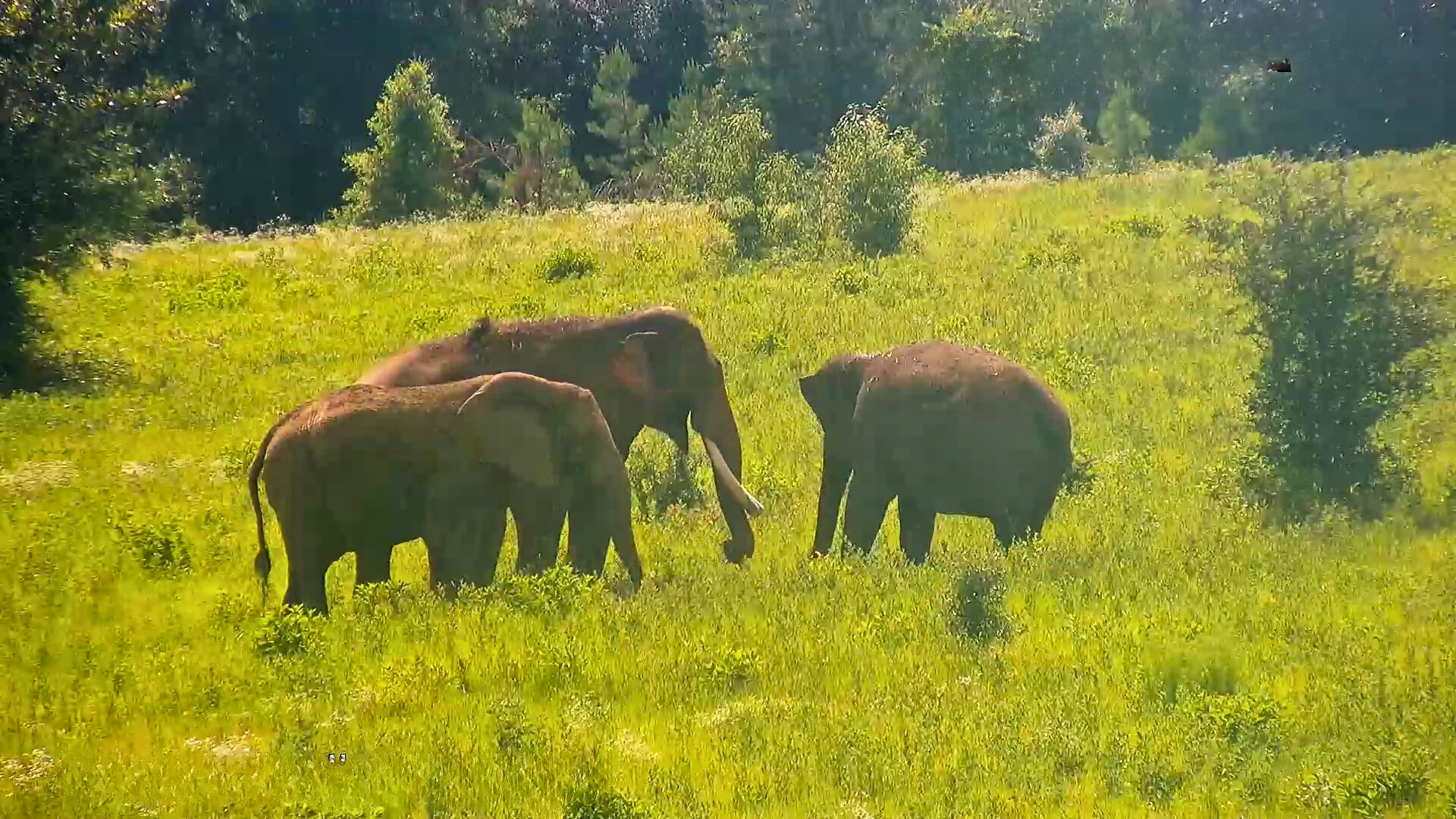
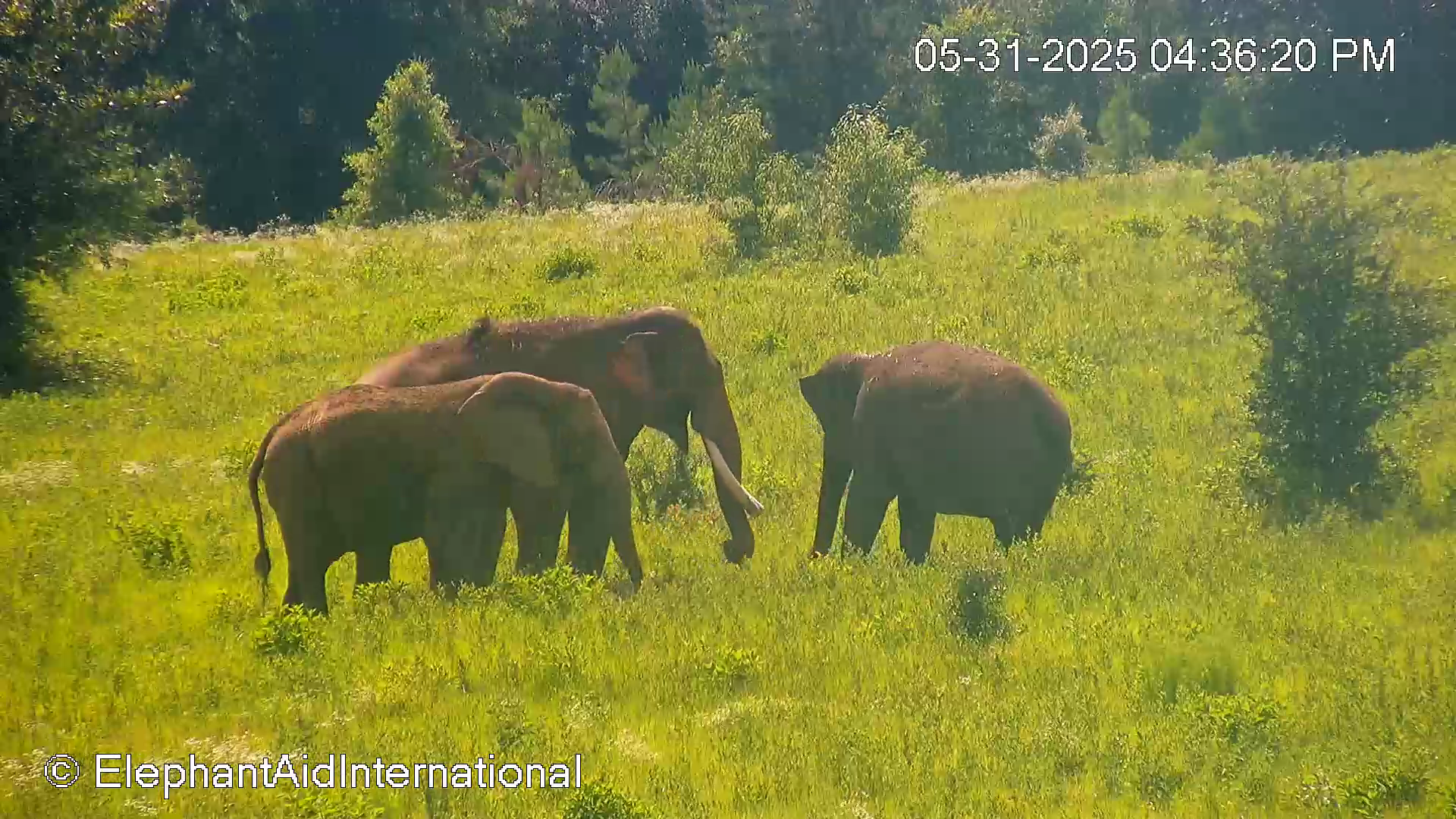
    Yet this challenging season brought a beautiful, unexpected blessing. For the past six weeks, Tarra has remained close to Bo and Mundi, spending hours socializing, sharing mud wallows, and grazing side by side. Rather than disappearing every few days to explore the heavily wooded areas of the back 750 acres—as she typically would—Tarra stayed wherever Bo and Mundi were.

    Thanks to our EleCam surveillance system, we saw that it was Mundi who initially pursued Tarra, repeatedly seeking her out. Tarra responded positively. Instead of wandering off alone, she chose to stay—grazing, bathing in mud, and napping with her companions.

    Of course, Bo and Tarra were already close, as were Bo and Mundi. But now, they have become a true threesome—calm, content, and deeply connected. On several occasions, we’ve watched Mundi walk away after time spent with Tarra, and rather than remaining behind, Tarra followed—eager to continue their shared adventures.

    This new bond brings us immense joy, knowing how much it means to Bo, Mundi, and Tarra. Their growing companionship is a powerful reminder: even in the most uncomfortable of seasons, connection, healing, and happiness can take root.

  • A Critical Look at Thailand’s Recently Announced Plan for Wild Elephant Management

    A Critical Look at Thailand’s Recently Announced Plan for Wild Elephant Management

    Thailand, a country about the size of Texas, is home to 66 million people and approximately 4,000 elephants. Recently, the Natural Resources and Environment Ministry announced plans to use contraceptive injections on wild elephants in an effort to control their population and reduce human-elephant conflict.

    This decision serves as a stark reminder that despite decades of research and increased understanding of elephant behavior, humanity remains no closer to solving the challenges of coexistence with this keystone species. The narrative is often framed around “human-elephant conflict,” as though both sides hold equal responsibility. Yet, this term fails to address the crux of the issue: an expanding human population, relentless land use, and the fragmentation of ecosystems. Wild elephants, struggling to survive in dwindling habitats, are unfairly cast as aggressors or invaders.

    Having witnessed firsthand the devastation that such conflicts can cause—both to human communities and to elephant populations—I agree this is a grave issue. However, placing blame squarely on elephants perpetuates a dangerous misconception. Villagers, understandably frustrated by loss of life and livelihood, often see elephants as intruders. But it is we humans who have encroached upon their ancestral lands, not the other way around. Humans are the architects of this conflict. Our ever-growing population, coupled with insatiable consumption, has transformed the natural world into a patchwork of fragmented ecosystems. We build roads, farms, and settlements in areas once ruled by the wild. Every new development chips away at the spaces elephants depend upon for survival.

    Now, in 2025, Thailand proposes contraceptive shots as a solution. Reports suggest that only seven elephants have been tested before implementing this strategy on an endangered species. This lack of rigorous testing raises serious ethical and ecological concerns. What are the long-term effects on herd dynamics? How might this intervention impact social structures vital to elephant survival? I understand the desperation of people living in proximity to wild elephants. Crops destroyed overnight, the threat of injury or death, and a sense of helplessness are very real challenges. Yet, resorting to measures like population control without addressing the root cause—unchecked human expansion—is akin to treating the symptoms of a disease while ignoring its cause.

    This issue is not about vilifying humans or glorifying elephants; it is about acknowledging the imbalance we have created. Until we confront our species’ tendencies toward dominance and unsustainable growth, we will continue down a path that threatens not only elephants but our very existence. The answer lies in reframing the problem—not as one of conflict but of coexistence. Protecting corridors for wildlife, investing in non-lethal deterrents, and fostering community-based conservation can offer pathways forward. Elephants are not our enemies; they are a reminder of what we stand to lose if we fail to act with compassion and foresight.

    It is not too late to choose coexistence over control. The question is whether we have the will to make that choice.

    https://www.bangkokpost.com/thailand/general/2930022/elephants-to-get-birth-control-shots-to-limit-population

  • This Morning

    This Morning

    A painful contrast exists between the suffering and joy experienced by captive-held elephants. My heart aches for the hundreds of elephants swept from safety into the monsoon-fed floodwaters in Thailand. The devastation is overwhelming—for those who lost their lives in such a horrific way, for the caretakers desperately searching for the missing, and for the survivors who have lost herd mates and are traumatized by the experience.

    It is difficult to reconcile the suffering of elephants in Thailand with the bliss ours experienced on the opposite side of the planet at precisely the same time.

    At the morning feed, my spirits were lifted when I found Bo, Tarra, and Mundi in the 750-acre wilderness—an area Tarra often visits but Bo and Mundi rarely do. They had wandered many miles overnight, and I found them standing calmly together, grazing, appearing comfortable and content.

    After eating their diets and quenching their thirst at the water trough, they set off again. But instead of heading toward “civilization,” the front of the refuge, they ventured deeper into the wilderness. It was thrilling to witness them embrace their autonomy, full of adventure, confidence, and solidarity.

    There are no cameras in the deep part of their habitat, and I couldn’t help myself—I had to follow them, curious to see where they were heading. Would they visit the lake, roam the open pastures, or was Mundi leading Bo to the dense forest, rich with grapevines and succulent vegetation?

    To avoid disturbing or influencing their movements, I tracked them on foot, keeping my distance and staying out of sight. As they continued down the narrow dirt path, they passed by the entrance to the lake and ignored the lush grass along the way. Mundi seemed intent on leading Bo straight into the forest, with Bo close behind.

    Witnessing Bo, Mundi, and Tarra fully embrace their freedom and develop strong, trusting bonds is why I do what I do. And I know it’s what so many of you hope for all elephants held in captivity around the world.

    Let’s give thanks for the lives elephants like Bo, Mundi, and Tarra are living, and send light and healing to those suffering in the floods in Thailand.   click on link to view video https://www.youtube.com/watch?v=jfpE1C4BWXU

  • Trust is Everything

    Trust is Everything

    Today is Mundi’s nine month anniversary at ERNA. Last night was an opportunity of a lifetime to deepen her trust in me.

    With the warming weather, all three elephants are wandering deeper into the habitat. When Bo sleeps, Mundi explores. She knows Bo’s routine and has become very comfortable wandering off and meeting back up with him after he wakes. Last night challenged her.

    When I went out to do the late night feed at 11pm, Mundi seemed a little stressed, walking quickly around the front area of the habitat. I immediately realized that she was looking for Bo, but he was nowhere in sight. I knew I should find him and attempt to lead her to him. If she trusted that I was helping, she would follow.

    Bo was at a far end of the 750 acre habitat, two miles away from Mundi, near the remote waterer as I suspected. They had been close to this area when I fed them at sunset. Most likely when Bo lay down to sleep, Mundi wandered off to forage. Apparently when Bo awoke, he continued further into the habitat to the distant waterer. When Bo was not where Mundi left him, she headed back to their familiar hangouts and became nervous when she did not find him, nor Tarra.

    I fed Bo and headed back to see if Mundi would follow me for the two-mile hike back to Bo. Mundi was just finishing her rounds of the familiar places. She was a little hyper but when I called her name she came in my direction. She must have known I found Bo because without hesitation she briskly followed me, trunk raised high in the air attempting to catch his scent. It was such a pleasure to show her that I understood what she needed and could help her navigate this situation. After about a mile she relaxed, appearing confident in what we were doing. As she followed the 4-wheeler she stared straight ahead, intently into the night.

    As we neared the two-mile mark, Mundi picked up her pace once again. She scented Bo and made a beeline toward him. Tarra was on her path. Mundi hesitated long enough to snag a flake of fresh hay while Tarra chattered as she passed.

    I aimed the headlights of my 4-wheeler on Bo so Mundi would not miss him. With ears flared and head raised in excitement, she ran to Bo who had temporarily left his food to greet her. Mundi’s trumpet sounds like an over pumped beachball bursting, as if she holds it in until she can no longer contain herself. It belts out in a blast of air full of concentrated emotion. She spun circles around Bo who responded with his signature squeaks and ear flaps. This reunion continued for a few minutes until food once again became their focus.

    It was an honor to help Mundi find Bo, and a pleasure to watch how much they all care for each other.

  • Midnight Dance

    I wish you all could have been a squirrel perched on a tree branch last night to witness the boisterous display that preceded the night feed. It was glorious.

    For only the second night in the season, temps dropped to the mid-30s for several hours. This extended cold was enough to require the barn doors to be closed and inferred heaters on.

    I decided to treat this uncommon event like a party so the elephants would perceive it as something good. Being able to wander the habitat 24/7 is a reality these elephants savor. Confinement in the barn restricts autonomy. But when temps are below 40’ for many consecutive hours shelter is required.

    When I headed out to feed, all three were at the far end of the 100-acre habitat, browsing. When I showed up for the late-night feed with no rations on the ATV, surely they knew they would not be fed outside.

    I said, “Hey guys, it’s gonna be cold tonight, let’s go”, followed by a series of silly hoots and hollers to get them excited and willing to follow me.

    Bo let out his signature squeak followed by a powerful trumpet and the game was on! He started moving quickly, trumpeting, and squeaking. While Mundi did her interference dance, stepping in front of him playfully, causing Bo to jog to the left and then the right and then spin around with more mighty echoing trumpets. All the while I revved my engine which always gets the elephants so excited that they act like a pack of puppies tumbling around together in play. Tarra stayed a respectable distance to the side, watching the scene, while she added her nonstop chatter to the party. All three made their way the mile to the barn, spinning, squealing, trumpeting, and jogging all the way.

    This is exactly why I do what I do, to be privy to the private lives of Bo, Tarra, and Mundi. Being present and even involved in their moments of joy, curiosity, and loving relationship with each other is priceless.

    Elephant trumpets filled the air, echoing down the valley straight to the neighbor’s back porches. I wonder what they thought!

  • The Gift: Mother Nature’s Storm

    The Gift: Mother Nature’s Storm

    As the rain blows forcefully through my back deck, causing wind chimes to crash and rattle noisily, and thunder rumbles in the distance, Mala coils up at my feet. She is deeply unnerved by thunderstorms. Not me, I love them!

    Heavy droplets start to tap their light-hearted music on the tin roof, slowly at first, sporadic tap, tap, tapping, and soon building in thunderous volume to a sustained crescendo, soul-deep loud. To me, storms are profoundly moving.

    This storm demonstrates great force and sustainability, bending trees to her will. But they are flexible, cooperative participants in the storm dance. They flex easily and return to their stately pose when the wind subsides. Then, join the dance again as the rain and wind increase their presence.

    Nature employs many things, natural and manufactured, to create her music. I installed windchimes and tin roofs intentionally for just such an event. I am transported, infused with hope and even joy. The storm has a way of making me feel reborn. Fears and anxiety wash away. It is a natural attitude adjustment, one that I anticipate and welcome.

    The storm draws me outside, arms outstretched, face uplifted, eyes closed, leaning into the full force of the glory I hope will engulf me. With my rain-soaked skin tingling, pulse racing, and bare feet planted in the wet soil, I feel deeply grounded in Mother Earth and filled with hope and promise. Deeply connected is how elephants feel when in their natural state, living as one with nature, giving to her and receiving her blessings.

    The rain continues as the wind begins to subside, but it will soon taper off. I try to hold on to this ethereal feeling that vibrates deep in my being. Its exhilarating effect, like a reboot, is needed and sincerely appreciated.

    The joy infused by the storm lingers as I head into the habitat to check on Bo, Tarra, and Mundi. I am always curious how they are affected by storms that they choose to remain in. The air is electric, filled with a fine mist that stings my face as I drive into the habitat.

    Bo, Tarra, and Mundi are standing calmly, munching on the remainder of this morning’s produce. They show no fear response to the crack of stray thunder. Then, without an audible word, both Bo and Mundi head for the mountain of clay. Sharing a mutual joy, they spend the next twenty minutes slip-sliding, rolling in the rich mud, pushing and rubbing on each other as the storm erupts around them. They are undisturbed by the storm and find it as exhilarating as I do.

    All is well.

    visit the elephants on our our EleCam https://www.youtube.com/channel/UCoWKyEfGnZRpHF6MEXb2vlw

  • Mundi’s Free to Love and Be Loved

    Mundi’s Free to Love and Be Loved

    Mundi is genuinely content and feels safe in her new situation, as demonstrated by her play behavior.

    Mala, Samie, and I sat on the grass, beside the barn, just outside the night yard where Mundi has been living since her arrival on May 12th. For an entire hour we sat silently mesmerized by the play behavior displayed by Mundi toward Bo. Tarra chattered a bit and then moved off a few feet to observe and graze. Of course, at a certain point I could no longer remain silent, I had to express my excitement, fueled by Mundi’s display of complete joy and fearless abandon.

    Mundi was acting like a young calf, head twirls, ears flops, wrists and face planted in the dirt, crashing through trees, and then back to Bo. Repeatedly Mundi folded to the ground inches away from where Bo stood close to the fence. He grazed nonchalantly and then engaged with face and trunk touches whenever Mundi rose up to greet him. What a display of trust, fun and a blossoming friendship. Remember, these elephants, who only require 4 hours of sleep a day, continue to interact and build their relationships while we sleep.

    When I returned to my office after being energized by the joyous vibes emanating from the elephants, I glanced at the rapidly scrolling comments of EleCam viewers. I was surprised to read that people were concerned. Watching Mundi on the EleCam, running around, rolling on the ground, and playing with Bo was behavior they had never observed. They thought she was in trouble. As I read through the comments, it appeared someone suggested Mundi was reacting to being bitten by bugs. That was all it took. A suggestion of something negative, and the human mind was on a roll. The very worst was imagined.

    I was happy to interject and point out that the glorious scene they were witnessing was Mundi playing. That tiny bit of education opened the eyes of hundreds of Mundi lovers. They began to see and understand what was really happening. They were thrilled to finally see their beloved Mundi engaged in play behavior, a first for them. Many felt it was a first for Mundi as well.

    Mundi is providing a world of information to people who have loved and followed her for decades. Effectively, they were responsible for setting her free after 35 years alone. They are her family, and she is blessed to have them.

    As we join them and become the newest members of Mundi’s family, we share the joy of watching her become the elephant she was always meant to be. Way to go Mundi!


  • African and Asian elephant cohabitation

    African and Asian elephant cohabitation

    Mundi moving to Elephant Refuge North America (ERNA) gives us a perfect opportunity to discuss the cohabitation of African and Asian elephants in captivity.

    In the wild African and Asian elephants live on different continents and would never naturally have the opportunity to cohabitate. But in captivity, things are different.

    One reason for keeping the species separate in captivity is that in 1978, in the Chester Zoo, a bull calf named “Motty” was born after an African and Asian elephant mated. Despite intensive nursing care, Motty died two weeks after his birth. In an effort to keep the species pure, captive breeding programs do not mix the two species.

    But the question remains, can the two species cohabitate in captivity? And the answer is yes.

    We have learned that just because two captive-held animals are the same species does not guarantee compatibility. The determining factor regarding compatibility relies heavily on each individual’s personality and life experience. In captivity, compatibility is not about what species they are but who they are as individuals and what they have experienced in their lifetime.

    There are many captive-held Asian elephants that are not compatible with other Asians. Just as there are captive-held African elephants that are not compatible with members of their species. What is helpful to understand is that compatibility is personal and not dictated by species.

    How many captive-held elephants do you know of who live alone in a facility that has other elephants? Think about it: they are the same species but living separately from each other. The elephant’s personality, life experience, and comfort level in their home determine if individuals will get along—not their species.

    Because we know Bo and Tarra deeply and have witnessed their lack of speciesism with their two dogs and their caregivers, we are confident they will accept Mundi without reservation. Additionally, the time that I’ve spent observing Mundi’s demeanor and connection to her keepers strongly suggests she, too, will be receptive to developing relationships with Bo and Tarra.

    The key will be to give Mundi the space and time to decide for herself what she wants and when. We owe her the right to choose what makes her feel safe and comfortable.

  • Bo’s Late Night Communication

    Bo’s Late Night Communication

    Last night I was treated to the sweetness of Bo, a memory forever embedded in my mind and my heart.

    Feeding the elephants in the dark of night is always a surreal experience for me. I cherish the time. The elephants are in an ultra-relaxed mode and the landscape looks altered. My senses are heightened because my vision is reduced resulting in plants and tall grasses creating images not seen during the day.

    At night feed I tend to take the same trail in search of Tarra and Bo. Yes, they are smart and know what path I will take and at what approximate time I will be driving by. Headlamps and flashlights are of minimal assistance in such a vast habitat, so I have to remain patient and alert.

    Driving the ATV at elephant walking speed of 1.5 miles per hour, I scan as best I can. Even with the illumination of three different light sources, elephants can blend into the surrounding landscape well. At times they can be hard to find, especially if they are standing perfectly still and silence.

    When it comes to the thrice a day supplemental feeds, both Bo and Tarra want to be found. Most times Bo stands in the middle of the path, while Tarra stands to the side, like a hitch hiker waiting for a ride. When I see them I feel a deep joy and appreciation for my life. I am thankful for my good fortune to be living with elephants.

    Last night was a little different. Late in the day Bo had wandered from the 100 acre habitat, through the new habitat access alley into the 750, visiting areas he hadn’t for several days. Tarra remained in the 100, grazing away with her flock of loyal feathered followers.

    Tarra was an easy find, standing just off the path, broadside so she wouldn’t be missed, mouth gapping open in her “if I don’t eat now, I certainly will starve to death” pose. She cracks me up! I put out her produce, grain and a bit of hay and was having a conversation with her when I heard the unmistakable bellow from Bo. This is the first time he and Tarra have been in different areas, and I believe he wanted me to know where he was.

    As soon as he bellowed, I responded with, “OK, I hear you, be right there.” And that was it, he had sent me a message telling me exactly where he was. My heart was exploding, my joy indescribable, my appreciation for he and Tarra deep and immeasurable.

    Our lives together are full of understanding, acceptance, and love. This is heaven!

  • A Bo Breakthrough!

    A Bo Breakthrough!

    Each day is filled with so much joy and so many surprises, writing it down usually escapes me because one wonder is quickly followed by another. But what happened today feels extraordinary, requiring written documentation.

    Most of you know Tarra to be a chatterbox. She expresses herself vocally, all the time! Her endless chatter is one of her most endearing qualities and one that I have always encouraged.

    When Tarra was much younger, before sanctuary, I remember being chastised for allowing her to talk. The claim was that she would be spoiled, talk back to me and eventually become dangerous. I saw it differently. Her enthusiastic chattering felt like her way of communicating what she was experiencing and feeling. I encouraged it.

    Although Bo has been known to chirp and talk a little, it is not something he does on a regular basis. In fact, he goes for weeks without saying a word.

    Experiencing Bo’s lack of verbal communication has caused me to question how he feels. Is he secure and comfortable? He appears content, but why is he silent?

    Today everything changed.

    I was hanging out with Bo and Tarra in the habitat, while contractors installed fiber for our expanded Elecam project on the other side of the fence.

    Bo and Tarra were both very interested in what was going on but after about an hour, Bo lost interest and started grazing in the opposite direction. He took a few steps and let out a one syllable high-pitched chirp.

    I immediately responded, praised him for talking and returned to watching the contractors.

    But then he chirped again, which got my full attention.

    A conversation ensued. Each time he chirped, I responded, and he’d chirp back. This happened multiple times. We were having our first two-way conversation. It was exhilarating.

    I was filled with an indescribable joy of feeling this was a profound breakthrough. Bo was open and soft, engaging me for the first time in such a personal way, and I was beyond honored.

    Timothy Grass