Category: Elephant welfare

  • Rewilding

    Rewilding


    Photo courtesy of Elephant Reintegration Trust


    Rewilding
    —the process of rehabilitating captive wild animals and returning them to their natural habitats—represents a critical next step in elephant conservation. For captive-held elephants worldwide, rewilding offers a responsible and humane pathway toward improving welfare and restoring natural behaviors.

    The long-standing assertion within parts of the zoo and exhibit industry that elephant rewilding is impossible is not supported by available evidence. Successful examples already exist. In Africa, conservationist Brett Mitchell has demonstrated that elephants held in captivity for extended periods can be rehabilitated and returned to wild environments. In Thailand, the Mahouts Elephant Foundation has developed programs that similarly move elephants toward greater autonomy in natural habitats, showing promising progress toward rewilding outcomes.

    While rewilding elephants presents significant challenges and may not be appropriate for every individual, the claim that it cannot be done is categorically incorrect. Existing successes demonstrate that, with proper planning, expertise, and long-term commitment, rewilding can be a viable conservation and welfare strategy for at least some captive elephants.

    Viewed logically, zoos and circuses represent an increasingly outdated model of elephant management based on possession and public exhibition. In contrast, genuine elephant sanctuaries should be structured around a continuum of care: rescue, rehabilitation, and, where feasible, rewilding.

    The establishment of the first natural-habitat elephant sanctuary in the United States in 1995 marked a significant departure from the traditional zoo model. During its first fifteen years, public attitudes toward keeping elephants in zoos and circuses shifted dramatically as growing awareness of elephant cognition, social complexity, and welfare needs entered mainstream discussion. The sanctuary model demonstrated that elephants could live in larger, more natural environments and recover from many of the physical and psychological effects of captivity. However, following a change in leadership, the sanctuary’s original philosophy was abandoned in favor of a management approach more closely aligned with conventional zoo practices. As a result, efforts to develop and test rewilding strategies ceased, and progress toward preparing captive elephants for greater autonomy in natural environments halted.

    At its most ambitious, the sanctuary movement appeared positioned to create a pathway toward eventual rewilding for suitable elephants. However, changes in philosophy and institutional priorities redirected much of the movement toward permanent captive management rather than preparation for release. As a result, progress toward developing and testing rewilding strategies slowed considerably.

    Today, elephant sanctuaries in Asia may offer the greatest potential for future rehabilitation and rewilding efforts. Large populations of captive elephants already exist within their native range, and many live in social groupings that more closely resemble natural elephant society. Several programs have demonstrated elements of successful rehabilitation, but cultural traditions, economic realities, and established management practices continue to limit the broader adoption of rewilding initiatives.

    Zoo institutions frequently argue that they provide the highest standard of care for elephants. Critics challenge this claim, noting that elephants in captivity are often unable to express many of the behaviors that define their species in the wild, including long-distance movement, complex social dynamics, autonomous decision-making, and ecological participation. From this perspective, excellent husbandry alone cannot fully compensate for conditions that fundamentally differ from an elephant’s natural way of life.

    Economic interests also shape the public conversation. The exhibition of elephants generates revenue and institutional value, creating incentives to maintain captive populations. Critics argue that this financial reality can influence public messaging, sometimes promoting the view that lifelong captivity is preferable to wild existence or potential rewilding opportunities. As evidence supporting rehabilitation and rewilding continues to emerge, the debate increasingly centers not on whether elephants can survive beyond traditional captivity, but on whether institutions are willing to prioritize that possibility.

    Contrary to longstanding narratives promoted by much of the elephant exhibit industry, evidence increasingly suggests that elephants thrive when allowed to live in natural habitats that support their physical, social, and behavioral needs. Wild elephants do not commonly experience many of the chronic conditions associated with captivity, including obesity, severe foot and joint disorders linked to restricted movement, and stereotypic stress behaviors such as repetitive swaying and pacing. These conditions are widely recognized as indicators of compromised welfare in captive settings.

    Rewilding will not be possible in every circumstance. Suitable habitat, ecological conditions, political support, and the proximity of human populations must all be carefully considered. In some regions, the risks and logistical challenges may make full rewilding impractical. However, where conditions are favorable, serious efforts should be made to explore pathways toward rewilding. At a minimum, elephants should be provided with the greatest possible degree of freedom, autonomy, and natural social interaction within large, protected landscapes.

    One promising model involves using elephant scouts—trained observers who monitor elephant activity from a distance while minimizing human interference. Such an approach allows elephants to make their own decisions and rebuild natural behaviors while still benefiting from oversight that promotes safety and supports research.

    Momentum is building. Through the efforts of organizations such as Elephant Aid International, global experts have begun collaborating to compile data, evaluate existing case studies, and develop practical frameworks for elephant rehabilitation and rewilding. Their work recognizes that no single model will fit every elephant or every landscape. Instead, multiple approaches may be required depending on local conditions and the histories of individual animals.

    The possibility of rewilding captive-held elephants is real. The challenge now is not whether it can be attempted, but whether there is sufficient commitment to develop, test, and refine the models that can make it successful. The time has come to move beyond the assumption that lifelong captivity is the only option and to seriously explore a future in which more elephants can regain the freedom, autonomy, and ecological role that define their nature.

    For further insight into this emerging field, readers are encouraged to explore the observations and research of Liv Baker, whose work in Thailand documents the rehabilitation of formerly captive elephants and contributes to the growing body of knowledge supporting rewilding initiatives. https://staging.elephantaidinternational.org/wp-content/uploads/2026/06/Baker-Liv_She-Chose-This-Path.pdf


  • Remote Foot Trimming – Nepal

    Remote Foot Trimming – Nepal

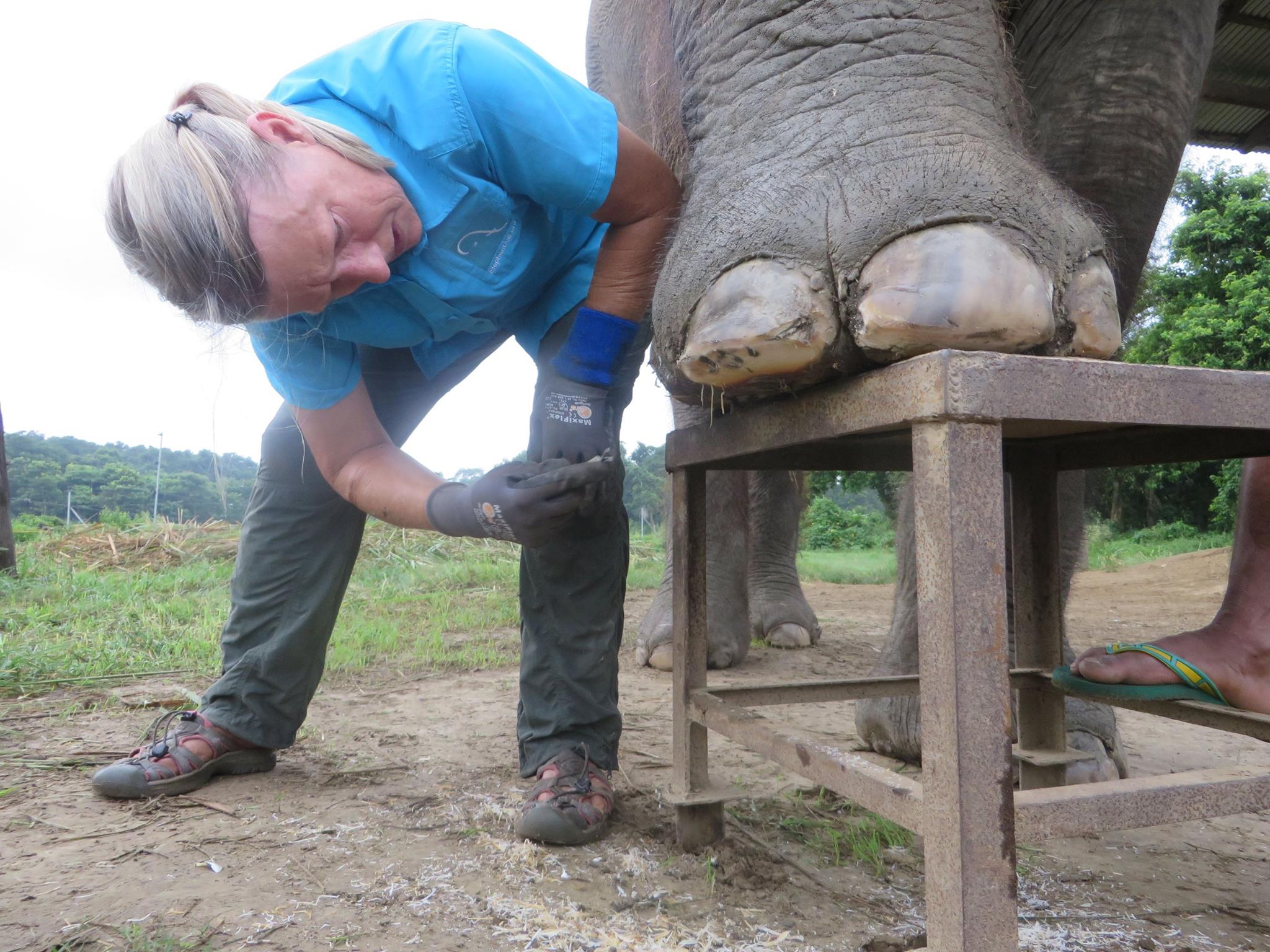
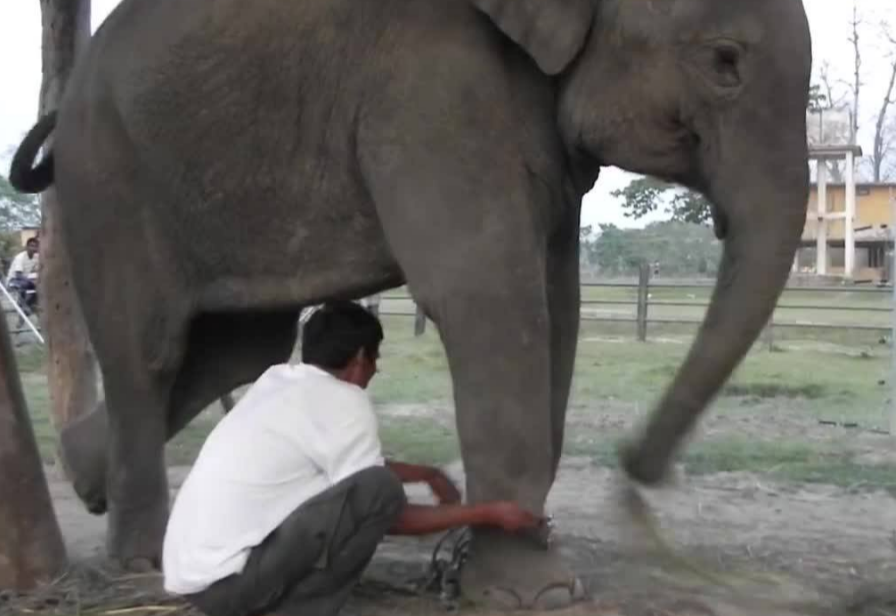
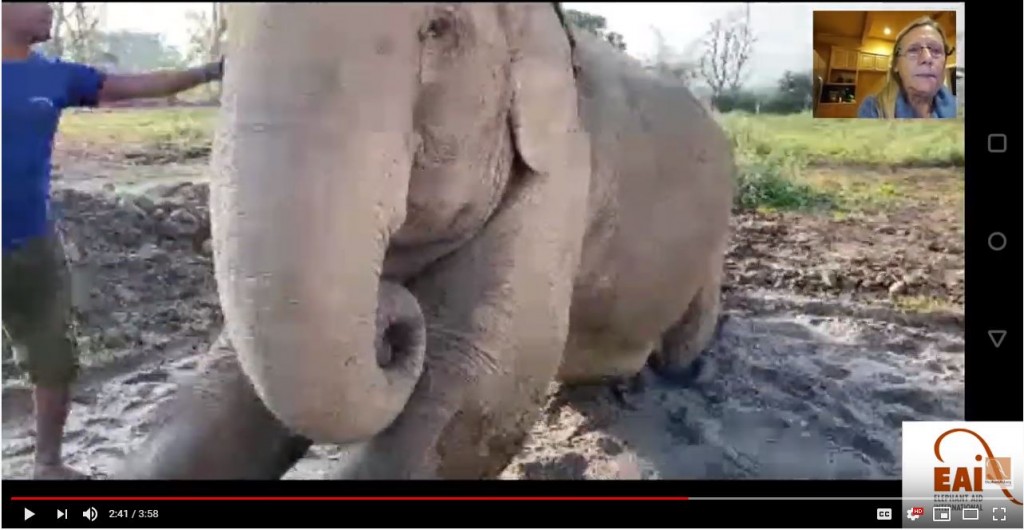
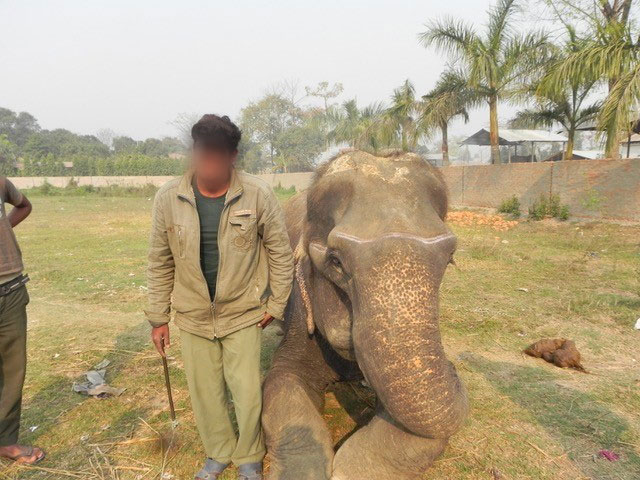
    Recently I had the opportunity to provide emergency foot care for an elephant in Nepal. I am currently in the US and Chanchal Kali, the elephant with the split nail, lives in Nepal. The injury was not the biggest challenge, our opposite locations was.

    Since I have interns in Nepal, I believed that I could assemble a team. But addressing this particular injury was something my interns were not confident about, they needed guidance. So I decided to test technology. Hopefully conducting the nail trimming procedure remotely, using a live feed, would work? We had to try. So, Donna of Direct Aid Nepal organized the mahouts and Chanchal Kali. Lena of Association Moey made sure her staff, both interns of mine, were available to help. And just by chance, Annette, one of my advanced interns, just happened to be in Nepal at the time. Our team was assembled and ready to give it a try.

    At 8am Nepali time, 9pm EST we connected via Whatsapp. As we expected the wifi was weak, the connection dropped several times. But even with the intermittent disconnects, I was able to view the toe and provide step by step instruction. Sanjay and Annette trimmed, Sweta translated and managed the live feed, Donna provided treats, and Chanchal Kali and her mahouts were incredibly cooperative and calm. The crack was deep and causing her pain. Thanks to a successful procedure the pressure is off the crack and the mahouts will monitor as she heals.

    Thank goodness for this technology which enabled us to provide quality care for an elephant in need, halfway around the world. Go Team!

    Carol Buckley

  • How to Be a Responsible Ele-Tourist

    These photos of captive-held elephants in Asia are not unique. I am posting them to document what happens when an elephant is struck on the head with a stick, ankus (elephant hook), axe or other weapon. They illustrate how these elephants suffer for the tourist industry.

    The practice of hitting an elephant on the head with force is traditional across Asia. Abusive dominance is believed to be the only way to control an elephant. It is the form of dominance and punishment taught to and expected of mahouts (handlers).

    It’s easy to blame the mahout but, if we do, that blame is misplaced. Mahouts are poorly educated and paid, low-status workers. According to the cast system, if they want to work , they do what they are told, without question.

    It might be hard for us as westerners to comprehend such blind obedience but in many Asian countries, it is expected of low-status citizens.

    Tourists are key

    Rather than blaming the mahout we should look hard and long at those who control the mahouts — elephant owners and supervisors — and those who finance the system, tourists.

    Yes, tourists are key. Tourists pay to get close and interact with elephants. In many cases, unscrupulous supervisors and owners force mahouts to allow the dangerous interactions tourists want, making the mahout responsible for their safety.

    I have witnessed many examples of young children of higher social standing demand that a mahout allow them to interact with his elephant in a dangerous manner. The mahout and his elephant are required to oblige their whims. These privileged adolescents will even strike the elephant and mahout with a weapon to demonstrate their position of power.

    Hitting and striking

    The mahout is required to keep his elephant under control at all times. When an elephant does not respond quickly to a command, the mahout is, by training, required to strike him/her forcibly with a weapon across the bony surface of the forehead.

    Hitting an elephants’ skull with force causes a thunderous noise and vibration inside the head, as well as physical pain.

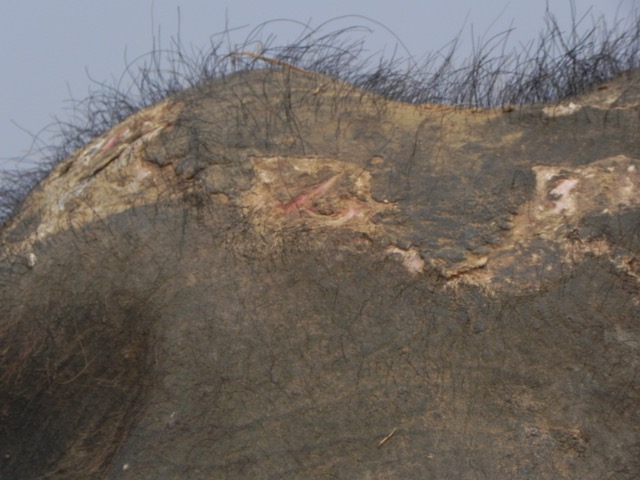
    Repeated hitting causes tissue damage. After several harsh blows, the tissue is irreversibly damaged. It abscesses, dies, rots away, scabs over and then sloughs off, leaving a light colored scar.

    An elephant’s physical response to injury is no different from that of humans’. The process from injury to scar takes weeks, during which time the elephant is suffering painfully.

    No research has been conducted to evaluate the damage done to an elephants’ brain by beatings and subsequent infection. It is known, however, that mammals can contract encephalitis from a brain infection.

    What you can do

    When you travel in Asia you’ll see that most elephants used in the tourist industry have wounds and scars from being beaten. The abuse is driven by tourists’ desire to interact with elephants, requiring mahouts to use force to control their elephants during the interactions.

    Here are three ways you can reduce the suffering of captive-held elephants and contribute to change:

    • Eliminate elephant rides, bathing, painting, entertaining, selfies and hand feeding from your bucket list. If you refrain from direct contact with an elephant, the handler has no need to abuse his elephant to accommodate and protect you.

    • Educate friends and family who plan to visit Asia about the how elephants are used in the tourist industry.

    • Support only organizations that offer ele-friendly programs. Ele-friendly programs prohibit direct physical contact between tourists and elephants. Instead, they allow you to observe the elephants from a safe distance as they go about their daily routine.

    If you or someone you know is preparing for a trip to Asia, there are a few organizations that provide ele-friendly programs: in India, Wildlife SOS India; in Thailand, Boon Lott’s Elephant Sanctuary and The Mahouts Elephant Foundation; and in Nepal, Tiger Tops and the Association Moey.

    An informed tourist is a responsible tourist.

  • Helping Captive-Held Elephants Heal

    Helping Captive-Held Elephants Heal

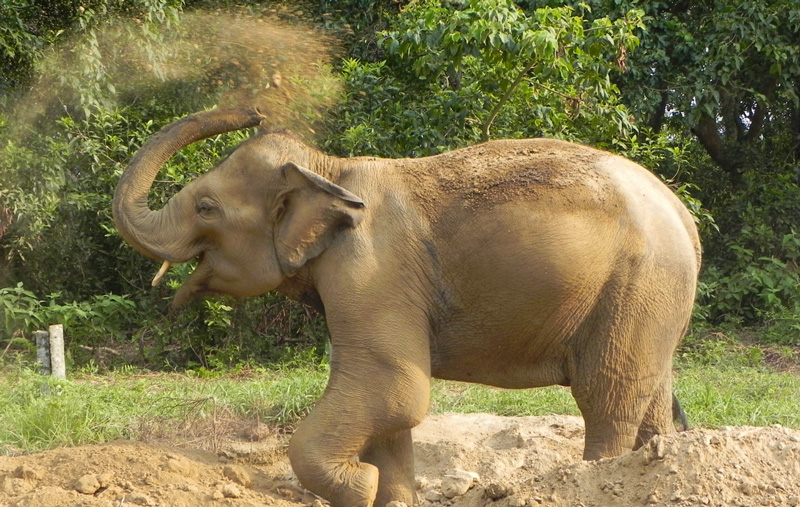
    elephant dusting
    EAI Founder and CEO Carol Buckley recently completed a comprehensive guide to rehabilitating captive-held elephants so they can be released into a wild environment. The guide draws on Carol’s four decades of hands-on experience to present detailed instructions for facility construction and assessing, interacting with and healing traumatized elephants. Although the paper is written for caregivers and those working in direct contact with elephants, anyone interested in the rehabilitation process will find it of value.

    READ THE PAPER

  • EAI Founder Carol Buckley Receives Golden Sun Award

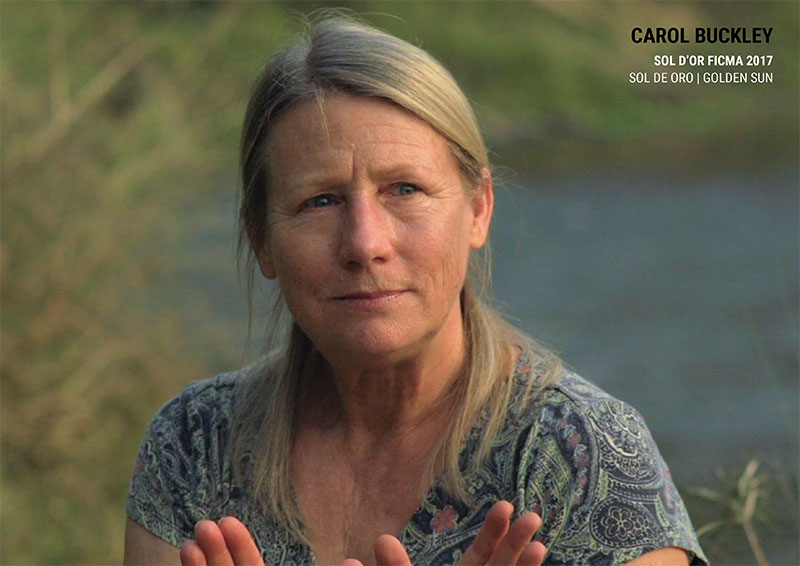
    Carol Buckley wins the Golden Sun Award
    The Barcelona International Environmental Film Festival (FICMA) announced Elephant Aid International (EAI) Founder and CEO Carol Buckley as the recipient of the festival’s Golden Sun award for 2017. This prestigious award recognizes individuals and organizations helping to educate, sensitize and raise consciousness in values of respect for the environment and human-and-animal life.
    24th Barcelona International Environmental Film Festival

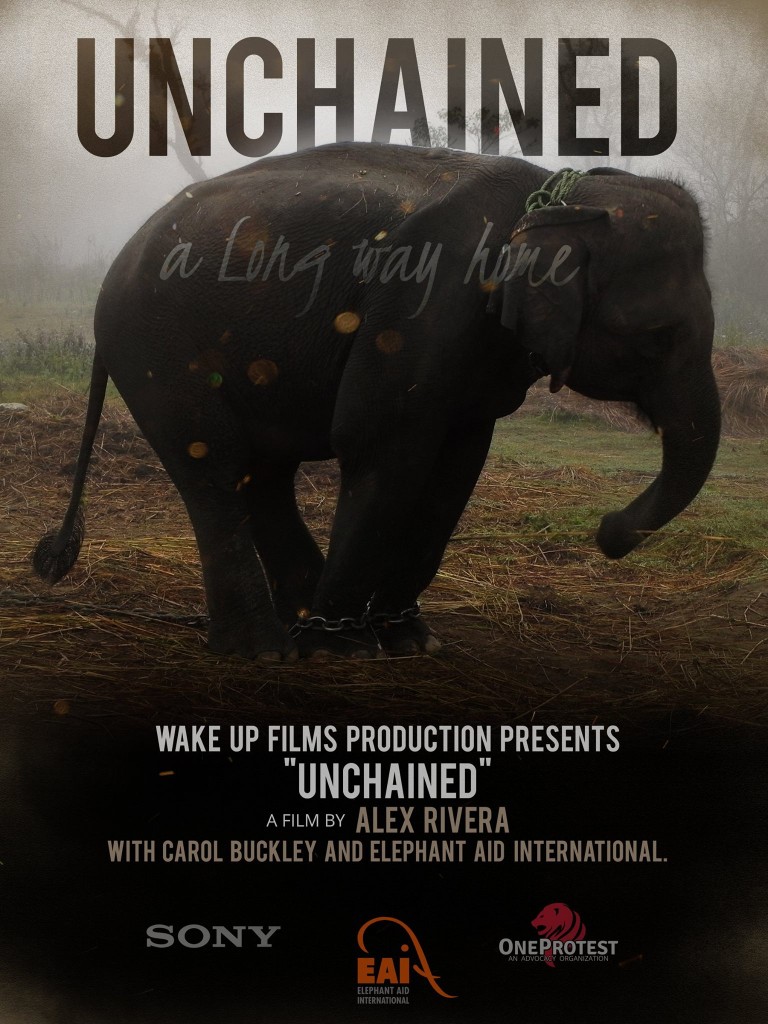
    The documentary UNCHAINED, which follows Carol’s work to enhance captive elephant welfare in Nepal, will be shown at the festival to share possible solutions to the situation of elephants on our planet. Carol will be in Barcelona during the festival to receive the Golden Sun award in person on November 9, 2017.

    In awarding the Golden Sun, FICMA described Carol as “one of the most prestigious persons to talk about the situation of elephants on our planet and that is working for their dignity.” Carol joins other notable animal welfare leaders who have received the Golden Sun including Jane Goodall and Jacques Cousteau.

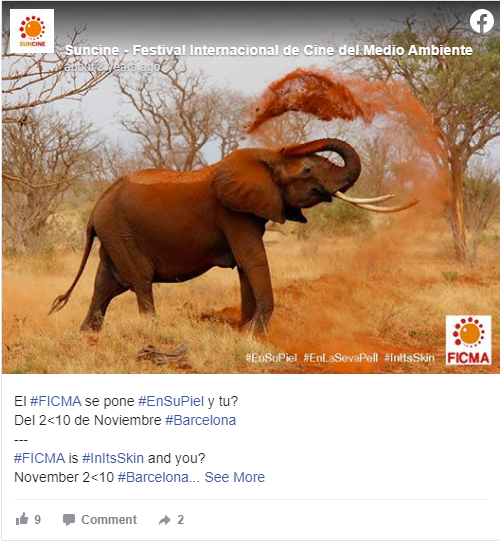
    FICMA elephant

    To learn more, read FICMA’s announcement in the festival catalog (see page 20).

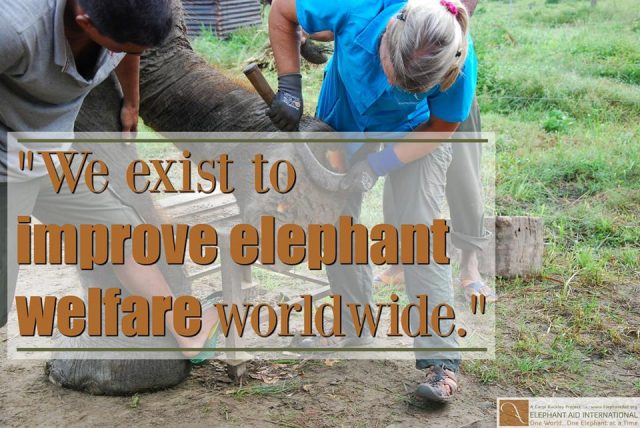
  • We Exist to Improve Elephant Welfare Worldwide

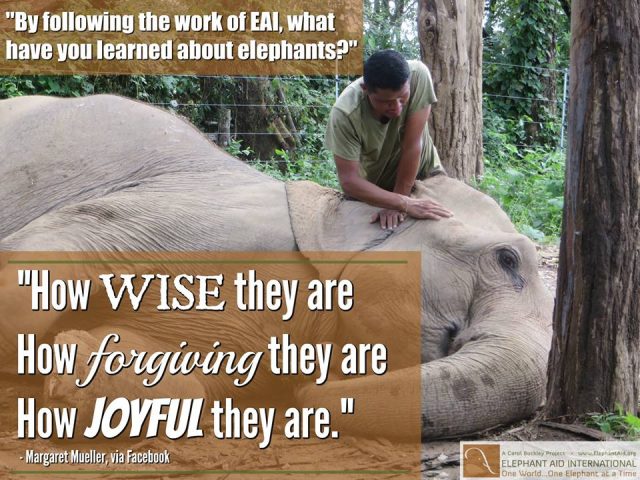
    On Facebook, we asked you to tell us what you’ve learned about elephants by following the work of Carol Buckley and EAI. Margaret Mueller gave this important response.


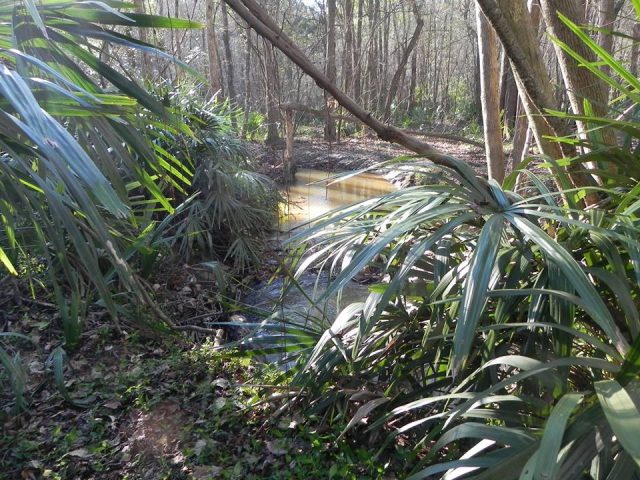
    We recently repaired a blown-out bridge at the creek crossing. This area will be preserved, conserved and left untouched, even by the elephants. The stunning hardwood bottoms.


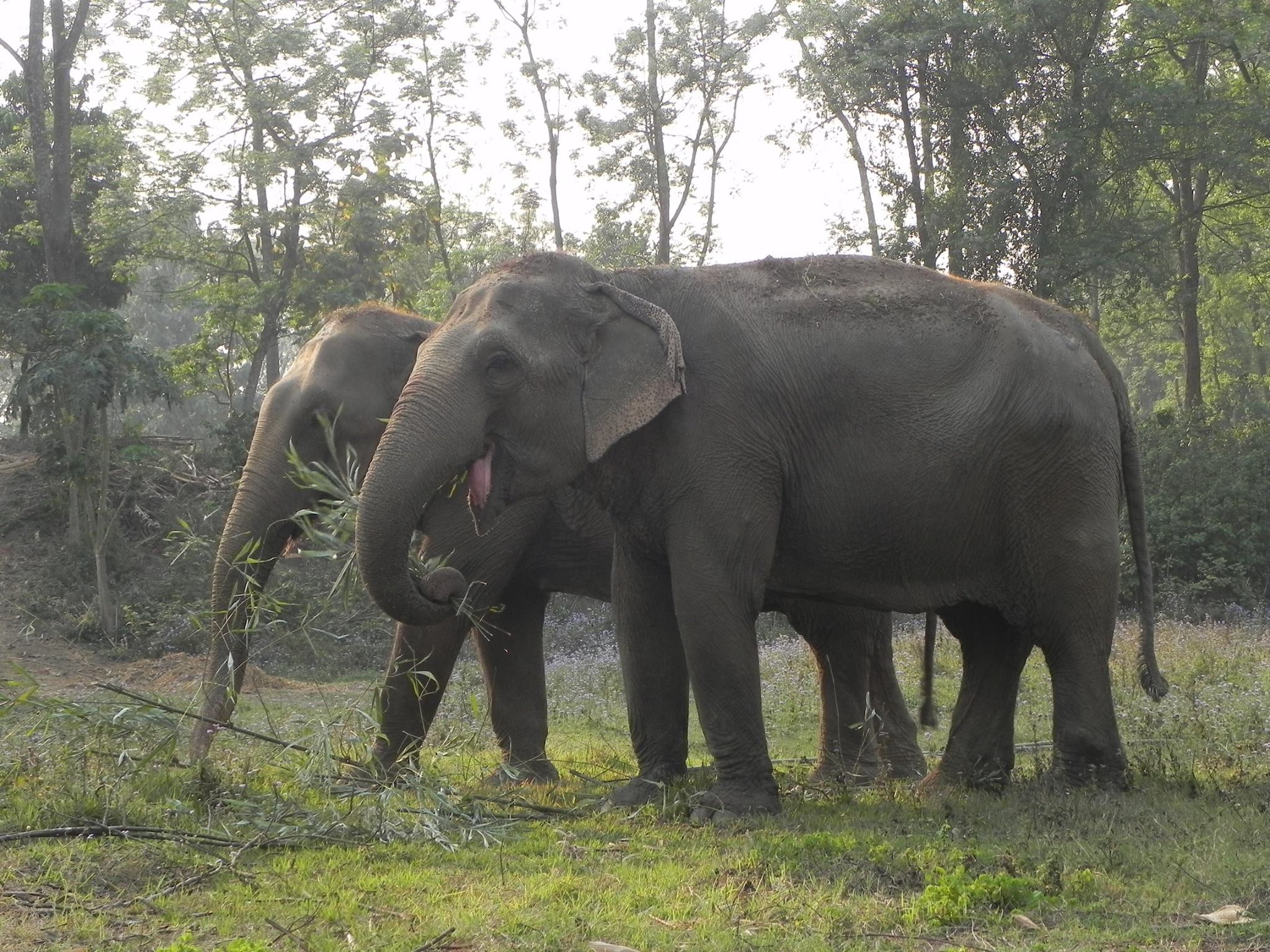
    Corbett Tiger Reserve eles
    Tiger Tops Elephant Camp is offering the incredible opportunity to book a tour to “respectfully observe” elephants in their natural environment.


    We exist to improve elephant welfare worldwide — and we couldn’t help these magnificent beings as well as we do without your continued support. Thank you.


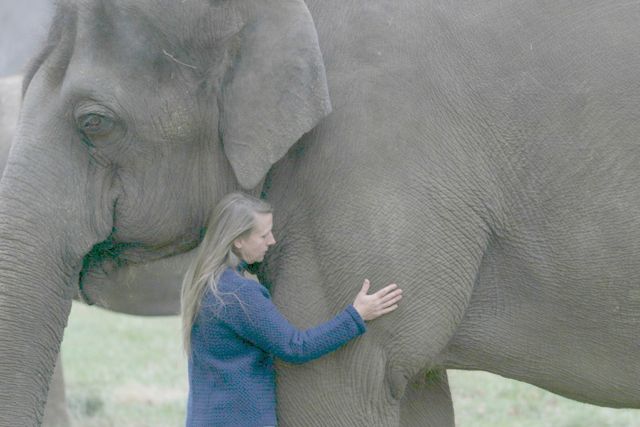
    By sharing her life with Tarra, Carol gained profound insight into the emotional needs of elephants. She continues to utilize this knowledge when creating educational programs to improve elephant welfare standards. Read more about our founder here.


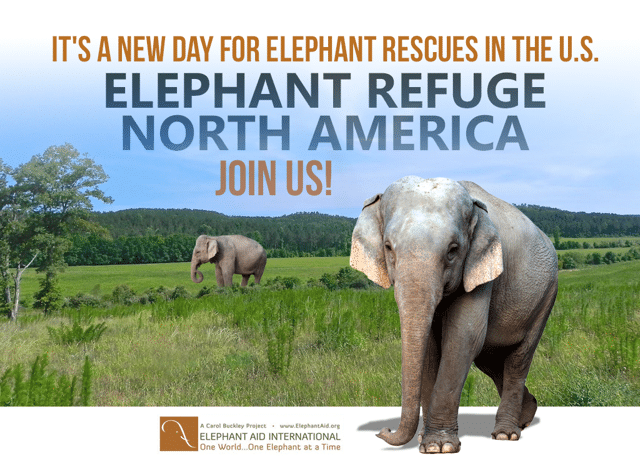
    We are working hard to raise funds and complete the projects required before elephants make ERNA their home. To aid in this incredible journey, please click here and donate. Thank you for your continued support.


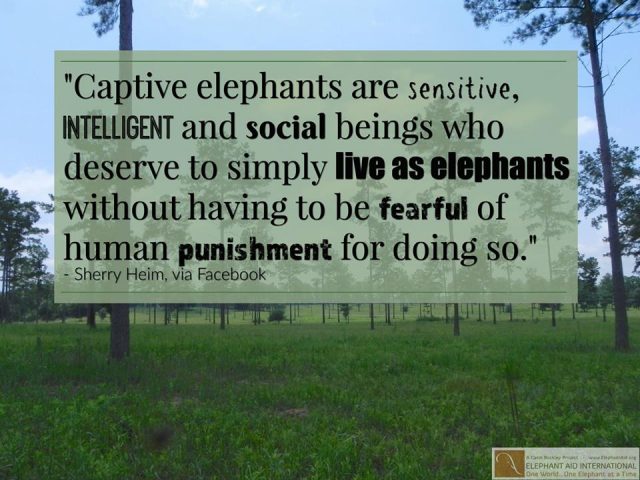
    Sherry Heim offered these words of wisdom in the comments of one of our posts asking what you have learned by following the work of EAI and Carol Buckley.


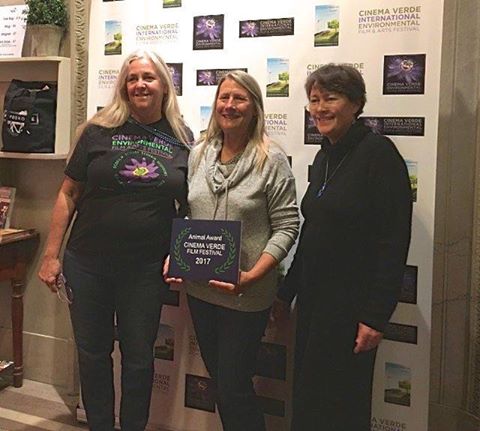
    UNCHAINED the documentary won the Animal Award at the Cinema Verde International Environmental Film Festival! The film was well received and was followed by Q&A by our Founder Carol Buckley, whose work in Asia was the subject of the film.

  • Follow EAI on Twitter!


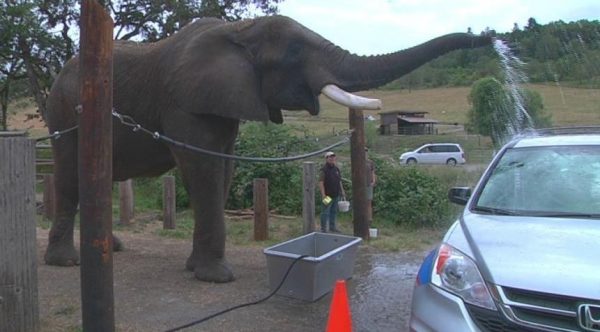
    Elephants are not objects for human amusement. Using elephants as attractions ends when tourists refuse to visit cruel events — such as the “elephant car wash” seen in this article.


    Are you following Elephant Aid International on Twitter? Stay up to date on the latest EAI news and read what others are saying @ElephantAidIntl.


    Speak out on behalf of animals in need.


    In Defense of Animals released a list of the top 10 worst zoos for elephants in 2016. Oklahoma City Zoo topped the list. Warning: The link contains images and videos that may be upsetting to witness. View the full list here.

    ERNA join us
    EAI draws on decades of experience designing and building sanctuaries that give captive elephants new lives of freedom and autonomy. ERNA is a much-needed, sustainable, eco-friendly, natural habitat home, where elephants will not merely survive, they will thrive. Learn more about EAI’s mission, vision and goals for ERNA here.


  • Animal Rescue Site Fundraiser Equals Huge Success

    A small step in the right direction: Sri Lanka has passed tougher laws for the benefit of elephant welfare. With the new laws, young elephants will now be entirely banned from physical work. Sri Lanka will also now be enforcing 41 new legal conditions regarding allowance of bathing time, a proper diet that includes fruits and many more. See the details in the article here.


    We’ve posted a lot of informative videos on our Facebook page. Tell us: Which EAI elephant videos are your favorite? Do you like watching the foot trimming videos? Or do you prefer witnessing an elephant released from chains? Let us know by visiting our Facebook page and leaving a comment!


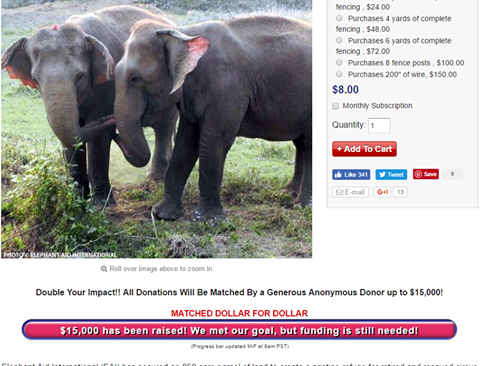
    EXCITING NEWS! The fundraiser made possible by Animal Rescue Site and a generous donor was a HUGE success. The goal of $15,000 has been matched. We are on a roll and ready to raise the remaining funds needed to enclose the property and bring in elephants. We are beyond grateful to all who contributed by donating, as well as commenting, liking and sharing the related posts. Thank you for your continued support and compassion of elephants in need!

    The first screening of UNCHAINED is on January 14th at the Wild & Scenic Film Festival located at 433 Broad Street Nevada City, CA.
  • National Geographic Features EAI

    National Geographic Features EAI

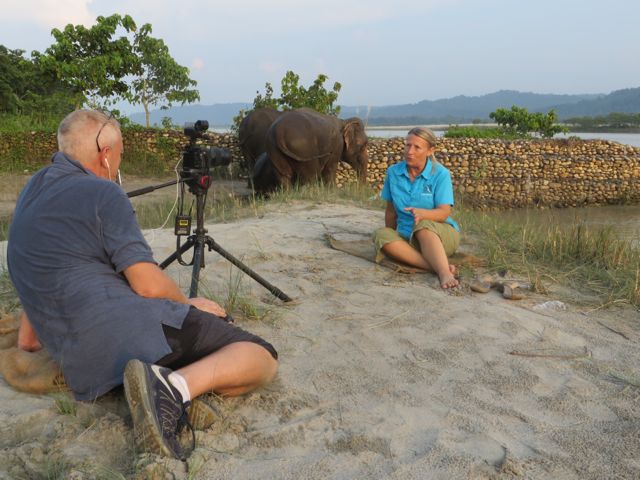
    img_8428_carol-interviewed-by-nat-geo_med

    A new feature in National Geographic, “Captive Elephants Freed From a Life in Chains highlights EAI’s work in Nepal. Carol tells the magazine that “getting [the elephants] ‘chain-free and pain free’ is a start toward improving the lives of captive elephants across Asia.’”

    Read the story and watch the video.

  • The Ivory Game

    The Ivory Game

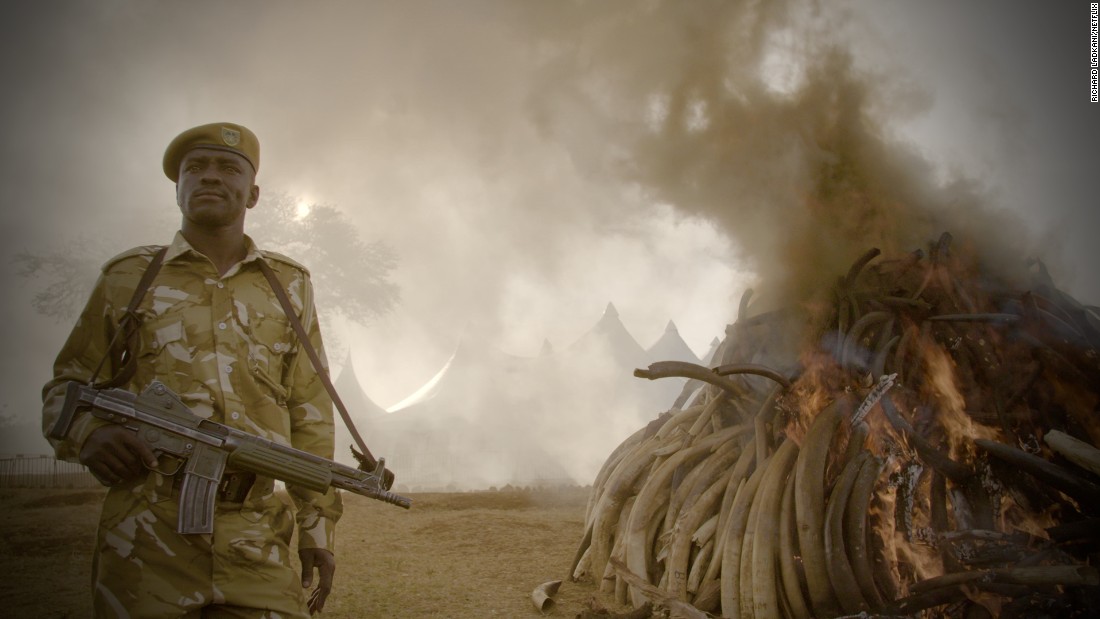
    161027094059-the-ivory-game-2-super-169The Ivory Game” — a documentary regarding Africa’s elephant poaching crisis — was recently released to bring light to this shocking fact: “An elephant is killed every 15 minutes.” Elephants are suffering due to the cruelty of humans. (Warning: The article contains a graphic image.)

    14991189_1314057178624640_8083092852116667903_o

    “Let us remember that animals are not mere resources for human consumption. They are splendid beings in their own right, who have evolved alongside us as co-inheritors of all the beauty and abundance of life on this planet.” – Marc Bekoff

    14566427_1286789894684702_1653308219345432894_o-1Carol trimming Man Kali’s foot as her young son Hem Gaj and mahout Shree watch.


  • Elephants are more than a ride for your entertainment

    Elephants are more than a ride for your entertainment

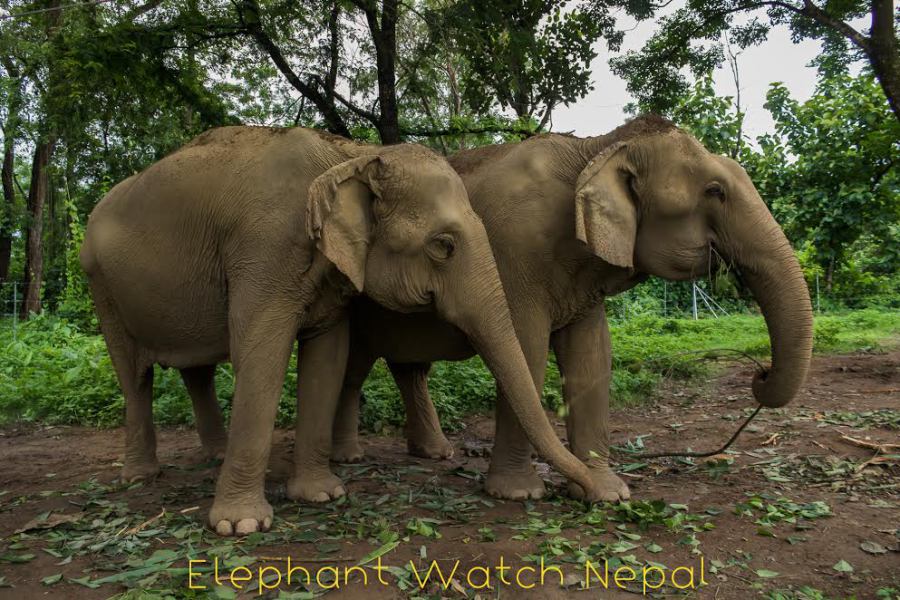
    234In a fantastic article, Elephant Watch Nepal explores the cruelty elephants endure throughout chained captivity. Elephants are more than a ride for your entertainment — they are living, breathing beings who deserve respect and compassion.

    2Last year, a video captured the moment Simsar Kali was freed from her chains — after spending 7 years shackled. The actions of Elephant Aid International in Nepal have recently been gaining the attention of media sites, such as One Green Planet.

    14717311_1115814781788632_7464604301985460838_nWe cannot believe it has been nearly 2 years since we started building chain free corrals in Sauraha, Nepal. Thanks to your support, 106 elephants have benefited from our Chain Free Means Pain Free program.

    14882155_1302122219818136_8189606582067987508_o“When I look into the eyes of an animal, I do not see an animal. I see a living being. I see a friend. I feel a soul.” – Anthony Douglas Williams

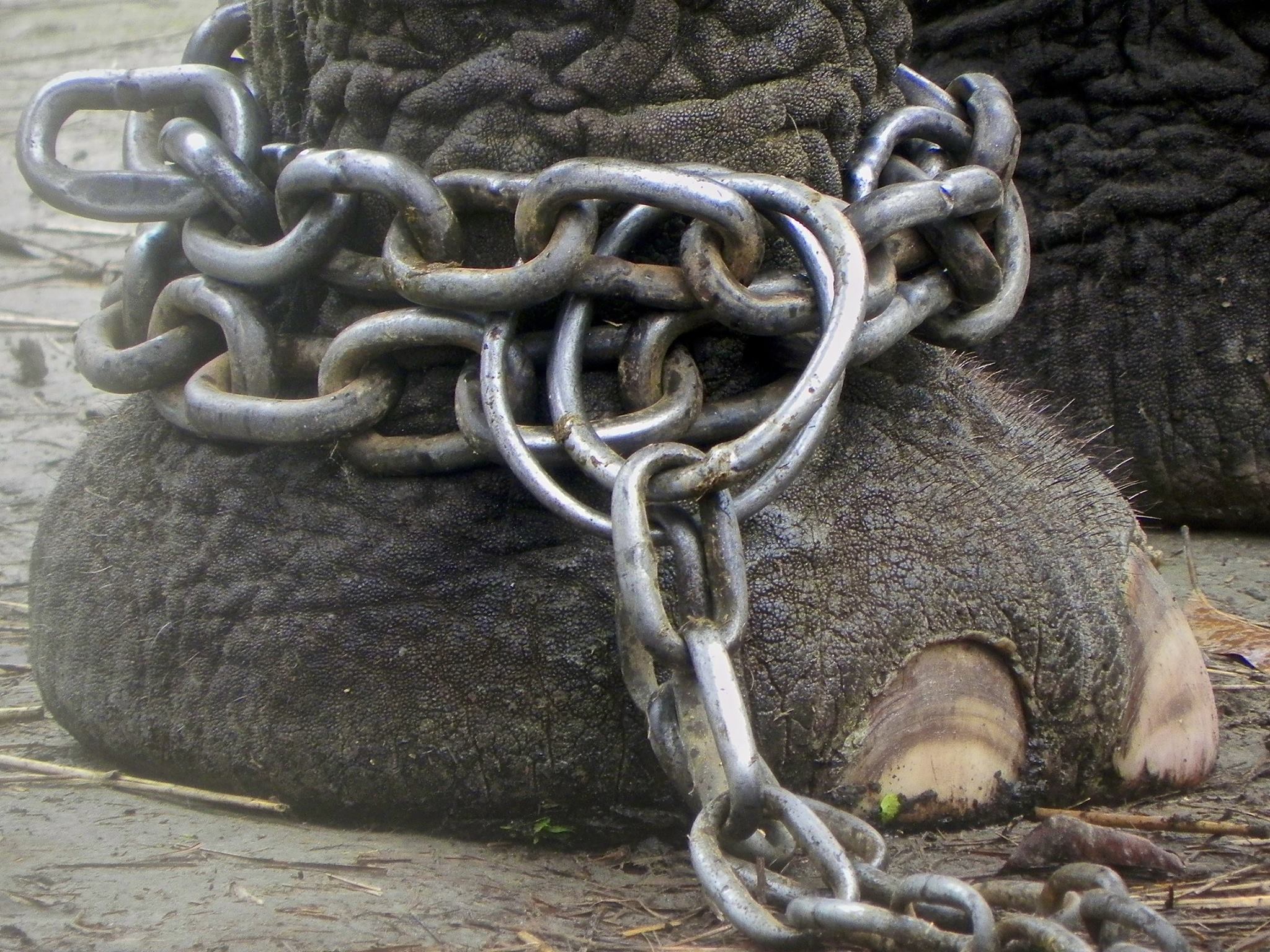
    14608833_1302174213146270_913941189433689731_oImagine spending your entire life shackled to the ground — trapped in agony by those who are supposed to care for you. Captive elephants should never be chained. They are sentient beings who deserve respect, autonomy and to be allowed to walk chain free and pain free.

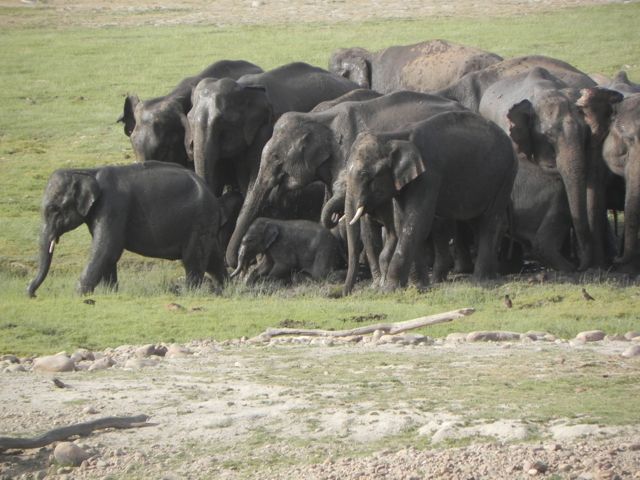
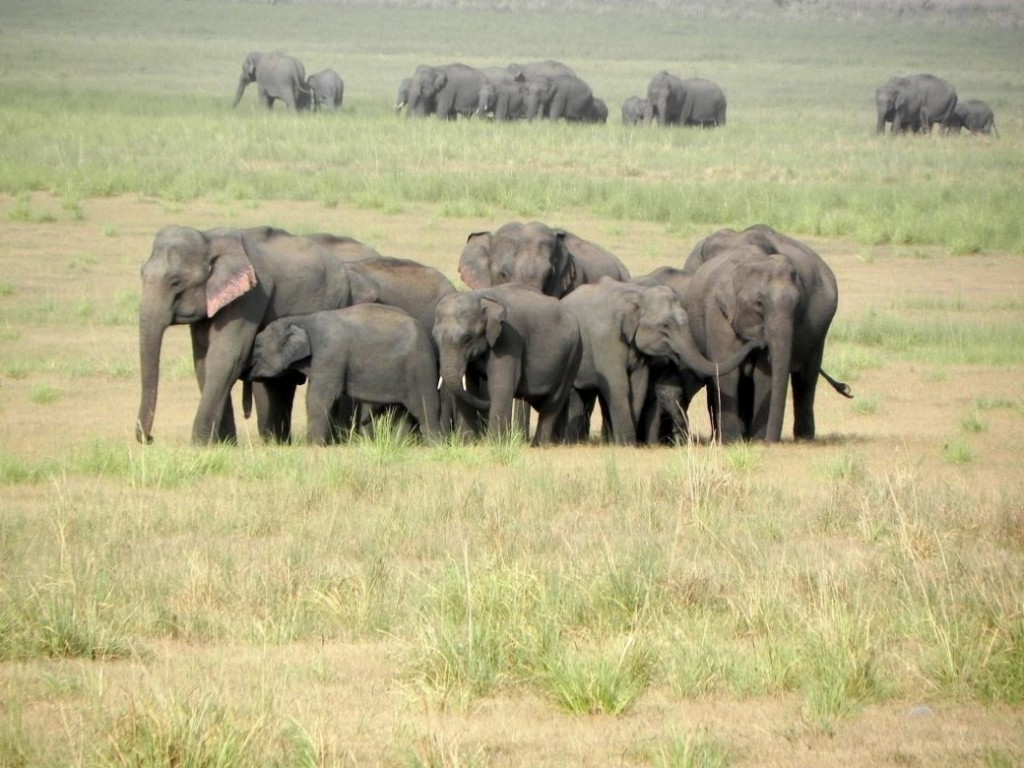
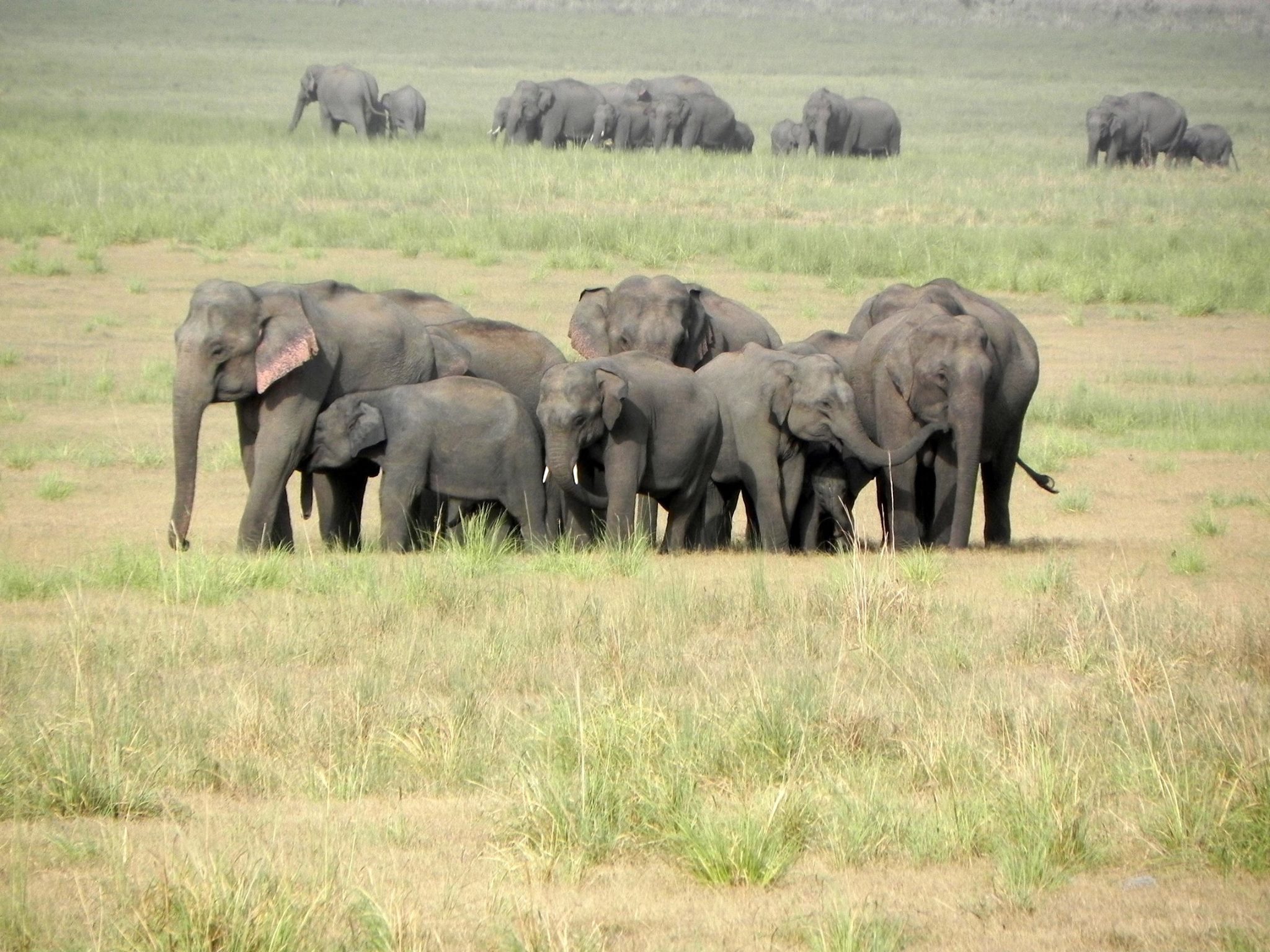
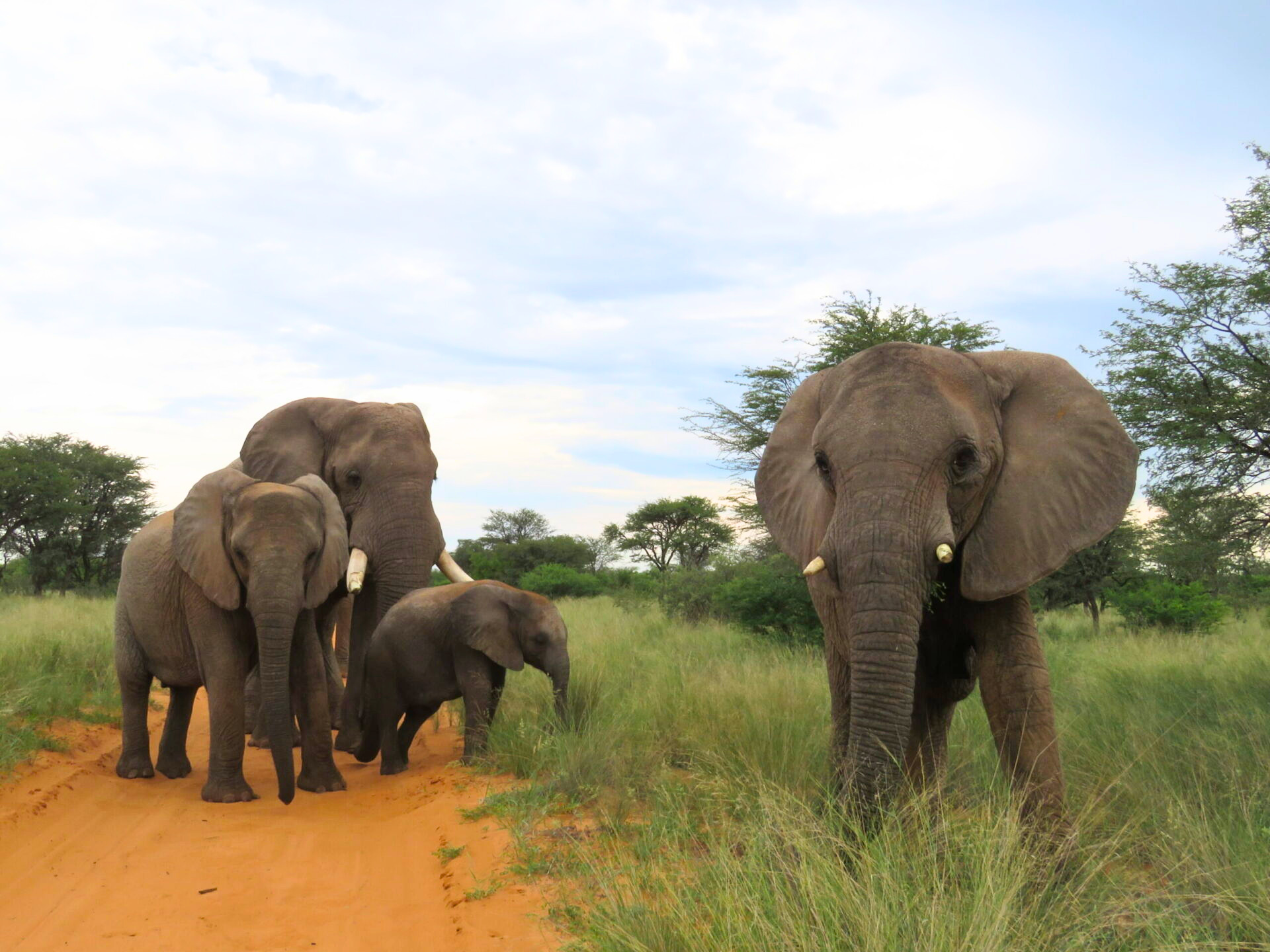
    14590068_1303170419713316_2063596753955300023_oThis breathtaking photo taken in Corbett National Park, India, captures the magnificence of a healthy herd of Asian elephants in their natural-habitat home-range.

  • The Suffering Continues At Nepal’s Top Tourist Destination

    The Suffering Continues At Nepal’s Top Tourist Destination

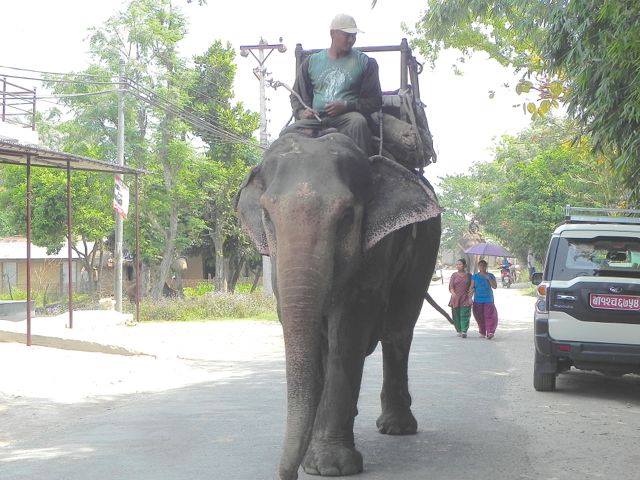
    EAI‬ has been “boots on the ground” in ‪Nepal for nearly five years. Initially, much of our efforts were focused on improving welfare for the privately owned ‪elephants used for tourist rides.

    We’ve provided free pedicures and husbandry and training advice bi-annually since 2011. But today the safari elephants of ‪Chitwan suffer to the same degree as they did when we first started. As long as ‪tourists pay to ride elephants, the elephants of Nepal will continue to be exploited.

    One way for you to help is by supporting groups actively working to influence tour companies to drop elephant safaris from their tour packages. Elephant Watch Nepal is one such group.

    Old abused ele
    Six months ago we found this elephant being walked along a busy highway, in the midday scorching sun, on a 30-mile walk back from a party she’d been hired for.

    Today we found her in Sauraha on her way to the tourist ride area.

    saggy dehydrated flesh
    Saggy, dehydrated flesh

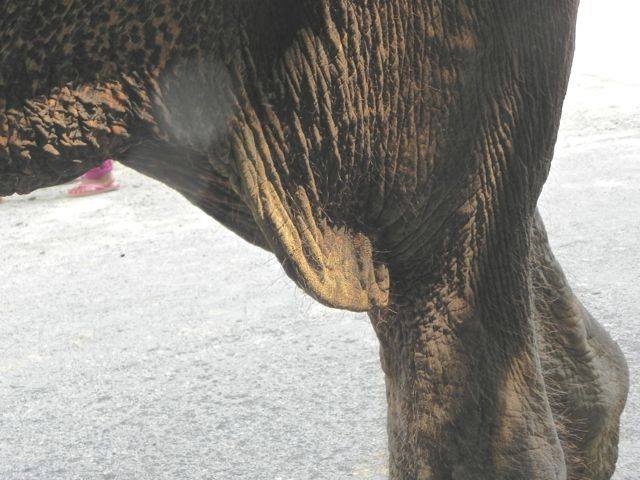
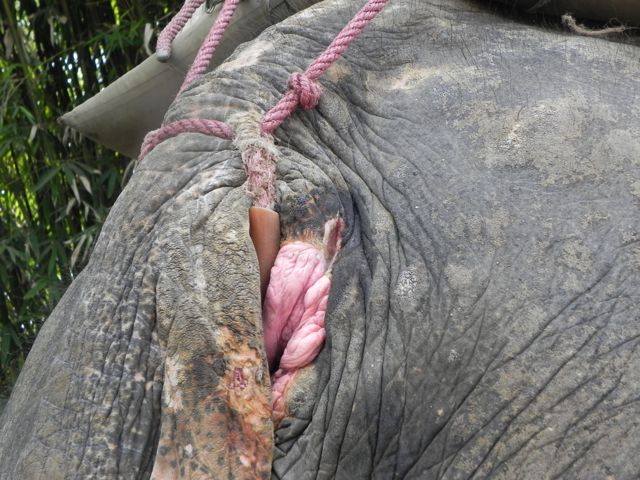
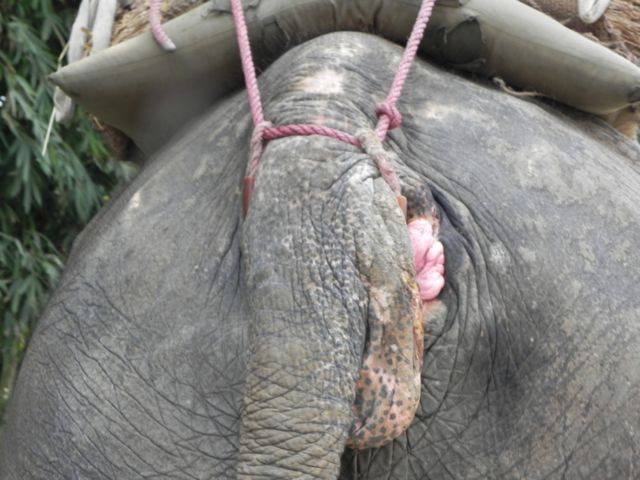
    This old elephant is blind, dehydrated, exhausted, underfed, continually beaten and suffers from deep gouges around her anus from the howdah (saddle) rope.

    Painful wounds caused by nylon ropes
    Painful wounds caused by nylon ropes used to tie the howdah (saddle) on for tourist rides
    torn anus
    Torn anus

    The owner and mahouts are aware of her injury and how to prevent and treat it. But they do nothing to ease her suffering.