Category: Elephants I have known

  • So Many Lost

    So Many Lost

    [smartslider3 slider=6]

    World Animal Day was created to help raise the status of animals to improve welfare standards around the globe. It is befitting to commemorate this day by paying tribute to four elephants in Nepal who recently died. Each made profound contributions to wildlife conservation efforts for more than five decades. I am forever grateful for everything these amazing beings taught me.

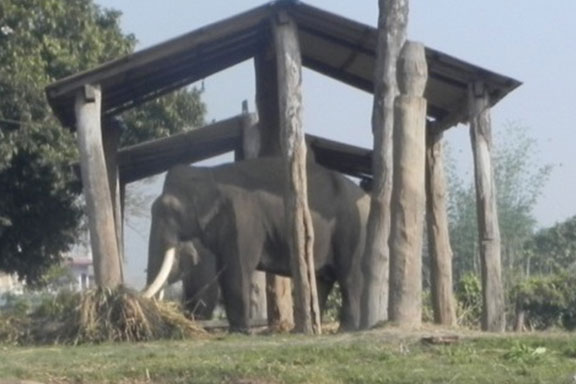
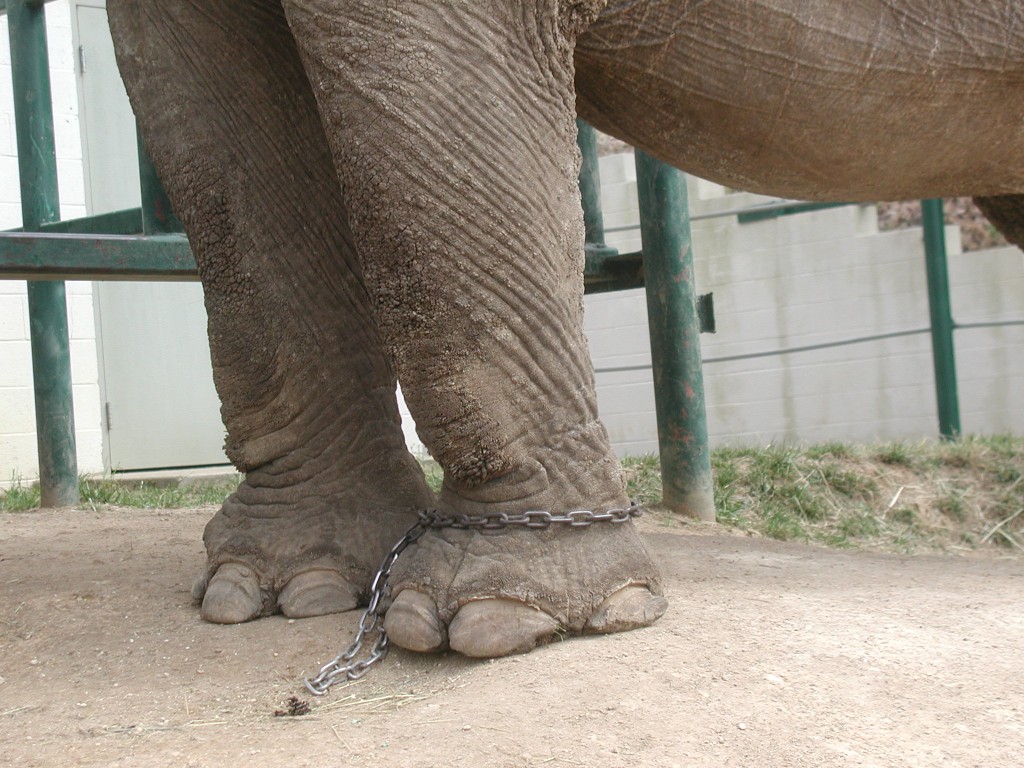
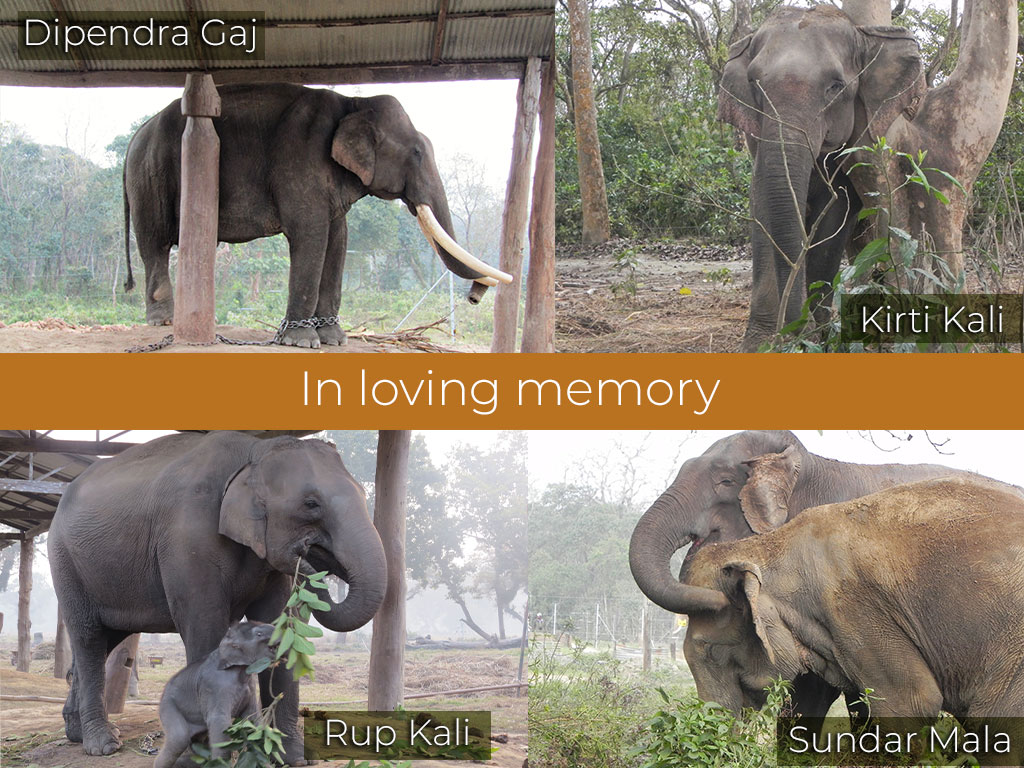
    Dipendra Gaj, Rup Kali, Kirti Kali and Sundar Mala were all members of a select group of anti-poaching patrol elephants deployed daily in Chitwan National Park. For decades they worked dawn to dusk protecting wildlife. When they returned to their shelter each evening, their front feet were shackled together with heavy chains to restrict their movement. They spent every night of their lives isolated from fellow elephants, including their offspring.

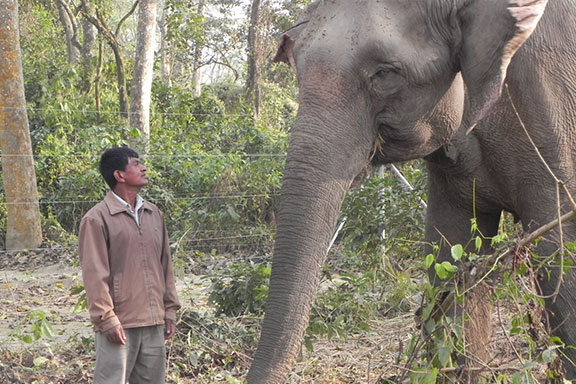
    Captive life for these elephants was never easy. Neither were the lives of their mahouts (keepers). Together these conservation rangers did their jobs obediently, rain or shine, day in and day out. Their success at protecting wild rhinos and tigers is the pride of the conservation world.

    Elephants, of course, are an endangered species, designated by Nepal as a heritage animal. These four elephants were wild born, but because they ended up in captivity, their value was diminished in the eyes of their human overlords.

    I honor these elephants by sharing their stories, by telling the truth about who they were, how they lived and how much they contributed to conservation in Chitwan National Park. In speaking openly about these four brave elephants, I hope not to cause outrage and protests, but to bring about change for their surviving captive-held brethren.
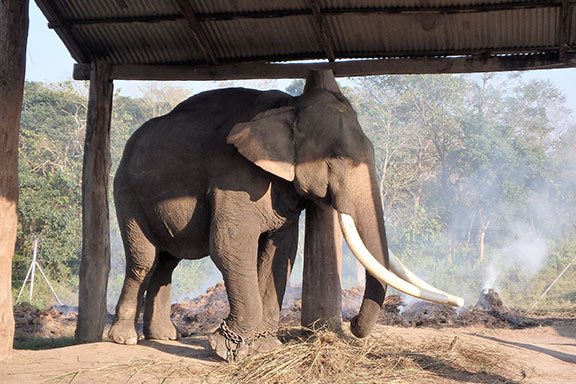
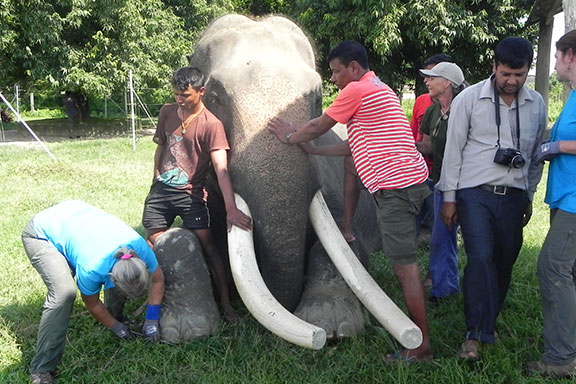
    Dipendra Gaj was a magnificent bull who was resigned to his duty. Forced to comply with every demand made upon him, he never lost his sense of self. He seemed to overlook the demeaning aspects of his life and remain proud of being an impressive bull elephant. It was my greatest honor to trim his feet twice a year. His superior cognitive abilities and willingness to accept care made his mahouts so very proud. Dipendra Gaj died in his mid 50’s–too young–after losing his battle with the human strain of tuberculosis.
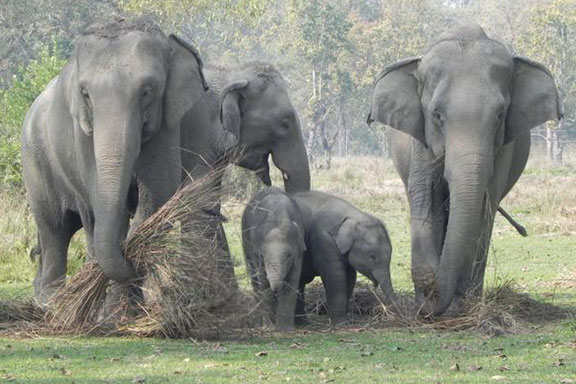
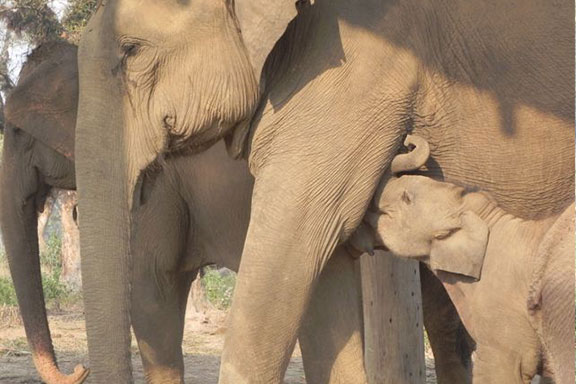
    Rup Kali was a wise mother and grandmother. Captured from the wild at a young age, she was forced into servitude. Her official anti-poaching patrol duty spanned nearly 60 years.

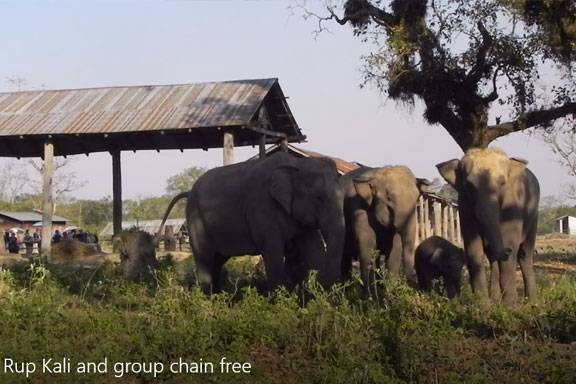
    When we first met Rup Kali, she was “auntie” to two calves, one four months old, and the other five months. The calves were left unchained so they were free to wander through the hattisar (elephant stable) to socialize with the chained adults. They developed a deep relationship with Rup Kali, spending more time with her than with their own mothers. Rup Kali responded by developing milk and nursing both calves.

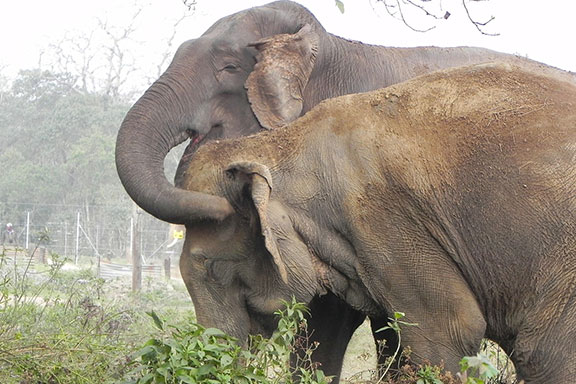
    In 2015, Rup Kali was released into a chain-free corral built by EAI, which she shared with the two calves and their mothers. The elephants were overwhelmed by their new circumstances and melted into one another, forming the unbreakable bonds elephant families are renowned for.

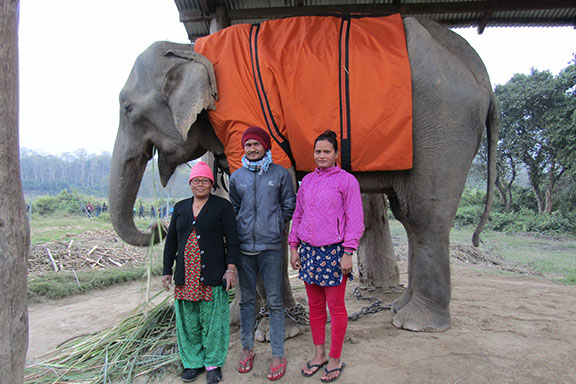
    Later, Rup Kali was moved to a remote hattisar where she was semi-retired. After losing her last set of teeth, she became thin. EAI provided her with a coat this past winter, which she wore willingly. This spring, Rup Kali died of natural causes. She was in her seventies.
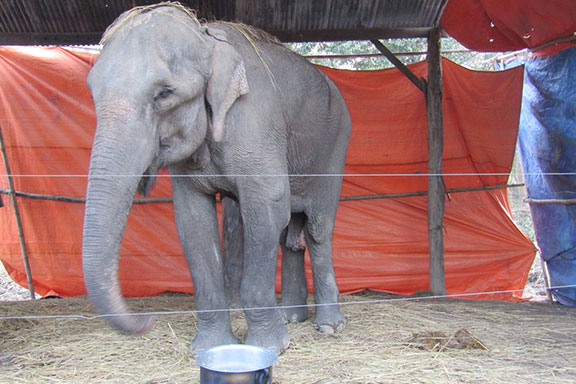
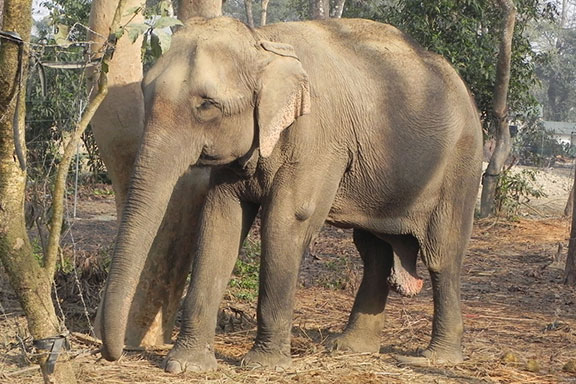
    Kirti Kali had a long, documented history of conservation work and giving tourist rides. She was a member of a group of elephants who were isolated from each other under separate tin shelters, and never allowed to socialize.

    Kirti Kali was one of two elephants who provided elephant back safaris in Chitwan National Park. Her anti-poaching patrol duties meant long days in the sweltering summer heat and harsh winter cold. She was also required to provide tourist rides every dawn and dusk. The majority of riders were Nepali VIPs receiving special tours of the park (all other safaris take place outside the park in buffer zone forests). It was reported that the funds she generated paid staff salaries.

    Midlife, Kirti Kali developed a severe case of carcinomas that affected her gait and subsequently her foot health. Over time she became thin and remained that way until her death.

    In 2014, Kirti Kali was one of five elephants to receive a chain-free corral built by EAI. At first, her mahouts resisted allowing her to live chain-free since she had a history of aggression. But shortly after the other elephants went chain free, Kirti Kali did as well. She proved to be a star resident of chain-free living, remaining calm, responsive and nonaggressive.

    Last winter, Kirti Kali’s health deteriorated, which meant she no longer had to give rides. Tarps were erected around her stable to help block the cold wind, and EAI provided a coat to keep her warm.

    This spring, Kirti Kali died after years of suffering from the human strain of tuberculosis. Her contribution to conservation was as great as her suffering. She was almost 60 years old.
    Sundar Mala was another wild-caught elephant who spent her entire captive life working anti-poaching patrols protecting Nepal’s wildlife. Although age is sometimes difficult to confirm, I was told that she was close to 60 years old when we first met. She was severely thin and suffering from foot disease.

    In 2015, after living chained in isolation most of her life, Sundar Mala was released into a chain-free corral built by EAI. She and Oma Kali, a senior elephant who had been crippled by a wild bull, bonded instantaneously and remained inseparable until Oma Kali died two years later.

    Sundar Mala was the first recipient of a winter coat. It took some convincing for the government to grant permission for EAI to provide the custom-made garment, but thanks to Sundar Mala’s complete acceptance of her coat, many other elephants in need have since received them as well.

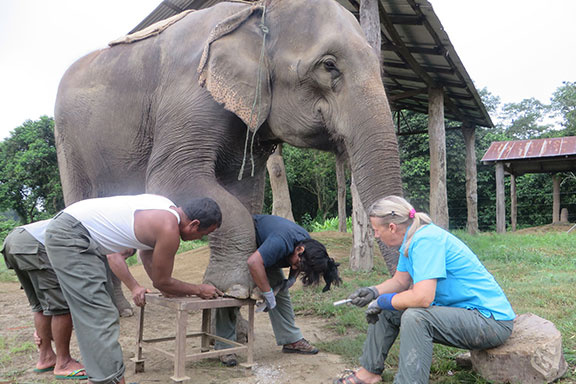
    During our bi-annual foot trimming visits, Sundar Mala was always the first client. She was unable to lie down, but quickly learned how to place her feet on a platform so that her nails and foot pads could be trimmed. It was always a group effort, with two to three mahouts and me gently maneuvering her feet into place and trimming, while yet another person provided treats, her favorite part. Sundar Mala’s calmness, cooperation and gentle engagement was humbling.

    Last winter, I heard Sundar Mala’s health was deteriorating. We offered support in the form of supplemental food and a new coat. She wore her coat with a sense of pride, posing with her team of mahouts and well wishers. With the deepest sadness, I learned Sundar Mala just passed away. She was reportedly in her mid-70’s.

    I can only hope the sacrifices made by these and other elephants we have lost does not go unnoted. They are heroes of the greatest magnitude, wild-caught elephants who rose to the challenges forced upon them. Their contributions to the success of human endeavors cannot go unrecognized, nor the cost they paid in their service to humans and other animals.

    With our deepest respect, rest in peace, Dipendra Gaj, Rup Kali, Kirti Kali and Sundar Mala.
  • How to Be a Responsible Ele-Tourist

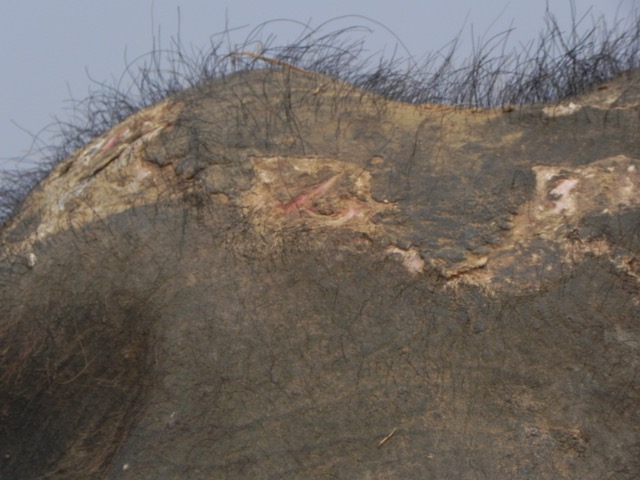
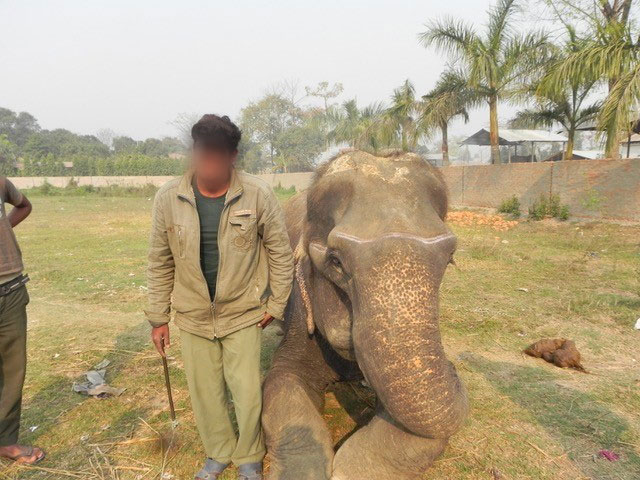
    These photos of captive-held elephants in Asia are not unique. I am posting them to document what happens when an elephant is struck on the head with a stick, ankus (elephant hook), axe or other weapon. They illustrate how these elephants suffer for the tourist industry.

    The practice of hitting an elephant on the head with force is traditional across Asia. Abusive dominance is believed to be the only way to control an elephant. It is the form of dominance and punishment taught to and expected of mahouts (handlers).

    It’s easy to blame the mahout but, if we do, that blame is misplaced. Mahouts are poorly educated and paid, low-status workers. According to the cast system, if they want to work , they do what they are told, without question.

    It might be hard for us as westerners to comprehend such blind obedience but in many Asian countries, it is expected of low-status citizens.

    Tourists are key

    Rather than blaming the mahout we should look hard and long at those who control the mahouts — elephant owners and supervisors — and those who finance the system, tourists.

    Yes, tourists are key. Tourists pay to get close and interact with elephants. In many cases, unscrupulous supervisors and owners force mahouts to allow the dangerous interactions tourists want, making the mahout responsible for their safety.

    I have witnessed many examples of young children of higher social standing demand that a mahout allow them to interact with his elephant in a dangerous manner. The mahout and his elephant are required to oblige their whims. These privileged adolescents will even strike the elephant and mahout with a weapon to demonstrate their position of power.

    Hitting and striking

    The mahout is required to keep his elephant under control at all times. When an elephant does not respond quickly to a command, the mahout is, by training, required to strike him/her forcibly with a weapon across the bony surface of the forehead.

    Hitting an elephants’ skull with force causes a thunderous noise and vibration inside the head, as well as physical pain.

    Repeated hitting causes tissue damage. After several harsh blows, the tissue is irreversibly damaged. It abscesses, dies, rots away, scabs over and then sloughs off, leaving a light colored scar.

    An elephant’s physical response to injury is no different from that of humans’. The process from injury to scar takes weeks, during which time the elephant is suffering painfully.

    No research has been conducted to evaluate the damage done to an elephants’ brain by beatings and subsequent infection. It is known, however, that mammals can contract encephalitis from a brain infection.

    What you can do

    When you travel in Asia you’ll see that most elephants used in the tourist industry have wounds and scars from being beaten. The abuse is driven by tourists’ desire to interact with elephants, requiring mahouts to use force to control their elephants during the interactions.

    Here are three ways you can reduce the suffering of captive-held elephants and contribute to change:

    • Eliminate elephant rides, bathing, painting, entertaining, selfies and hand feeding from your bucket list. If you refrain from direct contact with an elephant, the handler has no need to abuse his elephant to accommodate and protect you.

    • Educate friends and family who plan to visit Asia about the how elephants are used in the tourist industry.

    • Support only organizations that offer ele-friendly programs. Ele-friendly programs prohibit direct physical contact between tourists and elephants. Instead, they allow you to observe the elephants from a safe distance as they go about their daily routine.

    If you or someone you know is preparing for a trip to Asia, there are a few organizations that provide ele-friendly programs: in India, Wildlife SOS India; in Thailand, Boon Lott’s Elephant Sanctuary and The Mahouts Elephant Foundation; and in Nepal, Tiger Tops and the Association Moey.

    An informed tourist is a responsible tourist.

  • In Memory of Hanako

    In Memory of Hanako

    When I met Hanako less than two months ago, it was obvious to me that she was nearing the end of her life.

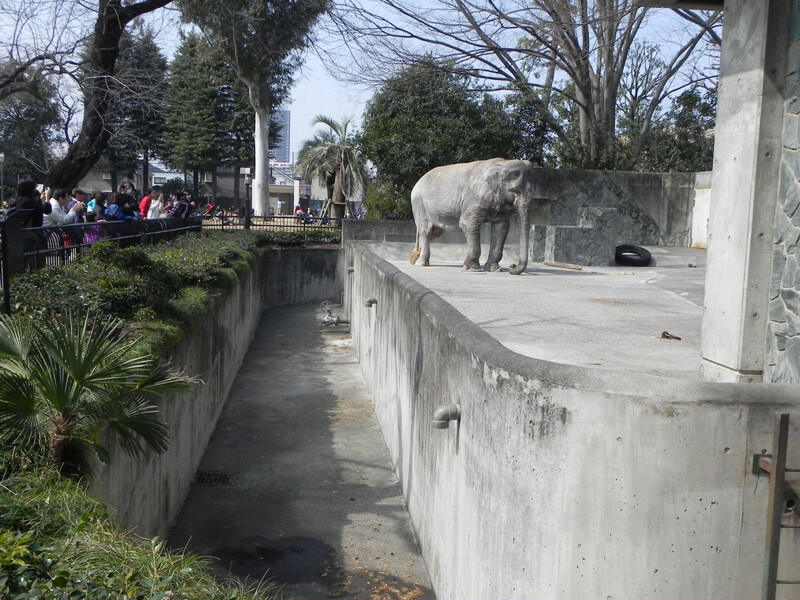
    Hanako had spent close to seven decades in one of the most deprived environments I’ve seen.

    Every surface in her barn and yard was covered with unyielding, moisture-robbing, highly abrasive concrete. There was not a blade of grass, a tree or a patch of dirt anywhere in the small space.

    While at the zoo I learned that Hanako had recently stopped lying down to sleep. Instead of spending several hours each night on her side sleeping, she spent a lesser amount of time leaning against the barn wall, dozing.

    After studying her records it was clear that Hanako’s appetite and drinking habits had also changed. The times when she would refuse to eat grew more and more frequent.

    Hanako also refused to use her outside pool or allow her keepers to bathe her. As result her skin was dehydrated and her legs were stained with urine.

    The staff could not account for these changes in Hanako’s behavior. But such changes are to be expected of an elephant of Hanako’s age.

    It was heartbreaking to observe that her eyesight was failing, she shivered continually and she was physically inactive.

    Each morning, until at least a month before her death, Hanako would walk the few feet from the barn to the outside concrete yard. There she would stand and engage in stereotypical behavior for hours before taking the few labored steps back inside her barn at the end of the day.

    My first afternoon at the zoo I witnessed a change in Hanako’s behavior. Without any obvious provocation she seemed to startle from her catatonic state and began moving around her small yard.

    Then the barn door opened and she became vocal and animated. She approached the door, placed her foot in the track and engaged in the most bizarre stereotypic routine I’d ever seen.  She pushed her toe into the track, pulled back as if her foot was caught in it, removed her foot and then repeated the sequence twelve times. Keepers later told me she did this stereotypical sequence every time before she entered the barn. Not always twelve times—sometimes more, sometimes less.

    After completing her stereotypic ritual, Hanako rushed into the barn, moving with an uncharacteristic urgency as if someone was trying to keep her from entering. Her eyes lit up and she became very vocal.

    I assumed she was excited about the pile of fresh vegetables and grass on the floor. But it was not the food. It was her keepers she was focused on.

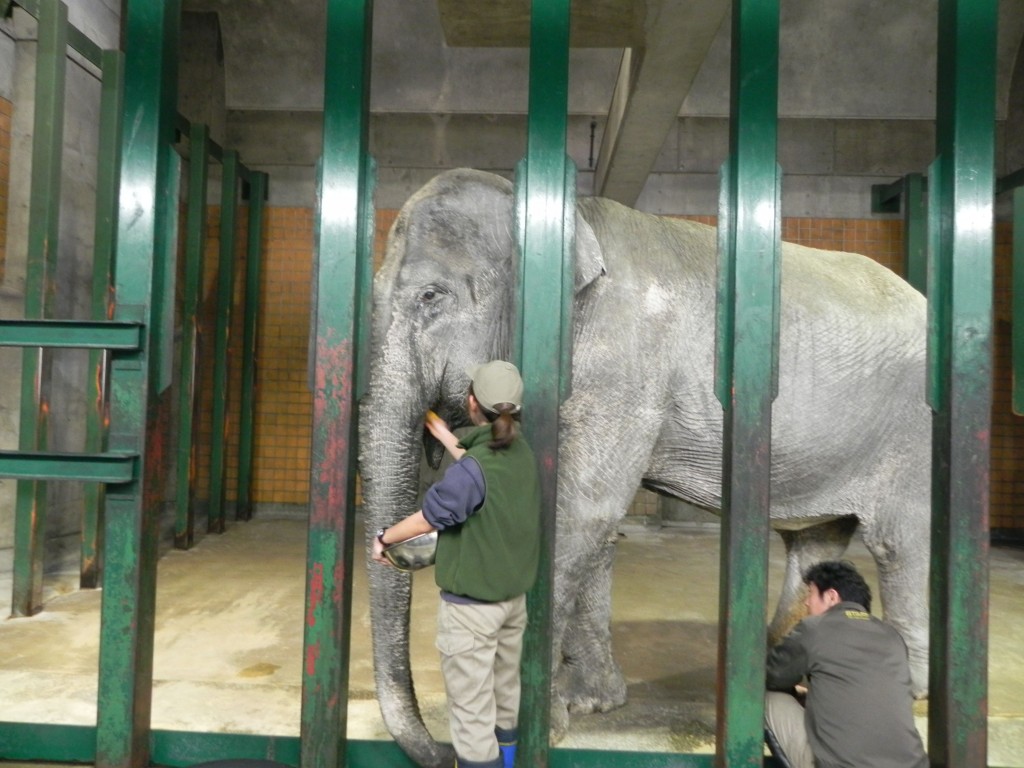
    Hanako was obviously excited to see her keepers and anxious for them to pet her. She offered her foot through the steel bars that divided the elephant and keeper spaces, leaned up against the bars and turned to receive pets on her backside and hip.

    She chattered to her keepers the entire time, soliciting and savoring their every touch. This was a side of Hanako I had not seen—her comfort with and attachment to her keepers.

    The keepers appeared to enjoy the interaction as well. But fifteen minutes later, Hanako’s allocated social time was over. As the keepers turned their attention to barn duties, I watched as Hanako slipped back into her detached state of mind.

    The thermostat was set, water barrel checked, food swept into a neat pile, lights turned off, doors closed and keepers gone again until tomorrow. Once again Hanako was alone.

    Failed by the system

    Hanako was denied a natural life of freedom with her natal family simply because humans are intrigued by this species. But humans failed her time and time again.

    Even if they wanted to, the zoo staff was unable to evaluate Hanako’s health scientifically. Hanako and her keepers weren’t trained to carry out basic health checks and her antiquated facilities did not provide a safe environment for medical testing or treatment. Aside from tranquilizing Hanako, there was no safe way to compile a comprehensive medical work up.

    The government owns and runs all the zoos in Japan. The keepers are rotated throughout the zoo system, transferred to a different zoo every two years. Knowing the social complexity of elephants, having keepers rotate in and out of Hanako’s life so often would have been stressful, even traumatic.

    Decades ago Hanako had an extremely close relationship with one of her keepers. After he died she reportedly became aggressive and as result was kept chained for a length of time.

    It is reasonable to assume that Hanako suffered both physically and psychologically from her lack of companionship and physical activity. In Hanako’s case, her social isolation was the most detrimental. But the damage inflicted on her by her isolation was never measured.

    Taking comfort in the familiar

    Hanako had a decades-long reputation of reacting negatively to changes in her facility and routine. As she aged, her tendency to be inflexible increased.

    Weeks before Hankako died, the zoo installed a safety fence on the outside wall of her barn. Their hope was that by providing a secure outside space, the keepers and Hanako would spend more quality time together, something we all agreed would benefit her. Although the fence was not one of my recommendations, I completely understood why the zoo made the effort.

    Unfortunately, directly following fence construction, Hanako refused to leave her barn. Since the construction was the most obvious change in Hanako’s life, it was blamed for her behavior.

    In her tender psychological state Hanako might have been frightened and even traumatized by the noisy power tools drilling into the wall of her barn. The noise and vibrations most certainly could be heard and felt by Hanako, locked inside. Although it is reasonable to believe she was upset by the construction, another scenario should also be considered.

    Hanako was dying, growing weaker day by day. Apparently she derived comfort from being inside her barn. She could conserve energy she would otherwise have wasted walking out to a barren yard that provided neither shade nor shelter from the cold. In her condition, the barn was likely the most comfortable place for her.

    Too late for Hanako but not for other elephants

    The zoo said that a necropsy will be conducted. The results will most likely point to death by natural causes. It is true that Hanako’s body condition was good for an elephant of her age, but there is no way to determine what her emotional and psychological condition were.

    Against all odds, Hanako lived to the ripe old age of 69. Surprisingly, she was not emaciated or crippled and did not develop osteomyelitis or the pressure wounds that are so common among elephants kept on concrete. But even though her body served her well, captivity took its toll on her heart and mind.

    Hanako’s celebrity increased near the end of her life as she became the focus of a worldwide effort to move her. It’s unfortunate her deprived existence didn’t come to light five years ago, ten years ago or even two decades ago, when she could have benefited from being moved.

    But, although Hanako did not benefit personally from her celebrity, other elephants will.

    Immediately after Hanako’s death the zoo announced the good news that it will not replace her with another elephant.

    The truth is that Hanako is irreplaceable.


  • Hanako

    Hanako

    Three days have passed since I was in Japan to meet Hanako and assess her welfare.

    Hanako has lived at the Inokashira Park Zoo for the majority of her 69 years. Her small concrete exhibit, antiquated dry moat and solitary existence are a far cry from what nature intended for this wild-born, highly evolved, social being.

    In a better world Hanako would have lived her entire life with her extended family of mother, sisters, nieces, aunts and grandmother. Knowing that Hanako has been denied her natural life has led many people to believe that she must be miserable.

    The common consensus was that moving Hanako to a sanctuary is the only way to improve her life. Under different circumstances that might be true.

    But after visiting with Hanako and seeing her for myself, I realized that moving her now, at this stage in her life, is not an option. I prepared a report for the zoo with many recommendations for how staff can improve her life. Moving Hanako to a sanctuary was not one of them.

    The news that Hanako will not be moved to a sanctuary resulted in an outpouring of emotional responses from her supporters worldwide. Many were angry. Some could not accept the fact that such a move would traumatize this geriatric elephant, causing her more harm than good. The universal reaction shared by all was mourning Hanako’s lost opportunity for freedom.

    No one is more heartbroken than I that Hanako will never experience her birthright, living in a natural environment with trees, grass and other elephants. It would have been a dream come true, if not for Hanako’s advanced age, lack of teeth, failing eyesight, frailness, change in sleeping habits (she no longer lies down to sleep) and inability to cope with change. Hanako’s reality is that she is a senior citizen in hospice care.

    I am convinced that zoo staff are sincere in their intention to better Hanako’s situation. Ulara, who is spearheading this effort for Hanako, will work diligently with them to implement the changes I recommended.

    Even though Hanako will not be moved from the zoo, the deficiencies she has lived with for decades will be addressed. The outdated moat can be filled in or fenced off to keep her from falling in. Rubber flooring is a quick and viable solution to hard, cold concrete surfaces. Additional behavioral enrichment objects will help stimulate and keep Hanako active. Strategically placed infrared heaters and automatic waterers will increase her comfort. And Hanako’s keepers, whom she is so very fond of, will be encouraged to spend more time interacting with her to satisfy her social needs. This arrangement is not perfect, but Hanako will benefit from the improvements.

    My goal for Hanako is to enrich her life while respecting her limitations. She is a grande old dame who has given her life to the people of Japan. In her final days, every effort should be made to bring her comfort and ensure that she feels loved, on her terms.

    Hanako’s Report submitted to the zoo

  • Happy Birthday My Girl (A message from an adoptive mother to her beloved daughter)

    Happy Birthday My Girl (A message from an adoptive mother to her beloved daughter)

    Feb 14, 2014

    Hi my dear Tarra,

    Happy Birthday! I can hardly believe you are turning 40. It just doesn’t seem possible, does it? I miss you babe, and hope you have a fabulous birthday!

    I sure wish we could be together today. But since we can’t, I’m on the other side of the planet helping your cousins. I know you are proud of my work. Heck, you’re the inspiration.

    Just thinking about you makes me smile and brings my heart joy. Even though I am unable to see you right now, I appreciate feeling your presence. It is the special gift you’ve always shared with those you love. Our separation is temporary; our bond, forever and unbreakable.

    By the way, your chain-free corral idea was a winner. It is such a simple and affordable way to get elephants off chains. You’re a genius! I wish I had thought of that one myself. Until we are reunited, keep sending me your great inspirations. I know you will.

    Love,

    Me

  • When Jenny Met Shirley

    Jenny and Shirley first met each other in 1976 at the Carson and Barnes Circus winter quarters in Oklahoma. Jenny was a youngster, newly imported from Asia. Shirley was recovering from a broken leg she sustained from an elephant attack many months prior.

    Circuses are known to keep elephants chained side-by-side according to size, largest to smallest. Since Shirley was unstable, having only three good legs, she was chained at the far end of the picket line away from the big elephants and right next to Jenny.

    Their time together was short-lived, only a couple of months. In early spring of 1977, Jenny was sent out on the road to perform with the circus and Shirley was sold to the Louisiana Purchase Gardens and Zoo in Monroe, LA.

    Twenty-three years passed. The next time they saw each other was when Jenny stepped inside her barn at The Elephant Sanctuary on July 6, 1999.

  • Jenny and Shirley’s reunion

    Jenny and Shirley’s reunion

    Recently, a friend emailed me a question: “During the filming of “The Urban Elephant” documentary, what was going on in your mind (and heart) when Shirley and Jenny were trying to get close to each other?”

    I realize many of you may be curious as well, so I decide to share with all of you.

    “The Urban Elephant” film crew had been at the Sanctuary all day and had just left for dinner when Jenny approached the barn. She and Shirley had not yet met.

    When Jenny first stepped inside the barn she was calm, but when she saw Shirley she became agitated. She reached through the stall toward Shirley, intensely focused on her. Shirley showed little interest but finally responded to Jenny’s attention by stepping close enough to be touched.

    Jenny’s agitation grew. She extended her trunk all the way through the bars, reaching out, touching, talking to Shirley. Shirley stood parallel to the corral allowing Jenny to touch all over her, but continued to show very little interest. Jenny began to work herself up into frenzy, very uncharacteristic behavior for her.

    Scott and I were sitting inside the barn only a few feet away, watching. I was filming.

    Jenny was animated and anxious; she wanted to get closer to Shirley. Shirley remained calm. But when Jenny placed her truck up to Shirley’s mouth, Shirley froze. Her posture changed, she became a little rigid and then turned to look at Jenny. She reached over to touch Jenny’s mouth and what followed was undefinably powerful and life changing for all present.

    Looking straight into Jenny’s eyes, Shirley erupted into a huge baritone roar. Caught completely off guard, I thought a bomb and an earthquake had simultaneously hit the barn. Her bellows ignited Jenny’s bellows, which together literally shook the barn.

    With her head held high and mouth gaping open, Shirley roared and gently touched all over Jenny’s smiling face. Jenny’s body immediately relaxed as she continued to grope and pull at Shirley through the bars and bellow. The volume of their shared roars was deafening.

    The energy in the barn was so intense I had to step outside the door to catch my breath. Seriously, I could not breathe. I did not yet fully understand what was happening. I had only seen such a display of emotion once before when a baby elephant at a breeding facility was separated from his mother for the first time. The two nearly killed themselves trying to climb over the corral to get back together. Their roars were one and the same with Jenny and Shirley’s.

    This memory flashed though my mind and within seconds I understood. Jenny and Shirley had known each other before and during that time had forged an intensely close relationship. This was a reunion.

    The powerfully joyful vocalizations continued for some time, with Jenny and Shirley groping each other all over. I cannot convey how thick the love was in the air. I was too caught up in the emotional exchange to register just how long this went on but it could have lasted close to 30 minutes.

    By the time the volume of their reunion subsided, Shirley was emitting short, sweet sighs and Jenny had melted into the steel bars that separated them, their trunks draped across each other faces.

    I knew I had just witnessed a miracle, the first of many that I would be privileged to witness in the years to come.

  • Bunny

    Bunny

    Bunny — what a sensitive and loving lady. It was a joy to bring her to the Sanctuary. Her immersion into the habitat and bonds with the other elephants exceeded even our wildest dreams. She made an immediate and complete transition into Sanctuary life. In fact, she was the first elephant to sleep under the stars and was responsible for her sisters beginning to sleep outdoors overnight as well.

    I spent five years working for Bunny’s release from the Mesker Park Zoo in Evansville, IN. The zoo had been her home for four decades. From the time my effort began, I placed a weekly phone call to the zoo to discuss Bunny and her possible relocation. Ron Young, the zoo director, and Ted Grannan, the assistant director, were gracious but firm: Bunny would never leave the zoo.

    They continued to accept my calls and humor my periodic visits, but their response to my interest in discussing Bunny’s relocation was a consistent no. I realized that these were kind and caring people. My goal was to familiarize them with the Sanctuary so they could understand what we had to offer to their beloved Bunny.

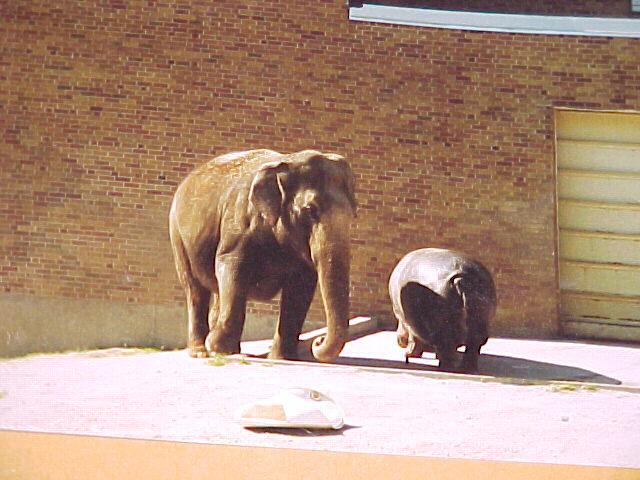
    On one of my many visits to the zoo, Bunny was having “play time” with her next-door neighbor Daisy, a hippo. They had lived in adjacent enclosures for four decades. On special occasions Daisy was allowed into Bunny’s yard for a visit. It was quite cute to watch, but sad to realize how these two had to rely on another very different species for companionship. Bunny gently herded Daisy around the yard, as much as one can herd a hippo, with Daisy paying little attention.

    My persistence began to pay off, but in a roundabout way. Ron soon began passing my phone calls off to Ted, who remained pleasant and engaging. He would listen patiently to my latest update and end the conversation with the zoo’s mantra, “Bunny will never leave the Mesker Park Zoo.”  My no-pressure-but-let-me-tell-you-this approach was sincere — and effective. We shared a common interest in Bunny’s welfare, which soon brought us closer together. My message began to get through and I saw that Ted was beginning to question the wisdom of their position.

    Until this time, I was told that Bunny could not be moved for a myriad of reasons, including that it would break her heart to leave the zoo. With stories about our other retirees as evidence to contradict that concern, Ron finally admitted that the idea simply could not be considered because the Association of Zoos and Aquariums (AZA) would not allow it.

    After years of open communication and education I was able to demonstrate that Bunny not only deserved to move to the Sanctuary but her very health depended on it. Her enclosure offered limited natural substrate and her pool had been empty for years. As result of years spent on the hard surfaces of her exhibit, Bunny had developed a chronic foot disease that could soon develop into osteomyilis. This captivity-induced disease is responsible for the deaths of nearly all adult captive Asian elephants living in zoos. Bunny was on her way to being yet another statistic but I knew that Sanctuary life could spare her such a fate.

    Bunny was surrounded by a loving staff, attentive veterinarian and adoring public. They began to grasp the gravity of Bunny’s condition and, ultimately, the people responsible for Bunny’s care, including Ron and Ted, became the champions for her release.

    On September 29, 1999, Bunny arrived at the Sanctuary. Her retirement was celebrated by two communities united by one deeply loved elephant.

  • Barbara

    Barbara

    Today I honor the memory of Barbara, a sacred being who blessed us with her extraordinary wisdom and kindness.  She left us ten years ago today on my birthday. Namaste, dear friend, I will forever cherish our time spent together on this journey.

  • Billie-Sue

    Billie-Sue

    Hurray! Billie-Sue is bracelet-free! The chain that was securely attached to her ankle upon arrival at the Sanctuary has been removed.

    What a transition Billie-Sue has experienced since her arrival with the Divas. Her transformation has been steady and inspiring.

    She arrived with Frieda, labeled a killer, described as dangerous and unmanageable. Prior to her release to us, Billie-Sue was held in solitary confinement in a steel cage at the Hawthorn Corporation for ten years. Upon arrival, she was fearful, defensive and heavily guarded.

    this photo was taken days after Billie-Sue arrived at the Sanctuary March 2006

    In the beginning, Billie-Sue became suspicious whenever we focused on the leg chain. That is when we began to refer to it as an bracelet, to consciously change the perception and meaning of the chain. Shortly after she arrived, caregivers began using T-Touch in protected contact to desensitize her to the human touch. Time passed and she began to relax. With time and patience Billie-Sue allowed caregivers to hand feed her through a protective barrier and take trunk swabs for TB testing, but still she remained guarded.

    Billie-Sue, Frieda and Lizzie became inseparable friends

    When Liz was diagnosed with TB, she and Frieda and Billie-Sue — her two best friends — made the physical move to the quarantine compound, a small barn and yard adjacent to the main barn. In this secluded location, away from the constant activity of Debbie, Ronnie, Lottie and Minnie, Billie-Sue found comfort and security and blossomed. She wandered the small yard without concern of turning a corner to be confronted by Minnie.

    This increased security led to this fantastic development of Billie-Sue shedding her bracelet. What a fabulous feeling this must be for her, forever free of chains. Although her leg chain was never used at the Sanctuary, the fact that she has now shed it is wonderful. Bless you Billie-Sue and all the caregivers who worked diligently to free her from that chain. Thank you.

  • Our Dear Lottie Has Passed Away

    Our Dear Lottie Has Passed Away

    October 10

    Loyal, dependable, calm, an unconditional friend to all; Lottie was a loving sister and the matriarchal energy to all of the divas. She blessed everyone with her wisdom, always cooperative and engaged. Her patience with Minnie was magic. At times when Minnie would work herself into a pushing frenzy on fences or other elephants, Lottie would calm her down with a silent gentle trunk touch.

    When night time temperatures forced Lottie inside, she would rumble repeatedly until Minnie finally joined her in the warm barn. Minnie would  stay inside long enough to grab some food and swallow a few trunkfuls of water before dashing out of the rubber flap door. Racing down the hill to the moon-lit habitat, Minnie would plunge into the pond, dragging a log from the muddy bottom. Or dash across the pasture, kicking up clumps of grass with her toe nails like a golfer’s divots in the manicured lawns of a golf course.

    Lottie would remain inside benefiting from the “me” time, getting pets and dried cranberries, her favorite treat. Lottie would stand completely still except to gently guide my hand up to her tusk socket. She had very short, almost nonexistent tushes. She loved to get me to massage the inside of the tusk socket. Her eye lids would flutter and she would let out a low rumble. If the massage stopped, her eyes would pop open and again she would softly reach out for my hand and guide it back to the tusk socket. A kinder, gentler elephant you will never meet.

    Lottie’s estimated birth year was 1963. Since moving to the Sanctuary at 12pm CT, January 31, 2006, Lottie was the picture of sound health. She had healthy feet, a good appetite, and always remained at her optimum weight. She drank well, stayed physically active and was extremely calm. Mostly she was Minnie’s best friend. These two had a powerfully loving relationship.

    Although Lottie seldom engaged in physical play with Minnie, she was never far from her friend.

    They grazed, bathed and slept side by side. Sometimes in the early afternoon Minnie would wander away from Lottie as she slept. If Lottie woke and could not see Minnie the drama would unfold. Lottie would let out a loud squeak and then another, raising her head in an anxious posture looking around for Minnie, who would respond with a throaty bellow. When the two finally heard the other they would break into a run, full speed ahead, screaming at the top of their lungs. When they were finally reunited Minnie would spin circles around Lottie whose eyes would twinkle as she chirped and squealed in delight. Trunk touches all over, followed by powerful trumpets and then relaxed sighs, and the greeting was complete.

    Without hesitation they would resume their grazing as if no emotional display of affection had taken place. But if you were close by, you would feel the air permeated with love. Then they would wander off again on another adventure. They lived for each others company.

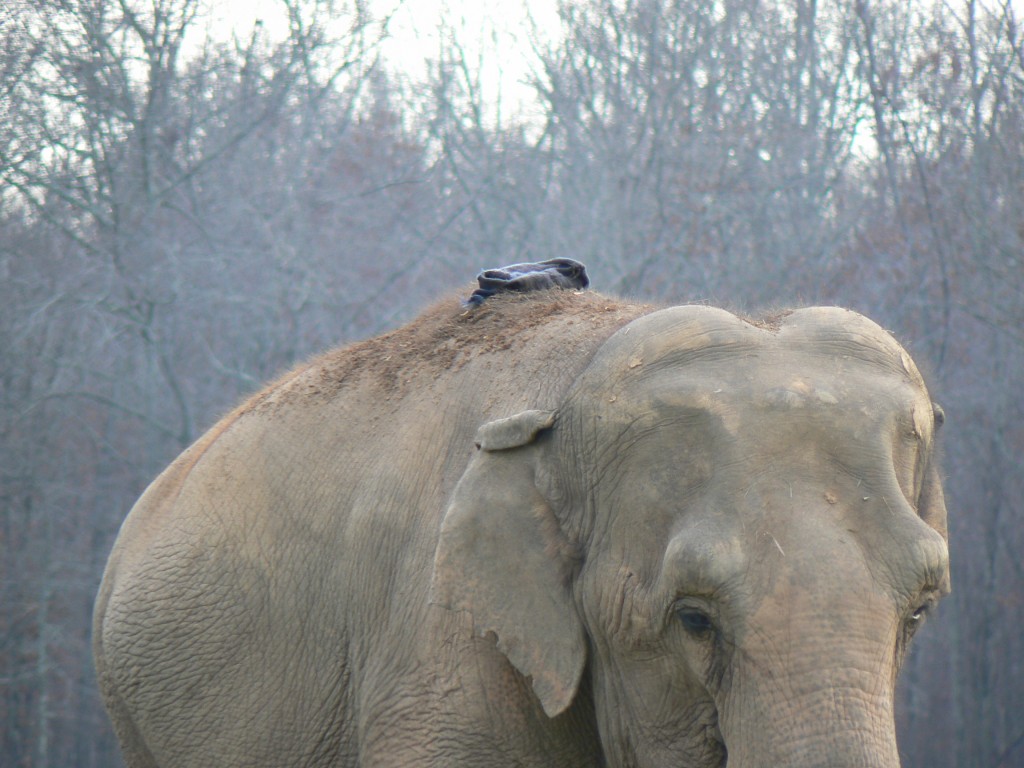
    Lottie had a silly side, reserved but silly. One time, when my winter hat had gone missing during a 10pm feed, Lottie was later seen sporting it fashionably on her back. It was hardly recognizable, a bit worse for wear but still an attractive accessory — at least Lottie thought so. It hardly resembled a hat at all as Lottie had chewed it, pulled it apart at the seams and ground it into the dirt before finally tossing it onto her back.

    Mostly Lottie will be remembered for her nurturing nature and deep affection for Queenie and Minnie.

    After Queenie passed away two years ago Lottie and Minnie grieved desperately. The two grew even closer and helped each other through their loss. Now Minnie has a heartbreaking challenge ahead of her. She and Lottie had been together for four decades: this separation will be difficult. Hopefully Minnie will be able to face her loss with an open heart and not put on the “tough guy” act that was her mode of operation in the past. If Minnie puts up a wall to the pain and acts as if she is not hurting, recovery will be that much more difficult for her. We have to trust that Minnie will be able to allow Debbie and Ronnie back into her life so they can help her through this difficult time.

  • full circle

    full circle

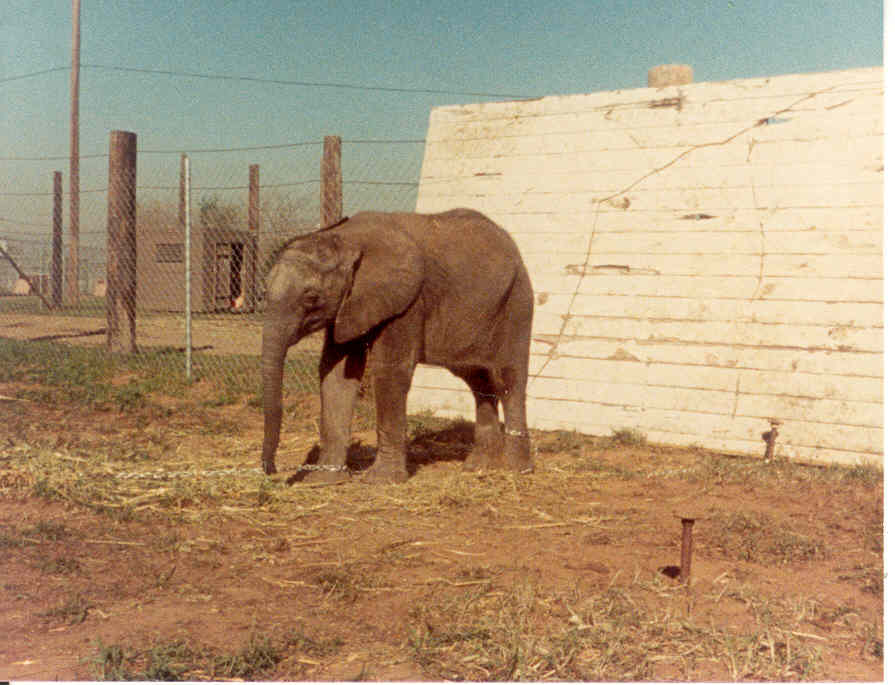
    When Tarra was twelve we participated in an elephant training course offered by Smokey Jones and Gary Johnson. Gary had purchased two wild caught baby elephants from Africa. For a fee, keepers were invited to attend the course to learn how to train an elephant.

    When we arrived Tarra joined Gary’s elephants. A short distance away stood a tiny African calf, chained and alone.

    Tarra and I stayed for a week. During this time the baby elephant was trained several times a day. She was kept separate from the other elephants. Tarra never had an opportunity to meet her close up and personal. But I did. I still remember thinking how tiny her trunk was and how she hardly uttered a sound the entire time I was there.

    When her training was completed she was loaded up into a trailer to begin her life as a performing elephant. She was the namesake of a newly formed circus.

    Nearly twenty years later our lives came full circle when Flora arrived at the Sanctuary. Without question she had grown into one of the most magnificent elephants I had ever seen. As she gracefully stepped from the trailer onto sanctuary grounds, I flashed back to the first day we met and thought…another miracle.