Category: Elephants in Asia

  • The Truth About Riding Elephants in Asia

    The Truth About Riding Elephants in Asia

    The Truth About Elephant Riding in Asia: Why It Harms Elephants

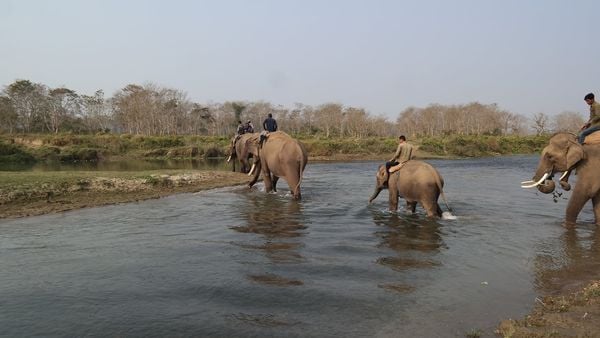
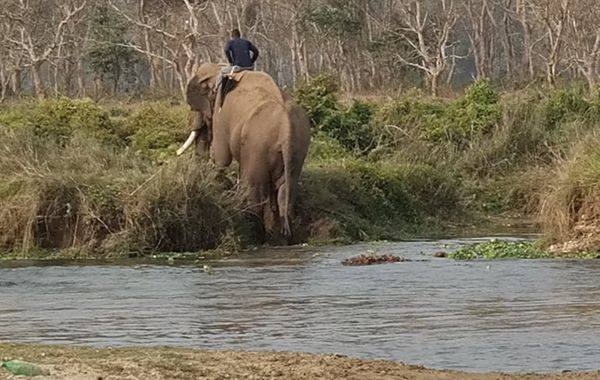
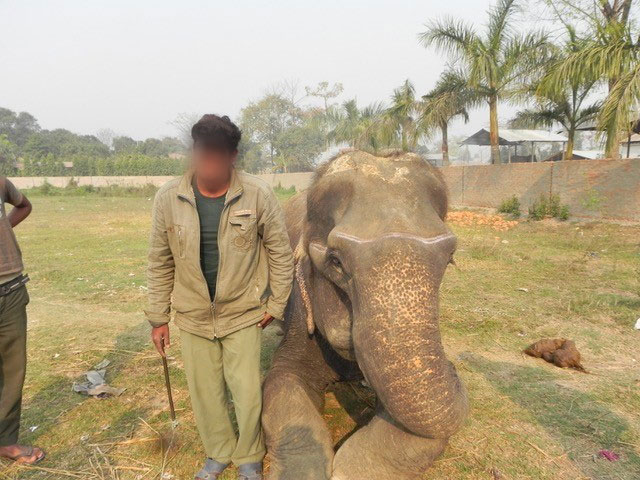
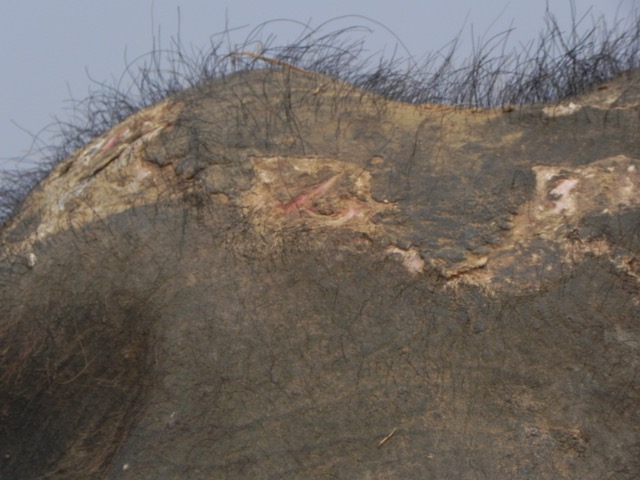
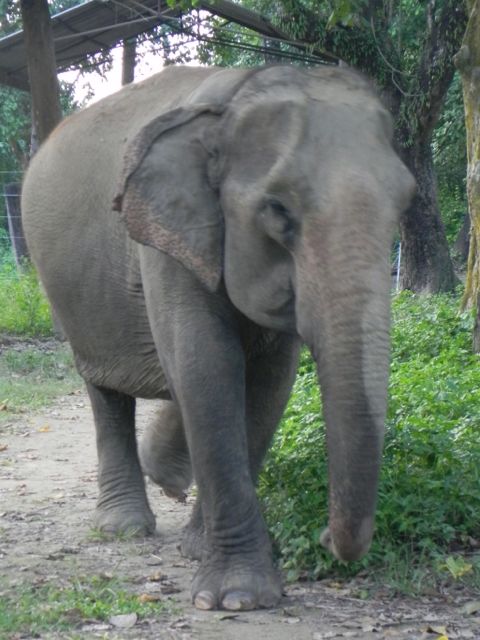
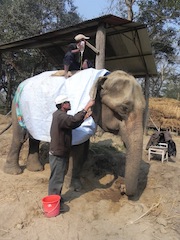
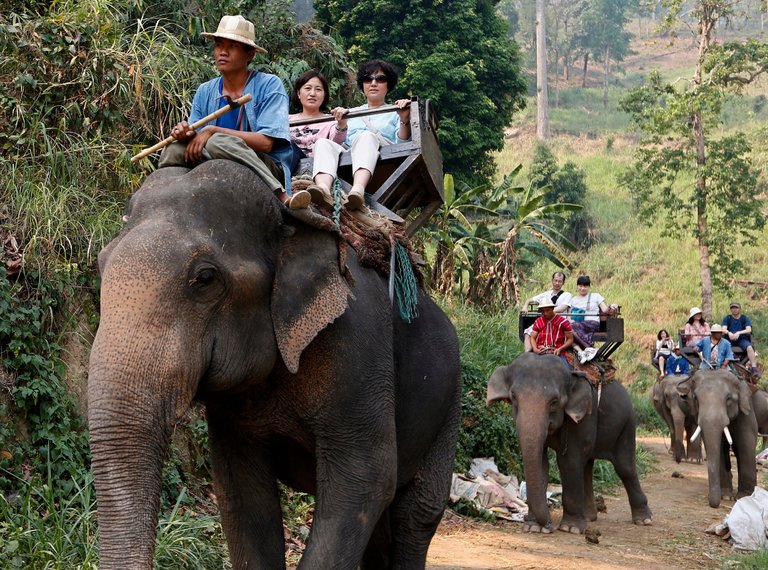
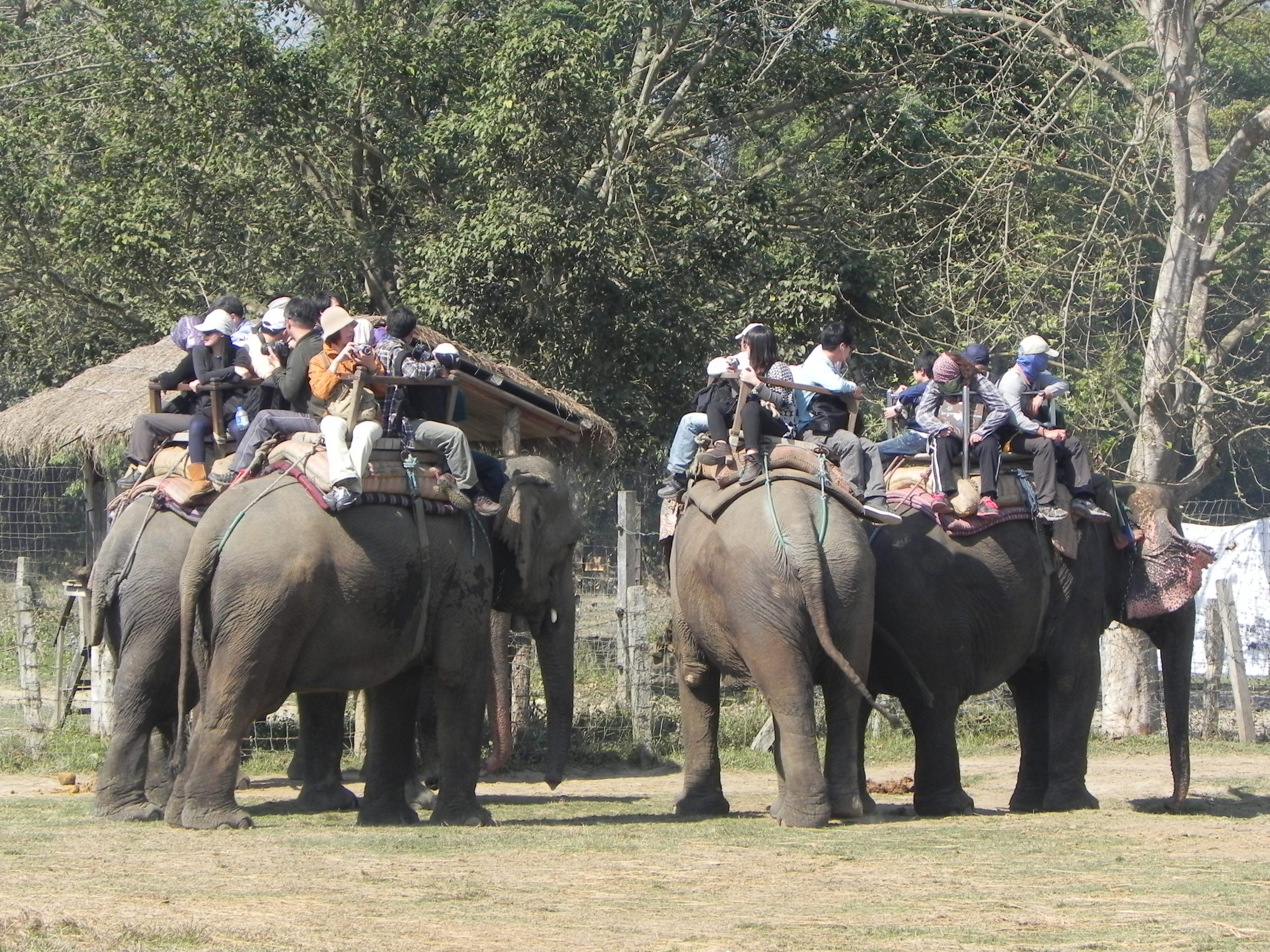
    The debate over whether riding elephants is harmful has been ongoing for years. Supporters argue that elephants are massive and can easily carry the weight of a few humans, while opponents claim that riders damage an elephant’s spine. Recently, a widely shared social media post attempted to prove this point by showing three images in sequence using both Asian and African elephants.

    The message was clear, but inaccurate and misleading.

    Asian and African elephants have very different bone structures. Asian elephants naturally have a more convex (rounded) backbone, while African elephants naturally have a concave (swayed) backbone. The comparison in these images confuses anatomy with abuse, and for those who understand the difference, it undermines the credibility of the campaign.

    Misinformation—even when well intentioned—does a disservice to elephants. To truly protect them, we must tell the truth. And the truth is: yes, riding elephants causes them harm, but not for the reasons many people assume.

    The Real Harm: Training Through Domination

    Elephants are not domesticated animals, even when born and raised in captivity. They remain wild at heart. In order to be used for rides, elephants must first be made obedient to human commands—a process that relies on dominance-based training.

    This training uses intimidation, pain, and negative reinforcement to break the elephant’s will. The goal is not partnership, but submission. Elephants are forced to comply with commands to walk, stop, turn, and carry riders exactly as directed. Any hesitation or resistance is punished. Over time, this cycle of intimidation and correction often results in “learned helplessness”—a state in which the elephant no longer resists, not because they are content, but because they have given up.

    An elephant that appears calm while carrying tourists is not displaying trust or cooperation. They are displaying defeat.

    The Silent Damage of Saddles

    Beyond training, the saddles themselves cause serious physical injury. Elephant saddles are designed for profit, not comfort. They maximize the number of riders, often seating multiple people at once, which concentrates weight directly on and around the spine.

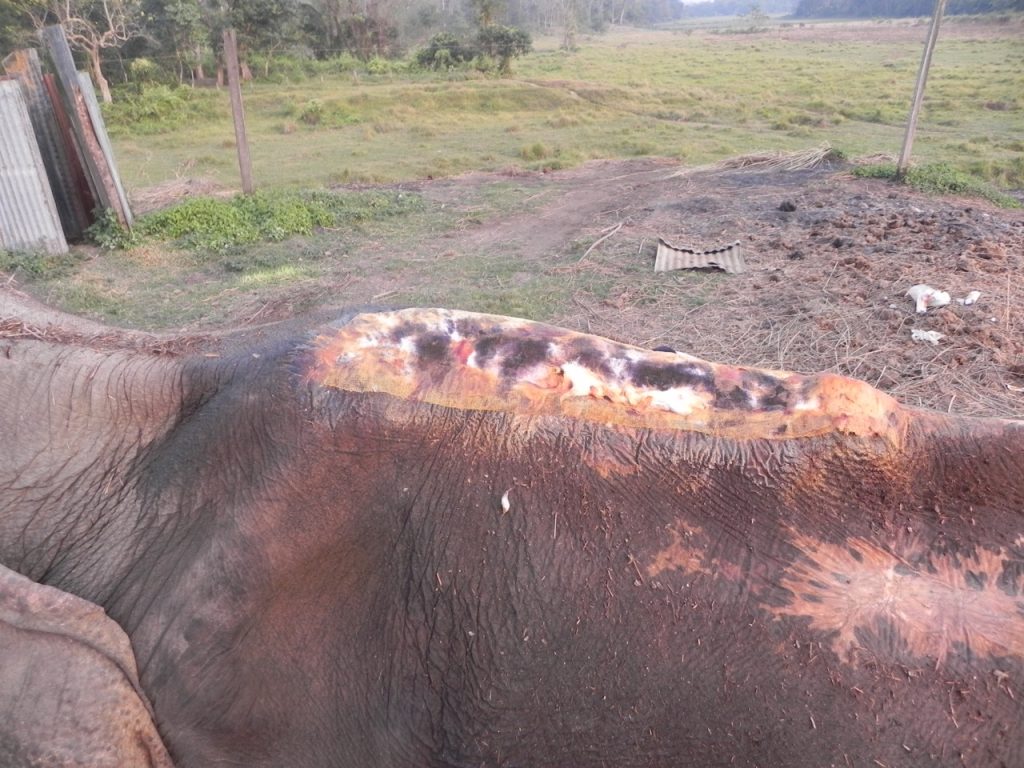
    With each step, the saddle shifts and rubs against the elephant’s back, causing friction, swelling, and tissue damage. Over time, painful abscesses can form under the skin. These infections often spread along the spine, and if they penetrate the bone, they can lead to osteomyelitis—a condition extremely difficult, if not impossible, to treat in elephants.

    Even when the spine itself doesn’t appear visibly deformed, the surrounding tissues may be permanently damaged, leaving the elephant in constant pain.

    Compassion Through Truth

    The issue is not whether an elephant’s back “breaks” under the weight of riders—it doesn’t. The issue is that riding elephants relies on cruelty: on domination that robs them of autonomy, and on saddles that leave them injured and suffering.

    If we want people to make choices that truly benefit elephants, we must present the facts honestly, not with manipulative imagery. Compassion for elephants begins with truth. And the truth is simple: elephants are not here to carry us. Choosing not to ride is choosing to respect their dignity, their health, and their right to live free from harm.
  • Why do mahouts ride on their elephant?

    Why do mahouts ride on their elephant?

    Mahouts ride bareback on their elephant for safety reasons. Please read the post in its entirety to understand that anti poaching patrol elephants working in Chitwan National Park, Nepal, live a much different life than elephants living in tourist parks in other parts of Asia. We engage in welfare improvements wherever captive-elephants live.


    Many of you ask why mahouts ride on their elephant on anti poaching patrol in Chitwan National Park, Nepal. You say, “set them free.”

    Elephants are not domesticated, no matter how well trained, cooperative and well behaved they may be.

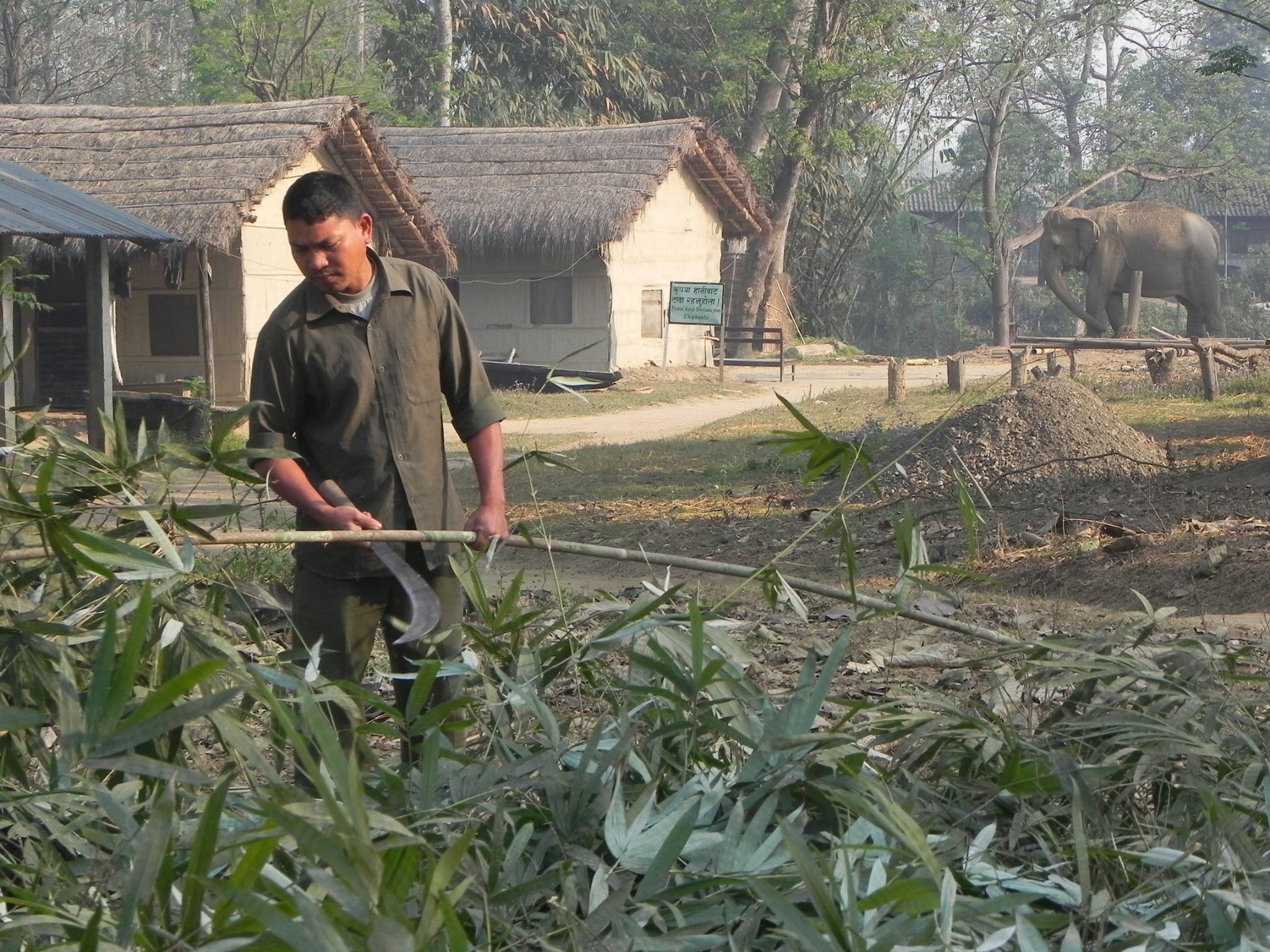
    In the Western world elephant trainers position themselves on the ground. In Asia mahouts position themselves on the elephant’s back.

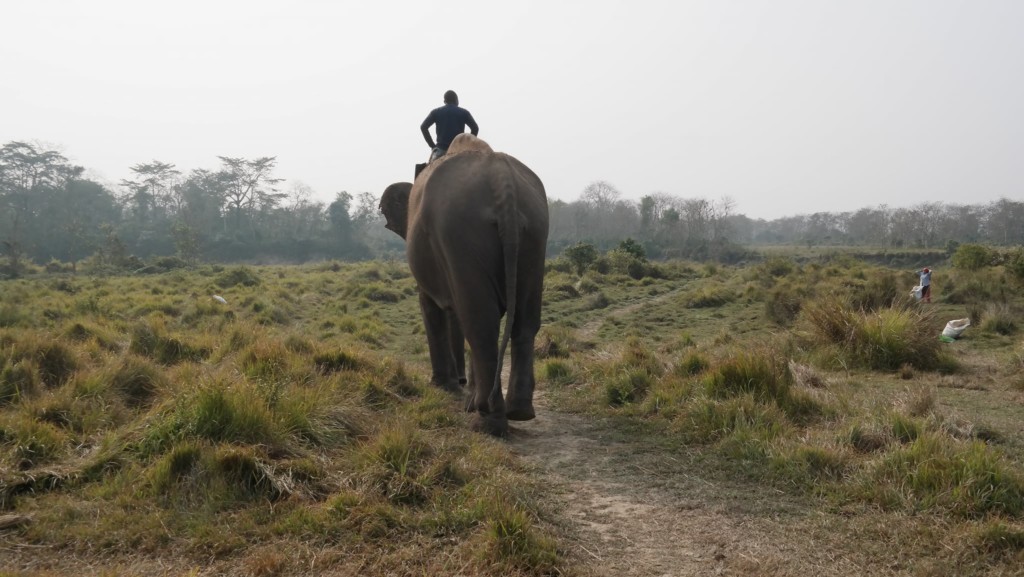
    Being on top of the elephant, as opposed to being on the ground next to the elephant, provides a degree of protection from an aggressive elephant. Also, from this vantage point the mahout can more easily detect wildlife dangers and protect innocent bystanders who potentially could be harmed by the elephant.

    mahout riding elephant in asia
    Look to the right in this photo. There is a village woman collecting grass for her livestock. She is extremely vulnerable being on the ground. If elephants were allowed to wander unattended, people would be in danger.

    In order to provide a shared environment where elephants are allowed access to the natural habitat of the Park, and humans can collect the resources required to sustain themselves, elephants are ridden.

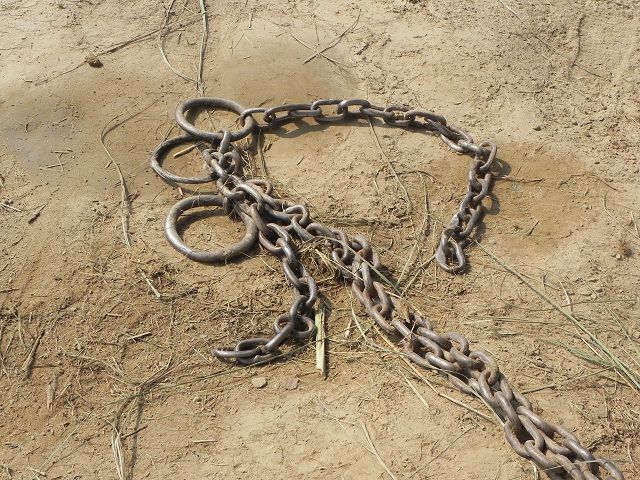
    The alternative is that elephants remain on chains, which is something none of us want, including the mahouts and the villagers who share this landscape.

  • Remote Foot Trimming – Nepal

    Remote Foot Trimming – Nepal

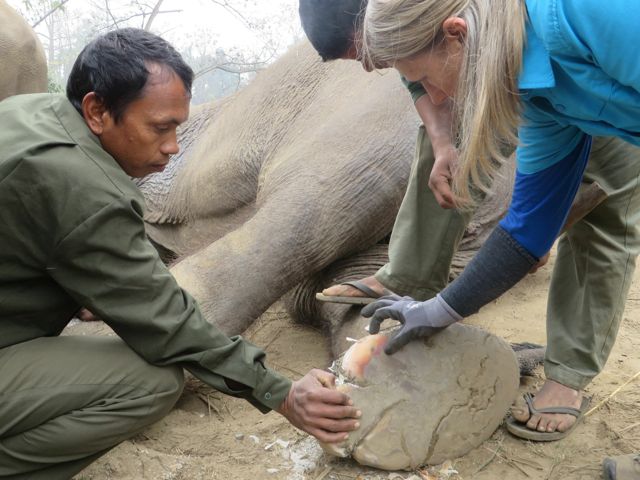
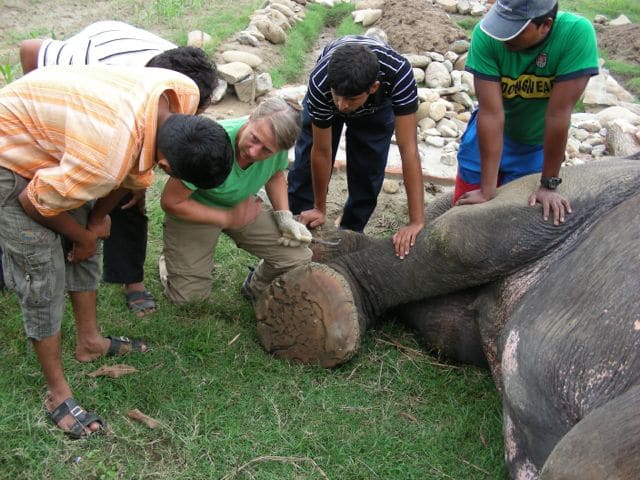
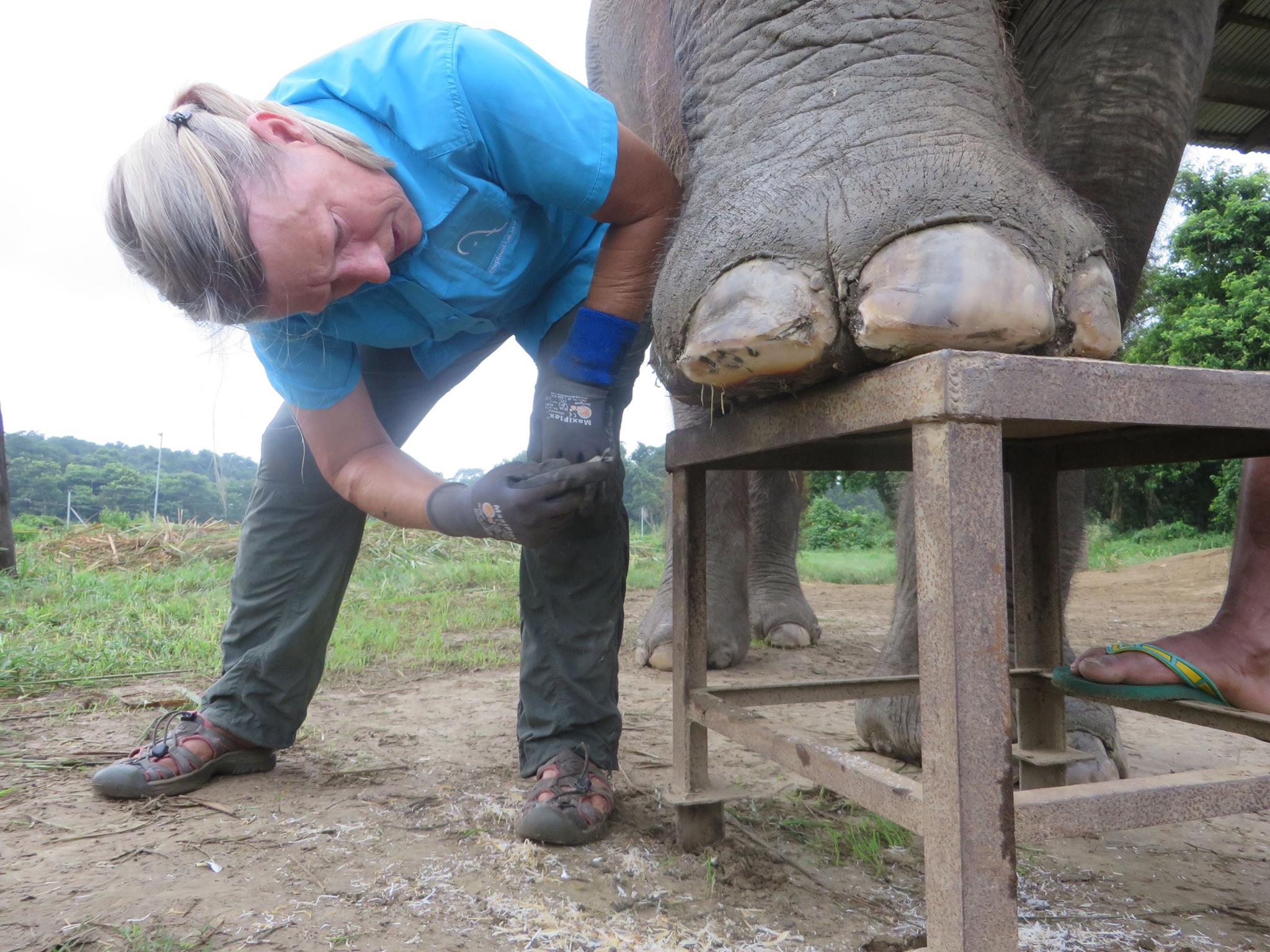
    Recently I had the opportunity to provide emergency foot care for an elephant in Nepal. I am currently in the US and Chanchal Kali, the elephant with the split nail, lives in Nepal. The injury was not the biggest challenge, our opposite locations was.

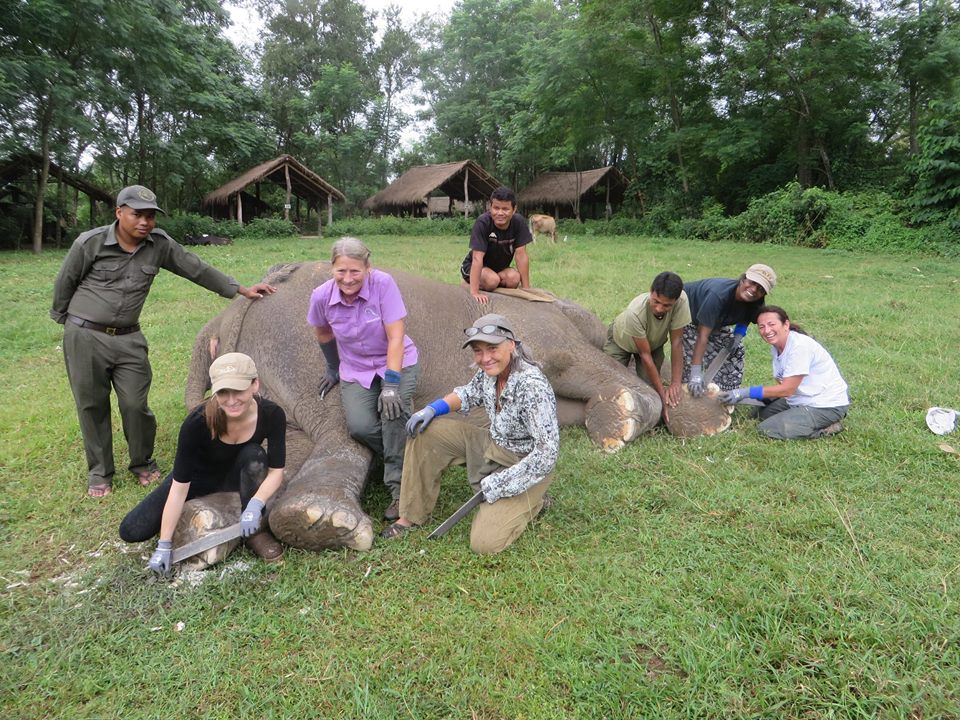
    Since I have interns in Nepal, I believed that I could assemble a team. But addressing this particular injury was something my interns were not confident about, they needed guidance. So I decided to test technology. Hopefully conducting the nail trimming procedure remotely, using a live feed, would work? We had to try. So, Donna of Direct Aid Nepal organized the mahouts and Chanchal Kali. Lena of Association Moey made sure her staff, both interns of mine, were available to help. And just by chance, Annette, one of my advanced interns, just happened to be in Nepal at the time. Our team was assembled and ready to give it a try.

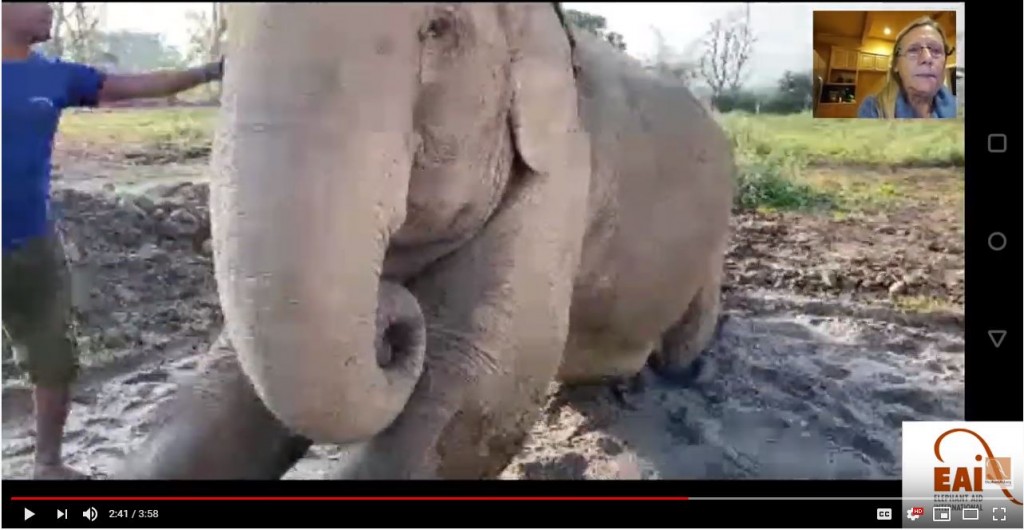
    At 8am Nepali time, 9pm EST we connected via Whatsapp. As we expected the wifi was weak, the connection dropped several times. But even with the intermittent disconnects, I was able to view the toe and provide step by step instruction. Sanjay and Annette trimmed, Sweta translated and managed the live feed, Donna provided treats, and Chanchal Kali and her mahouts were incredibly cooperative and calm. The crack was deep and causing her pain. Thanks to a successful procedure the pressure is off the crack and the mahouts will monitor as she heals.

    Thank goodness for this technology which enabled us to provide quality care for an elephant in need, halfway around the world. Go Team!

    Carol Buckley

  • How to Be a Responsible Ele-Tourist

    These photos of captive-held elephants in Asia are not unique. I am posting them to document what happens when an elephant is struck on the head with a stick, ankus (elephant hook), axe or other weapon. They illustrate how these elephants suffer for the tourist industry.

    The practice of hitting an elephant on the head with force is traditional across Asia. Abusive dominance is believed to be the only way to control an elephant. It is the form of dominance and punishment taught to and expected of mahouts (handlers).

    It’s easy to blame the mahout but, if we do, that blame is misplaced. Mahouts are poorly educated and paid, low-status workers. According to the cast system, if they want to work , they do what they are told, without question.

    It might be hard for us as westerners to comprehend such blind obedience but in many Asian countries, it is expected of low-status citizens.

    Tourists are key

    Rather than blaming the mahout we should look hard and long at those who control the mahouts — elephant owners and supervisors — and those who finance the system, tourists.

    Yes, tourists are key. Tourists pay to get close and interact with elephants. In many cases, unscrupulous supervisors and owners force mahouts to allow the dangerous interactions tourists want, making the mahout responsible for their safety.

    I have witnessed many examples of young children of higher social standing demand that a mahout allow them to interact with his elephant in a dangerous manner. The mahout and his elephant are required to oblige their whims. These privileged adolescents will even strike the elephant and mahout with a weapon to demonstrate their position of power.

    Hitting and striking

    The mahout is required to keep his elephant under control at all times. When an elephant does not respond quickly to a command, the mahout is, by training, required to strike him/her forcibly with a weapon across the bony surface of the forehead.

    Hitting an elephants’ skull with force causes a thunderous noise and vibration inside the head, as well as physical pain.

    Repeated hitting causes tissue damage. After several harsh blows, the tissue is irreversibly damaged. It abscesses, dies, rots away, scabs over and then sloughs off, leaving a light colored scar.

    An elephant’s physical response to injury is no different from that of humans’. The process from injury to scar takes weeks, during which time the elephant is suffering painfully.

    No research has been conducted to evaluate the damage done to an elephants’ brain by beatings and subsequent infection. It is known, however, that mammals can contract encephalitis from a brain infection.

    What you can do

    When you travel in Asia you’ll see that most elephants used in the tourist industry have wounds and scars from being beaten. The abuse is driven by tourists’ desire to interact with elephants, requiring mahouts to use force to control their elephants during the interactions.

    Here are three ways you can reduce the suffering of captive-held elephants and contribute to change:

    • Eliminate elephant rides, bathing, painting, entertaining, selfies and hand feeding from your bucket list. If you refrain from direct contact with an elephant, the handler has no need to abuse his elephant to accommodate and protect you.

    • Educate friends and family who plan to visit Asia about the how elephants are used in the tourist industry.

    • Support only organizations that offer ele-friendly programs. Ele-friendly programs prohibit direct physical contact between tourists and elephants. Instead, they allow you to observe the elephants from a safe distance as they go about their daily routine.

    If you or someone you know is preparing for a trip to Asia, there are a few organizations that provide ele-friendly programs: in India, Wildlife SOS India; in Thailand, Boon Lott’s Elephant Sanctuary and The Mahouts Elephant Foundation; and in Nepal, Tiger Tops and the Association Moey.

    An informed tourist is a responsible tourist.

  • A Tribute to Mel Kali

    A Tribute to Mel Kali

    In 2013, Mel Kali, the senior member of the National Trust for Nature Conservation’s elephant herd, fell ill. It was winter, it was cold and she was suffering from pneumonia.

    Being in her early 70s and in poor body condition, her prognosis was not good. In fact, staff told me there was nothing they could do and that she was dying.

    Mel Kali’s chain-free corral had been completed only recently. It struck me that after all her years of service she wouldn’t benefit from her new found physical freedom. I was overcome at the thought that nothing could be done medically to ease her pain or address her condition.

    Mel Kali had served the Trust well for decades, performing daily anti-poaching surveillance, transporting wildlife researchers and generating funds by providing tourist rides. She was mentioned in many research papers and was even featured in a book, which noted her bravery when encountering tigers inside Chitwan National Park.

    It saddened me that Mel Kali would be allowed to suffer and die without any effort to ease her pain. I felt helpless and ineffective.

    A new plan

    As I sat watching Mel Kali, I knew I wanted to help her one more time. I had a good relationship with the mahouts and knew that if I asked, they would convince management to let me arrange for treatment for her. Even if she did not survive, she would not suffer.

    The mahouts could see I was distraught. But when they tried to comfort me by saying there was nothing we could do, I told them of my plan. All were immediately on board.

    I arranged for the best veterinary care available — Kiran Rijal, a local vet tech under the direction of senior government veterinarian Dr. Gairhe.

    Within hours Mel Kali’s corral was abuzz with mahouts, veterinary assistance and hope. We were all working together to help her. Her mahout sat on top of her head holding bags of meds and fluids while Kiran attached intravenous drips to the veins in the back of her ears. We administered vitamins and antibiotics to help her fight off the infection that threatened to take her life. And Shanti Chaudhary, head mahout Paspat’s daughter-in-law and a dear friend of mine, sat down at her sewing machine to create a blanket to keep Mel warm.
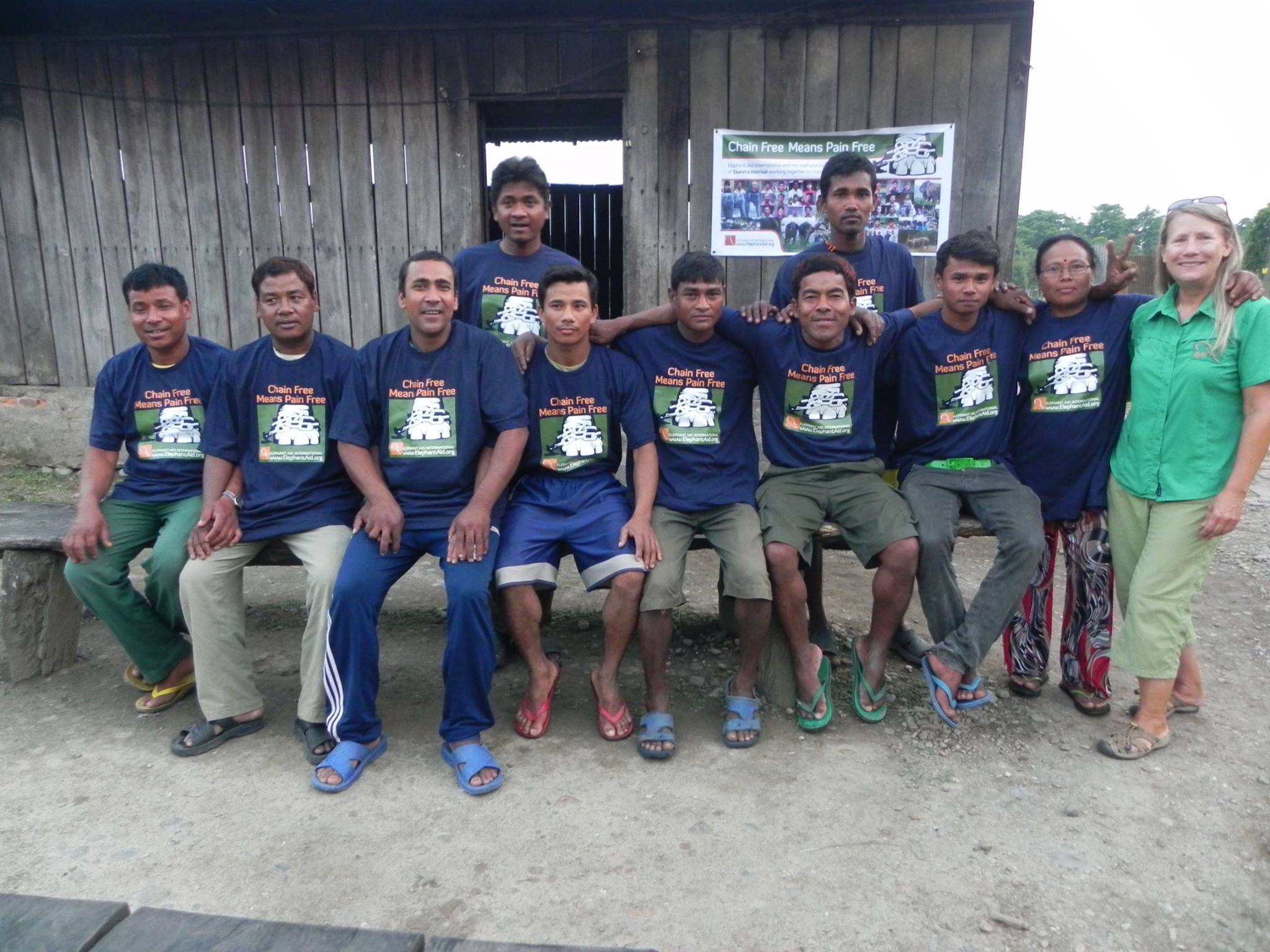
    The energy in the hattisar (elephant stable) was alive with hope and camaraderie. Any sense of helplessness was gone. We were united in our effort to help Mel Kali, who was cooperative in every way. There is no doubt she was aware we were doing all we could to help her.

    After three days of around-the-clock care it was obvious that Mel was going to recover. So much had changed. In addition to administering medicine, fluids and supplements, we reevaluated Mel’s diet. We added extra rations, including a giant cauldron of cooked rice with molasses and gram, a source of protein, to put weight back on her emaciated body.

    EAI put out a call for help and our supporters responded generously. Their donations paid for Mel Kali’s medical treatments, blanket and daily rice and molasses rations for the next many months.

    But what followed next was a surprise, without question the most exciting thing to come from her recovery.

    Mel Kali was officially retired.

    Retired and thriving

    The action was unprecedented. Mel Kali was the first elephant in the history of Nepal to be retired. No longer would she give elephant rides. No longer would she be used as a transport vehicle for researchers. And no longer would she spend long days engaged in anti-poaching patrols. Instead, Mel Kali was to begin a new chapter in her life as a free roaming elephant.

    Once she was fully recovered, Mel Kali was escorted to the banks of the Rapti River, a short distance from her hattisar, each morning. Then her mahout-escort would say, “Okay go, you’re free.”

    Without hesitation Mel Kali would wade into the middle of the river and pause to take several refreshing drinks before continuing to cross into Chitwan National Park. She had no escort, no mahout, no riders, no one to direct her movement or dictate her actions. She had complete autonomy to do whatever she wanted.

    What she wanted was to disappear into the dense jungle each and every day. She was free to wander for the rest of the day and even overnight if she so desired. Many days she could be seen in the company of Renaldo, the resident wild bull elephant. It seems they enjoyed each other’s company.

    Five adventure-filled years later, Mel Kali continues to thrive. Most evenings she returns to the hattisar on her own. As she approaches the riverside tourists point and exclaim in excitement, “Jungle hatti!” (wild elephant), unaware that Mel Kali is not wild. She wades across the river, scales the embankment (avoiding the curious tourists) and makes her way to the back side of her corral. Many times she has to stop on the narrow dirt footpath until awestruck tourists scamper out of the way. Never does she show aggression or pay any attention to the two-leggeds snapping selfies as she passes by.

    In anticipation of her return, a mahout stands ready to open the gate to her corral.

    Like a queen returning to her throne, Mel ambles to the front of her spacious chain-free corral to partake of her cauldron of freshly cooked rice and molasses, a treat that her mahouts enjoy providing as much as she enjoys eating.

    Five years ago when Mel Kali fell ill, no one expected her to live past a few months. No one expected her to gain weight and the confidence to live free. No one expected to see her spend every day free of human dominance.

    No one but me.

    Today Mel Kali is not only the most famous elephant in all of Chitwan National Park, she is also known as the healthiest elephant in the region. She is living a new model in the world of captive-held elephants, a model that respects her lifetime of service and recognizes that freedom from human control is her birthright.

  • Tiger Tops Makes Top 10

    Tiger Tops Makes Top 10


    There’s a lot happening at ERNA! Volunteers and staff are now planting various types of bamboo. This will create an environment resembling elephant habitats in Asia. Plus, bamboo is the staple of wild Asian elephants’ diet. Sign up to become a volunteer today and help us create a thriving elephant environment.


    Foot health is a critical issue for elephants living in captivity, as the overall health of the elephant depends on proper foot care. EAI provides training to mahouts on how to take proper care of elephant feet to reduce the risk of disease. The 2nd annual Foot Care Workshop will occur in Nepal in October! Learn more.


    Congratulations, Tiger Tops Elephant Camp! National Geographic selected Tiger Tops as one of the top 10 luxury camping experiences. Learn more.


    If you are unable to volunteer at ERNA this spring/summer, you can still help… even from your home! Consider making a donation to ERNA today. THANK YOU!


    Fatal foot diseases due to improper care have become an epidemic among elephants living in captive environments. EAI promotes proper foot care education for mahouts — and the next workshop will be taught in October. Learn more.


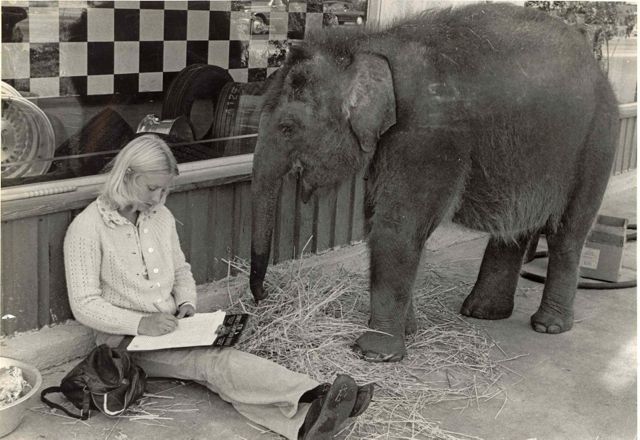
    Tarra & Carol tire store 1974
    On Tarra: “She has just taken me on my life’s journey… She is it. She is the reason I do anything, the reason I’ve learned anything. She is my mentor.”

  • National Geographic Features EAI

    National Geographic Features EAI

    img_8428_carol-interviewed-by-nat-geo_med

    A new feature in National Geographic, “Captive Elephants Freed From a Life in Chains highlights EAI’s work in Nepal. Carol tells the magazine that “getting [the elephants] ‘chain-free and pain free’ is a start toward improving the lives of captive elephants across Asia.’”

    Read the story and watch the video.

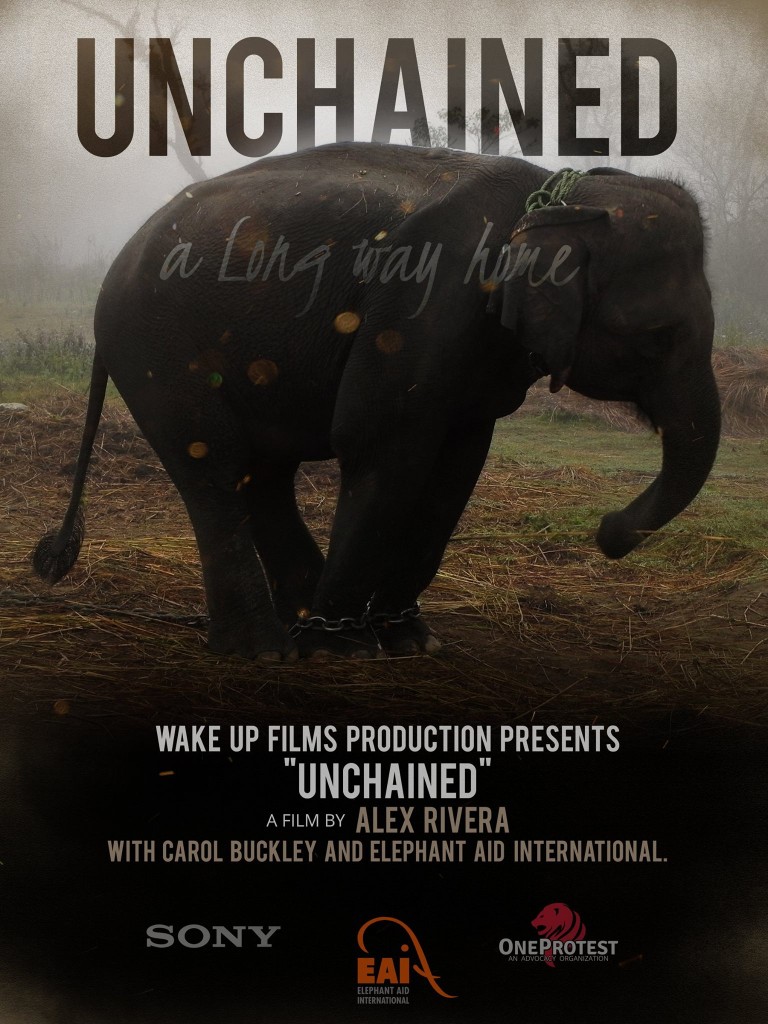
  • Unchained: New Documentary on EAI

    Unchained: New Documentary on EAI

    unchained poster

    A new documentary on the work of Carol Buckley and EAI improving elephant welfare throughout Asia has been selected for the 15th annual Wild & Scenic Film Festival.

    unchained_wild-scenic-festival

    “Unchained” follows Carol and her team in their quest to enhance captive elephant welfare in Nepal. Using gentle persuasion and showing by example that there is a better way to treat elephants in captivity, Carol takes a phased, pragmatic approach to changing attitudes that relies on winning the buy-in of owners and mahouts (elephant handlers).

    Watch the trailer.

    Learn more from the Unchained Facebook page.

  • Current donation total is now at $858,945.00

    Current donation total is now at $858,945.00

    captureThe current donation total is now at $858,945.00. From the bottom of our hearts, we deeply appreciate your support in our efforts to help provide a better environment for elephants. We want to acknowledge the kindness every individual who donates and likes, comments or shares our posts. You are all contributing to the cause. Thank you. Donate today!

    14713070_1290567650973593_3888856378838742979_oElephants in Asia compete with humans for nearly all resources, including bamboo, a staple of the Asian elephant diet and traditional building material for humans. As long as humans see their needs as more deserving, elephants will continue to suffer. We must continue our efforts by educating the mahouts and providing chain-free corrals for captive-held elephants.

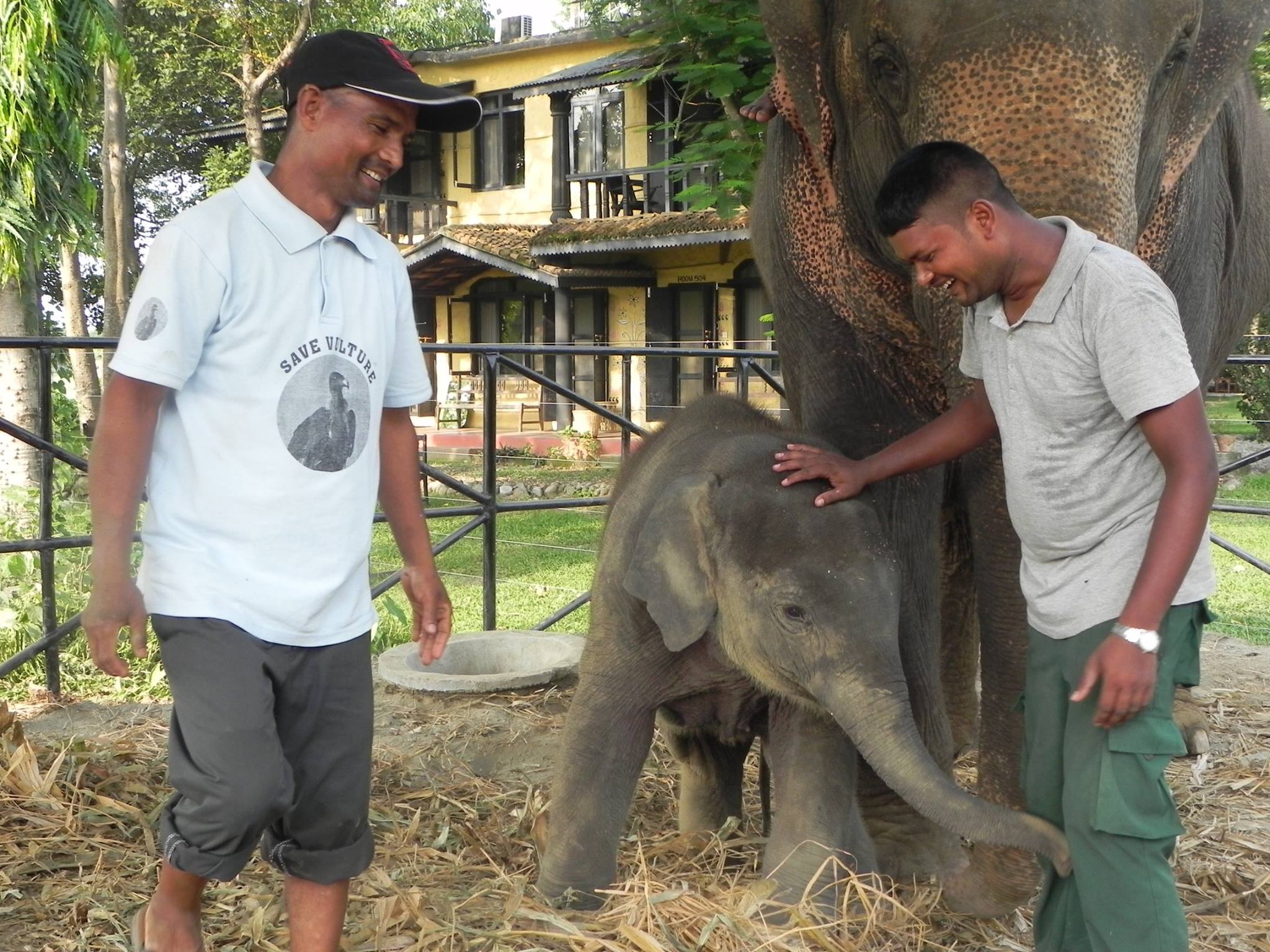
    14715661_1293375797359445_6945717541295315919_oShree (a mahout trained using EAI’s Compassionate Elephant Care) shows fellow mahout a more humane, more effective way to work around Samrat Gaj, a 4-month old captive-born elephant in Nepal. The mahout student is delighted by the results.

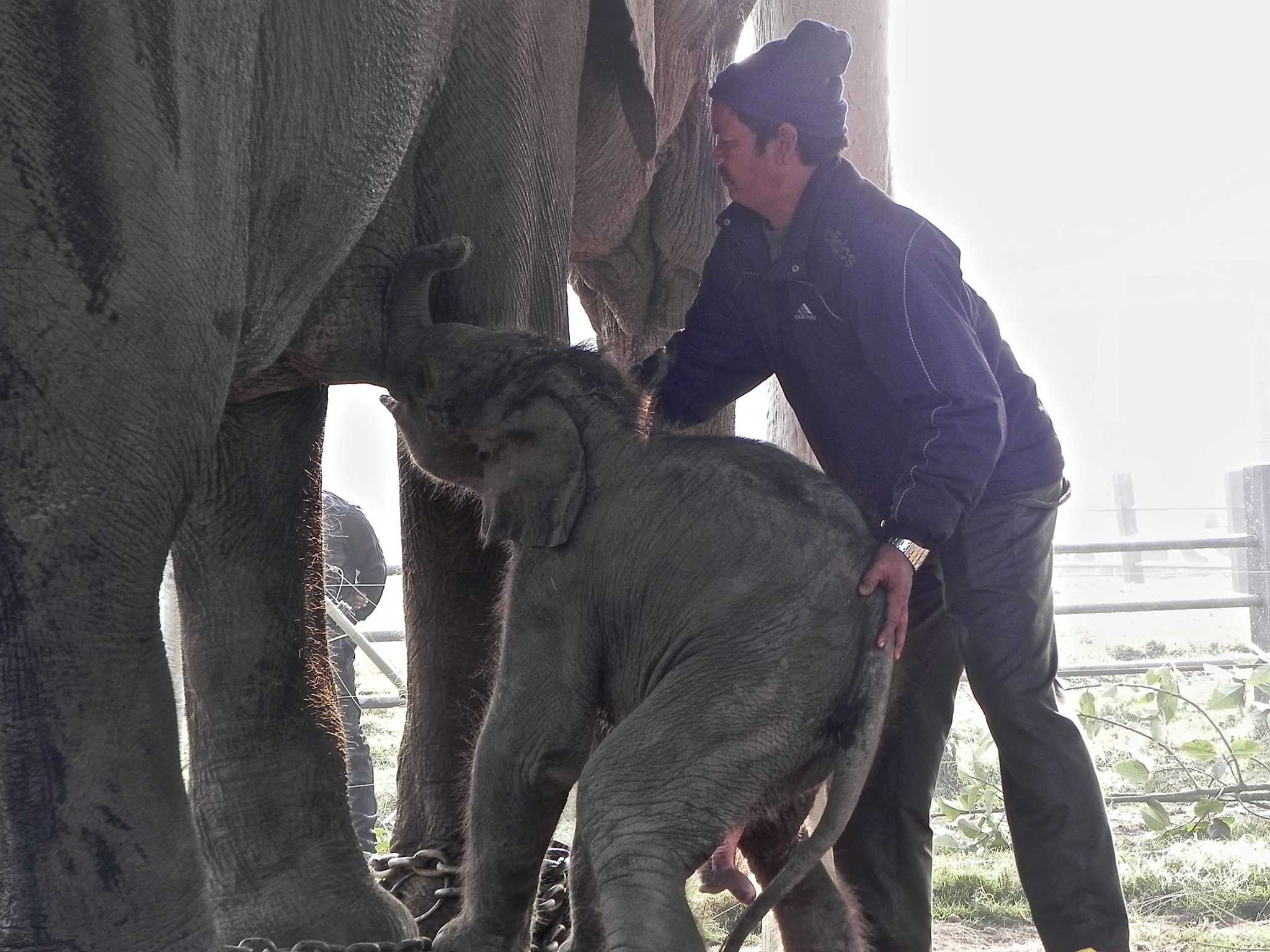
    14714836_1293522757344749_3029055320299766199_oThis newborn calf, only hours old, suckles from his mother — aided by a mahout learning new ways of relating to elephants. Compassionate Elephant Care, an EAI program being taught to all mahouts at government owned hattisars (elephant stables) in Nepal, is changing how mahouts manage their elephants.

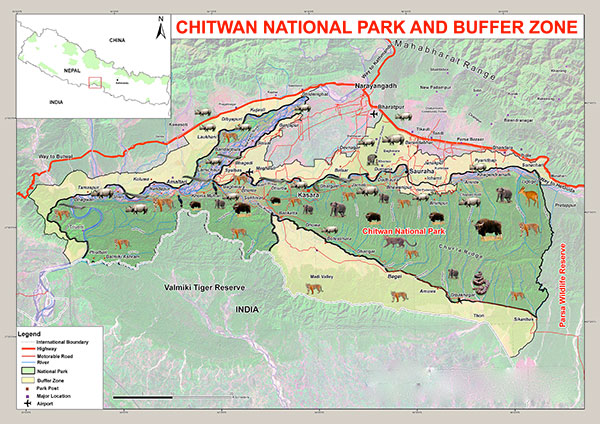
    chitwan1Change starts with one person, who can inspire a whole group, who can go on to inspire the entire world. For elephants, chain free means pain free. By supporting the mahouts who care for impoverished elephants, the welfare of both is improved. Show the mahouts that you recognize their value. Support their transition from archaic to humane.

    14692053_1295359530494405_4158283269240433179_o“The love for all living creatures is the most noble attribute of man.” – Charles Darwin

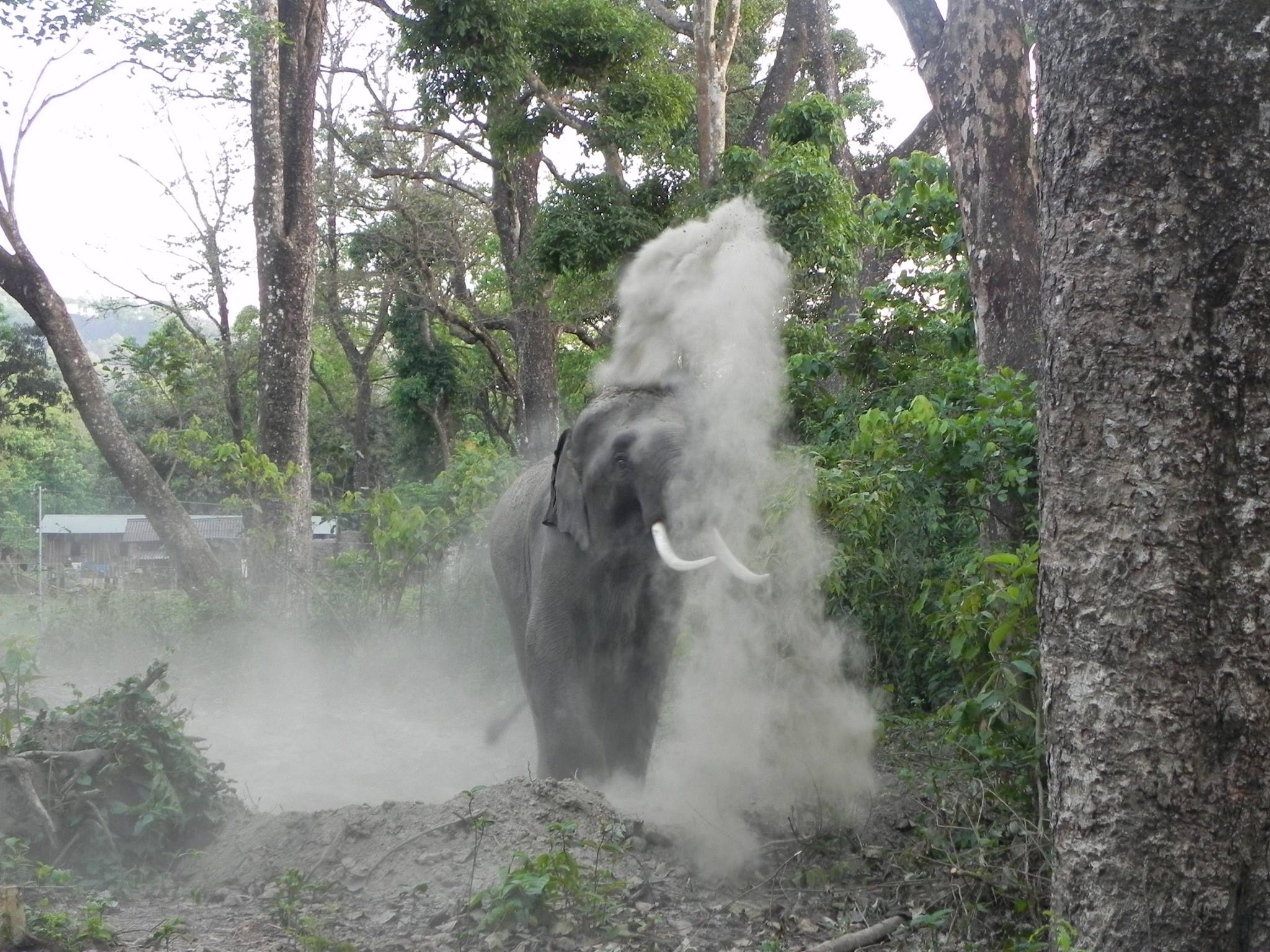
    14711625_1295361663827525_8717717484992416154_oDid you know: Elephants take “dust baths” — as seen in the picture below — to protect their sensitive skin from sunburn and biting insects

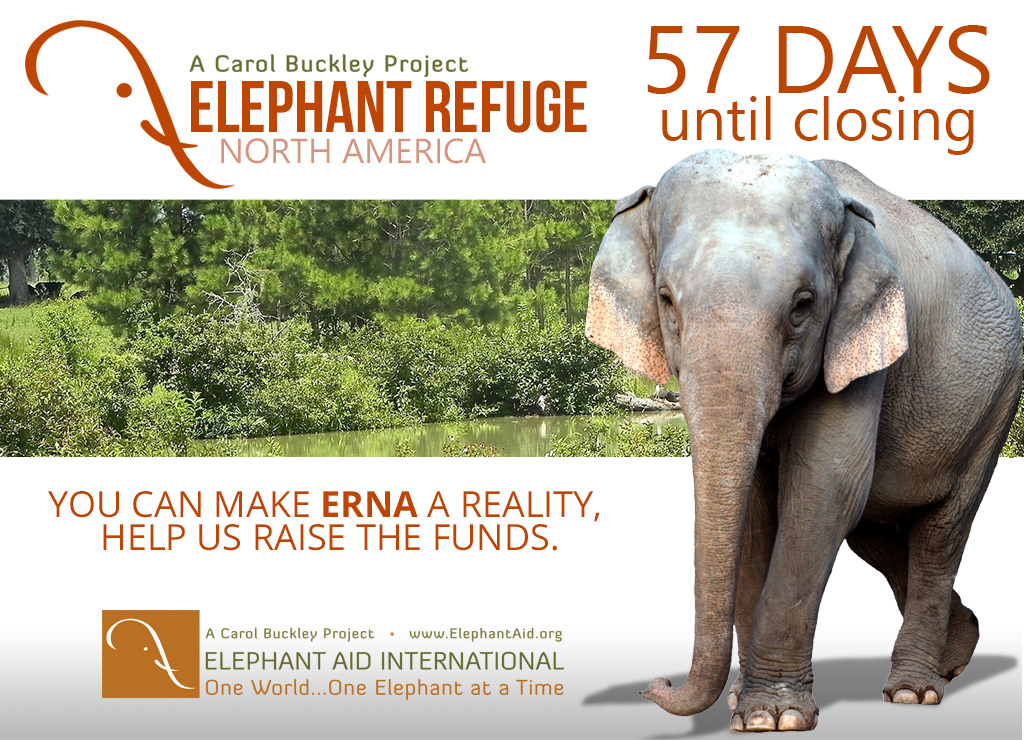
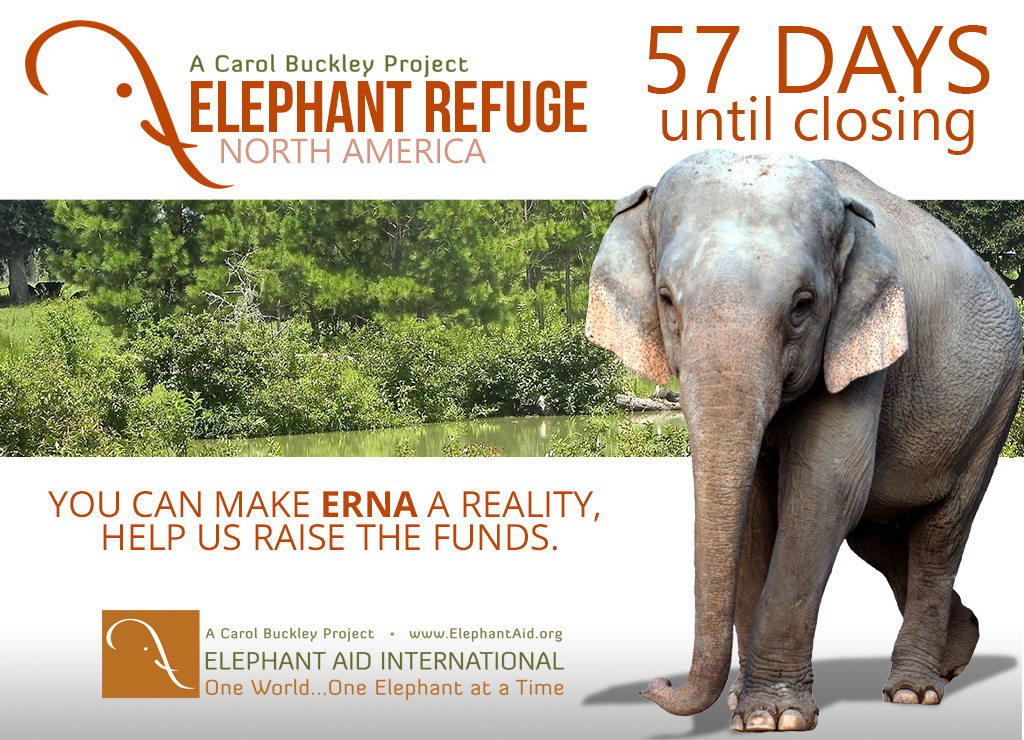
    14712991_1296262603737431_6131236874564709140_oThe ERNA closing date has been pushed to December 15th, so now we stand at 57 days until closing! To help raise funds for the elephant paradise, donate today!

  • TripAdvisor no longer makes money off animal suffering

    TripAdvisor no longer makes money off animal suffering

    11tripadvisor-animals-master768Making steady progress for animal welfare: TripAdvisor to Stop Selling Tickets to Many Animal Attractions.

    14615856_1286567708040254_7526071632518963441_oThe progress in Nepal is driven by the mahouts’ willingness to learn how to provide better care for captive elephants.

    14566427_1286789894684702_1653308219345432894_oFoot disease is epidemic among elephants living in captive environments. Captivity-induced foot diseases among these long-lived beings can lead to physical collapse and death. Proper elephant foot care is vital for elephant health.

    14650303_1287513497945675_8147598989740765811_nIf we want a future of compassion toward elephants, we must teach our children to care for all creatures.

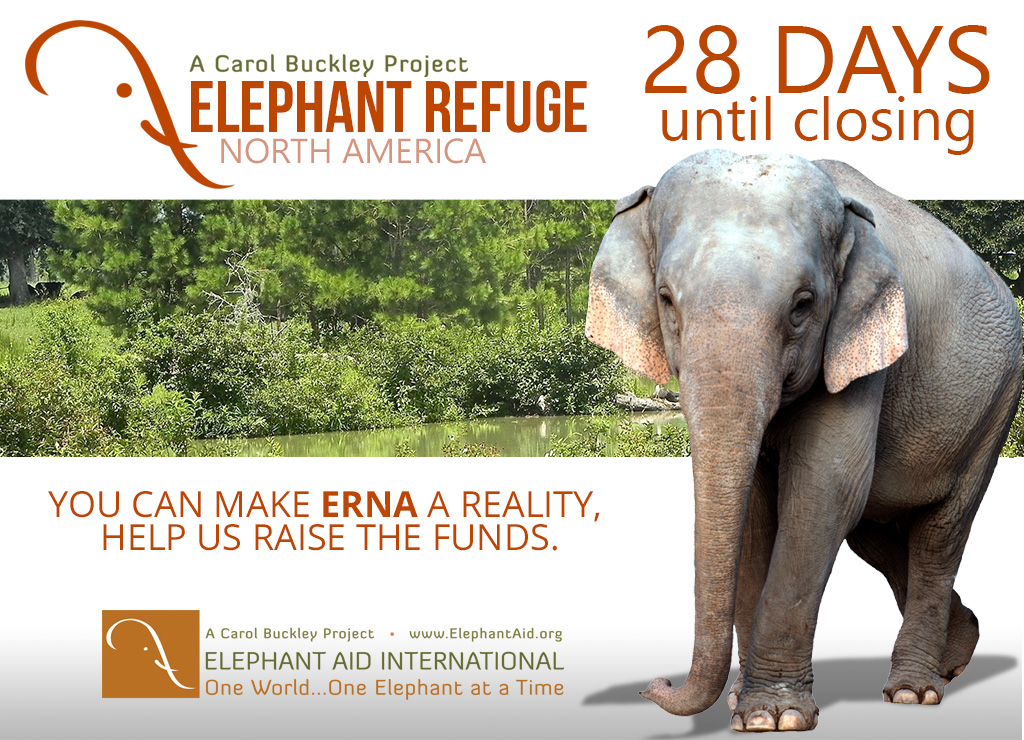
    14707902_1288403497856675_4883728828528651954_o28 DAYS UNTIL CLOSING! Only four weeks remain until the finalization of the ERNA land sale, and the elephants still need your help. Even the smallest contribution allows you to personally support the elephants in need of an environment to thrive. Donate today!

    14724476_1289593234404368_7665143081699443228_nAnother incredible picture of a sweet elephant from Nepal.

  • The Nepali Times covered the changes at Tiger Tops Elephant Camp

    The Nepali Times covered the changes at Tiger Tops Elephant Camp

    d1w5kgeThe Nepali Times covered the changes at Tiger Tops Elephant Camp in Nepal. This is the wave of the future; elephants no longer used as entertainers, but the object of wildlife observation.

    eai1Tiger Tops Elephant Camp is gaining media attention for its elephant-friendly tourism. Now, the elephants living at the resort are ride free, chain free and pain free.
    14462994_1280461288650896_5640693018084859505_nNature Defense Foundation recently provided a significant grant towards EAI’s Elephant Refuge North America. This past Friday they hosted a “Meet and Greet” with EAI Founder Carol Buckley, for California Bay Area Foundations. The event was well attended by sincerely motivated individuals interested in elephant welfare. A huge thank you goes to all who attended and to Sarah Shaw of Nature Defense Foundation for hosting the event. If you would like to host an event for Foundations and others interested in supporting ERNA, please contact us.

    elephant-adventure-3Another great write-up for Tiger Tops Elephant Camp in Nepal, the first resort to go chain-free and discontinue using elephants for elephant back safaris. Instead they have partnered with EAI’s CEO Carol Buckley to create an elephant-friendly experience unlike any other, full of adventure and respect for elephants.

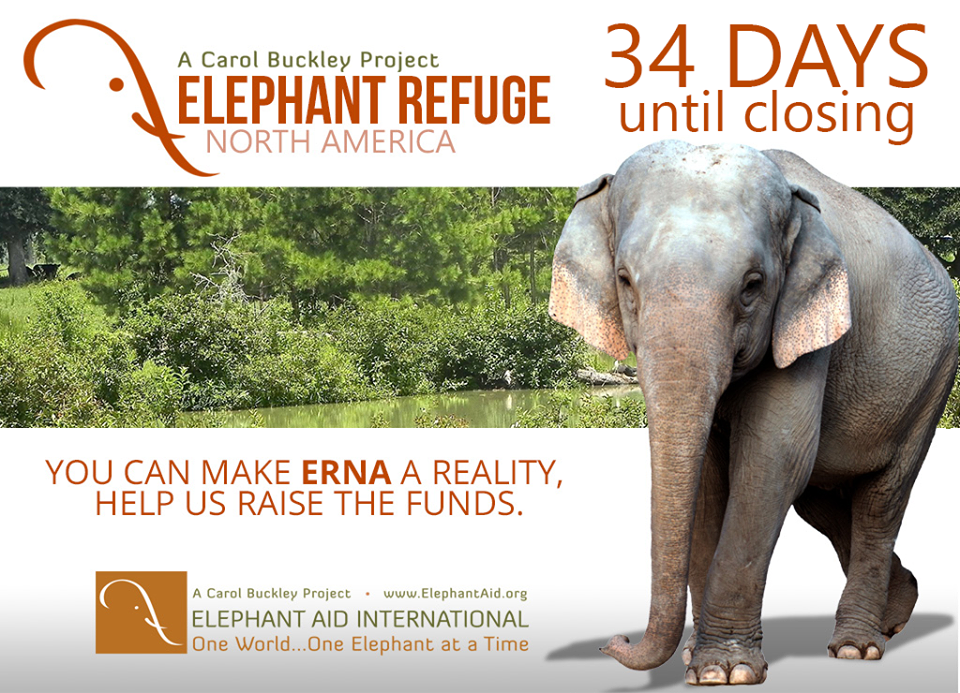
    14469581_1282843808412644_6220498687450535139_n34 DAYS UNTIL CLOSING! The sale of the ERNA land will finalize on November 9th. The elephants still need you. Donate today to help these incredible beings thrive in a beautiful environment.

    14484765_1282483931781965_9042817408079457784_nEveryone had fun and learned a lot at Tiger Tops Elephant Camp Foot Care Workshops!

    Also:

    • The Wildlife Crime Unit in Nepal is recognized for their work to prevent wildlife trafficking.
    • Captive elephants in Asia suffer the worst foot health issues, both painful and permanent. The sweet elephant in this video suffered from such overgrown nails that her front toenail actually ripped away from her foot, causing permanent damage to the connective tissue. She is now permanently crippled by the captivity-induced injury.
  • Carol Interviewed by National Geographic

    Carol Interviewed by National Geographic

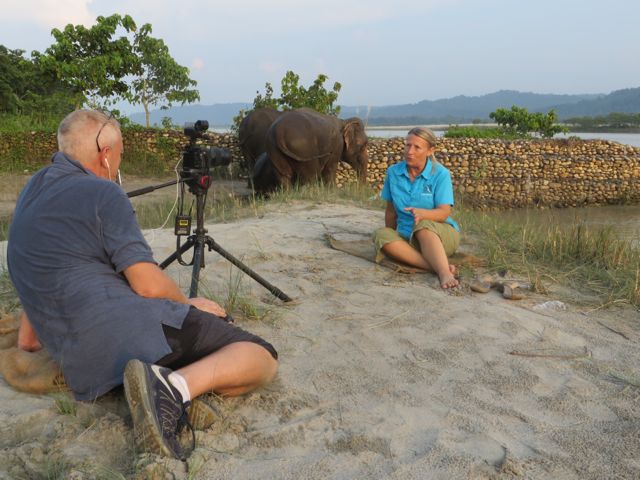
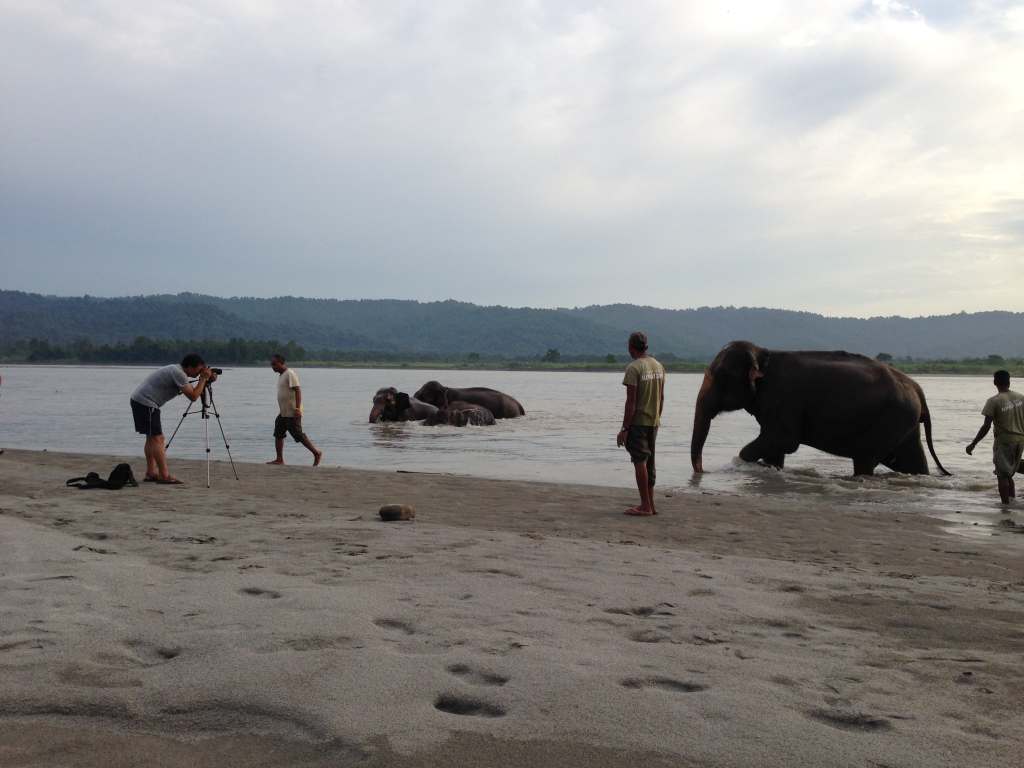
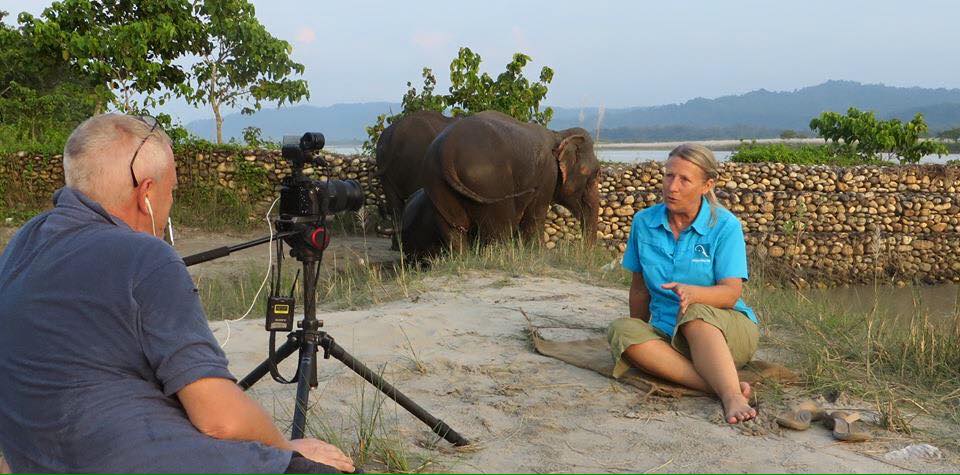
    Carol interviewed at Tiger TopsDavid Clark, a National Geographic film maker, visited Tiger Tops this week, documenting Carol’s work with elephants in Nepal and at Tiger Tops. Elephants Hira Kali, Sarswoti Kali and Sandra Kali showed off in the water during the interview, while Sita Kali and Gulab Kali weren’t fazed by the limelight and sauntered off to find some greenery.