Category: Elephants in the U.S.

  • Two Great Ways to Support ERNA!

    Two Great Ways to Support ERNA!

    CoCre homepage imageTwo terrific fundraising sites are supporting the Elephant Refuge North America (ERNA) fundraising campaign.

    The Animal Rescue site is offering an opportunity to support ERNA and have your donation doubled! For a limited time, a generous donor will match your $8 donation, which will pay for two feet fencing, up to $15,000! Don’t wait – donate today!

    The CoCre website is a storytelling platform to raise awareness and resources for good causes and organizations. The site has launched a fundraising campaign to support ERNA.

  • Current donation total is now at $858,945.00

    Current donation total is now at $858,945.00

    captureThe current donation total is now at $858,945.00. From the bottom of our hearts, we deeply appreciate your support in our efforts to help provide a better environment for elephants. We want to acknowledge the kindness every individual who donates and likes, comments or shares our posts. You are all contributing to the cause. Thank you. Donate today!

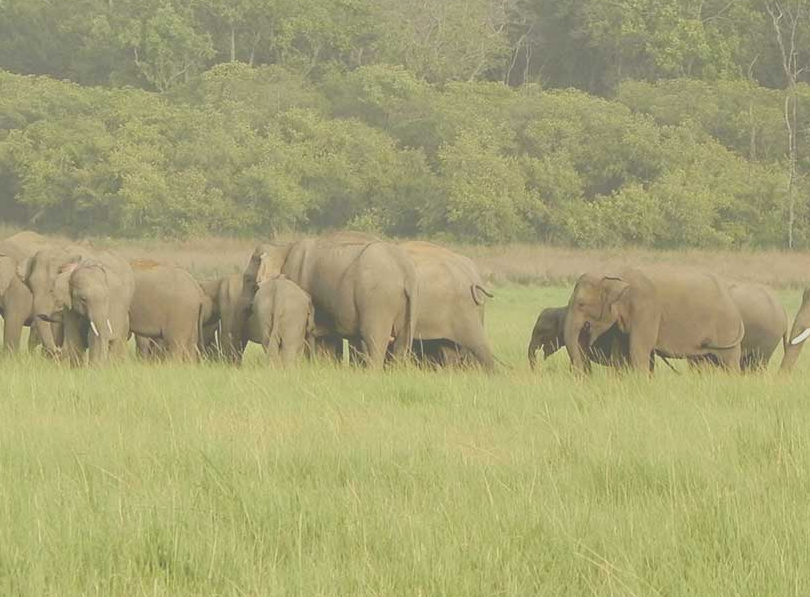
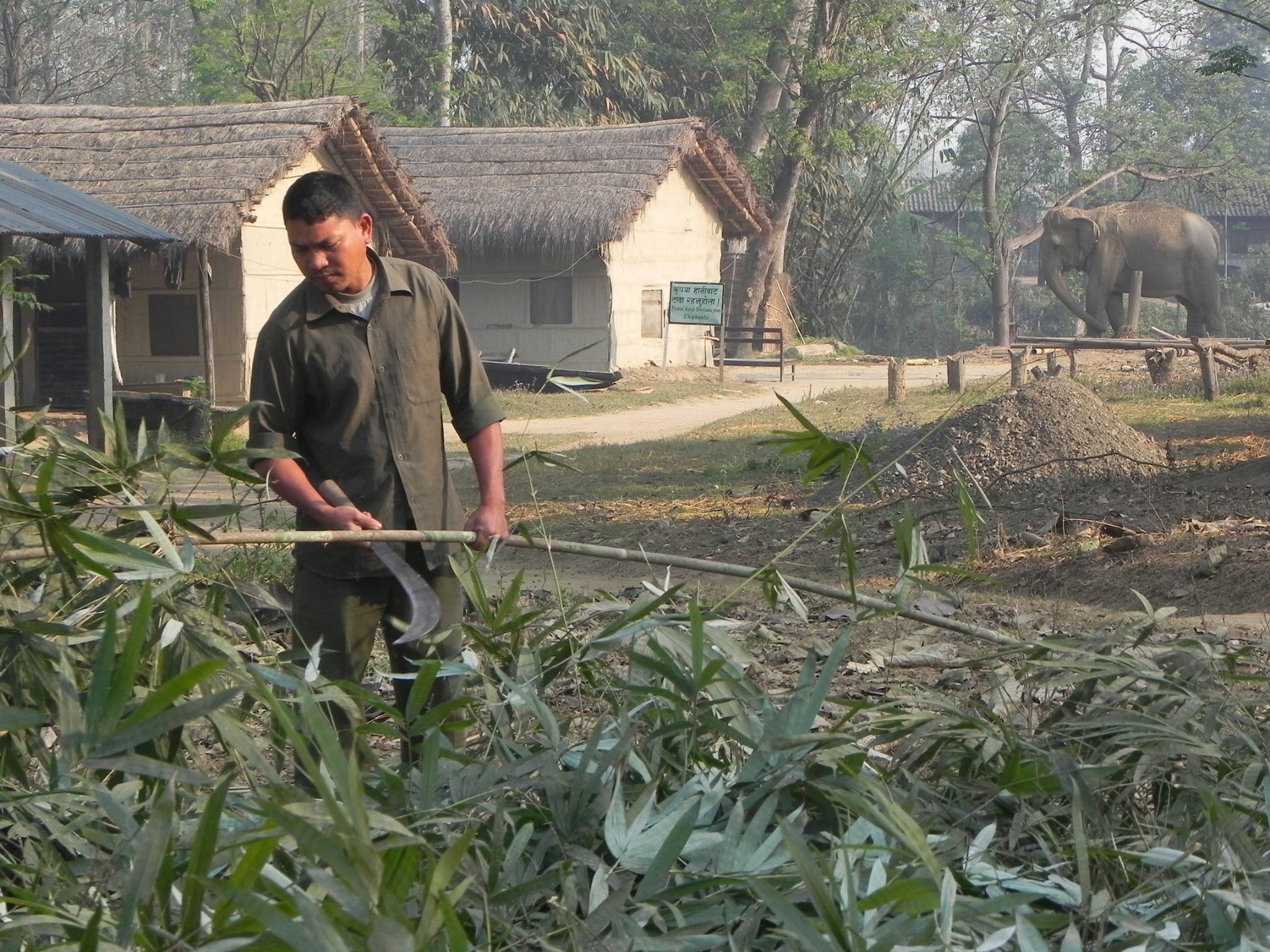
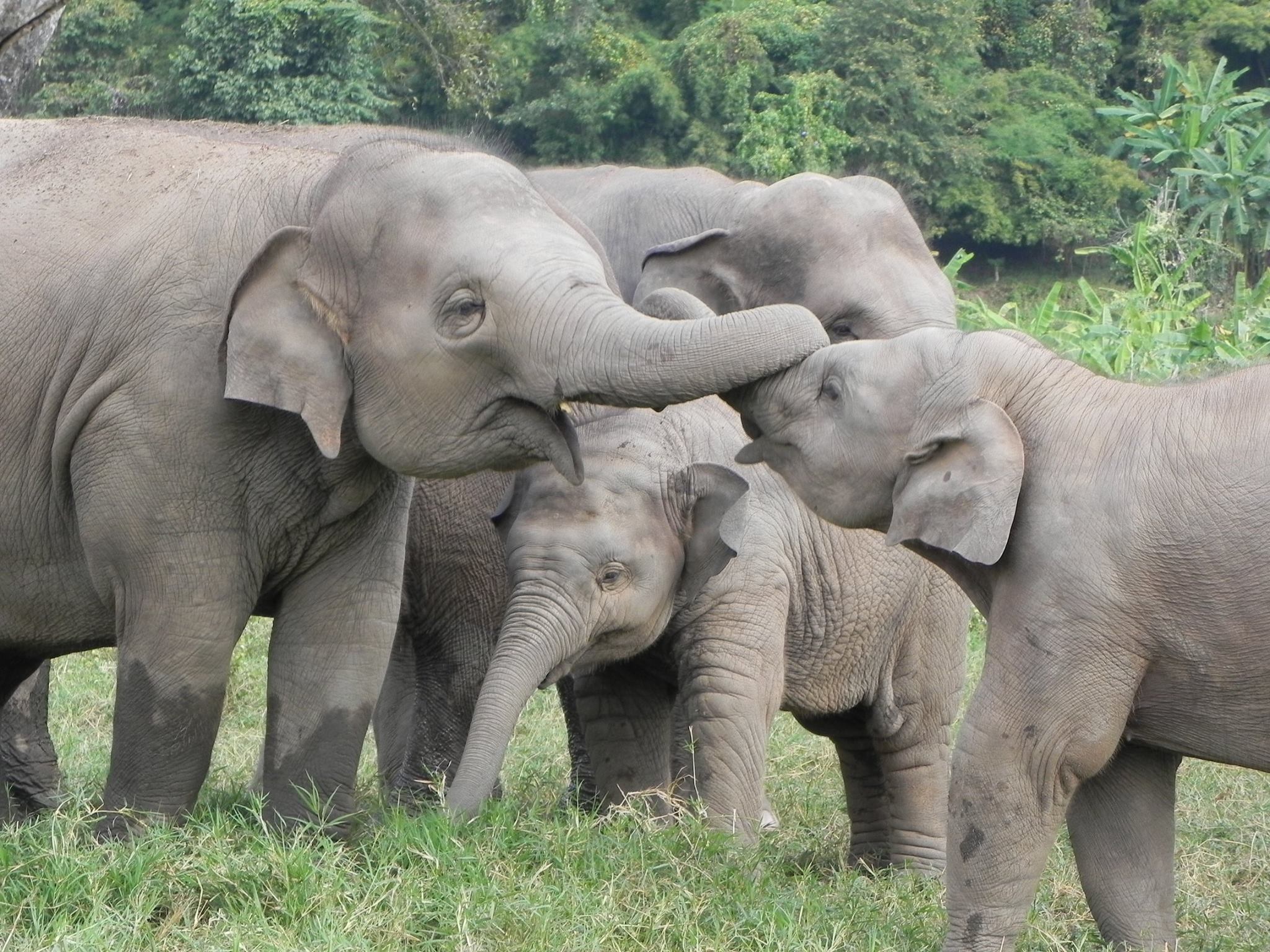
    14713070_1290567650973593_3888856378838742979_oElephants in Asia compete with humans for nearly all resources, including bamboo, a staple of the Asian elephant diet and traditional building material for humans. As long as humans see their needs as more deserving, elephants will continue to suffer. We must continue our efforts by educating the mahouts and providing chain-free corrals for captive-held elephants.

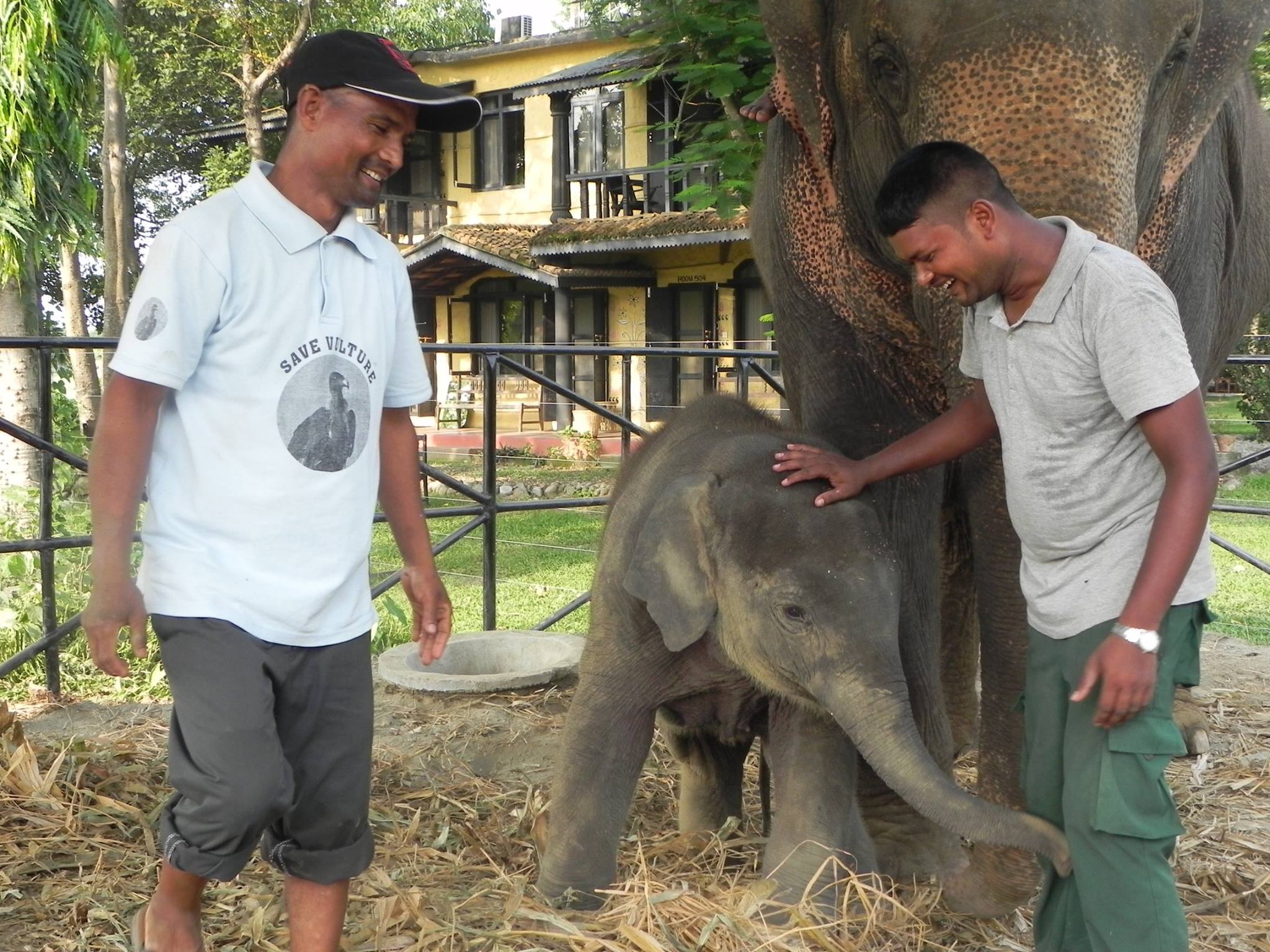
    14715661_1293375797359445_6945717541295315919_oShree (a mahout trained using EAI’s Compassionate Elephant Care) shows fellow mahout a more humane, more effective way to work around Samrat Gaj, a 4-month old captive-born elephant in Nepal. The mahout student is delighted by the results.

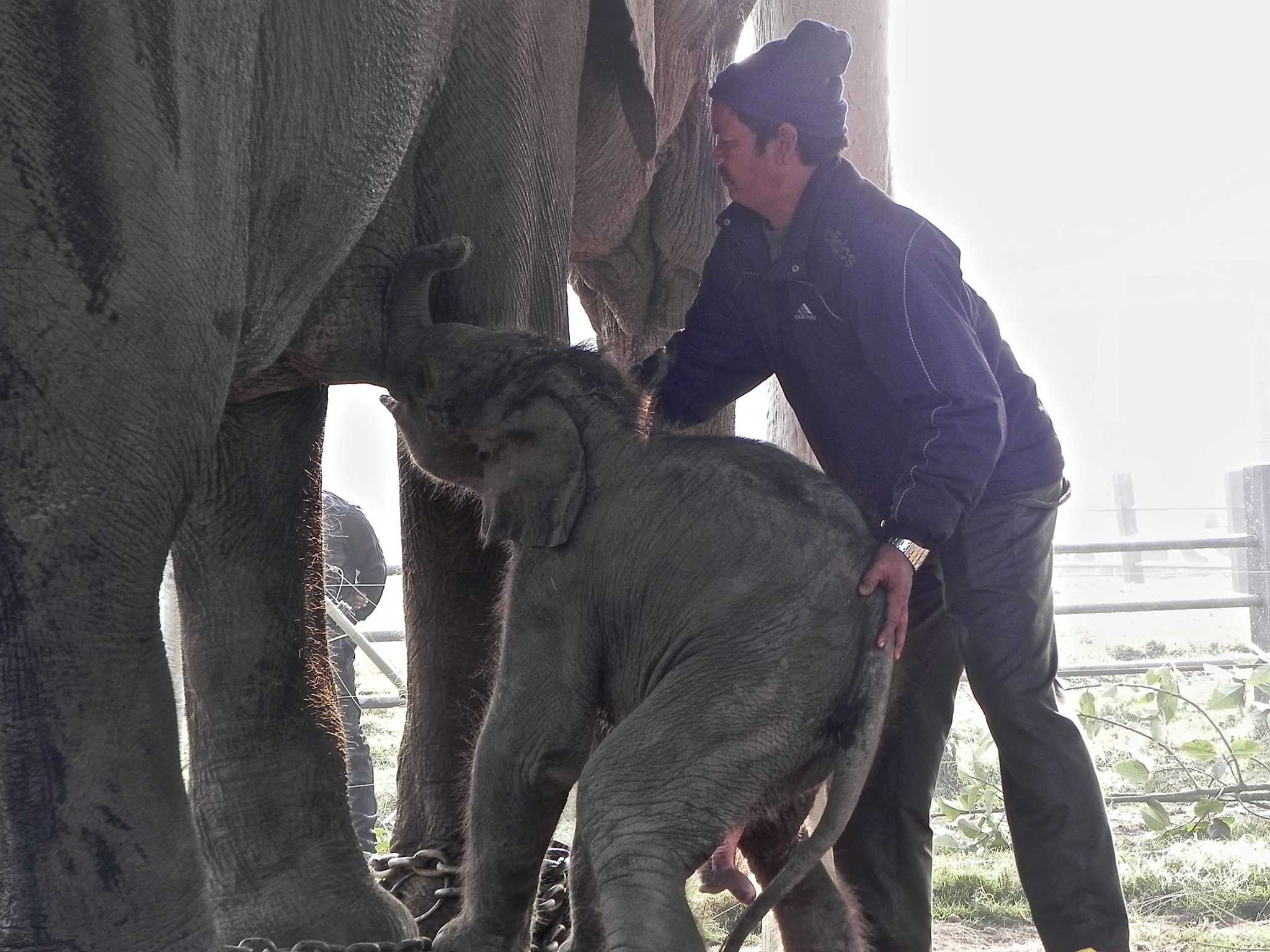
    14714836_1293522757344749_3029055320299766199_oThis newborn calf, only hours old, suckles from his mother — aided by a mahout learning new ways of relating to elephants. Compassionate Elephant Care, an EAI program being taught to all mahouts at government owned hattisars (elephant stables) in Nepal, is changing how mahouts manage their elephants.

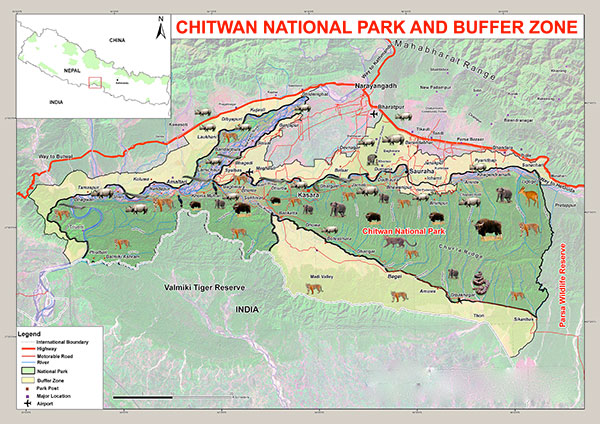
    chitwan1Change starts with one person, who can inspire a whole group, who can go on to inspire the entire world. For elephants, chain free means pain free. By supporting the mahouts who care for impoverished elephants, the welfare of both is improved. Show the mahouts that you recognize their value. Support their transition from archaic to humane.

    14692053_1295359530494405_4158283269240433179_o“The love for all living creatures is the most noble attribute of man.” – Charles Darwin

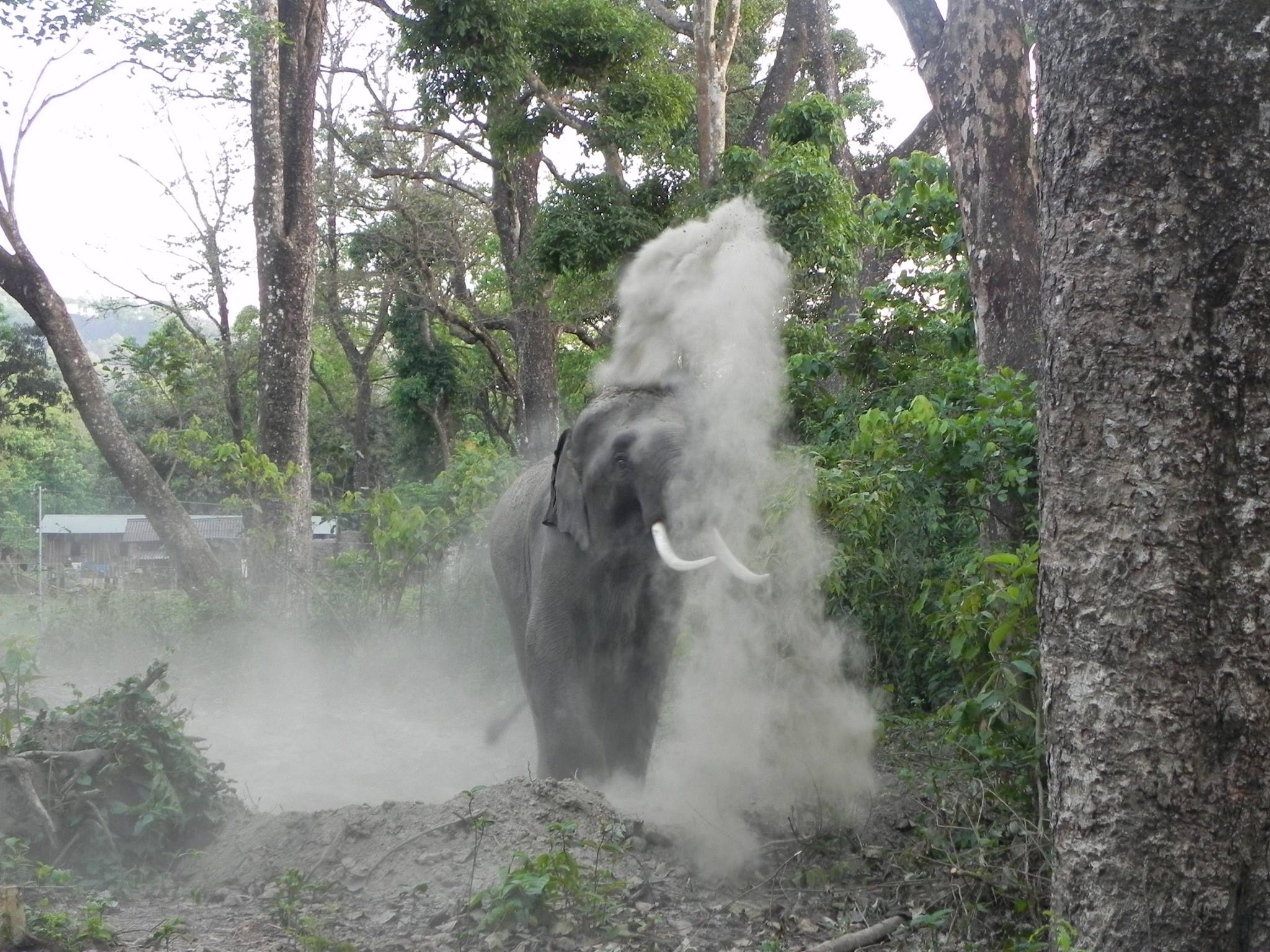
    14711625_1295361663827525_8717717484992416154_oDid you know: Elephants take “dust baths” — as seen in the picture below — to protect their sensitive skin from sunburn and biting insects

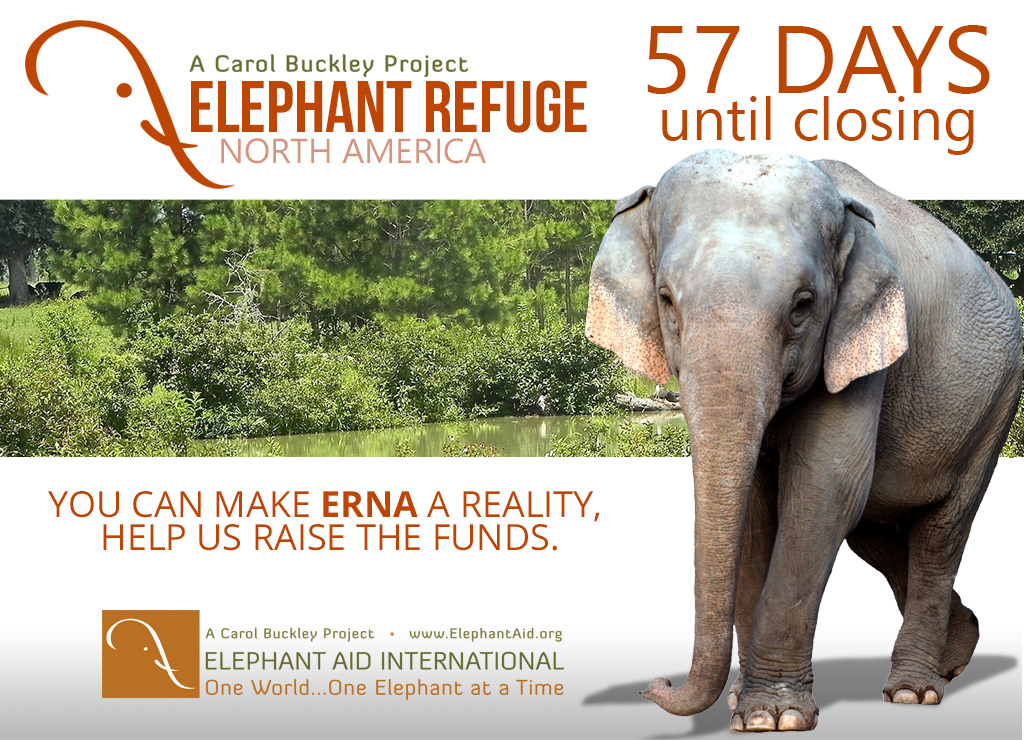
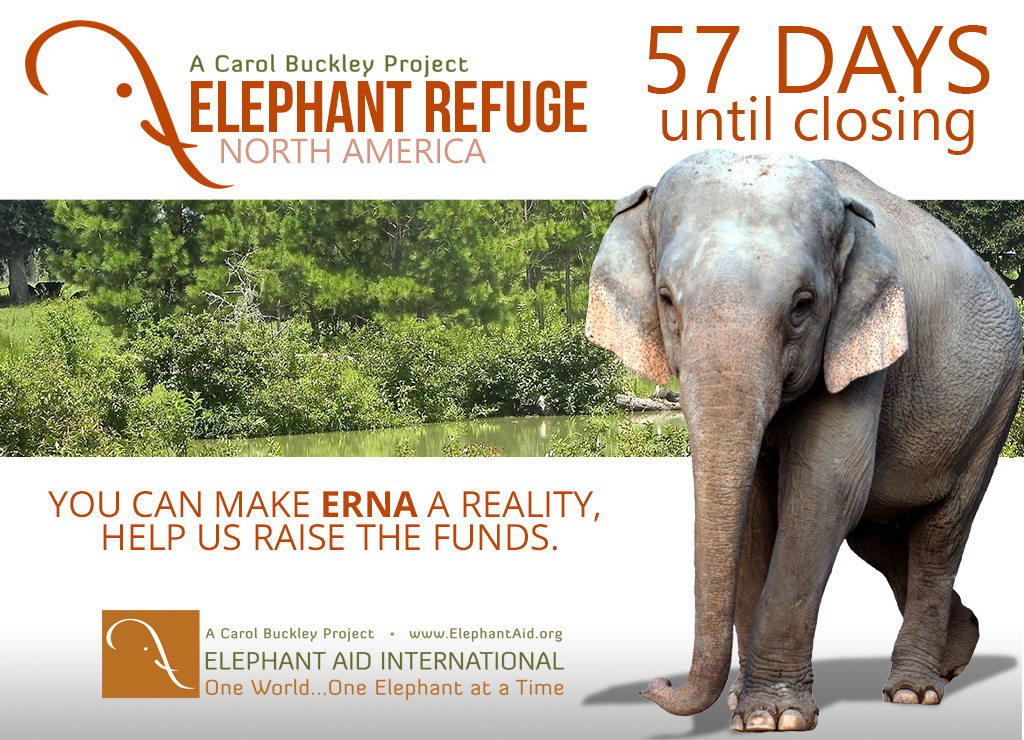
    14712991_1296262603737431_6131236874564709140_oThe ERNA closing date has been pushed to December 15th, so now we stand at 57 days until closing! To help raise funds for the elephant paradise, donate today!

  • Happy Birthday My Girl (A message from an adoptive mother to her beloved daughter)

    Happy Birthday My Girl (A message from an adoptive mother to her beloved daughter)

    Feb 14, 2014

    Hi my dear Tarra,

    Happy Birthday! I can hardly believe you are turning 40. It just doesn’t seem possible, does it? I miss you babe, and hope you have a fabulous birthday!

    I sure wish we could be together today. But since we can’t, I’m on the other side of the planet helping your cousins. I know you are proud of my work. Heck, you’re the inspiration.

    Just thinking about you makes me smile and brings my heart joy. Even though I am unable to see you right now, I appreciate feeling your presence. It is the special gift you’ve always shared with those you love. Our separation is temporary; our bond, forever and unbreakable.

    By the way, your chain-free corral idea was a winner. It is such a simple and affordable way to get elephants off chains. You’re a genius! I wish I had thought of that one myself. Until we are reunited, keep sending me your great inspirations. I know you will.

    Love,

    Me

  • When Jenny Met Shirley

    Jenny and Shirley first met each other in 1976 at the Carson and Barnes Circus winter quarters in Oklahoma. Jenny was a youngster, newly imported from Asia. Shirley was recovering from a broken leg she sustained from an elephant attack many months prior.

    Circuses are known to keep elephants chained side-by-side according to size, largest to smallest. Since Shirley was unstable, having only three good legs, she was chained at the far end of the picket line away from the big elephants and right next to Jenny.

    Their time together was short-lived, only a couple of months. In early spring of 1977, Jenny was sent out on the road to perform with the circus and Shirley was sold to the Louisiana Purchase Gardens and Zoo in Monroe, LA.

    Twenty-three years passed. The next time they saw each other was when Jenny stepped inside her barn at The Elephant Sanctuary on July 6, 1999.

  • Jenny and Shirley’s reunion

    Jenny and Shirley’s reunion

    Recently, a friend emailed me a question: “During the filming of “The Urban Elephant” documentary, what was going on in your mind (and heart) when Shirley and Jenny were trying to get close to each other?”

    I realize many of you may be curious as well, so I decide to share with all of you.

    “The Urban Elephant” film crew had been at the Sanctuary all day and had just left for dinner when Jenny approached the barn. She and Shirley had not yet met.

    When Jenny first stepped inside the barn she was calm, but when she saw Shirley she became agitated. She reached through the stall toward Shirley, intensely focused on her. Shirley showed little interest but finally responded to Jenny’s attention by stepping close enough to be touched.

    Jenny’s agitation grew. She extended her trunk all the way through the bars, reaching out, touching, talking to Shirley. Shirley stood parallel to the corral allowing Jenny to touch all over her, but continued to show very little interest. Jenny began to work herself up into frenzy, very uncharacteristic behavior for her.

    Scott and I were sitting inside the barn only a few feet away, watching. I was filming.

    Jenny was animated and anxious; she wanted to get closer to Shirley. Shirley remained calm. But when Jenny placed her truck up to Shirley’s mouth, Shirley froze. Her posture changed, she became a little rigid and then turned to look at Jenny. She reached over to touch Jenny’s mouth and what followed was undefinably powerful and life changing for all present.

    Looking straight into Jenny’s eyes, Shirley erupted into a huge baritone roar. Caught completely off guard, I thought a bomb and an earthquake had simultaneously hit the barn. Her bellows ignited Jenny’s bellows, which together literally shook the barn.

    With her head held high and mouth gaping open, Shirley roared and gently touched all over Jenny’s smiling face. Jenny’s body immediately relaxed as she continued to grope and pull at Shirley through the bars and bellow. The volume of their shared roars was deafening.

    The energy in the barn was so intense I had to step outside the door to catch my breath. Seriously, I could not breathe. I did not yet fully understand what was happening. I had only seen such a display of emotion once before when a baby elephant at a breeding facility was separated from his mother for the first time. The two nearly killed themselves trying to climb over the corral to get back together. Their roars were one and the same with Jenny and Shirley’s.

    This memory flashed though my mind and within seconds I understood. Jenny and Shirley had known each other before and during that time had forged an intensely close relationship. This was a reunion.

    The powerfully joyful vocalizations continued for some time, with Jenny and Shirley groping each other all over. I cannot convey how thick the love was in the air. I was too caught up in the emotional exchange to register just how long this went on but it could have lasted close to 30 minutes.

    By the time the volume of their reunion subsided, Shirley was emitting short, sweet sighs and Jenny had melted into the steel bars that separated them, their trunks draped across each other faces.

    I knew I had just witnessed a miracle, the first of many that I would be privileged to witness in the years to come.

  • Bunny

    Bunny

    Bunny — what a sensitive and loving lady. It was a joy to bring her to the Sanctuary. Her immersion into the habitat and bonds with the other elephants exceeded even our wildest dreams. She made an immediate and complete transition into Sanctuary life. In fact, she was the first elephant to sleep under the stars and was responsible for her sisters beginning to sleep outdoors overnight as well.

    I spent five years working for Bunny’s release from the Mesker Park Zoo in Evansville, IN. The zoo had been her home for four decades. From the time my effort began, I placed a weekly phone call to the zoo to discuss Bunny and her possible relocation. Ron Young, the zoo director, and Ted Grannan, the assistant director, were gracious but firm: Bunny would never leave the zoo.

    They continued to accept my calls and humor my periodic visits, but their response to my interest in discussing Bunny’s relocation was a consistent no. I realized that these were kind and caring people. My goal was to familiarize them with the Sanctuary so they could understand what we had to offer to their beloved Bunny.

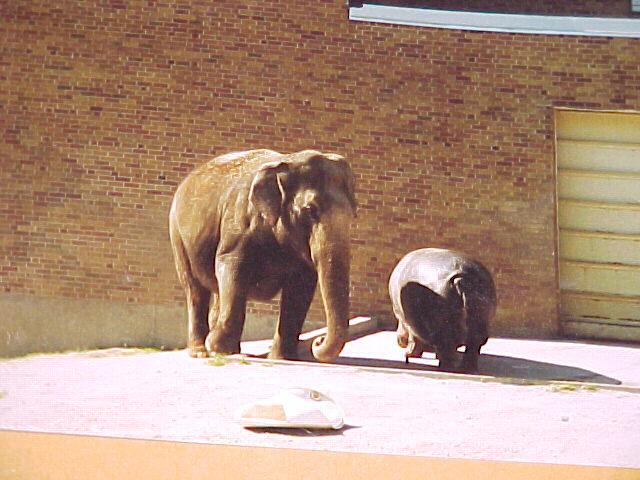
    On one of my many visits to the zoo, Bunny was having “play time” with her next-door neighbor Daisy, a hippo. They had lived in adjacent enclosures for four decades. On special occasions Daisy was allowed into Bunny’s yard for a visit. It was quite cute to watch, but sad to realize how these two had to rely on another very different species for companionship. Bunny gently herded Daisy around the yard, as much as one can herd a hippo, with Daisy paying little attention.

    My persistence began to pay off, but in a roundabout way. Ron soon began passing my phone calls off to Ted, who remained pleasant and engaging. He would listen patiently to my latest update and end the conversation with the zoo’s mantra, “Bunny will never leave the Mesker Park Zoo.”  My no-pressure-but-let-me-tell-you-this approach was sincere — and effective. We shared a common interest in Bunny’s welfare, which soon brought us closer together. My message began to get through and I saw that Ted was beginning to question the wisdom of their position.

    Until this time, I was told that Bunny could not be moved for a myriad of reasons, including that it would break her heart to leave the zoo. With stories about our other retirees as evidence to contradict that concern, Ron finally admitted that the idea simply could not be considered because the Association of Zoos and Aquariums (AZA) would not allow it.

    After years of open communication and education I was able to demonstrate that Bunny not only deserved to move to the Sanctuary but her very health depended on it. Her enclosure offered limited natural substrate and her pool had been empty for years. As result of years spent on the hard surfaces of her exhibit, Bunny had developed a chronic foot disease that could soon develop into osteomyilis. This captivity-induced disease is responsible for the deaths of nearly all adult captive Asian elephants living in zoos. Bunny was on her way to being yet another statistic but I knew that Sanctuary life could spare her such a fate.

    Bunny was surrounded by a loving staff, attentive veterinarian and adoring public. They began to grasp the gravity of Bunny’s condition and, ultimately, the people responsible for Bunny’s care, including Ron and Ted, became the champions for her release.

    On September 29, 1999, Bunny arrived at the Sanctuary. Her retirement was celebrated by two communities united by one deeply loved elephant.

  • Proposed elephant rides in Kentucky

    Tuesday I spoke at a Kentucky Department of Fish and Wildlife Resources (KDFWR) public hearing in opposition to the proposed amendment to state regulation 301KAR2:082. If this amendment passes, elephant rides will be allowed in the state of Kentucky for the first time since 2005.

    KDFWR representatives appeared receptive to the information I provided regarding elephant behavior, harsh trainer treatment and the risks the city accepts when allowing an inherently dangerous exotic animal to share common space with the public. If they grasp the immense risk elephant rides pose, they will surely oppose the amendment.

    What prompted the ban nearly seven years ago was an elephant attack at the Louisville zoo that left a man seriously injured. The elephant, Kenya, was privately owned and contracted by the zoo for elephant rides.

    The day of the attack Kenya was in an off-exhibit area with her trainer. It was standard practice for Kenya to wander around the enclosed area unchained. But while the trainer was distracted in another area of the enclosure, Kenya opened a gate and wandered out into the zoo.

    It was the end of the day and very few zoo visitors were present. A man saw Kenya and walked up to her. Reports indicate that he tried to control her, but she lashed out at him, inflicting serious injury.

    The incident resulted in lawsuits against the zoo, the city and Kenya’s owner. The man recovered and Kenya was not harmed.

    Following the attack, in recognition of the dangers posed by some species of wild and exotic animals, KDFWR banned public contact with a long list of inherently dangerous animals, including elephants.

    One supporter of the ban is the Primate Rescue Center, co-founded by April Truitt.  Many of the species that her organization rescues and protects are included in the ban.

    Currently KDFWR is being lobbied by the Kosair Shriners to amend the regulation and allow elephant rides. The Kosair Shriners continue to offer elephant rides at their annual circus fundraiser in defiance of the regulation. Their position at the meeting was that elephants are not dangerous, at least not the ones they hire.

    Lobbying to stop elephant rides does not guarantee better welfare for elephants but it does provide an opportunity to educate people about the inappropriateness of the activity.

    Send your comments to:

    Ms Rose Mack

    Kentucky Department of Fish and Wildlife Resources

    [email protected]

    (502) 564-5136 (Fax)

  • Tarra meets a baby bird

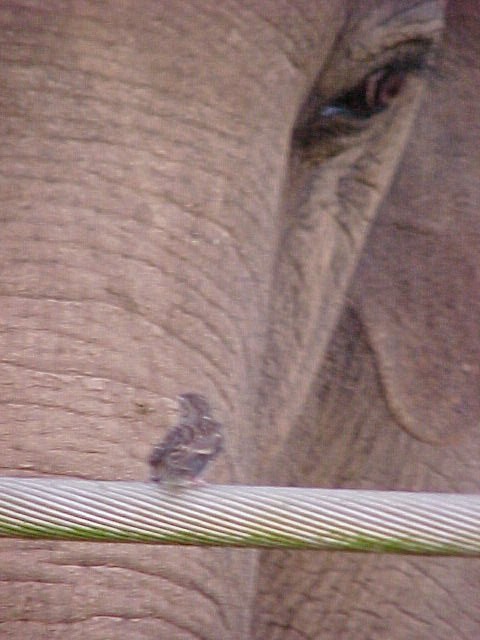
    Tarra meets a baby bird

    The story that goes with this touching photo taken in 2001 is equally amazing. I went out to the back of the Phase ll barn and found Tarra staring at the fledging on the horizontal corral cable. I was without camera and said to Tarra, “Don’t move, don’t scare it — I’m going to get the camera.  I’ll be right back!”

    I ran back the length of the barn and up the stairs, found my camera, ran back down the stairs and out to the back of the barn. It had to have taken me two to three minutes. When I came back around the corner, Tarra was standing perfectly still, in the exact same spot as when I left her. I swear she was holding her breath.

    I was able to take three photos before the fledgling flew off.

    I praised Tarra for standing so still and for not trying to touch the baby bird, which I could tell she was dying to do. Her eyes were still as large as saucers, sparkling with excitement. She squeaked, took a deep breath and let out a piercing trumpet.

    Another magical moment with Tarra.

  • Ojai remembers Tarra

    Craig Walker from the Ojai Valley Museum contacted me recently. He was interested in an update about Tarra since our time living in Ojai. His article brought back fond memories of Tarra and me, and the community’s warm embrace of our unique relationship.

    I am always amazed to hear recollections from people who have meet Tarra over the years.  Some of the stories are simply outlandish. One such story that really made me laugh was Matt’s memory of seeing Tarra skating down Matilija Canyon Road with three or four guys on horses holding her back with ropes.

    WOW. Even though that might  sound fun, it never happened. I don’t doubt for a moment that Matt and his friends actually saw Tarra with her horse, donkey, pygmy goats and dogs in tow, but there were no ropes or skates involved.  Most likely what Matt witnessed was Tarra and family darting across Hwy 33 on our way to Matilija Lake. I admit that Tarra runs as smooth as a gazelle, so perhaps she appeared to be roller skating!

    Many have asked where the skating gimmick came from. Truth is, it was just another inspiration on the road to sanctuary.

    As Tarra grew, performing became increasingly boring for her. I struggled to find a way for her to enjoy the work. Since retiring was not yet in the cards, I looked for other ways to provide her a lifestyle she would enjoy.  By the time she was eight years old, that quest had already taken us from amusement park performer to circus performer to private party entertainer, to Hollywood bit player to watercolor artist. Keeping the work varied helped alleviate the boredom that seemed the greatest threat to Tarra’s cheery attitude.

    While discussing my dilemma with a friend, I jokingly said, “I should teach her to rollerskate. It’s easy, fun and all the rage right now.”

    We looked at each other and burst into excited laughter. He said, “That’s it! She’ll love it – Tarra, the world’s only roller skating elephant.”

    The research that followed resulted in a set of clunky steel-frame skates with custom-made knee-high boots and industrial casters that rolled forward only. A star was born.

    In those days I was unfamiliar with animal activism. I knew Tarra very well and was not surprised when she took to her skates like a fish to water…almost too much in fact. I know that animal activists reading this post will cringe at the very thought of me discussing Tarra’s skating in any positive light at all. But the truth is the truth. Tarra loved it.

    Each skate fit like a glove and strapped on with seat belts. There was no way that anyone could have forced Tarra into her skates; she had to put them on herself. She would step inside the 12-inch high boot and wiggle her foot around until her toes slipped into custom designed padded toe spaces. Her assistants, all three of us, would then strap the sides of the boots and pull the seat belt straps tight.

    Getting suited up with her skates took close to 20 minutes. The entire time she would chatter, trumpet and purr in anticipation of the fun. The hardest part was getting her to wait until she was completely and securely strapped in before bolting off, trunk and tail extended, in a mad dash around the roller rink.

    It might come as a surprise why Tarra stopped skating. She never tired of the fun, but I learned how opposed to such unnatural activity certain people were.

    One day, while Tarra was skating before a large crowd in an open parking lot, a well-dressed woman approached me, grabbed my arm and started yelling, “Animal abuse!” Of course I looked around to see what she was talking about and then realized she was talking about me.

    I was shocked, unable to understand how this person could ever see Tarra’s play as abuse.  But that was the point: Tarra was having fun but skating was sending the wrong message.

    I really grew up that day, realizing that perception is everything. If even one person saw Tarra’s skating as abusive, we could not do it. I began researching the animal activist movement and retired Tarra’s skates.

    I believe that Tarra’s skating was not just another effort on my part to enrich her life. I believe it was another step along the road to sanctuary.
  • a need for change, right here at home

    I recently returned from a lengthy trip to Asia, where I taught traditional mahouts (trainers) a gentler, more humane way of training and working with captive elephants.

    Viewing the undercover video exposing the abuse of Tai, the elephant star of “Water for Elephants,” was unnerving. The techniques circus trainers in America use are identical to the traditional, antiquated and abusive methods of breaking and training elephants used by mahouts in Asia that have been handed down for centuries.

    As in Asia, American circuses embody tradition, animal abuse for public entertainment. Being involved in the circus for nearly fifteen years gave me ample exposure to this abuse. Even though we have made huge advances in our knowledge about elephant intelligence and suffering, this tradition has, sadly, thus far failed to evolve.

    There is an alternative to these harsh training methods, if indeed elephants must be trained. I am pioneering the field of positive reinforcement training in the traditional free contact environment in Asia. Although I do not condone the commercial use of elephants, I am realistic enough to know that my personal concerns will not put a stop to the shows and rides that exploit elephants there. Only through education targeted at elephant trainers, mahouts, and the insatiable public can the abuse be curtailed and eventually stopped.

    It is uncanny that Tai’s abuse was exposed as result of her portrayal of an abused elephant in “Water for Elephants.” By enforcing existing regulations and strengthening laws to protect the innocent, the antiquated training practices of the circus in America can be eradicated.

    I am of the firm belief that if the only way an elephant can be on public display is to be dominated with harsh control methods then we, as a society, are required to forfeit the opportunity to have elephants in captivity.

  • Elephant Aid International

    Elephant Aid International

    These elephants benefit from the mobile health care program I established over five years ago.

    Welcome to my new blog! I am so excited to share this great news with you. Never one to stand around and watch the grass grow, I decided to create a new nonprofit organization called

    Elephant Aid International.

    I guess that makes all of you ELEAIDS.

    The mission of Elephant Aid International is to assist elephants worldwide…one elephant at a time. I believe in the power of one, that every elephant counts. On my travels I will be searching for opportunities to learn about elephant and mahout life in Nepal, India and Thailand. Whenever and wherever possible, I hope to impart what elephants have taught me about non-dominance passive-control management and the sanctuary life style.

    It is my good fortune to be invited by elephant experts to participate in field work, elephant medical care and even brainstorming with other like-minds for the creation of elephant sanctuaries in Nepal and India. I am focusing on the future, thankful for this opportunity to be of service on a much grander scale.  This trip is humbling, a fabulous opportunity to further my studies of this magnificent species and a chance to give back.

    Imagine the prospect of sharing what I have learned from our girls to benefit their relatives, in their homeland. It is more than I ever dreamed possible. Talk about coming full circle and paying it forward.

    I can’t wait to see what the future holds. My flight to Kathmandu leaves April 12. After a pit stop in Bangkok I join up with a team of veterinarians and technicians for the first leg of my trip. I will blog as often as possible to include you in the adventure and, of course, introduce you to each and every elephant I am blessed to meet along the way. The future is indeed BRIGHT.

    Namaste,

    Carol