Category: Foot care

  • Remote Foot Trimming – Nepal

    Remote Foot Trimming – Nepal

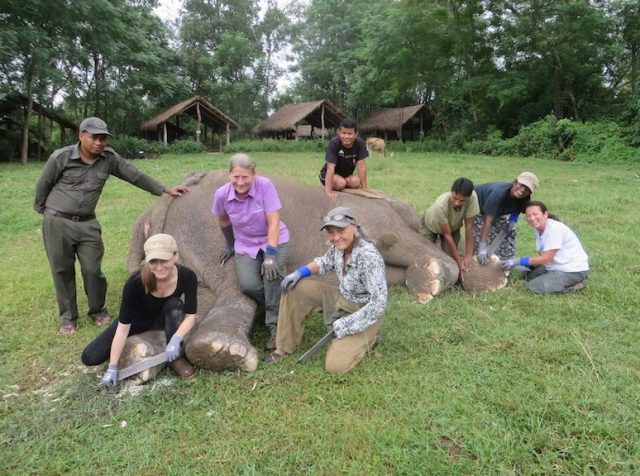
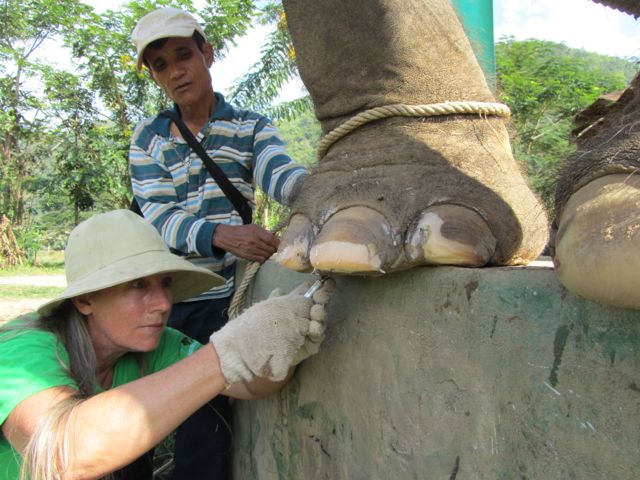
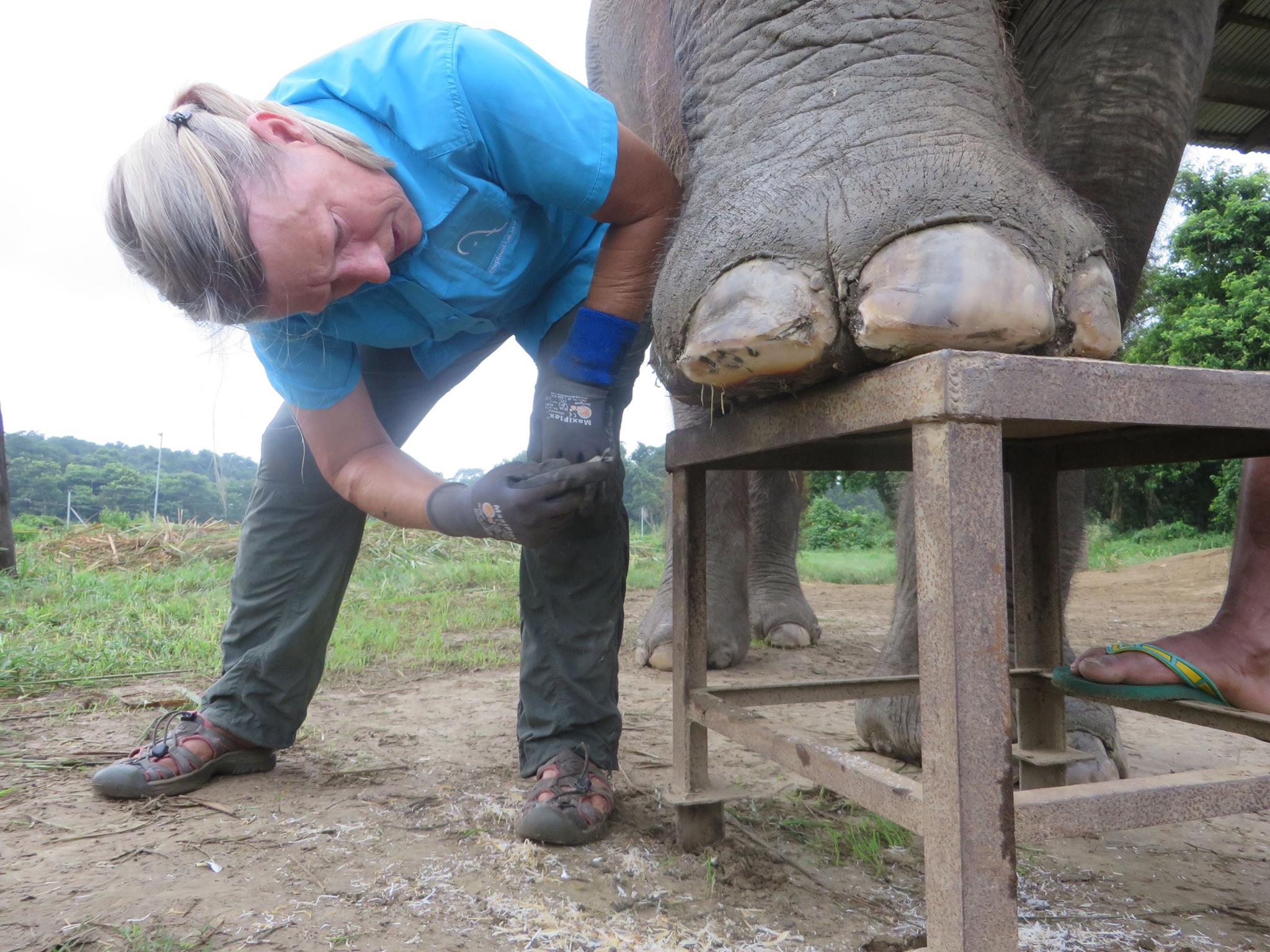
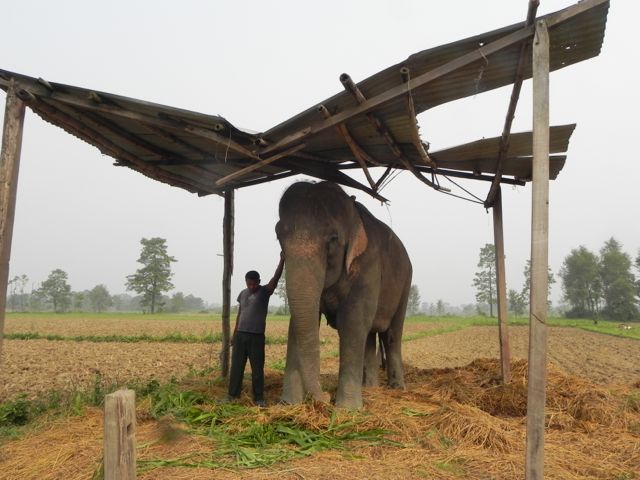
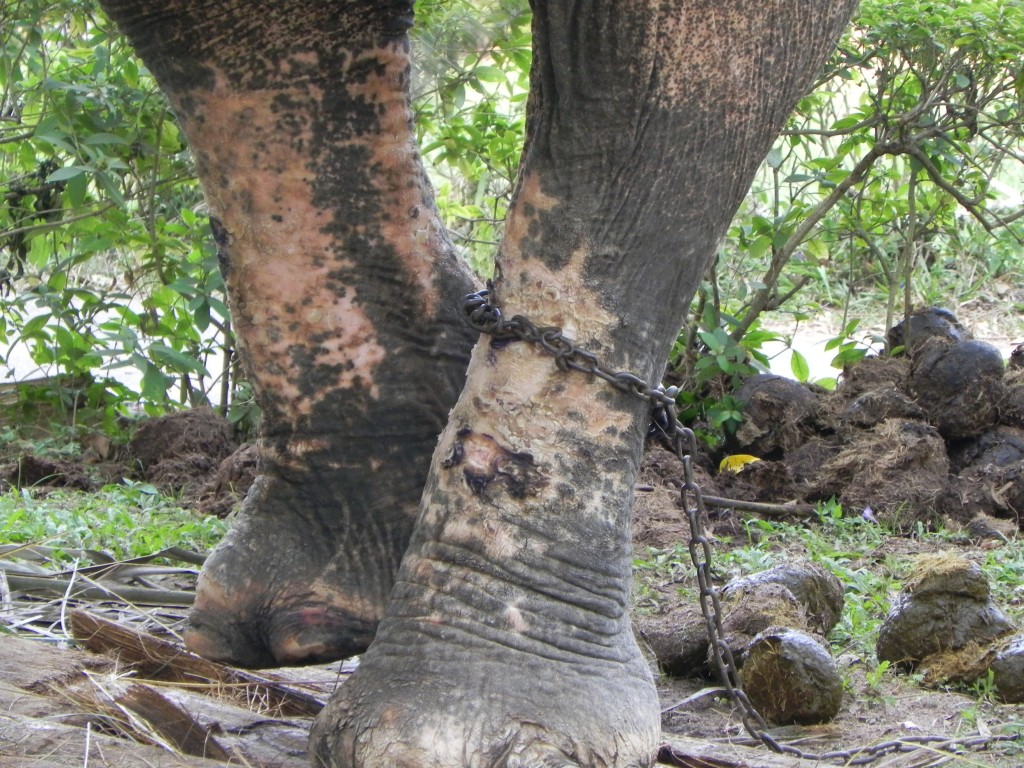
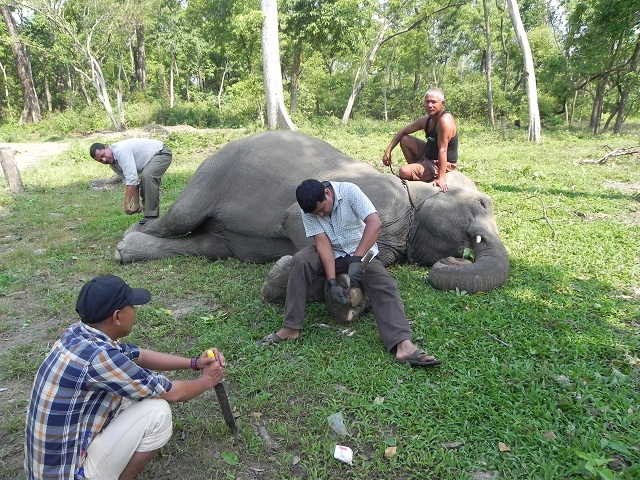
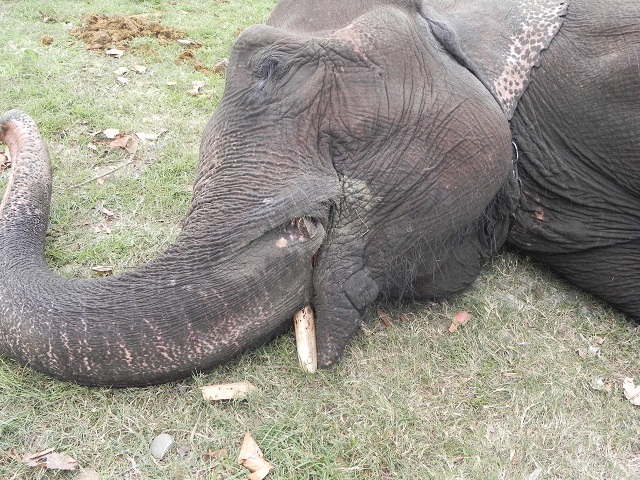
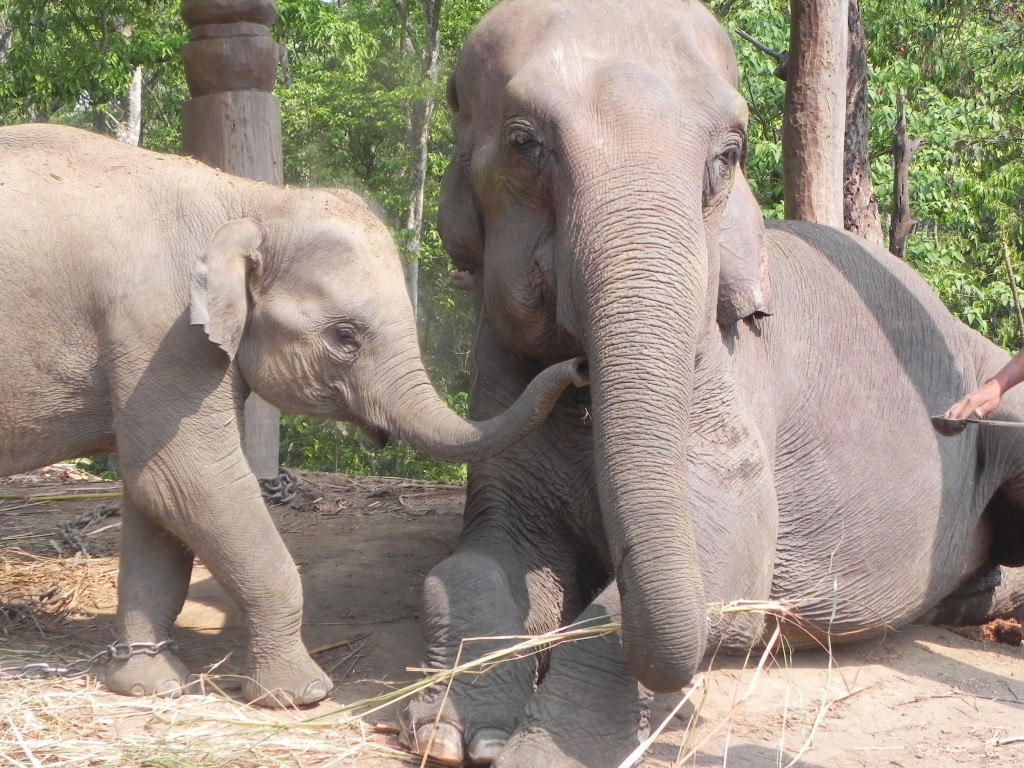
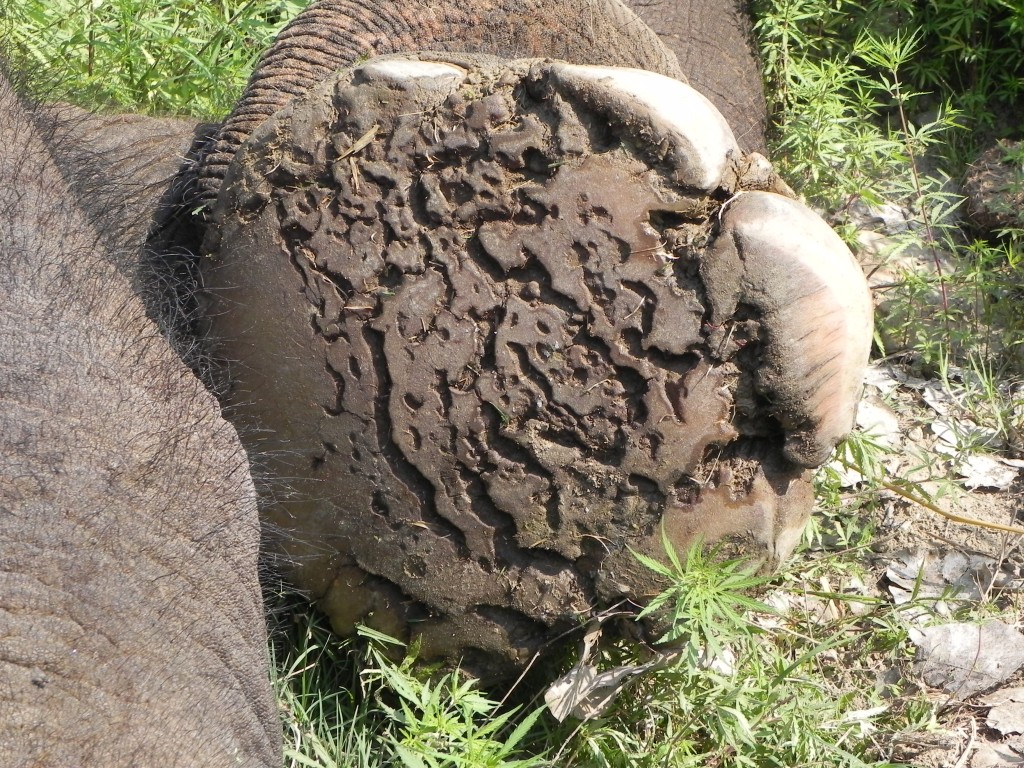
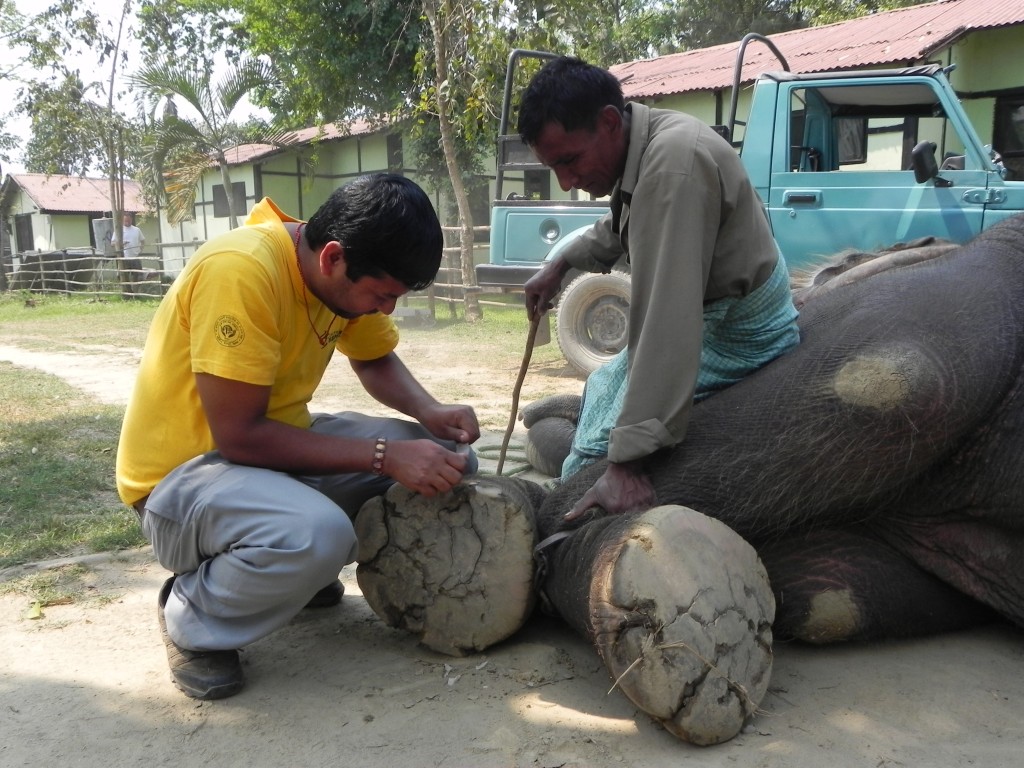
    Recently I had the opportunity to provide emergency foot care for an elephant in Nepal. I am currently in the US and Chanchal Kali, the elephant with the split nail, lives in Nepal. The injury was not the biggest challenge, our opposite locations was.

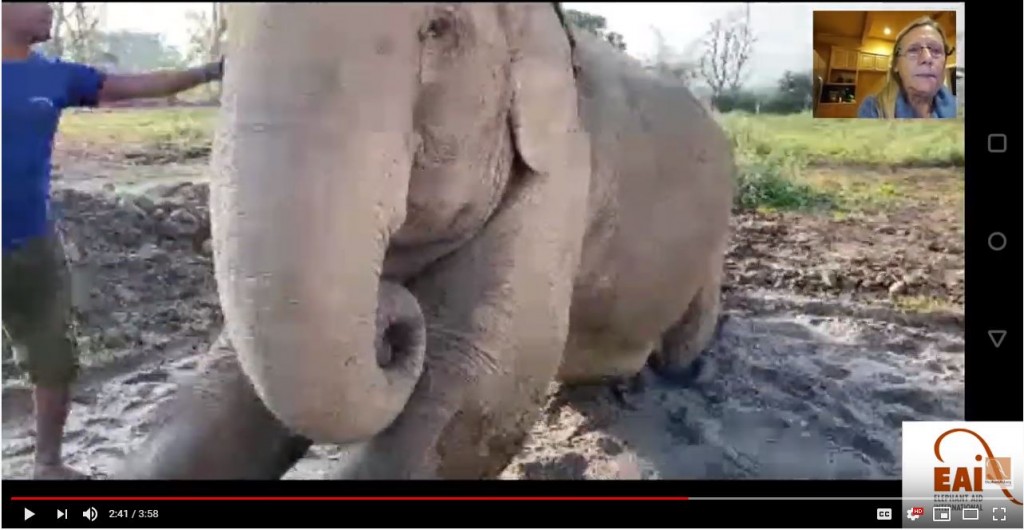
    Since I have interns in Nepal, I believed that I could assemble a team. But addressing this particular injury was something my interns were not confident about, they needed guidance. So I decided to test technology. Hopefully conducting the nail trimming procedure remotely, using a live feed, would work? We had to try. So, Donna of Direct Aid Nepal organized the mahouts and Chanchal Kali. Lena of Association Moey made sure her staff, both interns of mine, were available to help. And just by chance, Annette, one of my advanced interns, just happened to be in Nepal at the time. Our team was assembled and ready to give it a try.

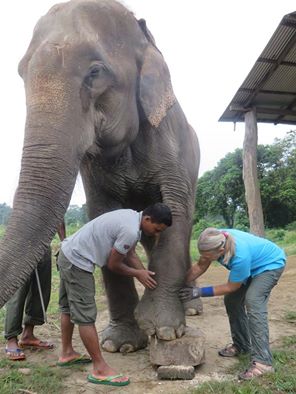
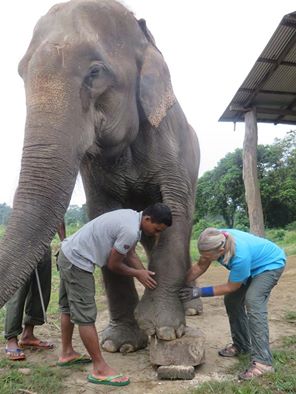
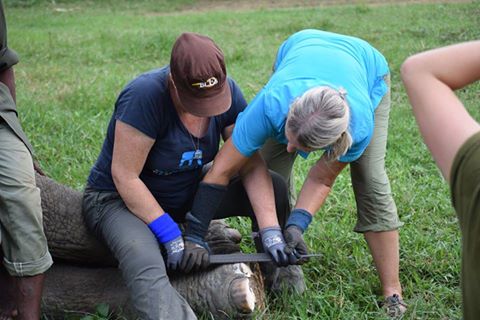
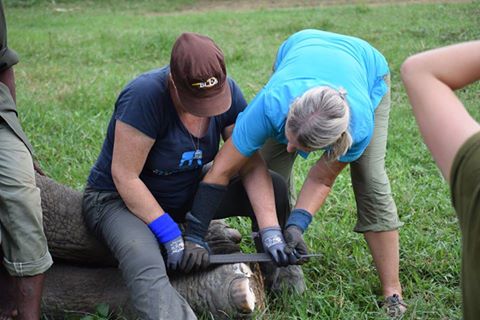
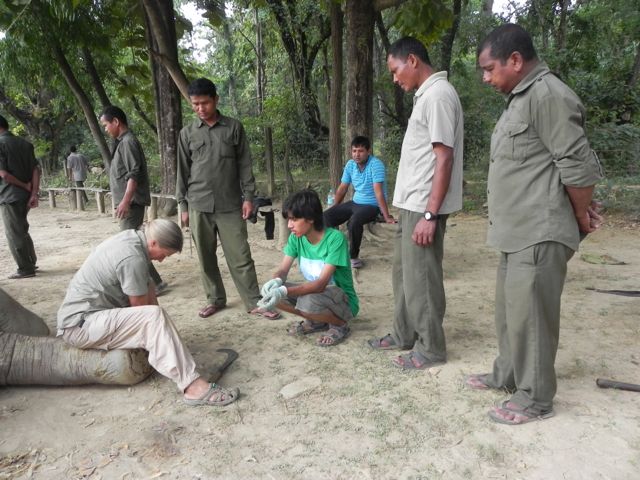
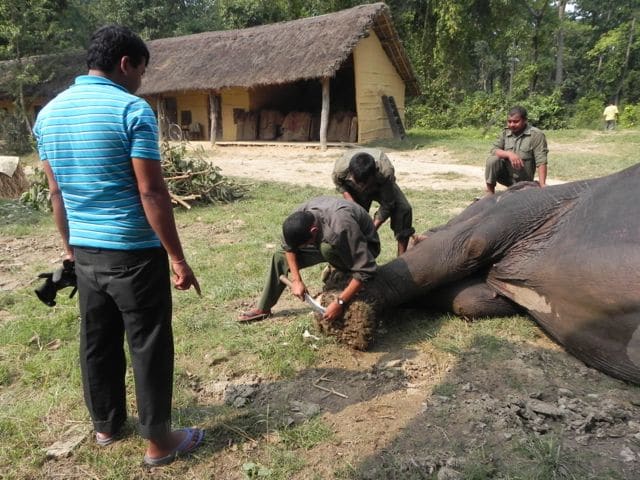
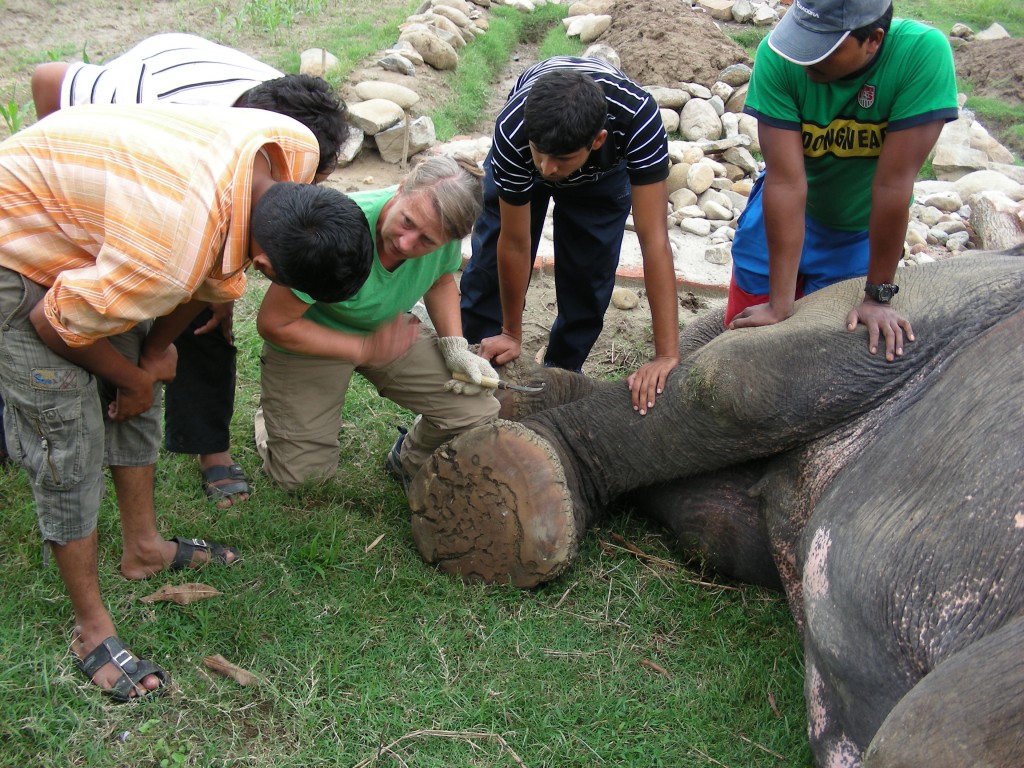
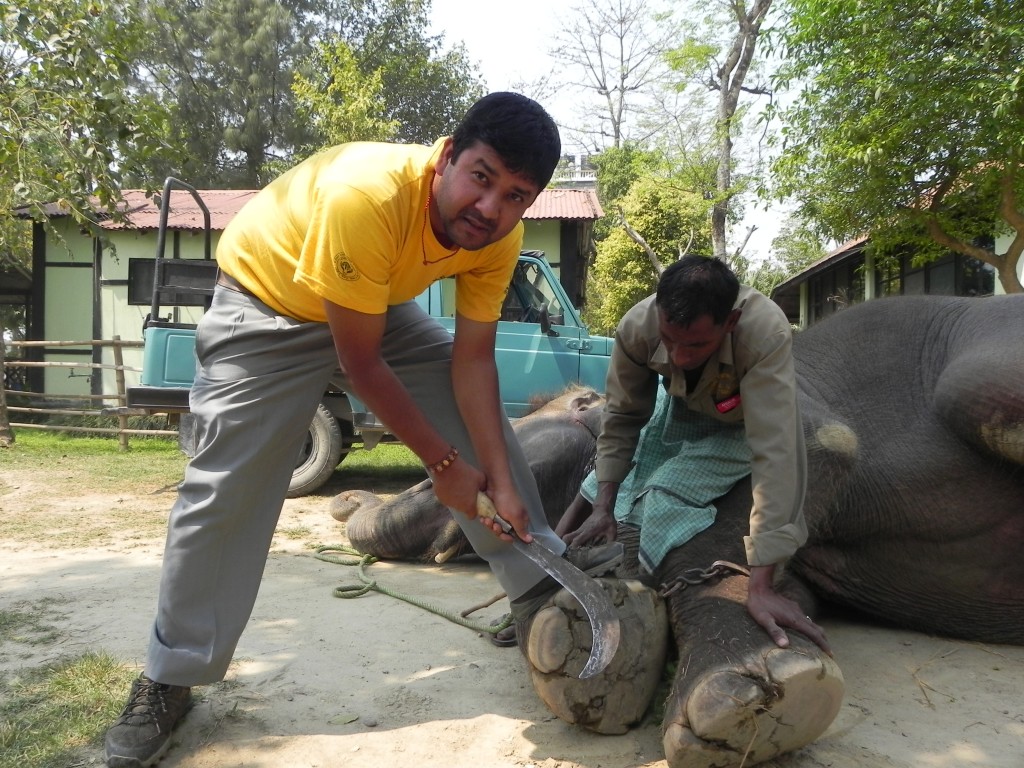
    At 8am Nepali time, 9pm EST we connected via Whatsapp. As we expected the wifi was weak, the connection dropped several times. But even with the intermittent disconnects, I was able to view the toe and provide step by step instruction. Sanjay and Annette trimmed, Sweta translated and managed the live feed, Donna provided treats, and Chanchal Kali and her mahouts were incredibly cooperative and calm. The crack was deep and causing her pain. Thanks to a successful procedure the pressure is off the crack and the mahouts will monitor as she heals.

    Thank goodness for this technology which enabled us to provide quality care for an elephant in need, halfway around the world. Go Team!

    Carol Buckley

  • EAI to Offer 2nd Annual Foot Care Workshop in Nepal

    EAI to Offer 2nd Annual Foot Care Workshop in Nepal


    EAI will offer our 2nd annual Foot Care Workshop in Nepal in October. Watch for the announcement!


    Elephant Aid International aims to educate mahouts about foot care to improve both their status in society and the welfare of captive-held elephants in their care! View the video here.


    We are currently fundraising for the elephant fence for ERNA. This specially designed fence will cost $14 per foot, $140,000 will complete the first of three phases. The sooner we build the fence, the sooner the elephants will arrive. Please consider contributing — even the smallest donations help greatly. Select Elephant Refuge North America on the Donate page.


    Read the latest ERNA news, donation needs, employment opportunities, and more in April’s EAI newsletter. Want first-access in the future? Sign up: elephantaidinternational.org/e-news


    Java supervises the volunteers during volunteer days! Do you want to volunteer to help build ERNA? We could use the support! There are many upcoming volunteer dates throughout the spring and summer. Become a volunteer today!

  • The Importance of Proper Foot Care

    The Importance of Proper Foot Care


    Can you find the Anole(s) who welcomed us to the Elephant Refuge North America property in GA? They love the sun and change colours and form depending on their environment and emotional state.


    Imagine all of the elephants who will roam the ERNA land — finally able to retire, relax, and thrive.


    Carol trimming feet on ramp @ ENP
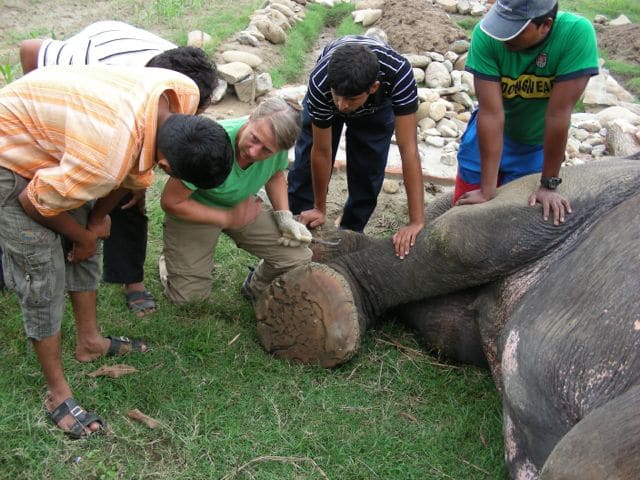
    Fatal foot diseases in elephants are caused by inactivity, poor husbandry practices and too much time spent standing and walking on unnaturally hard surfaces. Sadly, these diseases have become an epidemic among elephants living in captive environments. EAI promotes proper foot care education for mahouts. Learn more here.


    It is beautiful to witness the joy of captive-held elephants released from chains. This is why we are working hard to develop Elephant Refuge North America for retired elephants to thrive. Visit our Facebook page for more photos.

  • TripAdvisor no longer makes money off animal suffering

    TripAdvisor no longer makes money off animal suffering

    11tripadvisor-animals-master768Making steady progress for animal welfare: TripAdvisor to Stop Selling Tickets to Many Animal Attractions.

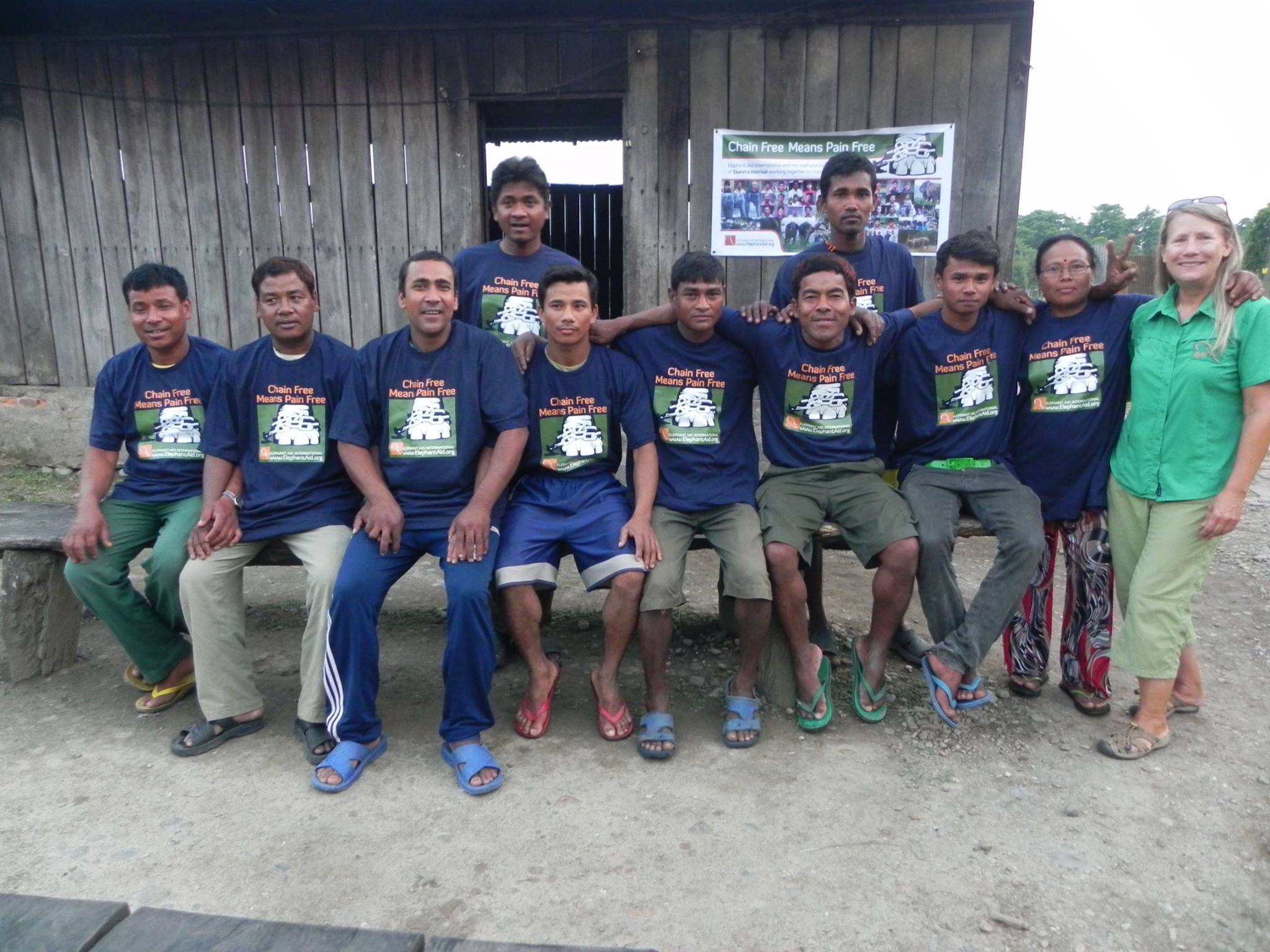
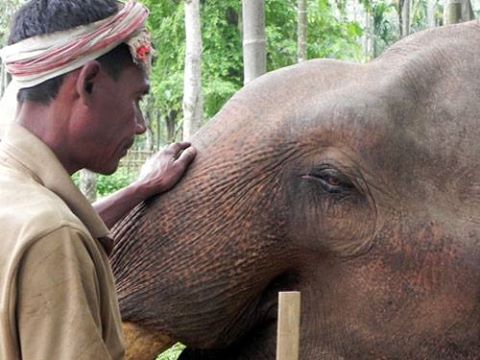
    14615856_1286567708040254_7526071632518963441_oThe progress in Nepal is driven by the mahouts’ willingness to learn how to provide better care for captive elephants.

    14566427_1286789894684702_1653308219345432894_oFoot disease is epidemic among elephants living in captive environments. Captivity-induced foot diseases among these long-lived beings can lead to physical collapse and death. Proper elephant foot care is vital for elephant health.

    14650303_1287513497945675_8147598989740765811_nIf we want a future of compassion toward elephants, we must teach our children to care for all creatures.

    14707902_1288403497856675_4883728828528651954_o28 DAYS UNTIL CLOSING! Only four weeks remain until the finalization of the ERNA land sale, and the elephants still need your help. Even the smallest contribution allows you to personally support the elephants in need of an environment to thrive. Donate today!

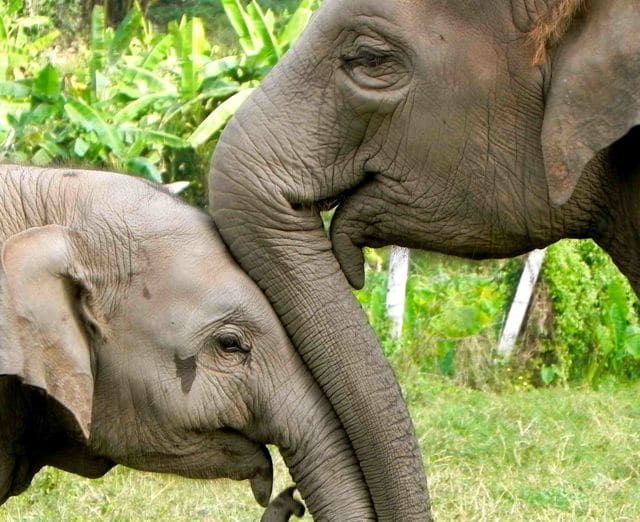
    14724476_1289593234404368_7665143081699443228_nAnother incredible picture of a sweet elephant from Nepal.

  • The first workshop was a complete success!

    The first workshop was a complete success!

    eai1

    The first workshop was a complete success, raising consciousness about the plight of captive-held elephants and training an enthusiastic group of elephant lovers in the art of foot trimming. The second workshop begins today.

    eai2
    A few days ago a surprise excursion took us to one of the remote hattisars (elephant stables) inside the Buffer Zone forest adjacent to Chitwan National Park. The group was treated to a sample of the remote chain-free corrals EAI built in 2014, one of 31 corrals built for government-owned anti-poaching patrol elephants in Chitwan National Park. Shankar Prasad is a large male who lives chain free without incident in the solar powered corral even though he could easy dismantle the fencing with his ivory which does not conduct electricity.
    eai3
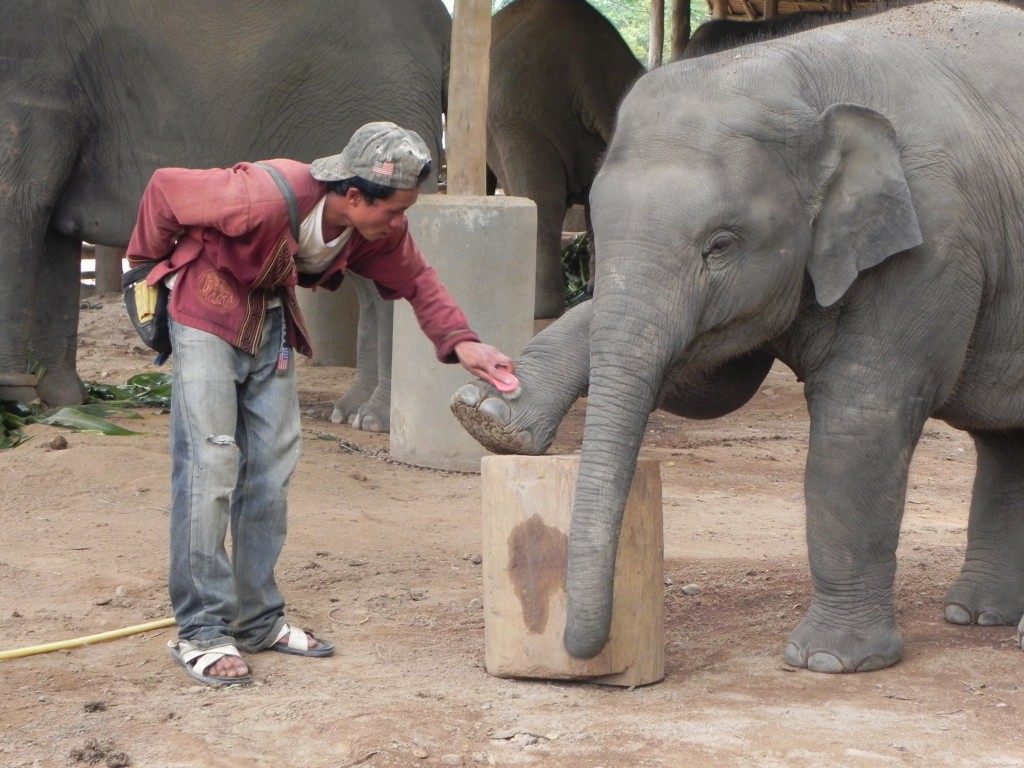
    The mahouts in all of the locations we work have exceeded our expectations. They are interested, engaged and are excited to show the progress they have made with their elephants. Sundar Mala’s new mahout shows off his skill teaching her how to put her foot up on a stump for foot trimming.
    eai5
    During his musth season a male elephant covers tens of miles daily searching out receptive females and socializing with his offspring in many different herds.
    eai6
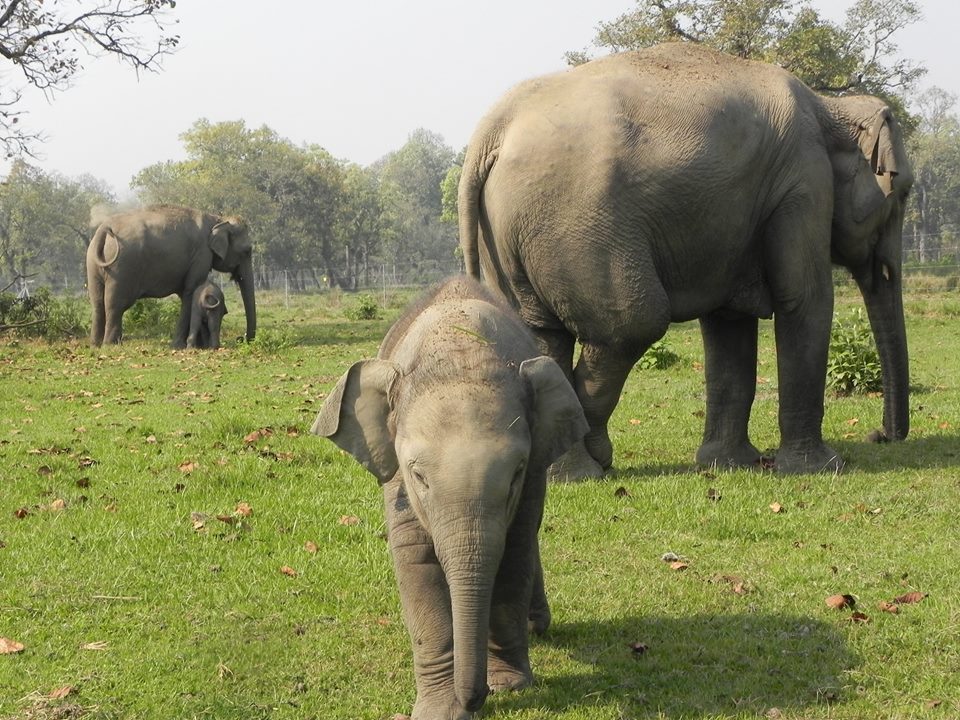
    Did You Know? Baby female elephants remain with their mother their entire life. The male calves are driven from the herd around age ten.
    eai7
    David Clark, a filmmaker with National Geographic, is currently at Tiger Tops Elephant Camp in Nepal documenting Carol’s work.
  • Tiger Tops Elephant Camp is proving to be an amazing experience for all

    Tiger Tops Elephant Camp is proving to be an amazing experience for all

    3When teacher and student connect, the elephants benefit! EAI’s Elephant Foot Care Workshop at Tiger Tops Elephant Camp is proving to be an amazing experience for all

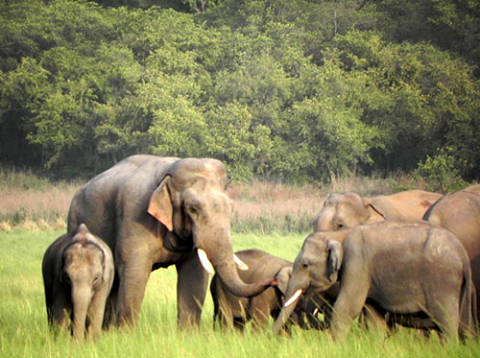
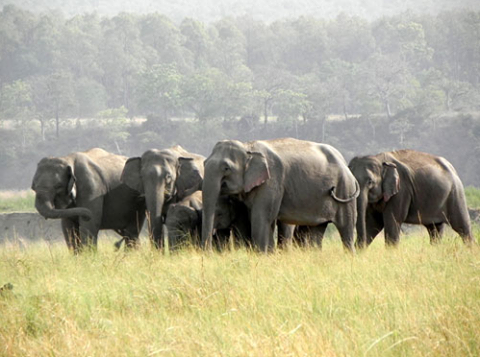
    Herds of wild elephants grazing peacefully in the vast grasslands of India.

    57 DAYS UNTIL CLOSING! The ERNA land and the surrounding climate are tailor-made for elephants, ensuring that each elephant who calls ERNA home will thrive.

    Researchers have found that elephants are highly intelligent and capable of many human-like emotions, such as happiness, sorrow and even empathy.

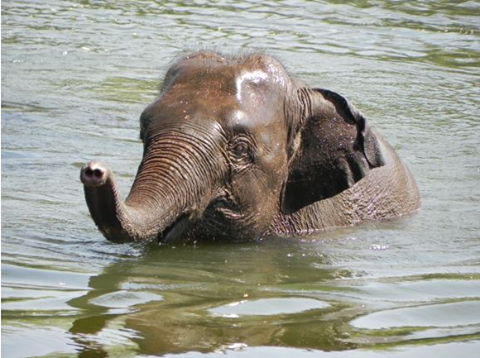
    Beautiful Jon taking a refreshing dip in the water.

    “The pure joy an elephant exhibits when given a resemblance of freedom is what drives me to do more.” – Carol Buckley


  • Foot Trimming in Bardia, Nepal

    Foot Trimming in Bardia, Nepal

    I’m back from Bardia. What an adventure!

    It was a 10-hour drive through mountains on rough roads. The 19-year-old driver of our rental truck scared the daylights out of all of us with his speeding, passing trucks on blind curves and nearly missing oncoming vehicles. Oh man — it was a stressful ten hours!

    Carol et al in BardiaBut our foot trimming program was a grand success. We had a fabulous trimming team: Dr. Gairhe; Kiran the vet tech; Hira, Kirti Kali’s phanet (head mahout) from the NTNC hattisar; and I.

    Our students included Chantelle, our intern; Surajan, a new friend and translator; and the vet tech from Bardia.

    foot trimming BardiaIn two short days we trimmed the feet of 24 government and privately owned elephants.

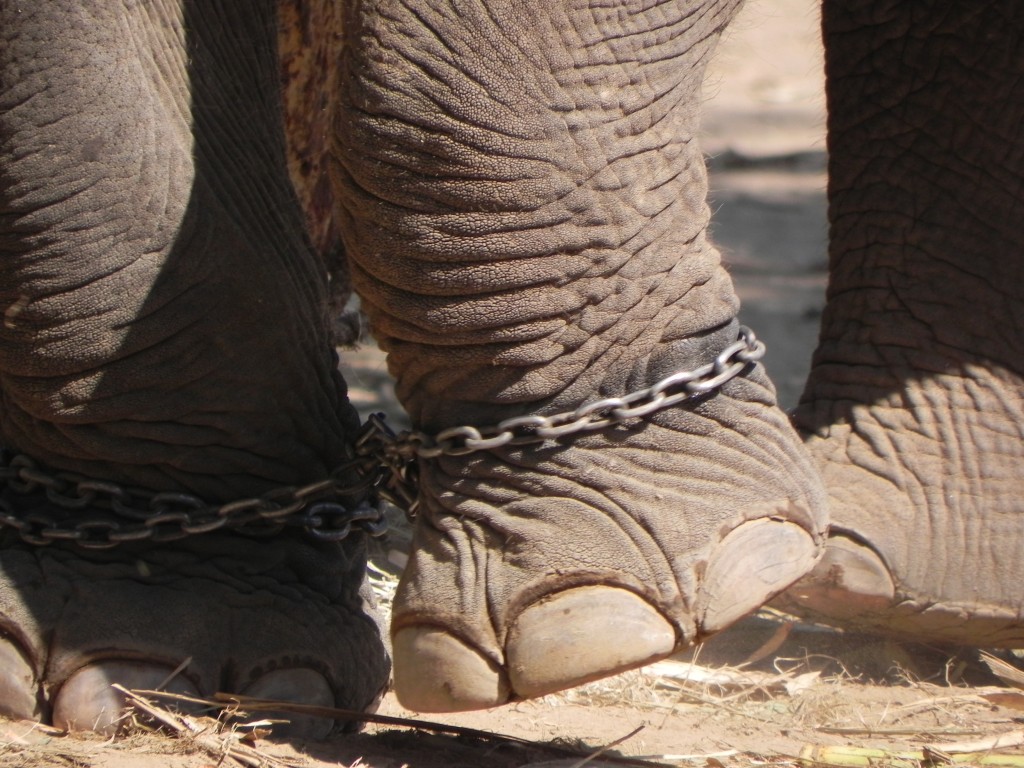
    Honestly, the condition of the privately owned elephant’s feet was criminal, similar to the privately owned elephants in Chitwan. Their pads were dry, cracked and severely overgrown. The nails were equally as dry and overgrown and many had splits and deep cracks.

    broken shelter
    Private owner, broken shelter

    I am always shocked to see how poorly the privately owned elephants are kept, especially since they are the breadwinners for their owners.

    The good news is that 24 more elephants received pedicures and their mahouts were introduced to foot care. With time things can change for these over-used, abused and neglected elephants…I hope.

    A huge thank-you goes out to the trimming team. Without their enthusiasm and hard work we could not have accomplished our goal to provide foot care for elephants in Bardia!

    You can make a difference in the life of a captive elephant by supporting our Foot Care project. Thanks for your help.


  • Asia calls

    Asia calls

    The annual monsoon season is nearly over. Asia is calling me back, once again.

    These weeks home have flown by, filled with taking care of business and preparing for my return to Asia. This coming trip will be my fourth in two-and-a-half years.

    Looking back over my work in Asia has given me a clearer perspective. Each visit built upon the one before, resulting in a firm foundation for elephant welfare programs.

    At first I had no idea what I could accomplish, so I just went and investigated. The search led to discoveries, which resulted in an avalanche of ideas.

    Filtering through all the possibilities, I decided to hone in on areas where I felt most confident. Providing services in a foreign country is challenging enough.

    Doing what I know best has proven to be a wise decision. This is where the mantra “One world, one elephant at a time” got its foothold.

    The idea of trying to save an entire world of suffering elephants is overwhelming, but helping one needy elephant at a time feels doable. The idea actually calms me. I know that we can help one and then another and then another after that.

    The Sanctuary: one elephant at a time

    With Tarra as my inspiration, this is exactly how  the Sanctuary began. My initial goal was to create a safe and healthy place for her to live out  her life, away from zoo and circus.

    With Tarra safely in her sanctuary home, our focus turned to rescuing six solitary female Asian elephants living in zoos and circuses. And we did it—one elephant at a time.

    First came Barbara,

    an ex-circus elephant living alone in a Florida backyard.

    Then came Jenny,

    living alone in a dilapidated dog and cat shelter outside Las Vegas.

    After Jenny was Shirley,

    rescued from a solitary life at the Louisiana Purchase Garden and Zoo

    then Bunny, darling of the Mesker Park Zoo

    Sissy, from the El Paso Zoo

    who had lived alone for two decades at the Frank Buck Zoo

    and Tina, born at the Portland, Oregon zoo

    living alone at the Vancouver Wild Animal Park.

    All were elephants who had lived alone for decades. Each was rescued because we believed that we could help, one elephant at a time.

    Starting again

    Now I feel we have come full circle, back to the starting point. A huge challenge lies ahead of us with so many elephants in need. But instead of being overwhelmed, experience has taught me that focusing on one needy elephant at a time is doable. I know that we can help one and then another and then another after that.

    As always, I will let Tarra inspire and guide me.

    With that vision of possibility firmly planted in my mind, I understand how we now find ourselves—a short two-and-a-half years later after I first went to Asia—experiencing such fabulous results.

    Focusing our efforts on our strengths has been incredibly well received by our colleagues in Asia. Working together has been the key. Together we are improving elephant welfare with foot care, mahout training, chain-free yards and our continuing efforts to develop elephant care centers and retirement homes.

    The ideas for these projects were planted like so many tiny seeds and now they are growing like weeds. I need to get back to Asia and continue where we left off.

    I am thrilled to announce that in my absence, requests have come for expansion of our programs. Yes, they want more chain-free yards, more pedicures, more mahout training and retirement centers for aging elephants. I am so excited about how our elephant welfare programs have caught on! The future is indeed bright.

    Preparing For Pedicures

    On my last visit to Nepal, 84 elephants received pedicures. The goal for my next visit is 100 elephants–400 feet! With that goal in mind I need to restock our foot trimming tools! Using disposable trimming blades ensures trimming accuracy and the highest level of hygiene; one package of two blades services one elephant. The easy-to-grip handles are perfect for precision but they wear out after a dozen or so elephants. The heavy duty farrier rasps are perfect for the job and the mahouts like this tool, but the rasp becomes dull after a short time.

    I hope you will join in the excitement and help us purchase trimming blades, handles and nail filing rasps. I have posted a chipin to meet our goal of foot trimming supplies for 100 elephants. If you prefer to purchase the pedicure tools separately, please visit the EAI wish list.

    To paraphrase a popular saying, helping one elephant won’t change the world. But helping one elephant will change the world for that elephant. This next trip to Asia promises to be incredibly beneficial for many more elephants, thanks to your continued support.

    A HUGE THANK YOU to all who donated to the Foot Trimming Tools ChipIn. We reached our goal, in record time, all thanks to you!

  • Welcoming Dr. Arjun Pandit to Our Team

    Welcoming Dr. Arjun Pandit to Our Team

    Earlier this month, Elephant Aid International, in collaboration with the National Trust for Nature Conservation, engaged Dr. Arjun Pandit to oversee its elephant welfare projects in Nepal.

    Dr. Arjun Pandit

    While interviewing Dr. Pandit I was pleased to learn of his interest in elephants. We’re very fortunate to secure the services of such a highly motivated individual. He will make a great addition to our team, expanding our ability to develop and monitor elephant welfare programs in Nepal.

    Dr. Pandit will have full-time oversight of the many projects developed by EAI/NTNC over the next few years. When I am in Nepal, he will assist with foot care and facility and welfare projects, as well as monitoring the health and welfare of the NTNC elephants. In my absence, he will oversee all of our projects, ensuring that they stay on track.

    Dr. Kamal Giarde, the senior government veterinarian has graciously agreed to allow Dr. Pandit to participate in field work to increase his experience and expertise. Dr. Giarde has dedicated his life to elephant welfare and recognizes the importance of mentoring to build sustainable elephant welfare programs. Dr. Pandit and the elephants he will care for over the next many decades will benefit from Dr. Giarde’s guidance.

    I am honored to work with such a dedicated team of like-minded conservationists at NTNC. We share a commitment to the welfare of Nepal’s elephants.

    We are currently raising funds necessary to provide a salary and purchase equipment and supplies for Dr. Pandit for the next year.

  • Forest Dwellers

    Forest Dwellers

    Today’s foot trimming adventure was over the top, a marathon day with Dr. Gairhe—the senior government veterinarian—leading the way.

    Kiran and Chitran, the two vet tech/3rd year foot trimming students, and I fit perfectly in the back seat of the full-size pickup truck…or so I thought when we all piled in. If it had not been for the road conditions, the ride would have been…well, let’s say, less memorable. I’m not complaining — far from it — and I enjoyed every minute of our 14-hour adventure.

    One thing that struck me this time in Nepal is realizing my unconscious expectation of comforts that I take for granted in the US. Sitting between two large men, bouncing down a seriously bumpy road and being slammed side-to-side like bumper cars, I realized that I accepted this assignment with an unreasonable expectation of transportation comfort. The reality of the situation made me laugh.

    The Nepalese don’t fret over physical discomfort, they simply accept it. So when I started joking about the guys staying on their own side of the seat, it soon became a humorous game. When Kiran would absent mindedly crowd my space, I drew an imaginary line between us and said, “You have crossed the line,” and like two adolescents we’d crack up with laughter. Soon everyone got into the game of not invading each other’s space, so when Kiran flopped his entire arm over Chitran’s leg, he was abruptly chastised—jokingly. Everyone broke out into hysterical laughter. It was refreshingly silly to experience such discomfort and be able to laugh about it together.

    Humor aside, I realized that if I continued to be thrown back and forth between the football player-size shoulders on either side of me, I was going to be very sore, if not crippled by the end of the day, so I pulled rank (age, actually) and claimed the window seat. This was much better for me as I could press myself against the door and hang onto the armrest for security.

    Four outposts, seven elephants and a canoe like a swimming pool

    Our mission for the day was to visit four government outposts to trim the feet of seven elephants. Our first stop was Gadini outpost, a place we visited last year. After driving for nearly two hours we arrived on the bank of a beautiful river. The flimsy wooden canoe that would carry us to our destination was on the opposite side of the river. The boat man soon appeared and to my amusement proceeded to bail out the canoe—it had taken on quite a bit of water—before heading in our direction.

    In order to board in peaceful waters we hiked a short distance upstream. The day was already steamy hot. Tiny frogs scattered as we approached the water’s edge, disappearing into the calm shallows.

    Our canoe was waiting when we arrived and we gingerly climbed aboard. A real man, or woman for that matter, sits on the floor of the boat. But customs are changed for foreigners. The government guard post on our side of the river provided tiny wooden seats for our canoeing comfort—and to keep our backsides dry. I kind of wondered where the life jackets were, since the canoe was already taking on water through cracks in the flimsy wooden planks strapped together with giant metal staples. To add to the drama, Dr. G asked “Can you swim?” I can’t remember not knowing how to swim, and wondered the level of fear one would experience crossing this fast-moving river in a boat that resembled a swimming pool, not knowing how to swim.

    With a smooth push off from a ten-foot bamboo pole, the boat master expertly guided us into the swiftly moving current. The water picked up volume and speed and within minutes we were deposited on the opposite bank without incident. We disembarked and hiked the short distance into the forest to the outpost. The forest was lush and green and teaming with active, boisterous bird life.

    Gadini outpost: Healthy feet and relaxed elephants

    Namastes were exchanged and then it was right to work. Kiran requested that the crew pa (machete) be sharpened, which is effectively done on a large rock with sand. No power sharpening tools here: they use the available resources and manage just fine.

    Elephants Sano Chanchal Kali and Rampyari were tethered under separate shelters bordered by the forest. The stables were clean and the girls looked on calmly.

    With a simply utterance of bite (lie down), Sano Chanchal Kali slowly folded to the ground without resistance or concern. We were all so pleased to see that her pads were healthy and evenly worn and her nails were only slightly overgrown.

    As I took “before” photos, put on my girly gloves and prepared my exacto blades, which are also kind of girly, the guys were already trimming excess nail with precision that is hard to imagine when using a machete. I am in awe of how well the men handle this tool, but they grow up using it, starting with cutting grass to feed livestock and later as a knife to cut anything.
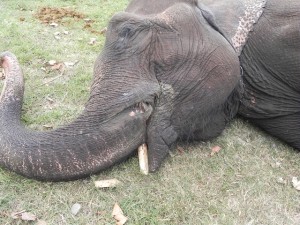
    Sano Chanchal Kali took this special time of hati la na pita (don’t hit the elephant) to drop off into a fairly sound sleep for most of her trimming. She shifted to her other side without resistance and allowed us to give her one of the most beautiful pedicures to date!

    Almost in an identical fashion to her sister, Rampyri folded to the ground following a simple verbal command. The mahouts have gotten the word: if you want this crew to trim feet, no hitting allowed. Refreshing for us and for the elephant. Rampyri’s feet were another pleasant surprise, pads evenly worn and supple, nails only slightly overgrown and no sign of decay or infection. The crew commented on “what easy feet” these were.

    Our work in this camp was completed in record time thanks to the healthy condition of the elephants’ feet and the relationship they share with their mahouts.

    Honestly, I can’t remember if we had our home cooked meal at this outpost or the next — those details seem to blur together — but I do remember that to get to the second outpost we got back into the canoe and floated downstream for some time. A black egret fished on the shoreline ahead and a white breasted Kingfisher swooped past us in pursuit of a meal. Without any initial sign of elephant or mahout life, we landed again on the riverbank and hiked a short distance to the second camp.

    These camps are inside the national forest, which, in this location, is an island. Dr. G told us that wild bulls do not cross the river encircling this island. No one knows why, but as result of this phenomenon, captive bulls can be kept on the island without fear of being attacked by wild bulls.

    Kurauli post: More healthy feet and easy pedicures

    As with Gideni, the elephants at Kurauli post were aware of our arrival. Dhirendra Kali and Gandaki Kali, were waiting—mahouts casually mounted on top—surveying the approaching team.

    Before having hardly a chance to settle in, I heard “bit” followed by “raw,” which meant our first client had reclined and was awaiting her pedicure. We now operate quite smoothly as a crew. While I unpacked trimming tools, gloves and camera, the others examined the client’s feet and prepared for trimming by sharpening the machetes.

    We all commented on how great Dhirendra Kali’s feet looked. I liked the pattern I was seeing. The more remote the outpost, the better condition the elephants and their feet were in, the more skilled the mahouts were and the less pressure the elephants experienced when requests were made for their compliance. But of course, they were living in their element with the river nearby, sheltered under giant trees, on natural substrate and plenty of exercise combing the forest for poachers.
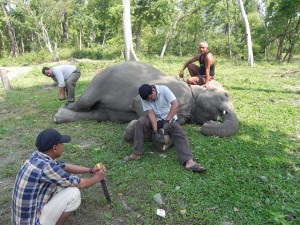
    With such healthy feet, there was little work for the crew. Shave off overgrown nails a little, check for decayed areas and she was done. Another easy pedicure!

    When Dhirendra Kali left the trimming area she let out a “Queenie-squeak.” It transported me back in time to the Sanctuary overlook at the Q-barn with Minnie, Lottie and Queenie playing in the mud, Queenie making her distinctive squeaks nonstop. Dhirendra Kali’s gentle sound brought back a very a pleasant memory for me. I accepted it as the gift it was.

    But this was not time for daydreaming because Gandaki Kali was already in place and waiting for her pedicure. I was pleased to see that her nails and pads were also healthy and only slightly overgrown.

    It is so encouraging to see that these elephants are getting sufficient exercise, on appropriate substrate, which is why their feet are so healthy.

    To be continued….
  • Kasara Camp

    Kasara Camp

    Today I traveled many kilometers through Chitwan National Park to reach my foot trimming clients. To get there, I hiked to the river’s edge, boarded a small sailing vessel, crossed a river and drove through a magnificent forest, crossing over creeks on what I would call barely-bridges (as opposed to sturdy concrete ones). It was a wonderful adventure!
    When I reached the river, the tourists were packed like sardines in their low-rider boats with a boatman steering them lazily down river. Dr. Geare, the head Government veterinarian at Chitwan National Park, Chitra, a vet tech who works with Dr. Geare, and I were ushered onto our private dugout canoe with removable seats (little wooden stools that fold up against the side of the canoe when not in use), which silently glided across the river to the sand bank on the opposite side.

    Our driver magically appeared. We climbed into a truck and I must say had a ride of my life. It was only after we picked up several young soldiers hoofing it back to camp that I was able to release my firm grip on the door frame, the only thing keeping me from bouncing out of my seat and hitting head on the roof. The weight of the men in the back gave the truck better traction and kept the back end from bouncing up and down like a trampoline. It was a great ride through a beautiful forest.

    Within minutes a wild boar had crossed the road, male peacocks could be seen and heard sounding their calls, a monkey clung to the side of a tree, a couple of deer flashed by and too many muggers (crocs) sunned themselves along the back of a small creek.

    Our destination was the Kasara forest camp where four government elephants live. What a shift from Sauraha. Don’t get me wrong — Sauraha is a nice place for the government elephants — but in Kasara the elephants are really living in the forest. If I could only get rid of the chains and hobbles and put up some hot wire fencing, I would really feel as if I was helping them. Okay, one thing at a time — first feet trimming and then more freedom!

    Kiran was not with us today, but Chitra also excels at foot trimming. Upon arrival, I found that instead of the three elephants I was expecting there were actually four. Three elephants were scheduled for foot trims which is why they made it on the list, or maybe it was because the fourth elephant actually is unnamed. She is Laxmi Kali’s year-old calf. When I asked her name, a slight hesitation was followed by, “Her name is Laxmi’s calf.”

    After spending several days trimming the feet of privately owned elephants, I must admit that today really highlighted the differences from those owned by the government. The government mahouts seem to have a much better relationship with their elephants. They do not yell incessantly nor strike their elephants absentmindedly, which is good because Chitra and Dr. Geare had already heard my request for no pit neu. Actually, my request has grown more sophisticated following an impromptu Nepalese lesson I had last night. I was told that no pit neu is nonsensical and that the proper way to get my point across in proper Nepalese is hati lie na pita, which translated means, “Do not hit the elephant.”

    The foot trimming went smoothly, with the mahouts seeing for the first time how to administer proper foot care. They were very interested and helpful, and each appeared proud when his elephant’s trimming was completed.

    Just as we were finishing up with Laxmi Kali, her calf decided that it was time for a drink and let out a boisterous “I’m thirsty!” yell. Mom immediately threw her hind leg in the air to get up, a fair warning to the mahouts that she really needed to respond to her calf. We all laughed, knowing how the babies call the shots. Laxmi jumped to her feet and baby got the drink she was so thirsting for.

  • Nepal Mobile Pedicure Parlor

    Nepal Mobile Pedicure Parlor

    Foot trimming with the privately owned elephants started yesterday. Once again Kiran, a veterinary technician working with NTNC and the government in Chitwan National Park, came through, setting up the foot trimming schedule and arranging for the elephants to be at the stable.

    Sona Kali laid down to expose feet in dire need of trimming. Her back pads were okay but the nails on all four feet were severely overgrown, decayed and split. The pads of her front feet had deep black tracks of bacteria.

    The first difficulty we experienced was the mahout’s failure to respond to Kiran’s direction. At first I thought he was ignoring Kiran and then it seemed he did not understand what Kiran was saying. Araw means stop and, even if you don’t speak Nepalese, a mahout would know that word because they use it with their elephants continually. But when Kiran said “araw,” the mahout kept cutting. Without hesitation, Kiran took the knife and continued the trimming himself. The mahout training was a bit slow at first but when he finally started following Kiran’s directions, it seemed that he could end up being a good foot trimmer.

    Kiran’s and my partnership is well established. He starts with the big cutting, shaving down the overgrown nails, and I follow up with digging out the rotten areas, taking off more of the overgrown nail and shaping everything into place. It is a pleasure to work with him, not only because he does a good job but because he takes pride in doing a good job. When I am deep in concentration focused on a problem area Kiran will say, “Carol, please,” which I have come to understand means “move out of the way with that sissy knife and let me cut away more of that excess nail.” I am happy to oblige him because I can save my energy for sculpting.
    I must admit that Sona Kali’s feet had me sweating — they were definitely the most overgrown so far. We were able to trim her nails into shape but the thick tracks of bacteria were so deep between the toes of her front feet, it will take several follow-up visits over the next many weeks to bring her feet back to health.

    With all that Kiran has done to make this Nepal Mobile Pedicure Parlor a success, I want to raise some funds to show appreciation. There are forty private owned elephant here in Sauraha so we have our work cut out for us, but the effort is worth it: the elephants will have healthier feet and the mahouts will acquire additional skills. The truth is that I could not have provided this service without Kiran’s assistance.