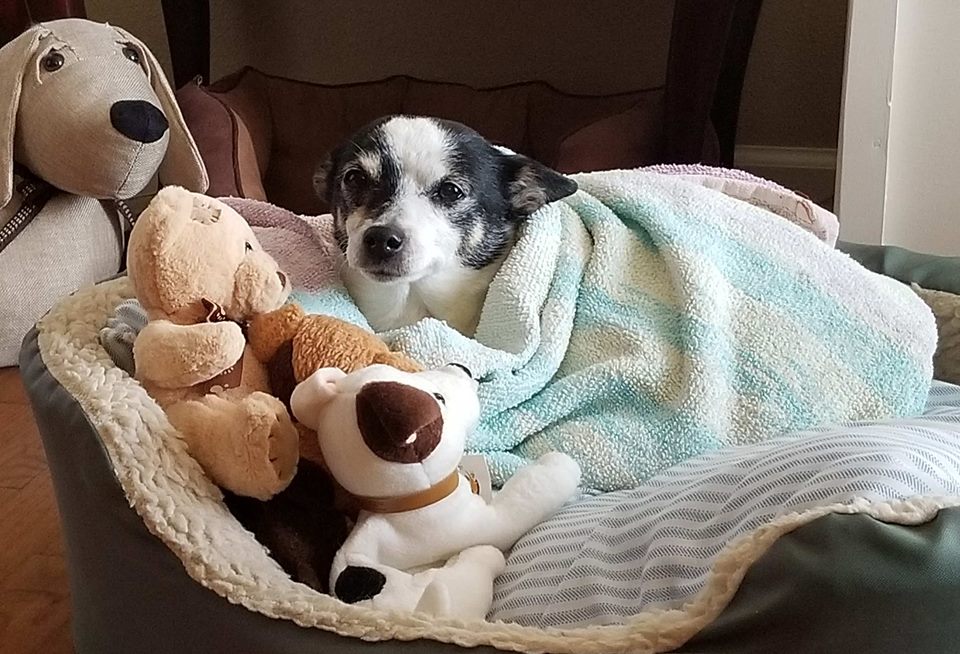
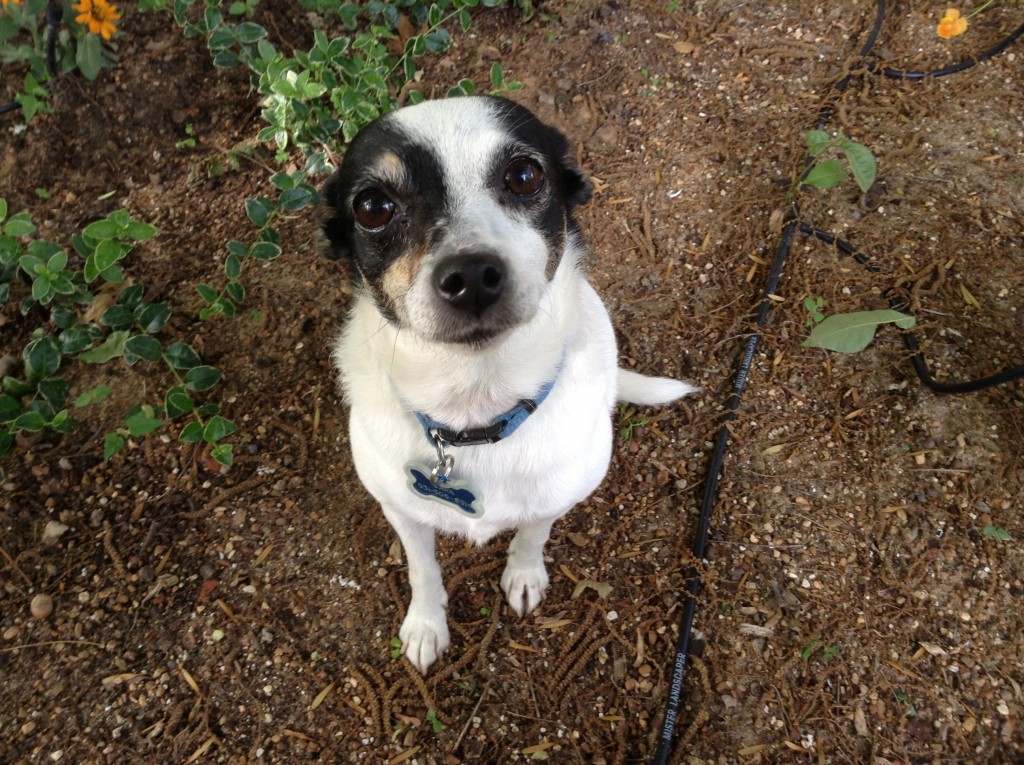
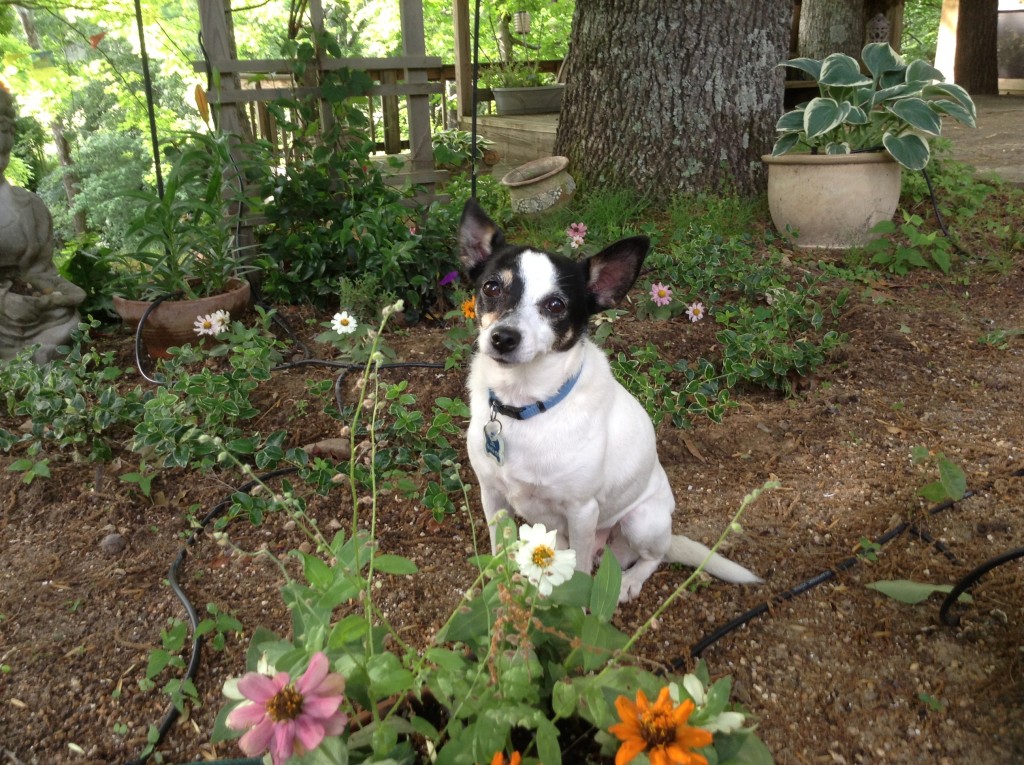
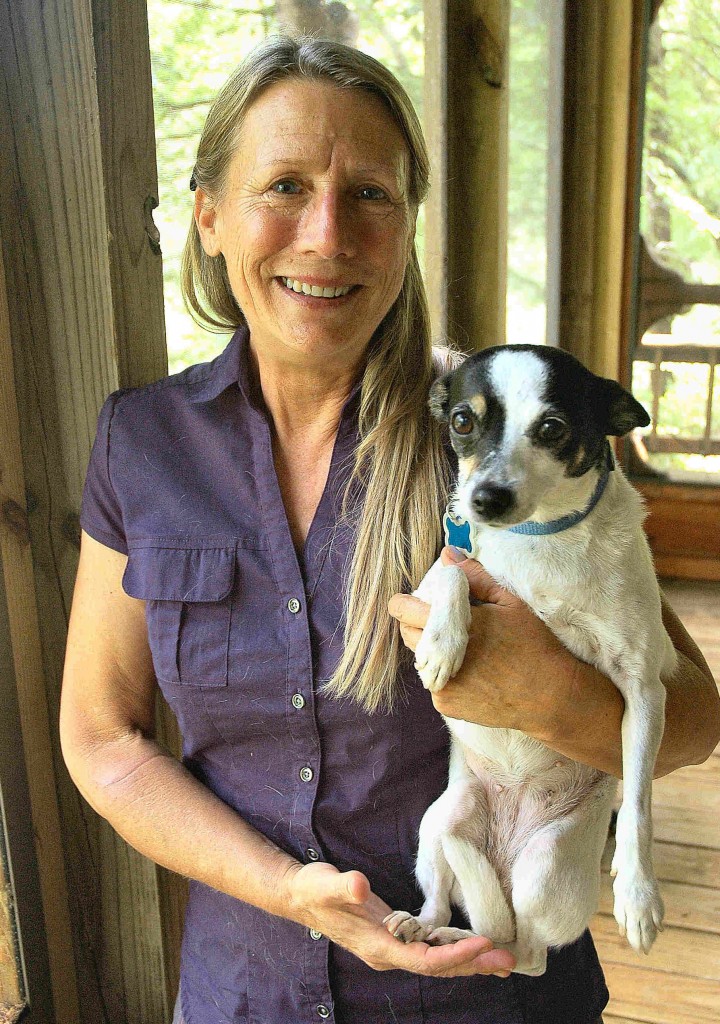
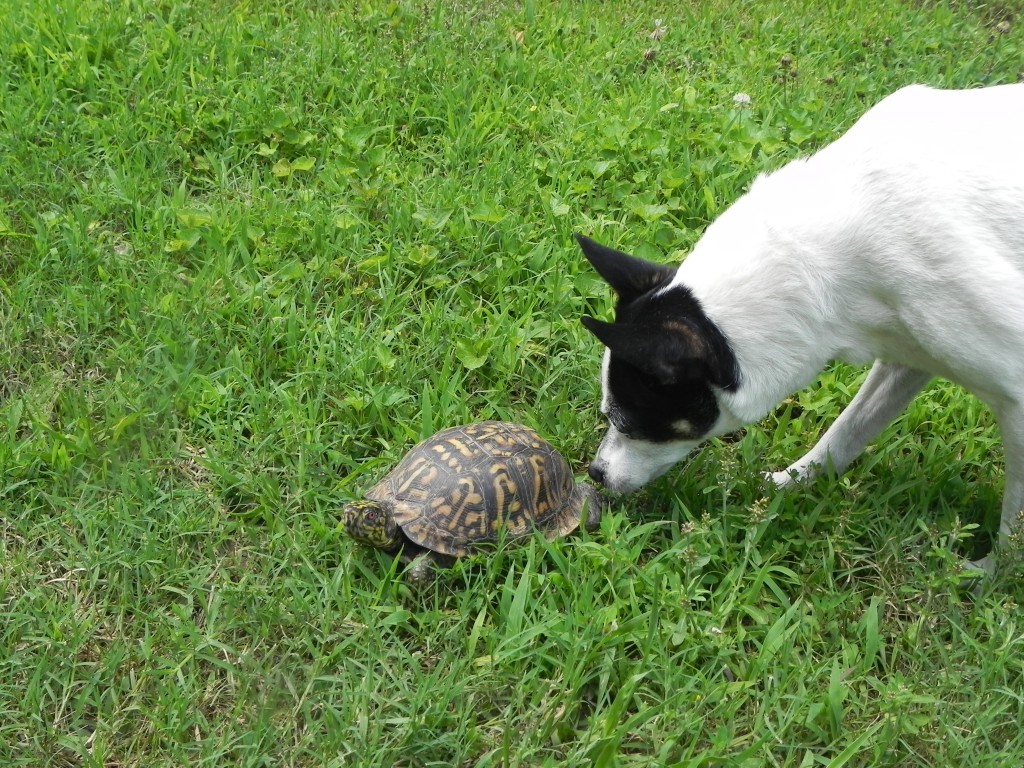
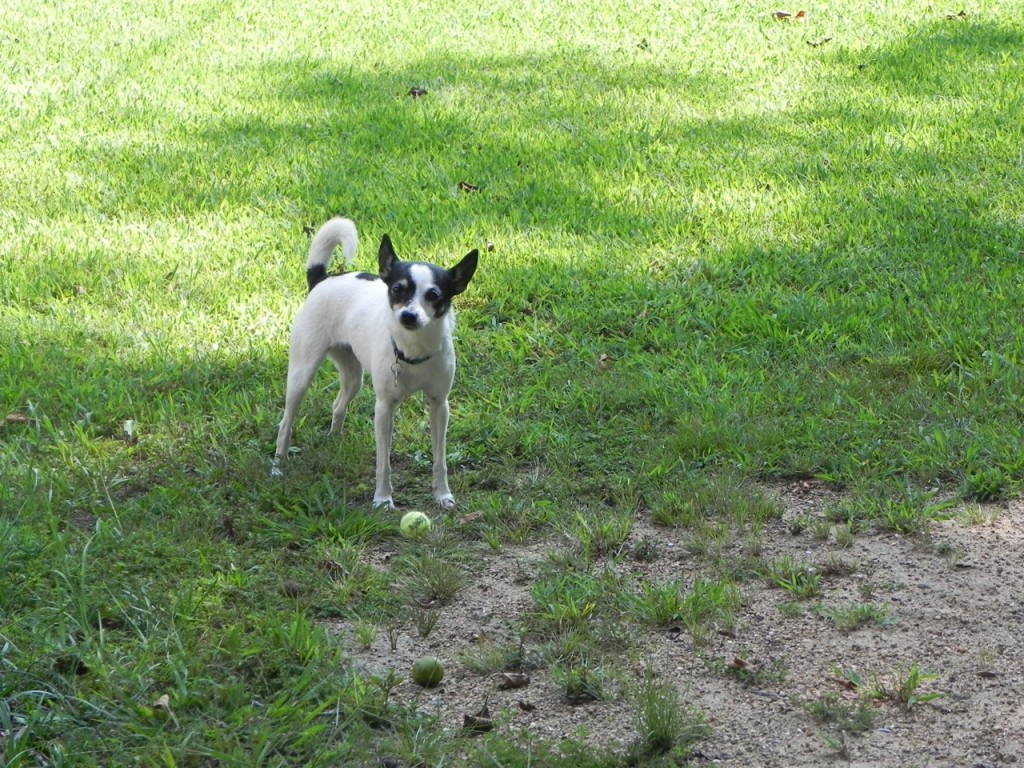
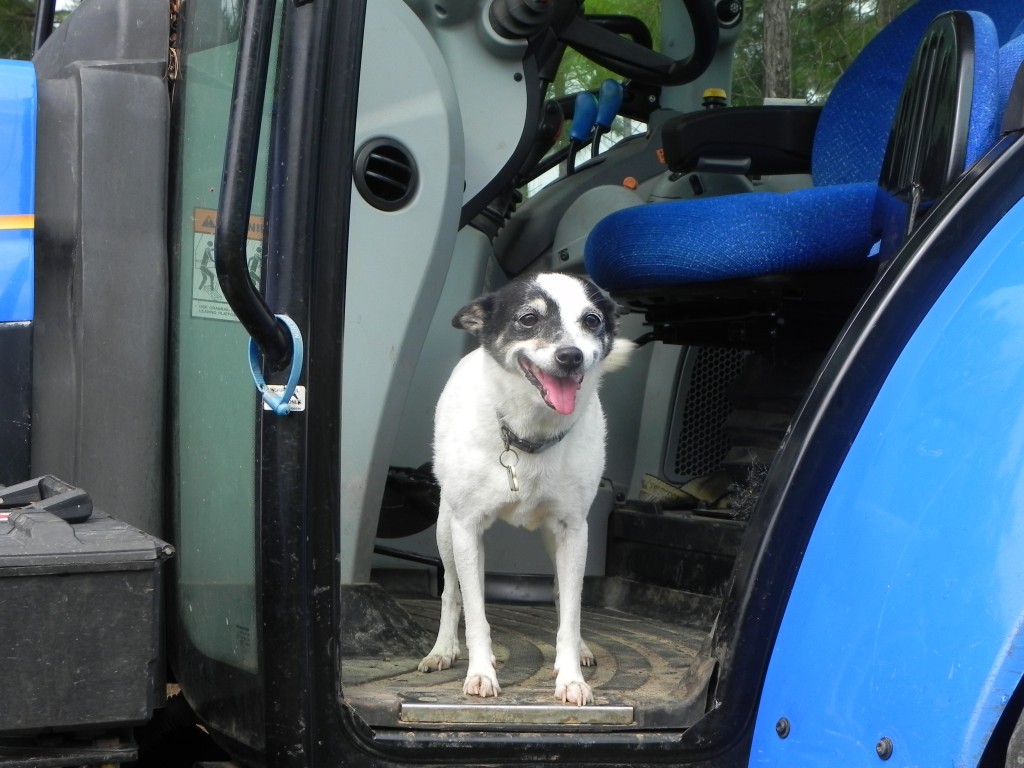
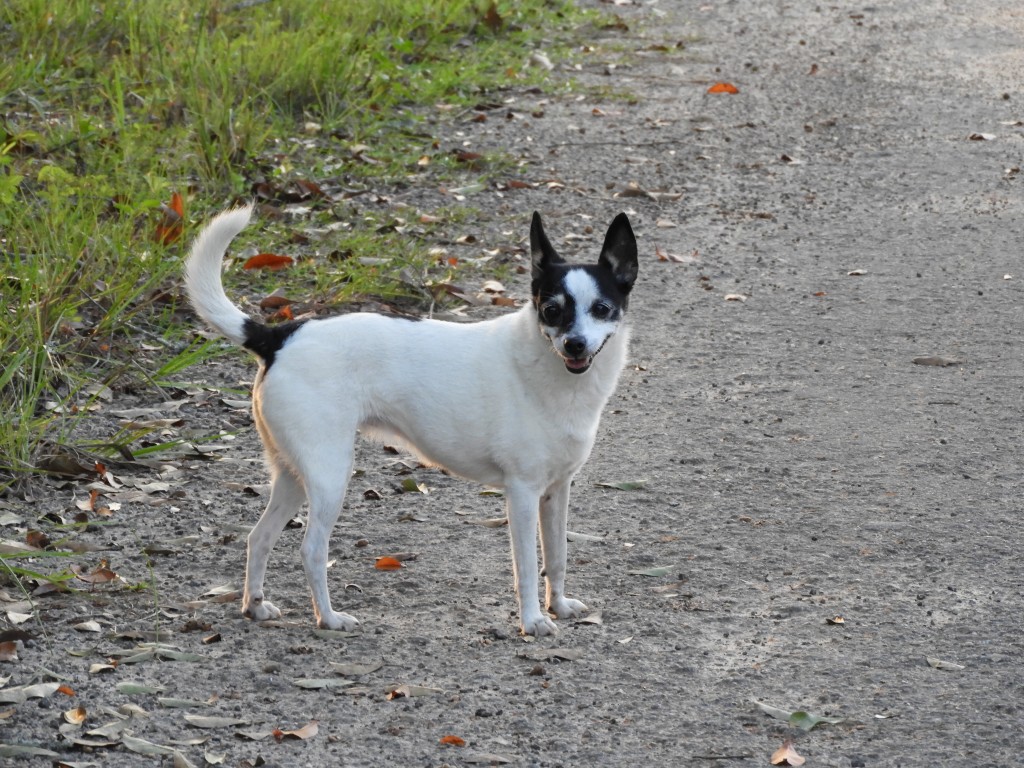
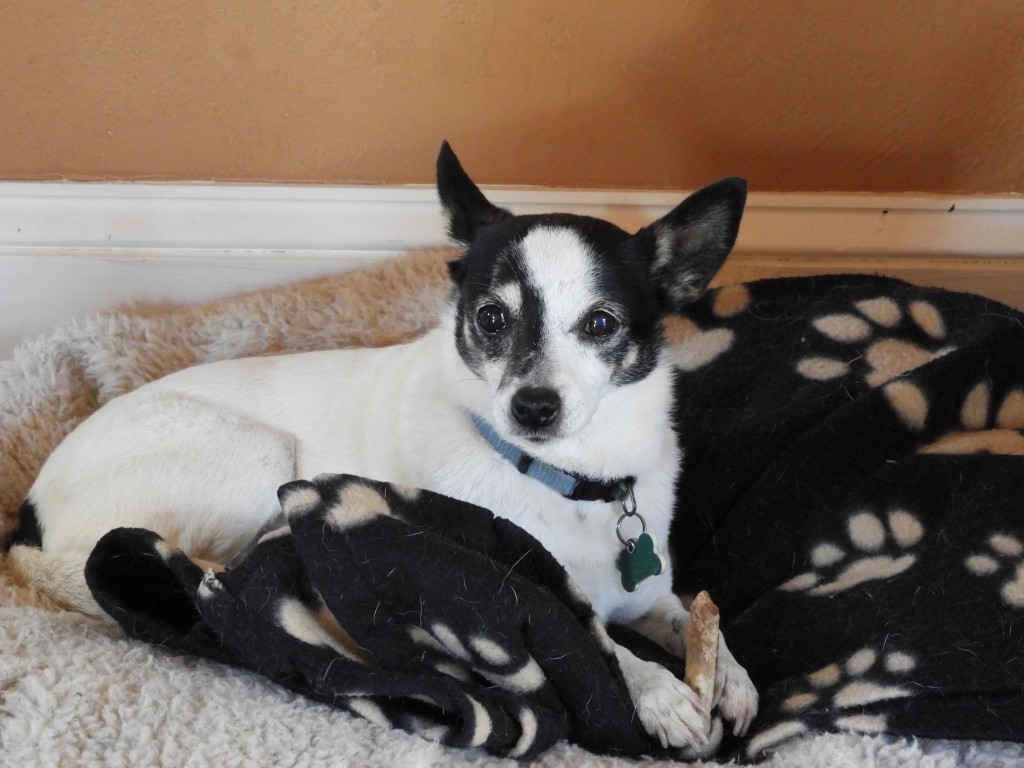
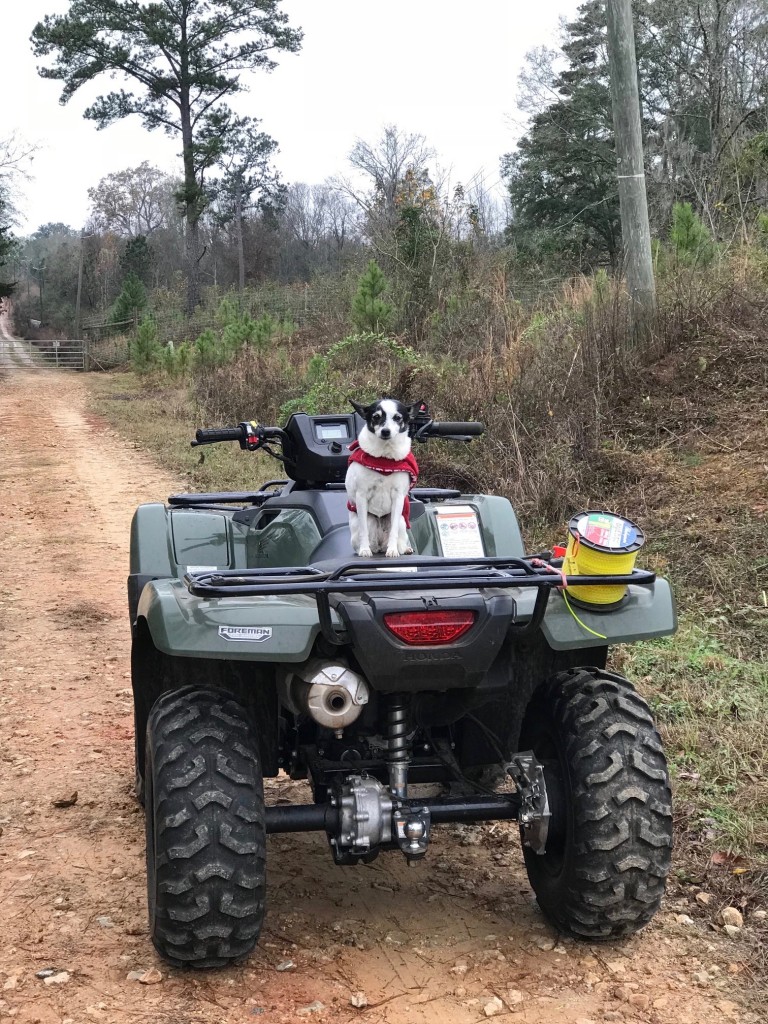
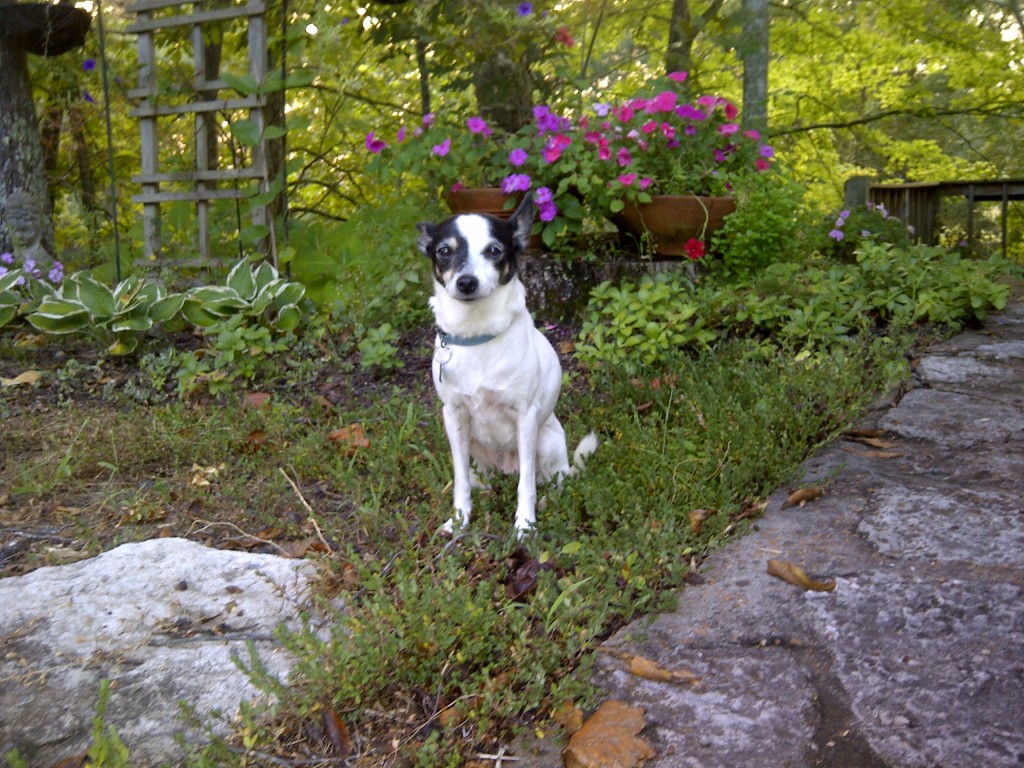
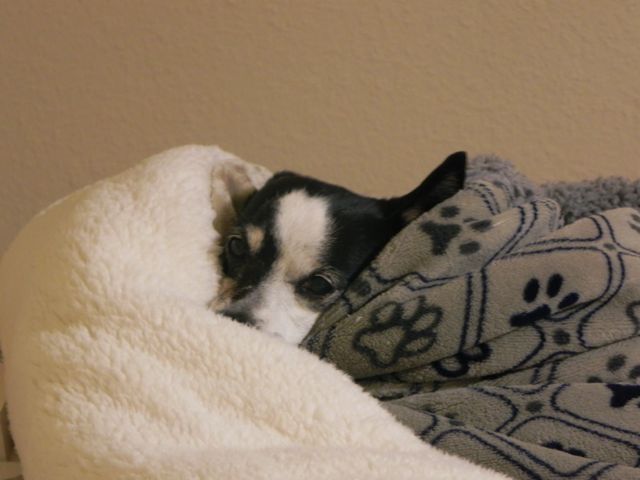
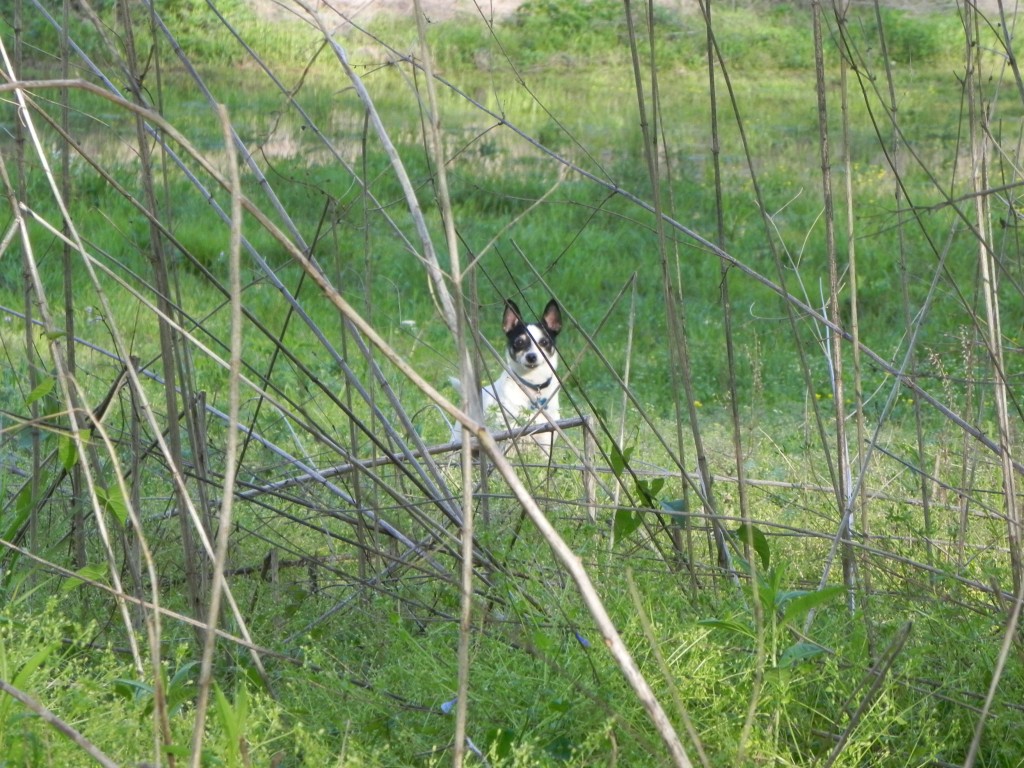
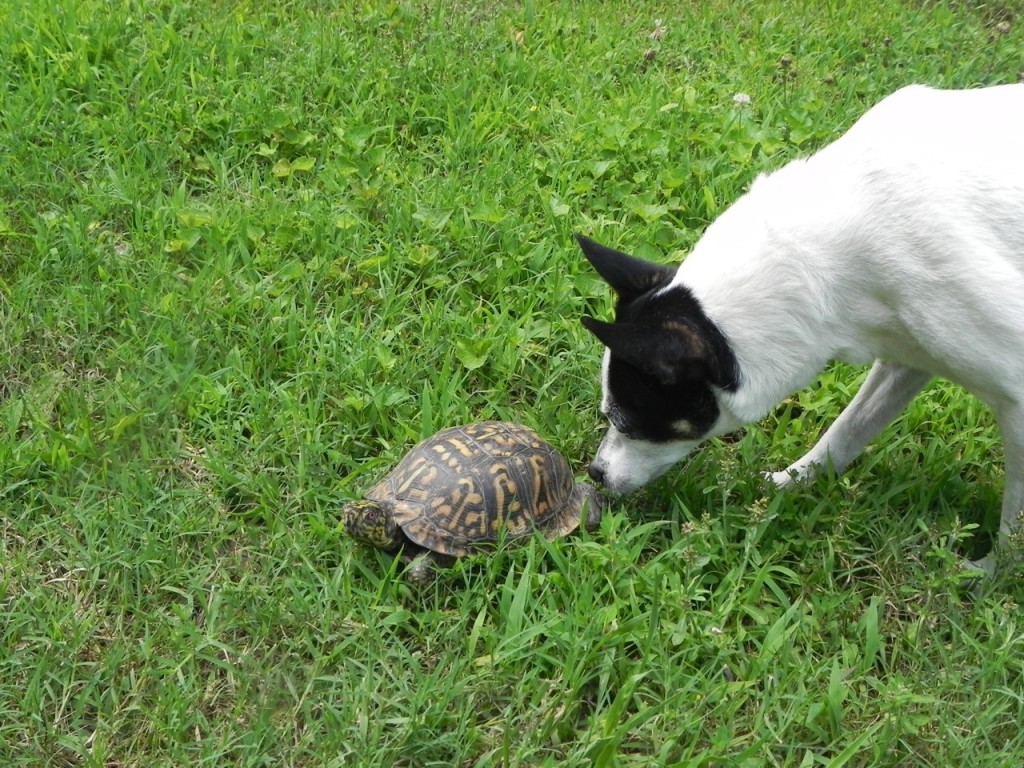
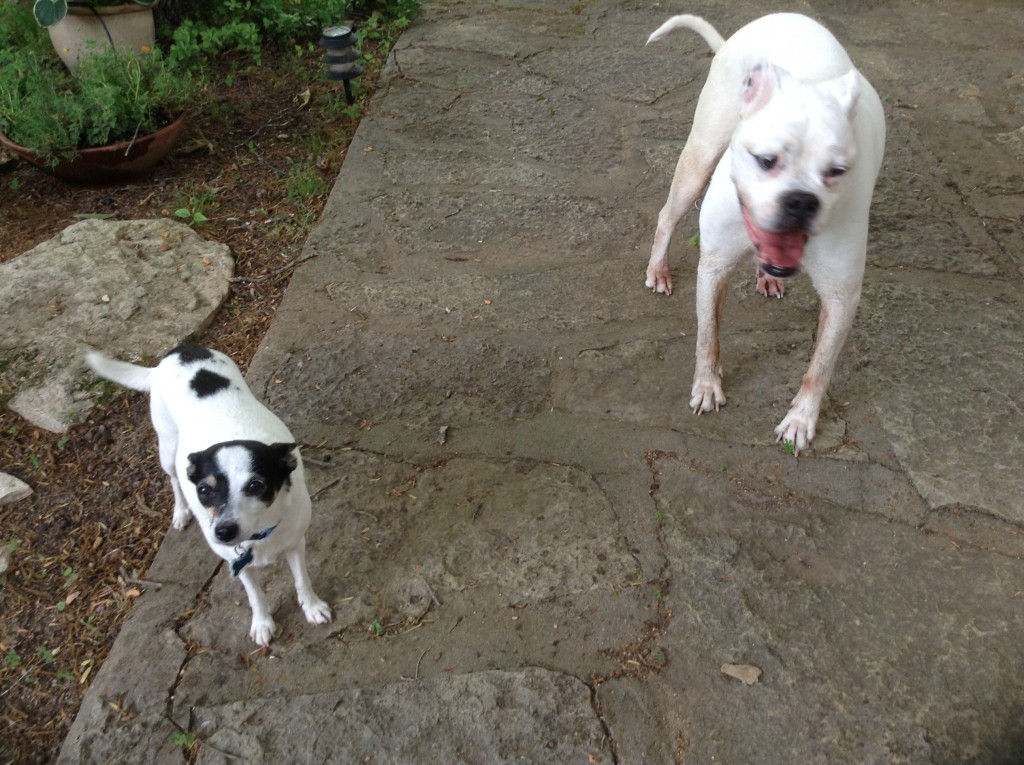
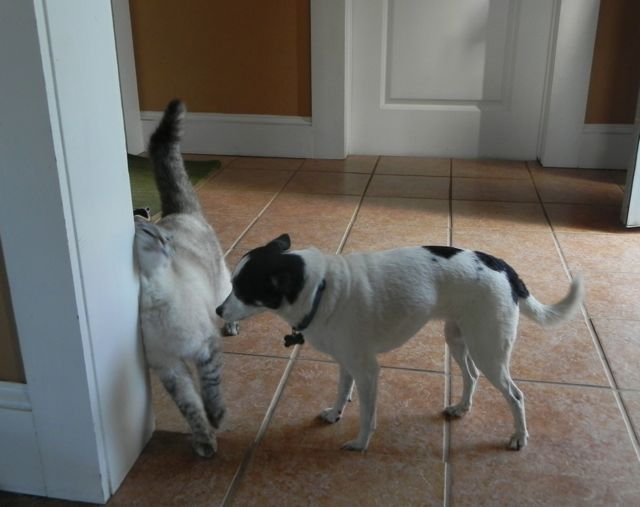
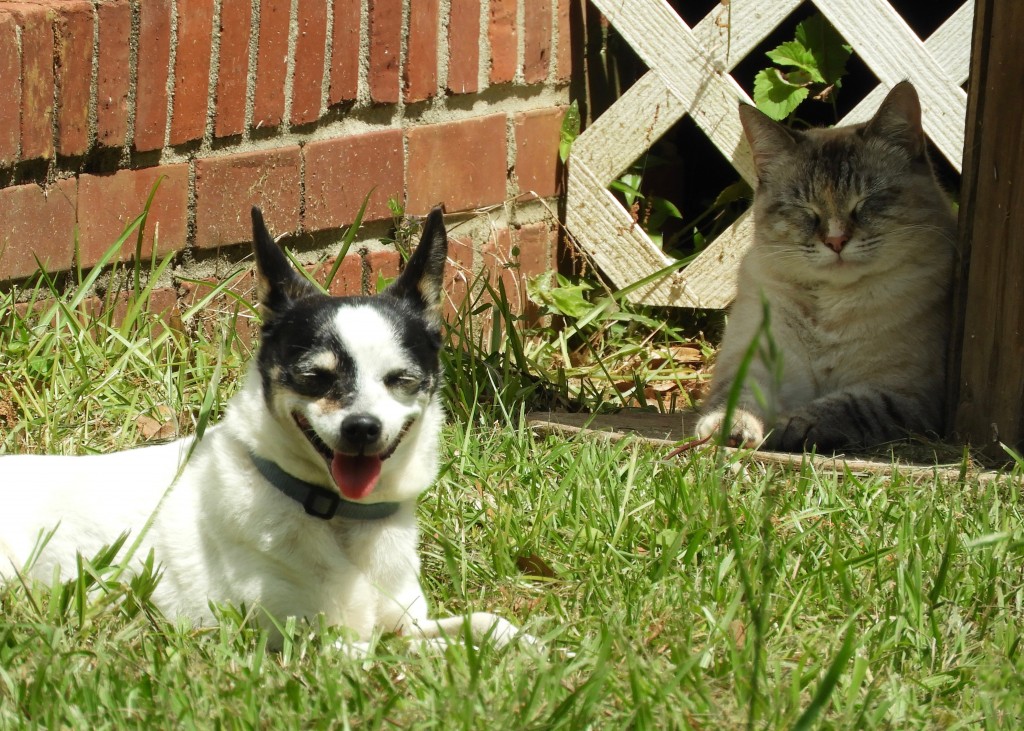
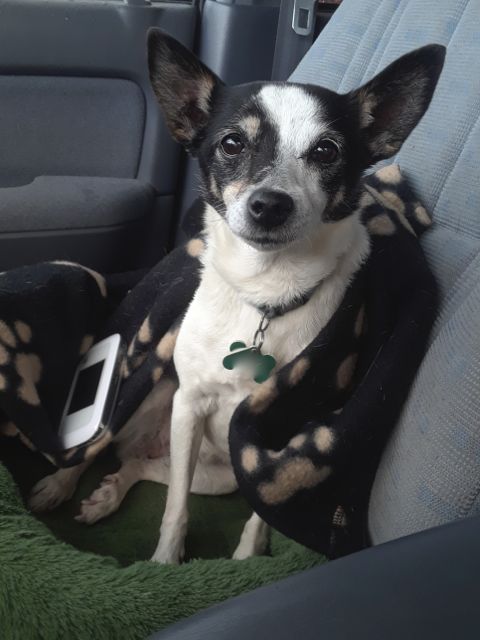
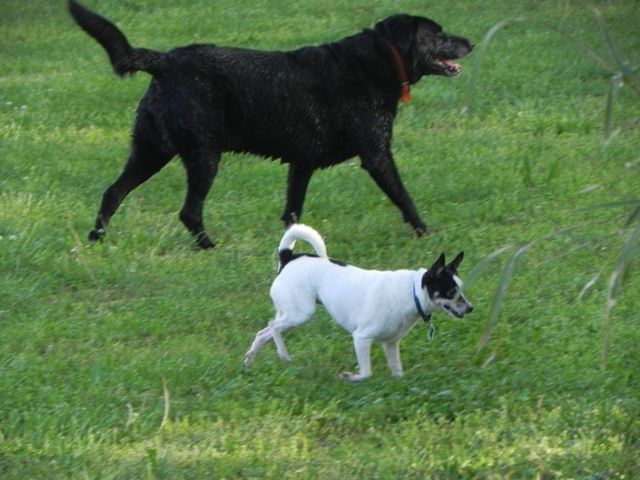
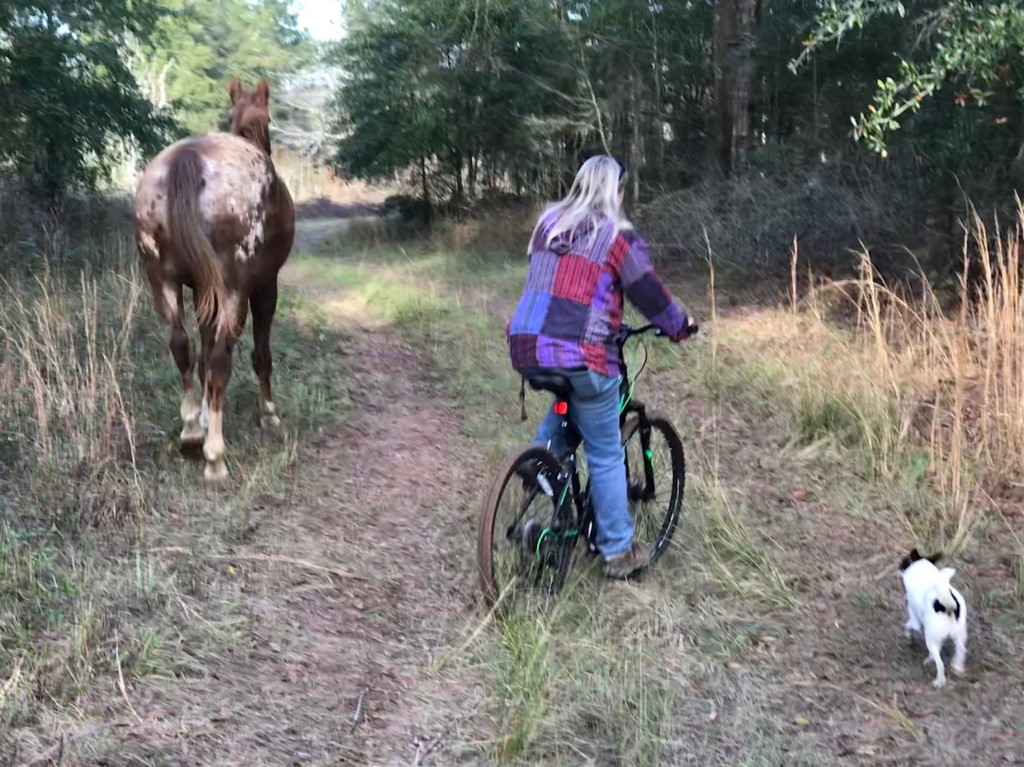
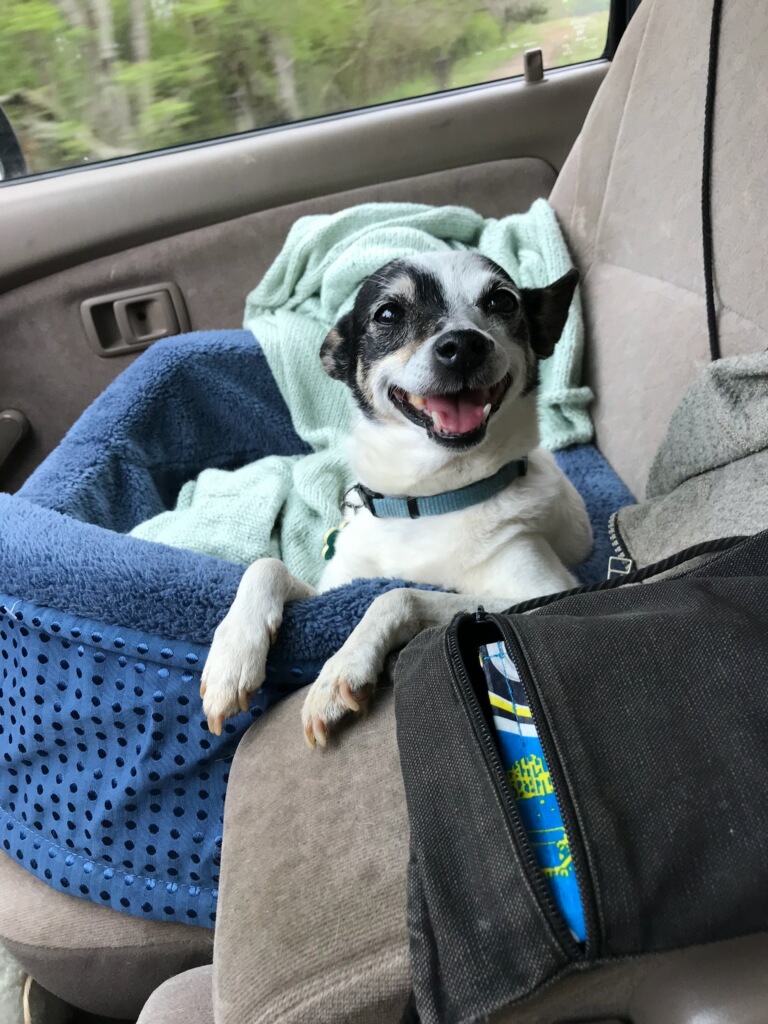
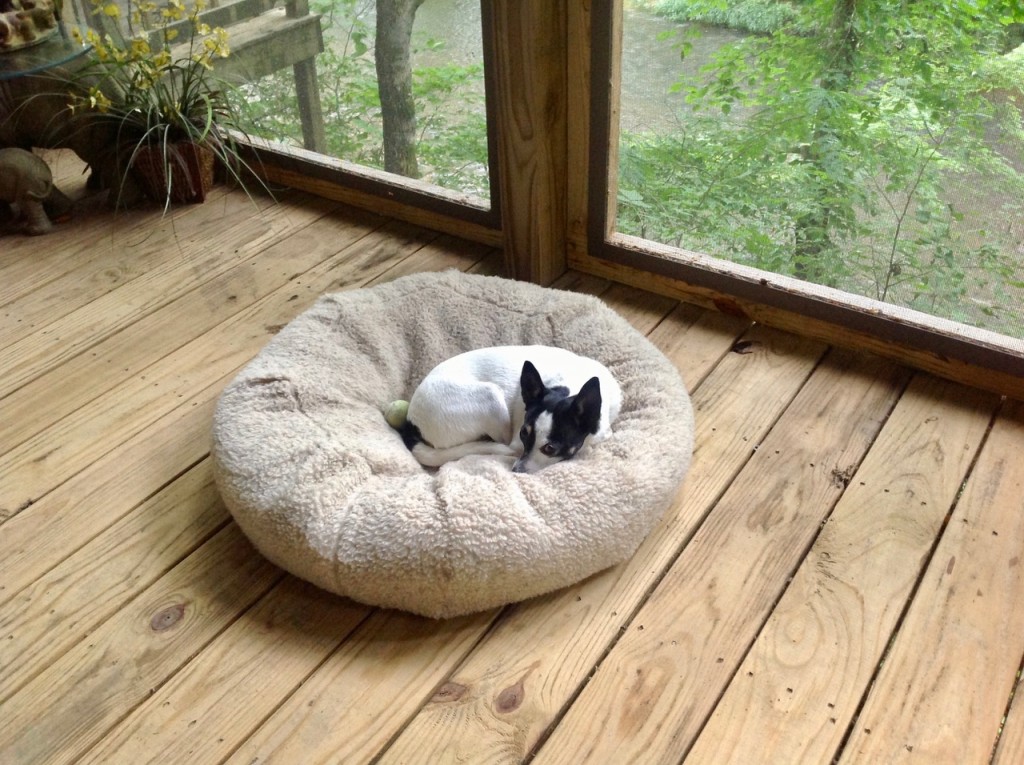
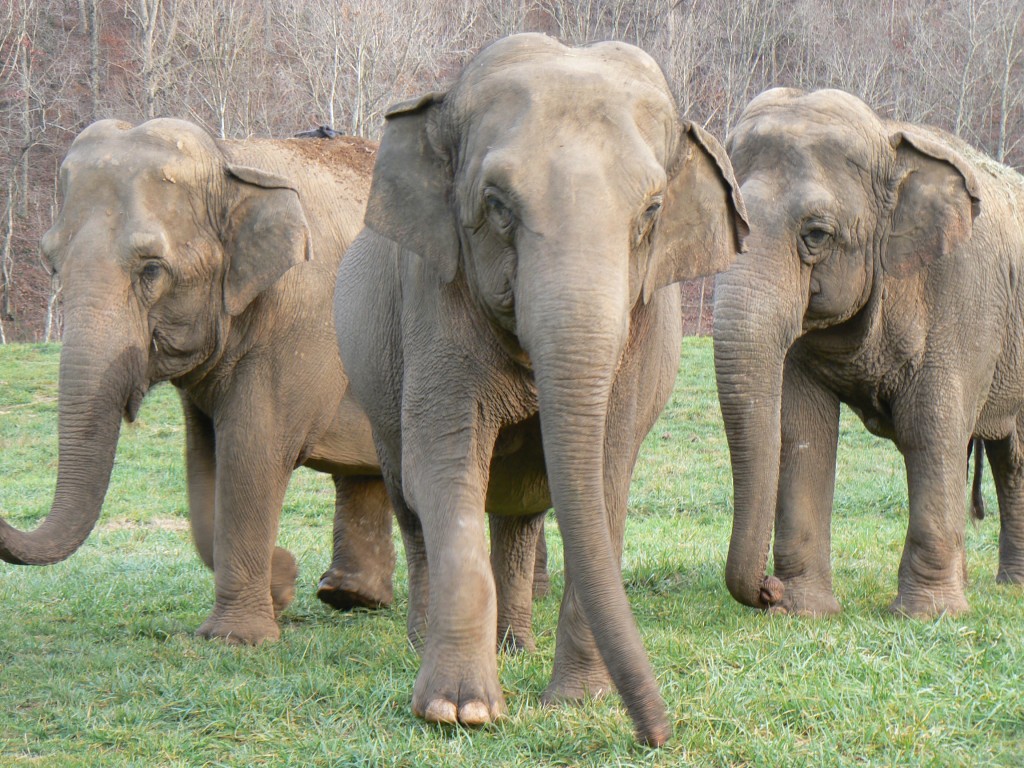
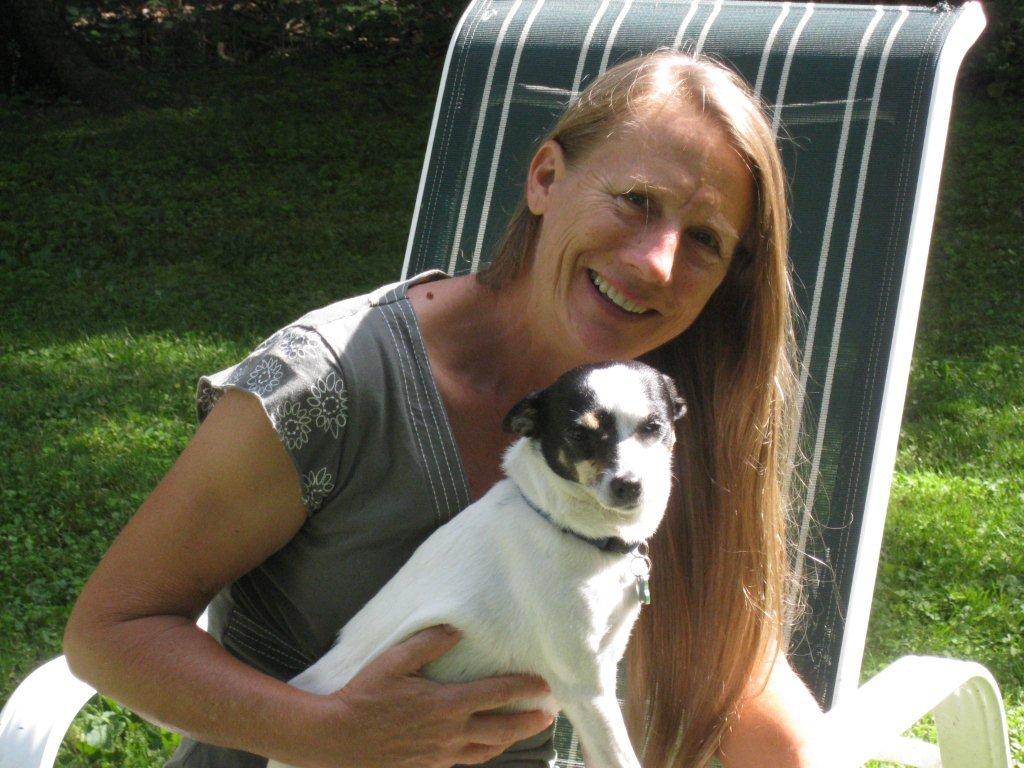
For as long as I can remember I have been blessed with a loving human family and an affinity for nonhuman animal companions. With six kids in the family my Mom had her hands full, but she indulged my heart for animals. Even in high school friends knew the best birthday surprise they could give me would be a new farmyard friend or other animal to add to my family. My mother worried about what she viewed as an unnaturally strong love for animals. My dad not so much. But when he learned that my first job was cleaning kennels at a local pet store, my Dad voiced his concern. Protectively he said, “Do something else. You don’t want to clean up animal shit your whole life.” He was wrong, because cleaning cages gave me the opportunity to meet and start to understand animals as individuals, deeply sensitive loving beings. He really did not understand when I told him how happy the job made me. Well, 66 years have passed since my birth and I have been blessed to have so many special beings come into my life, the latest to leave this planet is Java. Yes, I am grieving her now, it is natural, and the process is becoming less intense, somehow soothing. Java’s passing and me grieving her passing is different than any other time one of my animal companions passed. This loss is not softened by the presence of another animal family member. For the past 10 years it has been me and Java. And now I am alone with my loss. As result I am feeling, with every cell of my body, the profound love we shared. I am feeling it fully, embracing and honoring it. I am alone without another loving animal distracting me from my painful yet illuminating process. No licking away my tears making me feel less pain. And this is good because I am fully here, in the moment, immersed in the realization that I love nonhuman animals as deeply as any of my cherished human friends and family. LOVE is LOVE. It knows no species. It is one pure and powerful energy that transcends any cultural judgement or prejudice. In her passing Java taught me how deeply I love and that my love is not diluted when given outside the human species. I am humbled by this gift that Java has given me in her passing. Love you Java.
Category: Honoring Memories
-

Love is Love; Species is Irrelevant
-

So Many Lost
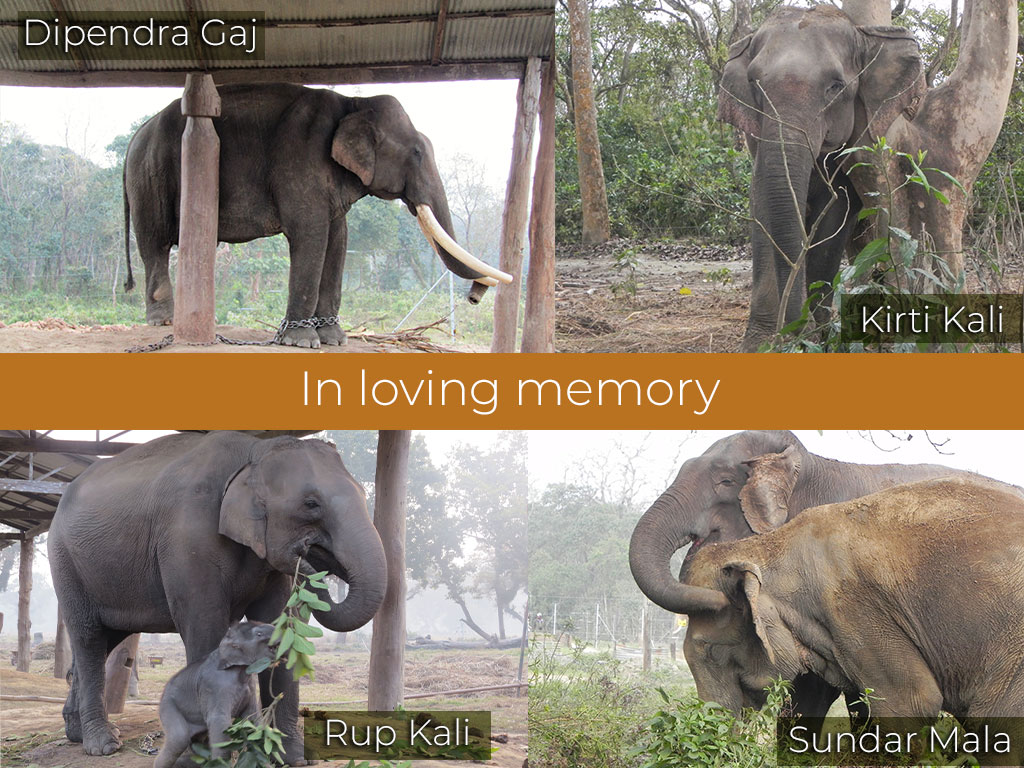
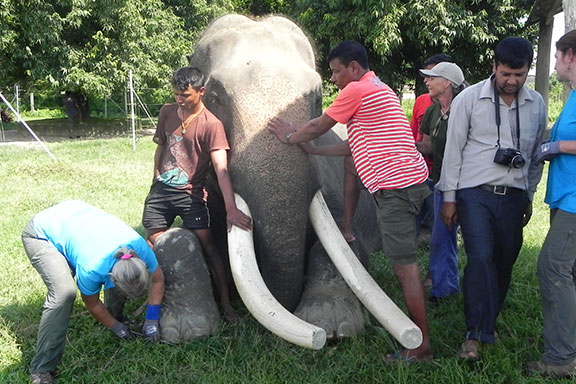
[smartslider3 slider=6]World Animal Day was created to help raise the status of animals to improve welfare standards around the globe. It is befitting to commemorate this day by paying tribute to four elephants in Nepal who recently died. Each made profound contributions to wildlife conservation efforts for more than five decades. I am forever grateful for everything these amazing beings taught me.
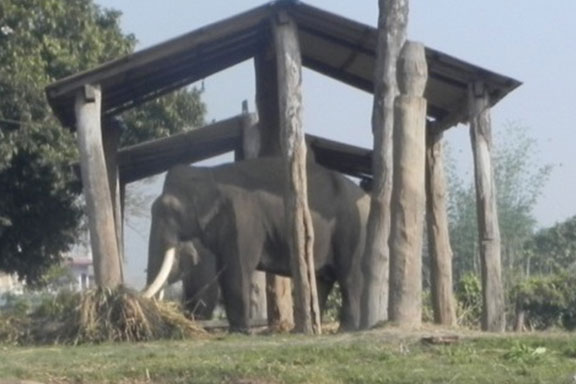
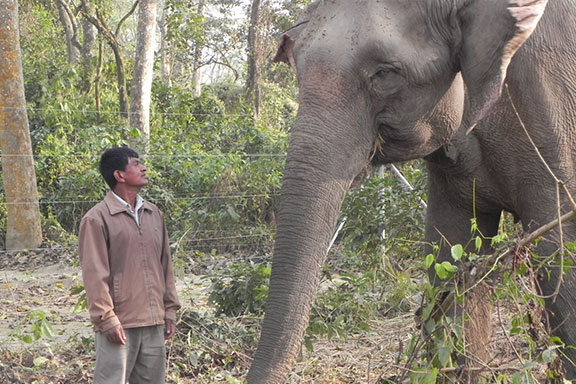
Dipendra Gaj, Rup Kali, Kirti Kali and Sundar Mala were all members of a select group of anti-poaching patrol elephants deployed daily in Chitwan National Park. For decades they worked dawn to dusk protecting wildlife. When they returned to their shelter each evening, their front feet were shackled together with heavy chains to restrict their movement. They spent every night of their lives isolated from fellow elephants, including their offspring.
Captive life for these elephants was never easy. Neither were the lives of their mahouts (keepers). Together these conservation rangers did their jobs obediently, rain or shine, day in and day out. Their success at protecting wild rhinos and tigers is the pride of the conservation world.
Elephants, of course, are an endangered species, designated by Nepal as a heritage animal. These four elephants were wild born, but because they ended up in captivity, their value was diminished in the eyes of their human overlords.
I honor these elephants by sharing their stories, by telling the truth about who they were, how they lived and how much they contributed to conservation in Chitwan National Park. In speaking openly about these four brave elephants, I hope not to cause outrage and protests, but to bring about change for their surviving captive-held brethren.
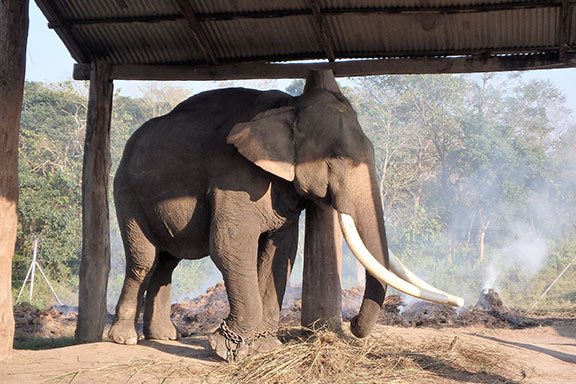
Dipendra Gaj was a magnificent bull who was resigned to his duty. Forced to comply with every demand made upon him, he never lost his sense of self. He seemed to overlook the demeaning aspects of his life and remain proud of being an impressive bull elephant. It was my greatest honor to trim his feet twice a year. His superior cognitive abilities and willingness to accept care made his mahouts so very proud. Dipendra Gaj died in his mid 50’s–too young–after losing his battle with the human strain of tuberculosis.
Rup Kali was a wise mother and grandmother. Captured from the wild at a young age, she was forced into servitude. Her official anti-poaching patrol duty spanned nearly 60 years.
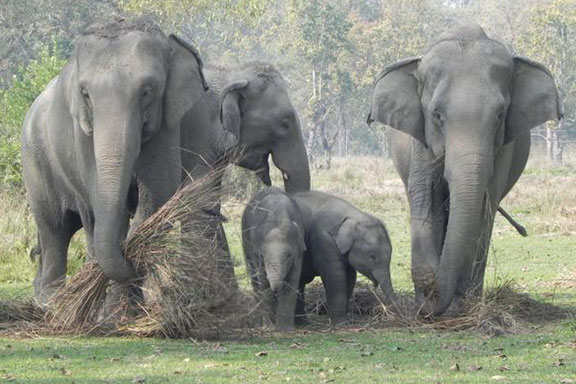
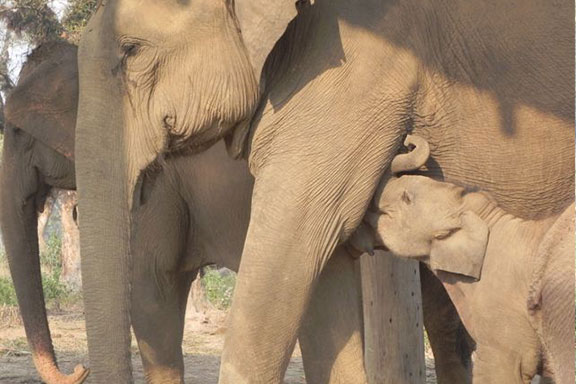
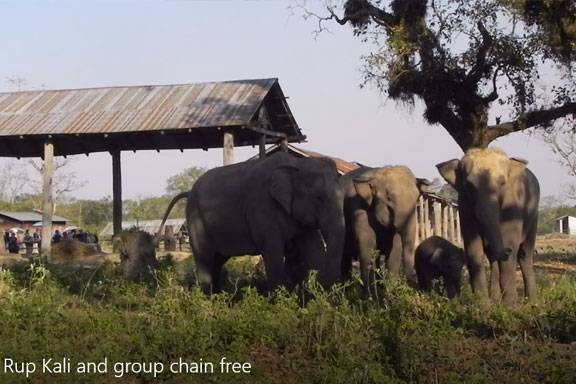
When we first met Rup Kali, she was “auntie” to two calves, one four months old, and the other five months. The calves were left unchained so they were free to wander through the hattisar (elephant stable) to socialize with the chained adults. They developed a deep relationship with Rup Kali, spending more time with her than with their own mothers. Rup Kali responded by developing milk and nursing both calves.
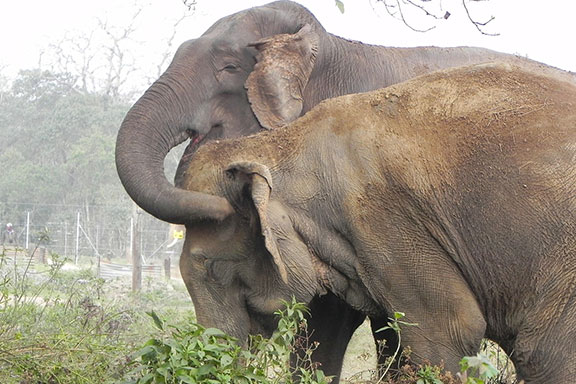
In 2015, Rup Kali was released into a chain-free corral built by EAI, which she shared with the two calves and their mothers. The elephants were overwhelmed by their new circumstances and melted into one another, forming the unbreakable bonds elephant families are renowned for.
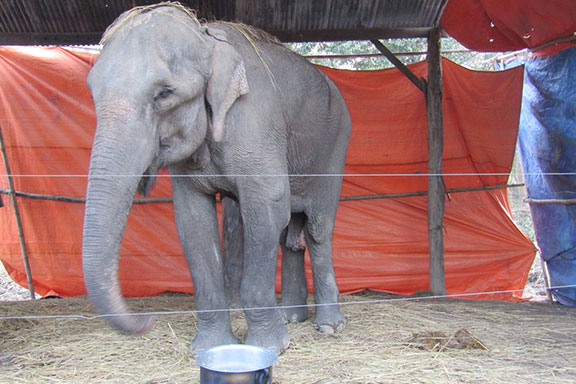
Later, Rup Kali was moved to a remote hattisar where she was semi-retired. After losing her last set of teeth, she became thin. EAI provided her with a coat this past winter, which she wore willingly. This spring, Rup Kali died of natural causes. She was in her seventies.
Kirti Kali had a long, documented history of conservation work and giving tourist rides. She was a member of a group of elephants who were isolated from each other under separate tin shelters, and never allowed to socialize.
Kirti Kali was one of two elephants who provided elephant back safaris in Chitwan National Park. Her anti-poaching patrol duties meant long days in the sweltering summer heat and harsh winter cold. She was also required to provide tourist rides every dawn and dusk. The majority of riders were Nepali VIPs receiving special tours of the park (all other safaris take place outside the park in buffer zone forests). It was reported that the funds she generated paid staff salaries.
Midlife, Kirti Kali developed a severe case of carcinomas that affected her gait and subsequently her foot health. Over time she became thin and remained that way until her death.
In 2014, Kirti Kali was one of five elephants to receive a chain-free corral built by EAI. At first, her mahouts resisted allowing her to live chain-free since she had a history of aggression. But shortly after the other elephants went chain free, Kirti Kali did as well. She proved to be a star resident of chain-free living, remaining calm, responsive and nonaggressive.
Last winter, Kirti Kali’s health deteriorated, which meant she no longer had to give rides. Tarps were erected around her stable to help block the cold wind, and EAI provided a coat to keep her warm.
This spring, Kirti Kali died after years of suffering from the human strain of tuberculosis. Her contribution to conservation was as great as her suffering. She was almost 60 years old.
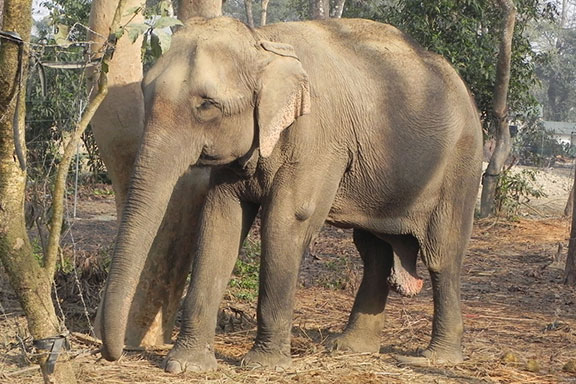
Sundar Mala was another wild-caught elephant who spent her entire captive life working anti-poaching patrols protecting Nepal’s wildlife. Although age is sometimes difficult to confirm, I was told that she was close to 60 years old when we first met. She was severely thin and suffering from foot disease.
In 2015, after living chained in isolation most of her life, Sundar Mala was released into a chain-free corral built by EAI. She and Oma Kali, a senior elephant who had been crippled by a wild bull, bonded instantaneously and remained inseparable until Oma Kali died two years later.
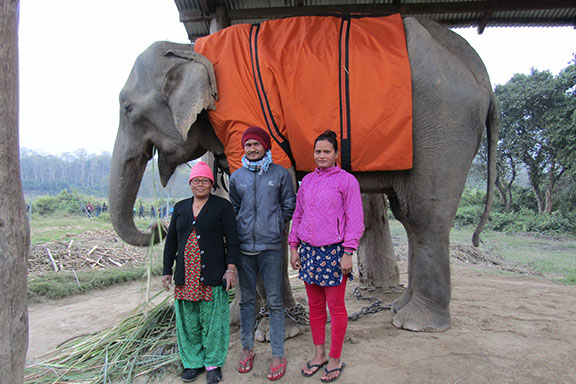
Sundar Mala was the first recipient of a winter coat. It took some convincing for the government to grant permission for EAI to provide the custom-made garment, but thanks to Sundar Mala’s complete acceptance of her coat, many other elephants in need have since received them as well.
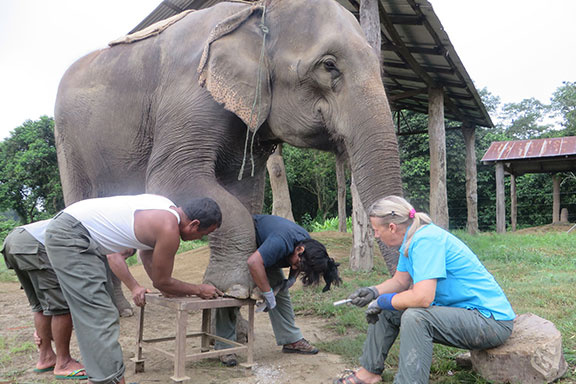
During our bi-annual foot trimming visits, Sundar Mala was always the first client. She was unable to lie down, but quickly learned how to place her feet on a platform so that her nails and foot pads could be trimmed. It was always a group effort, with two to three mahouts and me gently maneuvering her feet into place and trimming, while yet another person provided treats, her favorite part. Sundar Mala’s calmness, cooperation and gentle engagement was humbling.
Last winter, I heard Sundar Mala’s health was deteriorating. We offered support in the form of supplemental food and a new coat. She wore her coat with a sense of pride, posing with her team of mahouts and well wishers. With the deepest sadness, I learned Sundar Mala just passed away. She was reportedly in her mid-70’s.
I can only hope the sacrifices made by these and other elephants we have lost does not go unnoted. They are heroes of the greatest magnitude, wild-caught elephants who rose to the challenges forced upon them. Their contributions to the success of human endeavors cannot go unrecognized, nor the cost they paid in their service to humans and other animals.
With our deepest respect, rest in peace, Dipendra Gaj, Rup Kali, Kirti Kali and Sundar Mala.
-

In Memory of Hanako
When I met Hanako less than two months ago, it was obvious to me that she was nearing the end of her life.
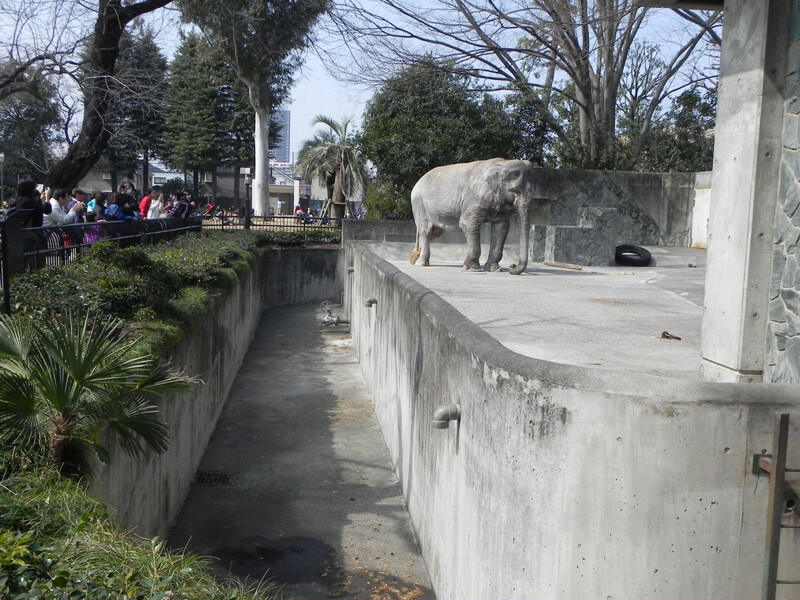
Hanako had spent close to seven decades in one of the most deprived environments I’ve seen.
Every surface in her barn and yard was covered with unyielding, moisture-robbing, highly abrasive concrete. There was not a blade of grass, a tree or a patch of dirt anywhere in the small space.
While at the zoo I learned that Hanako had recently stopped lying down to sleep. Instead of spending several hours each night on her side sleeping, she spent a lesser amount of time leaning against the barn wall, dozing.
After studying her records it was clear that Hanako’s appetite and drinking habits had also changed. The times when she would refuse to eat grew more and more frequent.
Hanako also refused to use her outside pool or allow her keepers to bathe her. As result her skin was dehydrated and her legs were stained with urine.
The staff could not account for these changes in Hanako’s behavior. But such changes are to be expected of an elephant of Hanako’s age.
It was heartbreaking to observe that her eyesight was failing, she shivered continually and she was physically inactive.
Each morning, until at least a month before her death, Hanako would walk the few feet from the barn to the outside concrete yard. There she would stand and engage in stereotypical behavior for hours before taking the few labored steps back inside her barn at the end of the day.
My first afternoon at the zoo I witnessed a change in Hanako’s behavior. Without any obvious provocation she seemed to startle from her catatonic state and began moving around her small yard.
Then the barn door opened and she became vocal and animated. She approached the door, placed her foot in the track and engaged in the most bizarre stereotypic routine I’d ever seen. She pushed her toe into the track, pulled back as if her foot was caught in it, removed her foot and then repeated the sequence twelve times. Keepers later told me she did this stereotypical sequence every time before she entered the barn. Not always twelve times—sometimes more, sometimes less.
After completing her stereotypic ritual, Hanako rushed into the barn, moving with an uncharacteristic urgency as if someone was trying to keep her from entering. Her eyes lit up and she became very vocal.
I assumed she was excited about the pile of fresh vegetables and grass on the floor. But it was not the food. It was her keepers she was focused on.
Hanako was obviously excited to see her keepers and anxious for them to pet her. She offered her foot through the steel bars that divided the elephant and keeper spaces, leaned up against the bars and turned to receive pets on her backside and hip.
She chattered to her keepers the entire time, soliciting and savoring their every touch. This was a side of Hanako I had not seen—her comfort with and attachment to her keepers.
The keepers appeared to enjoy the interaction as well. But fifteen minutes later, Hanako’s allocated social time was over. As the keepers turned their attention to barn duties, I watched as Hanako slipped back into her detached state of mind.
The thermostat was set, water barrel checked, food swept into a neat pile, lights turned off, doors closed and keepers gone again until tomorrow. Once again Hanako was alone.
Failed by the system
Hanako was denied a natural life of freedom with her natal family simply because humans are intrigued by this species. But humans failed her time and time again.
Even if they wanted to, the zoo staff was unable to evaluate Hanako’s health scientifically. Hanako and her keepers weren’t trained to carry out basic health checks and her antiquated facilities did not provide a safe environment for medical testing or treatment. Aside from tranquilizing Hanako, there was no safe way to compile a comprehensive medical work up.
The government owns and runs all the zoos in Japan. The keepers are rotated throughout the zoo system, transferred to a different zoo every two years. Knowing the social complexity of elephants, having keepers rotate in and out of Hanako’s life so often would have been stressful, even traumatic.
Decades ago Hanako had an extremely close relationship with one of her keepers. After he died she reportedly became aggressive and as result was kept chained for a length of time.
It is reasonable to assume that Hanako suffered both physically and psychologically from her lack of companionship and physical activity. In Hanako’s case, her social isolation was the most detrimental. But the damage inflicted on her by her isolation was never measured.
Taking comfort in the familiar
Hanako had a decades-long reputation of reacting negatively to changes in her facility and routine. As she aged, her tendency to be inflexible increased.
Weeks before Hankako died, the zoo installed a safety fence on the outside wall of her barn. Their hope was that by providing a secure outside space, the keepers and Hanako would spend more quality time together, something we all agreed would benefit her. Although the fence was not one of my recommendations, I completely understood why the zoo made the effort.
Unfortunately, directly following fence construction, Hanako refused to leave her barn. Since the construction was the most obvious change in Hanako’s life, it was blamed for her behavior.
In her tender psychological state Hanako might have been frightened and even traumatized by the noisy power tools drilling into the wall of her barn. The noise and vibrations most certainly could be heard and felt by Hanako, locked inside. Although it is reasonable to believe she was upset by the construction, another scenario should also be considered.
Hanako was dying, growing weaker day by day. Apparently she derived comfort from being inside her barn. She could conserve energy she would otherwise have wasted walking out to a barren yard that provided neither shade nor shelter from the cold. In her condition, the barn was likely the most comfortable place for her.
Too late for Hanako but not for other elephants
The zoo said that a necropsy will be conducted. The results will most likely point to death by natural causes. It is true that Hanako’s body condition was good for an elephant of her age, but there is no way to determine what her emotional and psychological condition were.
Against all odds, Hanako lived to the ripe old age of 69. Surprisingly, she was not emaciated or crippled and did not develop osteomyelitis or the pressure wounds that are so common among elephants kept on concrete. But even though her body served her well, captivity took its toll on her heart and mind.
Hanako’s celebrity increased near the end of her life as she became the focus of a worldwide effort to move her. It’s unfortunate her deprived existence didn’t come to light five years ago, ten years ago or even two decades ago, when she could have benefited from being moved.
But, although Hanako did not benefit personally from her celebrity, other elephants will.
Immediately after Hanako’s death the zoo announced the good news that it will not replace her with another elephant.
The truth is that Hanako is irreplaceable.
-

Our Dear Lottie Has Passed Away
October 10
Loyal, dependable, calm, an unconditional friend to all; Lottie was a loving sister and the matriarchal energy to all of the divas. She blessed everyone with her wisdom, always cooperative and engaged. Her patience with Minnie was magic. At times when Minnie would work herself into a pushing frenzy on fences or other elephants, Lottie would calm her down with a silent gentle trunk touch.
When night time temperatures forced Lottie inside, she would rumble repeatedly until Minnie finally joined her in the warm barn. Minnie would stay inside long enough to grab some food and swallow a few trunkfuls of water before dashing out of the rubber flap door. Racing down the hill to the moon-lit habitat, Minnie would plunge into the pond, dragging a log from the muddy bottom. Or dash across the pasture, kicking up clumps of grass with her toe nails like a golfer’s divots in the manicured lawns of a golf course.
Lottie would remain inside benefiting from the “me” time, getting pets and dried cranberries, her favorite treat. Lottie would stand completely still except to gently guide my hand up to her tusk socket. She had very short, almost nonexistent tushes. She loved to get me to massage the inside of the tusk socket. Her eye lids would flutter and she would let out a low rumble. If the massage stopped, her eyes would pop open and again she would softly reach out for my hand and guide it back to the tusk socket. A kinder, gentler elephant you will never meet.
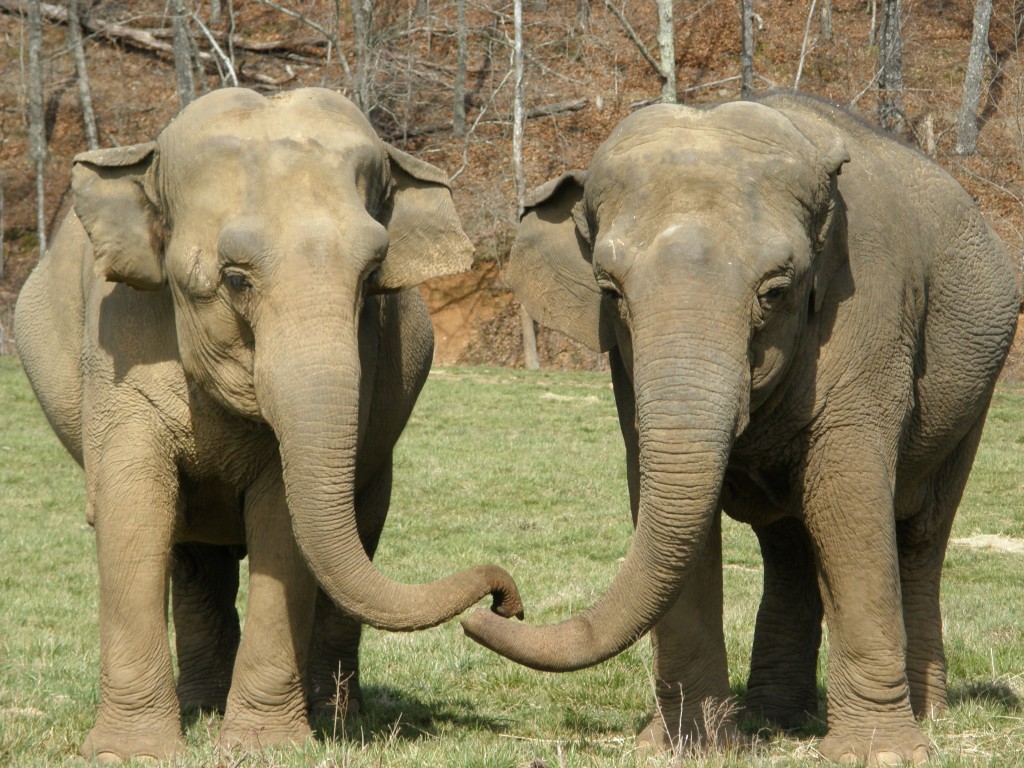
Lottie’s estimated birth year was 1963. Since moving to the Sanctuary at 12pm CT, January 31, 2006, Lottie was the picture of sound health. She had healthy feet, a good appetite, and always remained at her optimum weight. She drank well, stayed physically active and was extremely calm. Mostly she was Minnie’s best friend. These two had a powerfully loving relationship.
Although Lottie seldom engaged in physical play with Minnie, she was never far from her friend.
They grazed, bathed and slept side by side. Sometimes in the early afternoon Minnie would wander away from Lottie as she slept. If Lottie woke and could not see Minnie the drama would unfold. Lottie would let out a loud squeak and then another, raising her head in an anxious posture looking around for Minnie, who would respond with a throaty bellow. When the two finally heard the other they would break into a run, full speed ahead, screaming at the top of their lungs. When they were finally reunited Minnie would spin circles around Lottie whose eyes would twinkle as she chirped and squealed in delight. Trunk touches all over, followed by powerful trumpets and then relaxed sighs, and the greeting was complete.
Without hesitation they would resume their grazing as if no emotional display of affection had taken place. But if you were close by, you would feel the air permeated with love. Then they would wander off again on another adventure. They lived for each others company.
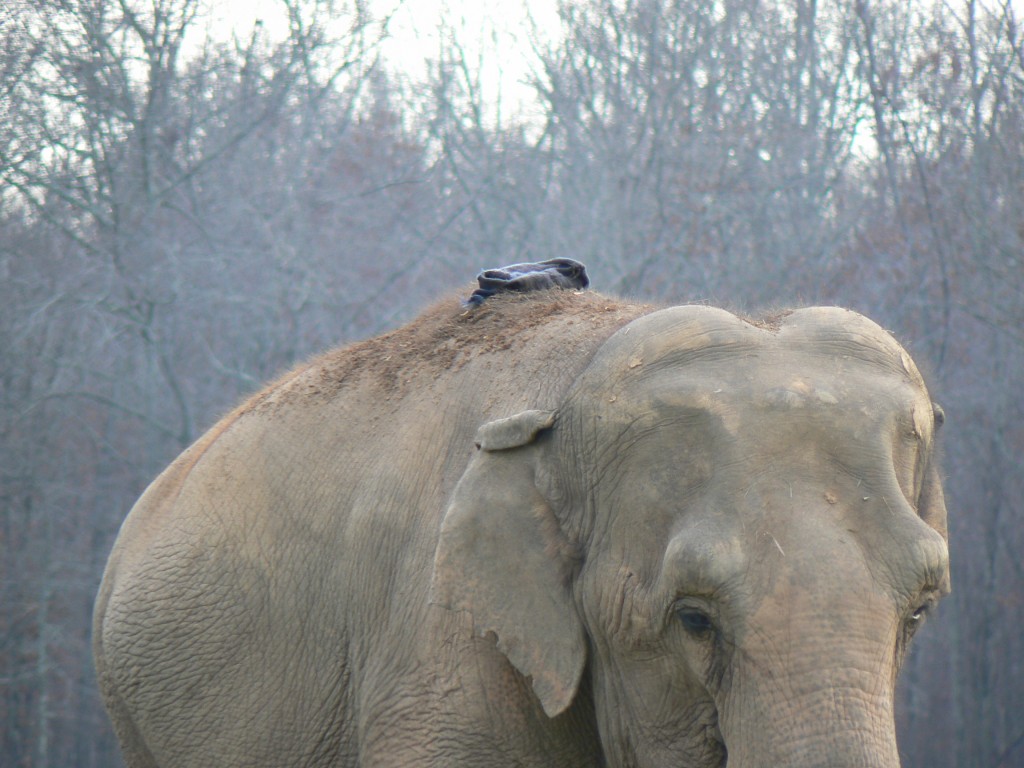
Lottie had a silly side, reserved but silly. One time, when my winter hat had gone missing during a 10pm feed, Lottie was later seen sporting it fashionably on her back. It was hardly recognizable, a bit worse for wear but still an attractive accessory — at least Lottie thought so. It hardly resembled a hat at all as Lottie had chewed it, pulled it apart at the seams and ground it into the dirt before finally tossing it onto her back.
Mostly Lottie will be remembered for her nurturing nature and deep affection for Queenie and Minnie.
After Queenie passed away two years ago Lottie and Minnie grieved desperately. The two grew even closer and helped each other through their loss. Now Minnie has a heartbreaking challenge ahead of her. She and Lottie had been together for four decades: this separation will be difficult. Hopefully Minnie will be able to face her loss with an open heart and not put on the “tough guy” act that was her mode of operation in the past. If Minnie puts up a wall to the pain and acts as if she is not hurting, recovery will be that much more difficult for her. We have to trust that Minnie will be able to allow Debbie and Ronnie back into her life so they can help her through this difficult time.
-
Dondi
Everyone knows how painful it is to experience the loss of a loved one, especially one we raised, nurtured and protected.
Last month Phil and Francine Schacht faced a terrible loss. Dondi, the elephant they raised from infancy, died of tuberculosis. When I heard the news, my heart went out to Phil and Francine. I thought of Tarra because the two were the same age. And I immediately flashed back to the time that Tarra and I met Dondi in Arkansas.
Tarra and I were driving cross-country from Quebec, Canada, to our home in Ojai, California. It was the end of a long circus season and we were anxious to get home. As was our practice, late in the evening we found a rural campground to spend the night.
These campgrounds were perfect because at this time of year they were empty of other travelers and usually backed up to a wildness area, a perfect playground for Tarra and her dogs. Campground services seemed to be tailor made for a traveling elephant: a private parking space with a personal dumpster and water faucet plus bathroom, shower and phone for her caregivers.
On this mid-fall evening driving through Arkansas, I spied a campground sign and followed the dark country road to the entrance. In front of me lay a vast pasture with a large wooden barn nestled way in the back of the property. The place was completely empty. I pulled Tarra’s rig into the prime space off the main road, adjacent to a large pond, between a few midsize shade trees.
As usual, Tarra was excited to exit her trailer. With Ace and Tasha, our constant canine companions, Tarra and I took off towards the woods. It was always part of the fun to remind Tarra to contain her excitement until we were under the cover of the woods. Her squeals and boisterous trumpets had been known to cause alarm in areas unaccustomed to pachyderm visitors. Allowing Tarra the freedom to play with full abandon is what enabled us to deal with circus life. In the woods Tarra no longer had to curb her vocalizations. Admittedly a few trumpets and series of dog-like barks echoed from deep in the woods. That night she played until spent, which took close to 45 minutes and left many young trees wondering what had just blown through.
In the morning, Tarra wasted no time plunging into her personal pond for her morning bath. The amenities at this campground were excellent. When I saw a man approaching I assumed he was the campground owner. So I braced myself for the reprimand I was about to receive. Boy — was I ever surprised. With a firm grip, the stocky man shook my hand and introduced himself as Phil Schacht, “owner of Dondi the elephant”.
Dondi, an Asian elephant of Tarra’s age, emerged from the wooden barn at the far end of the campground. Who would have guessed that our travels would bring us to her doorstep? Phil and his wife Francine ran the campground and lived there with Dondi when not on the road traveling with the circus.
What transpired a few minutes later forged an unforgettable bond between elephant guardians and newly acquainted elephants. We invited both elephants to “go see” the other. Like the slow motion commercial where two lovers gracefully run across an open filed into each other’s arms, Tarra and Dondi sprinted several hundred yards towards each other. They had never met before but they did not hesitate for a moment to engage in full-on pachyderm play.
As their guardians stood by, beaming with pride at their foster children, these two adolescent elephants played like litter mates. Perfectly matched, they had no fear of each other, nor desire to dominate or be submissive. They rubbed their big bodies up against the other, wiggled and gently pushed, entwined trunks, rolled around on the ground together like pigs in mud, squeaked, squealed and trumpeted in delight. Dondi would freeze and then race over to Phil, vocalizing madly. Tarra would imitate, hovering her trunk centimeters from my nose, barking incessantly. Dondi lovingly slobbered all over Phil with her trunk and tongue and quickly dashed back to Tarra. They were a whirlwind of pure joy. These two played and played and played, until finally their energy was spent and they decided that grazing was the next activity of the day.
This experience will be forever etched in my heart. Tarra and Dondi never met again, something I had always hoped for. But perhaps such magic is not repeated. Dondi will be sincerely missed.
-
In memory of Barbara
May 18
In Memory of Dear Barbara, a Powerful Spiritual Teacher
Today I thought…
A person dreams a dream. That same person so completely believes in the dream, seeing it clearly in her mind and feeling its pulse in her heart that the dream is brought to life. The dream is manifested.
This transformation from intangible to substance evolves as result of a deep spiritual belief and powerful conviction. The process is not without sacrifice and hardship but the inner drive is so strong and belief so all consuming that all hardships are disregarded.
Once the dream has been transformed into a tangible state it can be easily appreciated by others. Many will feel a connection from deep inside their being and they too will feel connected and blessed by the manifestation of the dream. These believers will join in to support the further evolution of that dream.
Because so many have seen and believed in the dream and its manifestation, does it then result that the original dreamer should be made to sever her connection to the dream she dreamt and brought to life? Is it even possible to sever such a connection, which defies all logic and explanation? Is it rational to expect that the dreamer will abandon her dream? I think not.
Not only is it illogical but impossible for the dreamer to amputate all emotional, spiritual and psychological connections to that which is her dream. It is my belief that a dreamer’s dream is hers to create and share with others, as she herself will share in the dreams of others. We do a grave injustice when we attempt to squelch another’s dream or take it as our own.
Each of us carries a seed of hope for the future inside of us. We have a gift to give, unlike any gift another can give. Ours is unique and special to us. It is my belief that attempting to prevent another from fulfilling their dream, their life’s work, is the most serious of human violations that can be committed.
I have dreamt my dream and manifested that which is uniquely mine to give. From experience I can say with conviction, dream your dream with all your heart and it will become real. Continue to hold that dream close to your heart as a mother would a newborn child. Protect it and keep it safe. Share with others but never hand your dream over to another because only you can dream your dream and keep it alive in the way it was meant to be.
I am eternally grateful for the guidance that the elephants continue to provide me.