Tag: carol buckley

  • Primera Hora Interviews Carol Buckley

    In the video above, EAI Founder and CEO Carol Buckley explains to the Primera Hora audience how ERNA is tailor-made for elephants.

    Mundi holds a special place in the hearts of the people of Puerto Rico. So it’s no surprise that some Puerto Ricans are skeptical about moving her off the island. Fortunately, Governor Ricardo Rosselló Nevares recently reaffirmed that he stands by his decision to move Mundi to Elephant Refuge North America (ERNA).

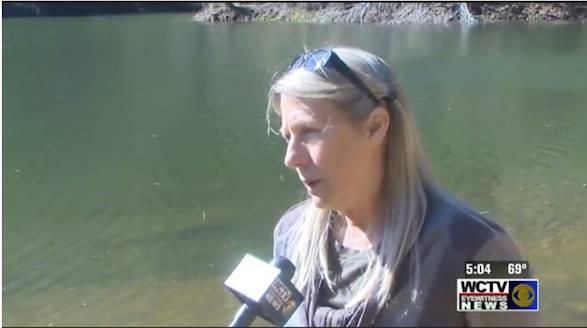
    When Puerto Rico’s newspaper Primera Hora interviewed EAI Founder and CEO Carol Buckley earlier this month, she used it as an opportunity to speak directly to Puerto Ricans.

    “Your hearts are in the right place,” she said. “You’re hesitant and you don’t want her to go. All I can say is, I appreciate how you feel for Mundi and I guarantee that once you see her here and you see how she thrives here, your minds will change and you will be exceedingly happy.”

  • EAI Founder Carol Buckley Receives Golden Sun Award

    Carol Buckley wins the Golden Sun Award
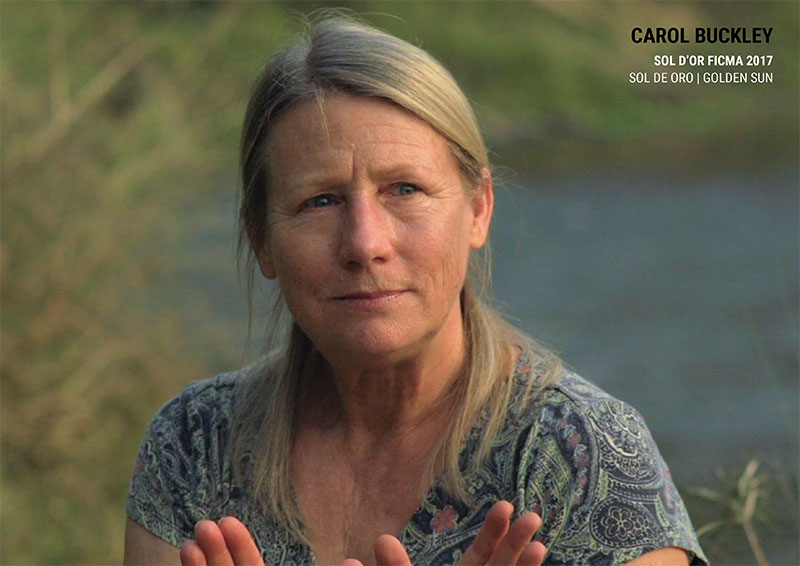
    The Barcelona International Environmental Film Festival (FICMA) announced Elephant Aid International (EAI) Founder and CEO Carol Buckley as the recipient of the festival’s Golden Sun award for 2017. This prestigious award recognizes individuals and organizations helping to educate, sensitize and raise consciousness in values of respect for the environment and human-and-animal life.
    24th Barcelona International Environmental Film Festival

    The documentary UNCHAINED, which follows Carol’s work to enhance captive elephant welfare in Nepal, will be shown at the festival to share possible solutions to the situation of elephants on our planet. Carol will be in Barcelona during the festival to receive the Golden Sun award in person on November 9, 2017.

    In awarding the Golden Sun, FICMA described Carol as “one of the most prestigious persons to talk about the situation of elephants on our planet and that is working for their dignity.” Carol joins other notable animal welfare leaders who have received the Golden Sun including Jane Goodall and Jacques Cousteau.

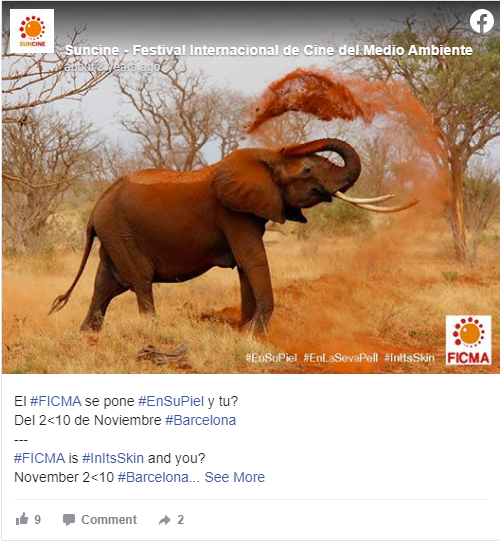
    FICMA elephant

    To learn more, read FICMA’s announcement in the festival catalog (see page 20).

  • Georgia Outdoors to Track Development of ERNA

    Georgia Outdoors to Track Development of ERNA

    Elephant Aid International has joined Evite’s charitable network: Pledgeling. When using Evite to send invitations, you can now request donations to EAI instead of gifts. Perfect for any elephant-loving party planner! Learn more here.


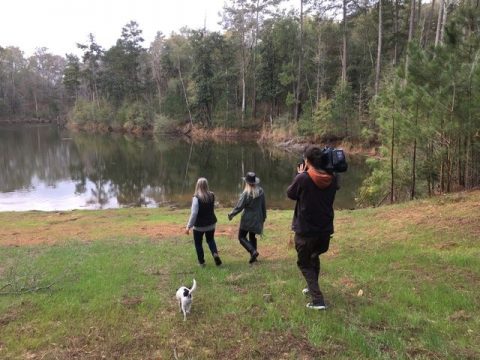
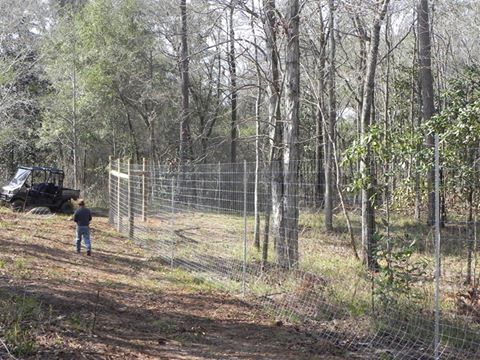
    Sharon Collins from GPB’s Georgia Outdoors and cameraman Shane visited Elephant Refuge North America this week to document our progress. The perimeter fence, which acts as a security barrier, is 50% complete. The fence crew is doing an amazing job. Georgia Outdoors plans to track our development and immortalise each elephant that makes ERNA their home.


    We would like to show our sincerest gratitude to Sarah Shaw, Founder of Nature Defense Foundation (NDF). Sarah has dedicated herself to helping animals in need and EAI is fortunate to have her join our efforts. The NDF has provided grant funding to Elephant Aid International and continues to provide fundraising and outreach support on an ongoing basis. Thank you, Sarah!


    We are working hard to end the worldwide suffering of elephants — and we couldn’t do it without your help. Thank you for your continued support. Please consider donating to ERNA by clicking here.


    ERNA will span 850 acres of land. The fence will help secure the perimeter to keep the retired elephants safe and allow them to heal and thrive within their natural environment.

  • ERNA Continues to Make Headlines

    ERNA Continues to Make Headlines

    The perimeter fence is shaping up and the media continues to cover progress at Elephant Refuge North America! Click here to view a broadcast video from WCTV.


    An Asian elephant named Lasah is suffering continued abuse for tourism. Carol Buckley commented: “Lack of sleep and the inability to get off his feet is stress inducing and can compromise his immune system, make him frustrated, aggressive and prone to physical and emotional deterioration.” Click here to read the full article.
     

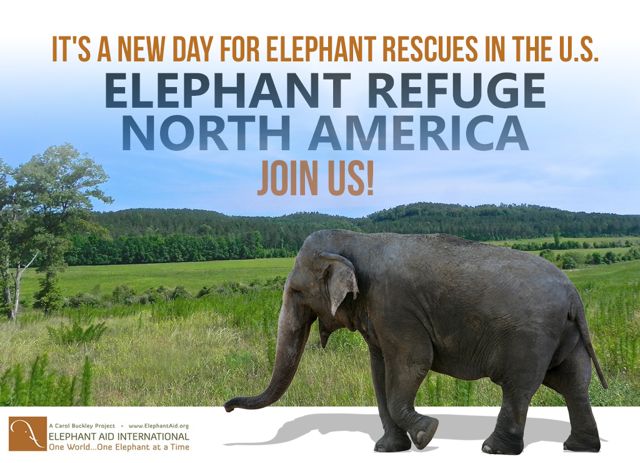
    ERNA join us
    When attempting to drive change and help a species, education is paramount. An important aspect of ERNA will be NON INVASIVE research to promote understanding of elephants — ultimately contributing to improved elephant welfare. Learn more about ERNA here.
     

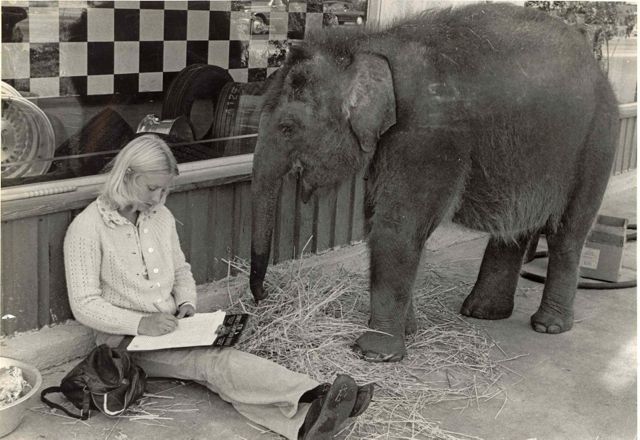
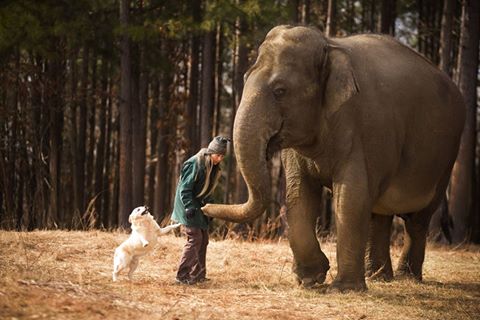
    Tarra & Carol tire store 1974
    Light of Consciousness released an article about the history of Carol Buckley and EAI. “One woman’s adoption of a baby elephant began a forty-two-year journey that has revolutionized the care and management of captive elephants worldwide.”


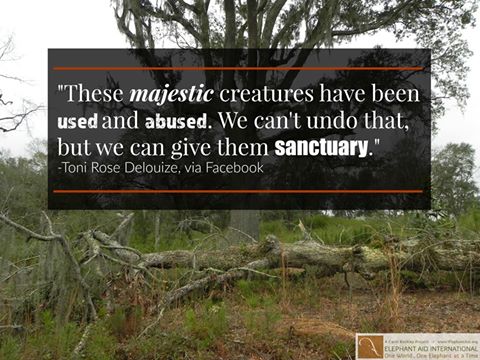
    As noted by Toni Rose Delouize, although we can’t take away the elephants’ pains from the past, we can give them hope for a new future.


    ERNA will aid in the improvement of elephant welfare by collaborating with governments around the world, as well as with elephant caregivers and elephant owners, to advocate for improved standards and practices for captive elephants.

  • Clearing for Perimeter Fence Has Started


    Did you know: Carol Buckley was featured in Care2’s article “9 Women Who Are Saving the Planet” – alongside Jane Goodall and Dr. Sylvia Earle.

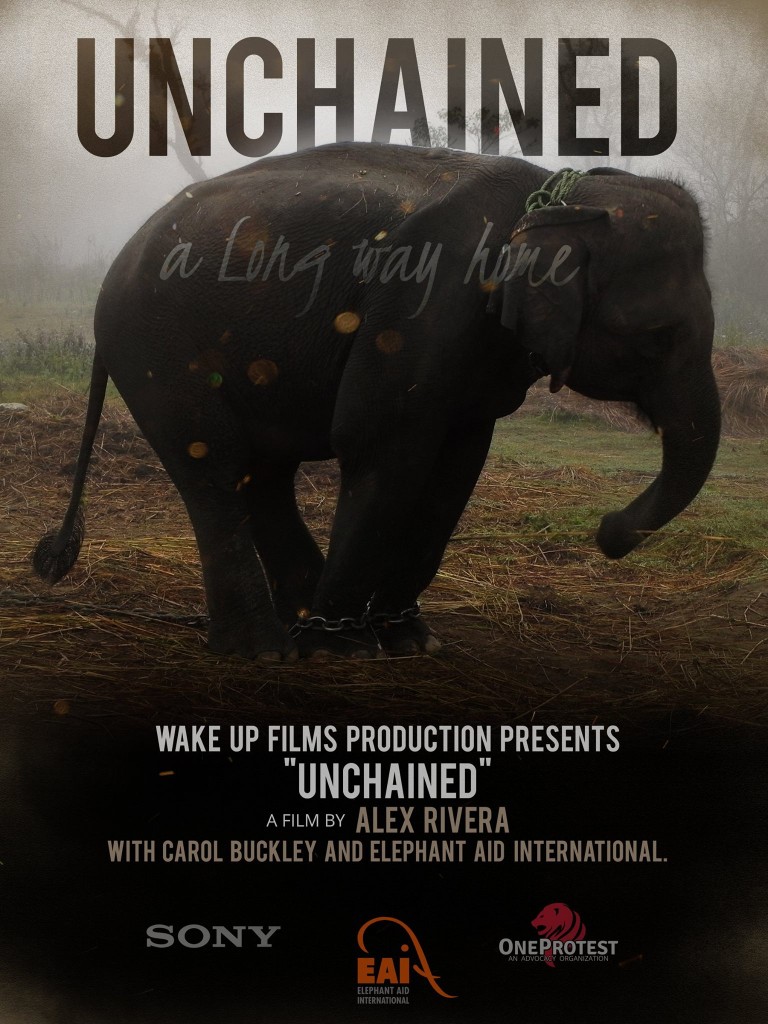
    unchained poster
    Want to learn more about the Unchained documentary, featuring the work of Carol Buckley and EAI? Follow the link here for more information and a trailer.


    Elephants are truly majestic beings. It’s an honor to be in their presence.


    We started clearing for the perimeter fence last Monday. The crew is making great progress. With any luck the fence crew will begin building in less than two weeks!


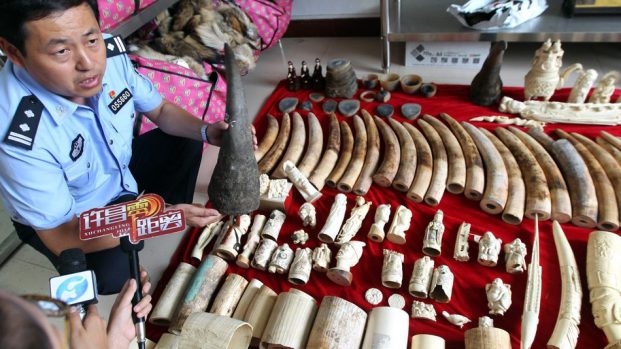
    Recently, China announced that they will begin making changes to shut down the commercial trade for ivory. According to this article, the move “could help elephant populations stabilize and recover in Africa.” However, there are concerns that poaching will begin to occur more frequently in other areas — but each step is still a step toward elephant conservation.


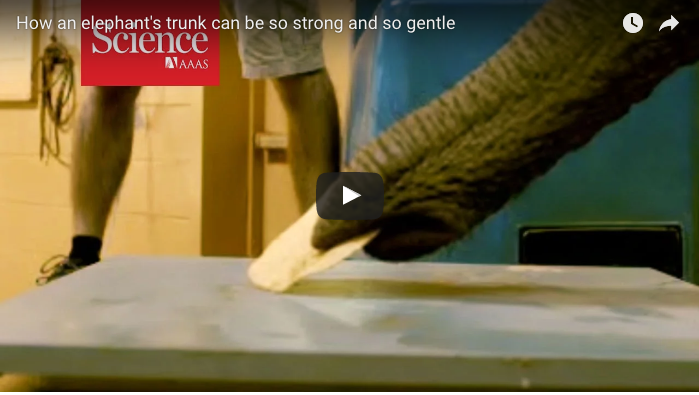
    This incredible video features footage of an elephant gently picking up a tortilla chip with such delicacy that she didn’t break it — a truly amazing measure of elephants’ strength and grace.

  • Two Great Ways to Support ERNA!

    Two Great Ways to Support ERNA!

    CoCre homepage imageTwo terrific fundraising sites are supporting the Elephant Refuge North America (ERNA) fundraising campaign.

    The Animal Rescue site is offering an opportunity to support ERNA and have your donation doubled! For a limited time, a generous donor will match your $8 donation, which will pay for two feet fencing, up to $15,000! Don’t wait – donate today!

    The CoCre website is a storytelling platform to raise awareness and resources for good causes and organizations. The site has launched a fundraising campaign to support ERNA.

  • National Geographic Features EAI

    National Geographic Features EAI

    img_8428_carol-interviewed-by-nat-geo_med

    A new feature in National Geographic, “Captive Elephants Freed From a Life in Chains highlights EAI’s work in Nepal. Carol tells the magazine that “getting [the elephants] ‘chain-free and pain free’ is a start toward improving the lives of captive elephants across Asia.’”

    Read the story and watch the video.

  • Unchained: New Documentary on EAI

    Unchained: New Documentary on EAI

    unchained poster

    A new documentary on the work of Carol Buckley and EAI improving elephant welfare throughout Asia has been selected for the 15th annual Wild & Scenic Film Festival.

    unchained_wild-scenic-festival

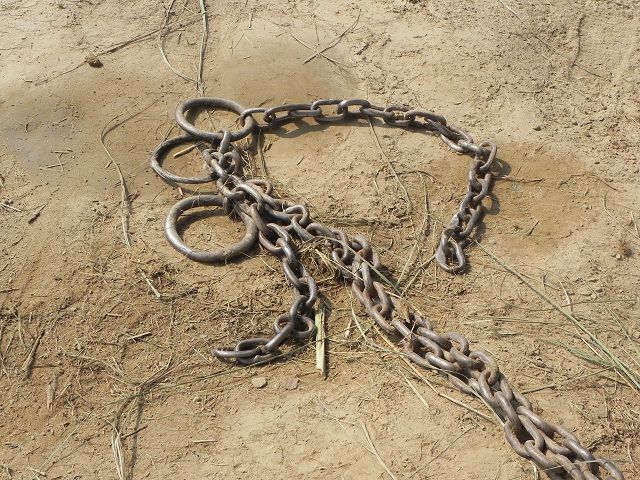
    “Unchained” follows Carol and her team in their quest to enhance captive elephant welfare in Nepal. Using gentle persuasion and showing by example that there is a better way to treat elephants in captivity, Carol takes a phased, pragmatic approach to changing attitudes that relies on winning the buy-in of owners and mahouts (elephant handlers).

    Watch the trailer.

    Learn more from the Unchained Facebook page.

  • Carol Interviewed by National Geographic

    Carol Interviewed by National Geographic

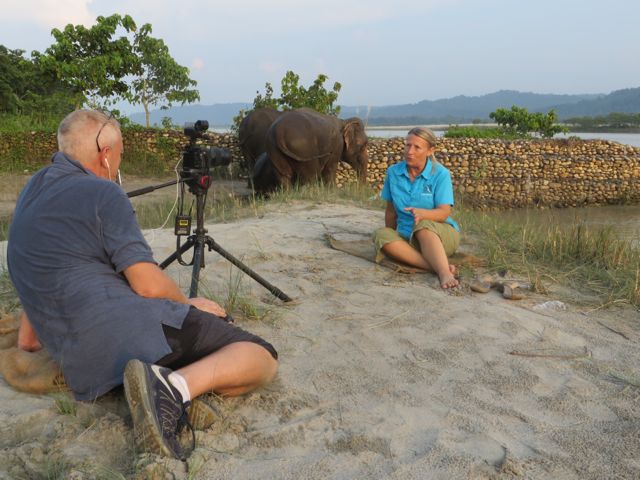
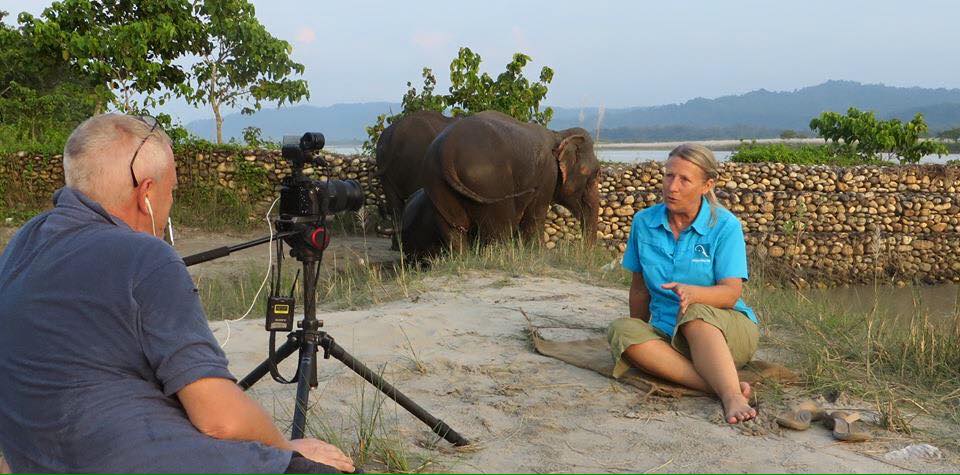
    Carol interviewed at Tiger TopsDavid Clark, a National Geographic film maker, visited Tiger Tops this week, documenting Carol’s work with elephants in Nepal and at Tiger Tops. Elephants Hira Kali, Sarswoti Kali and Sandra Kali showed off in the water during the interview, while Sita Kali and Gulab Kali weren’t fazed by the limelight and sauntered off to find some greenery.

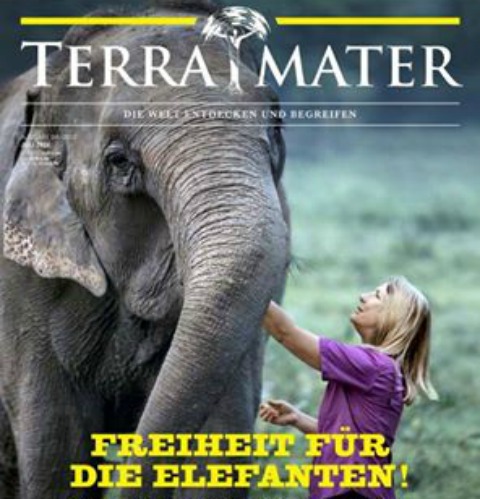
  • Terra Mater Magazine Covers Carol’s Work in Nepal

    Terra Mater Magazine Covers Carol’s Work in Nepal

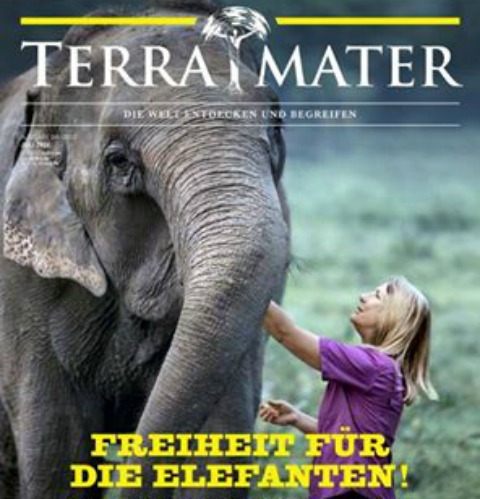
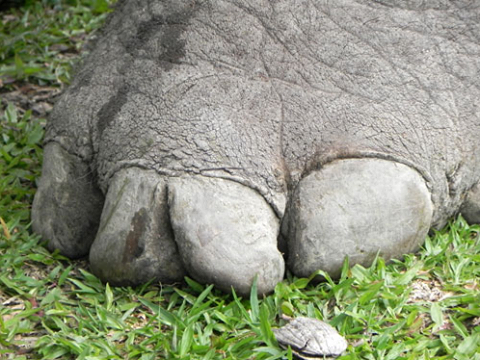
    Earlier this year, Terra Mater Magazine, Austria’s equivalent to National Geographic, sent a writer and photographer to cover Carol’s work in Nepal. Read the article in English or the original German (even if you don’t read German, you may want to look at the wonderful photos).eai1Many of the elephants used for elephant back safaris suffer from severe nail splits.

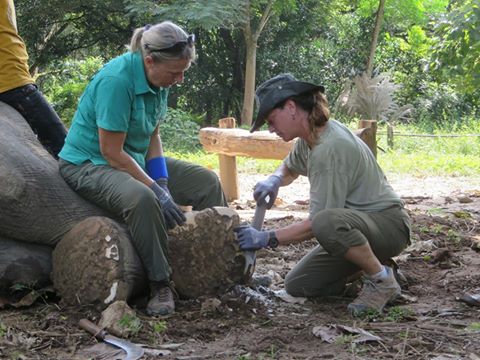
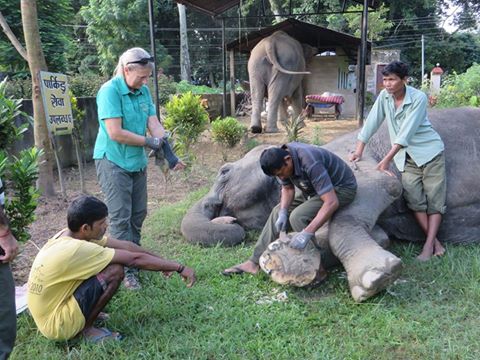
    eai2Carol and a team of volunteers began EAI’s bi-annual foot trimming in Sauraha this morning. The mahouts’ trimming skill level is measurably improved.

    eai3As of yesterday, the Elephant Refuge North America (ERNA) fundraising total is at $871,565.39. Your donations will help make this elephant paradise a reality!

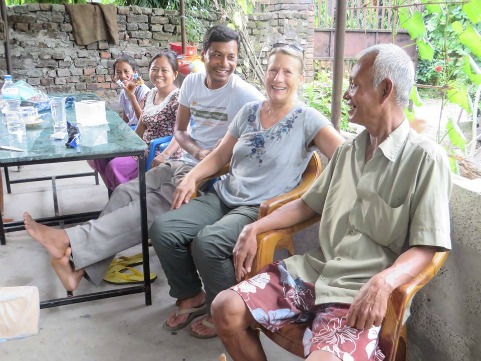
    eai4Carol visiting with her Nepali family in Sauraha. From left to right: nanu (a term of endearment for a little girl), Shanti, Raju, Carol and Paspat (who is the elephant supervisor of National Trust for Nature Conservation).

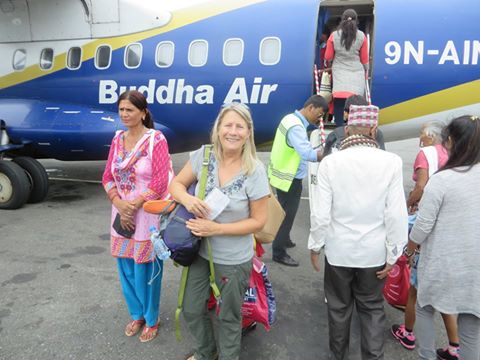
    eai5Carol boarding the plane from Kathmandu to Bharatpur on the way to foot trimming in Chitwan.

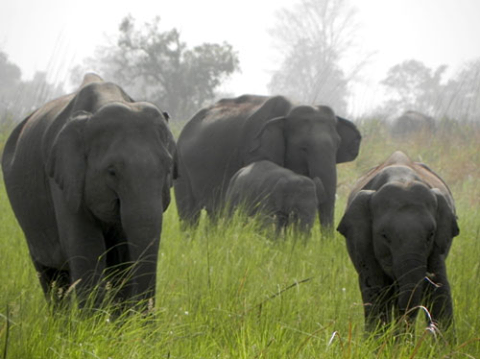
    eai-6“Nature’s great masterpiece, an elephant; the only harmless great thing.” — John Donne. But in today’s world, in response to the stress humans place on elephants in the wild and in captivity, elephants act out in ways contrary to their majestic nature.

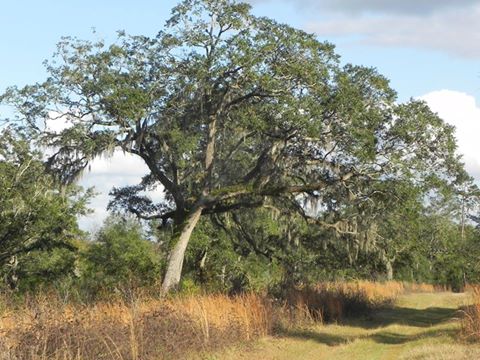
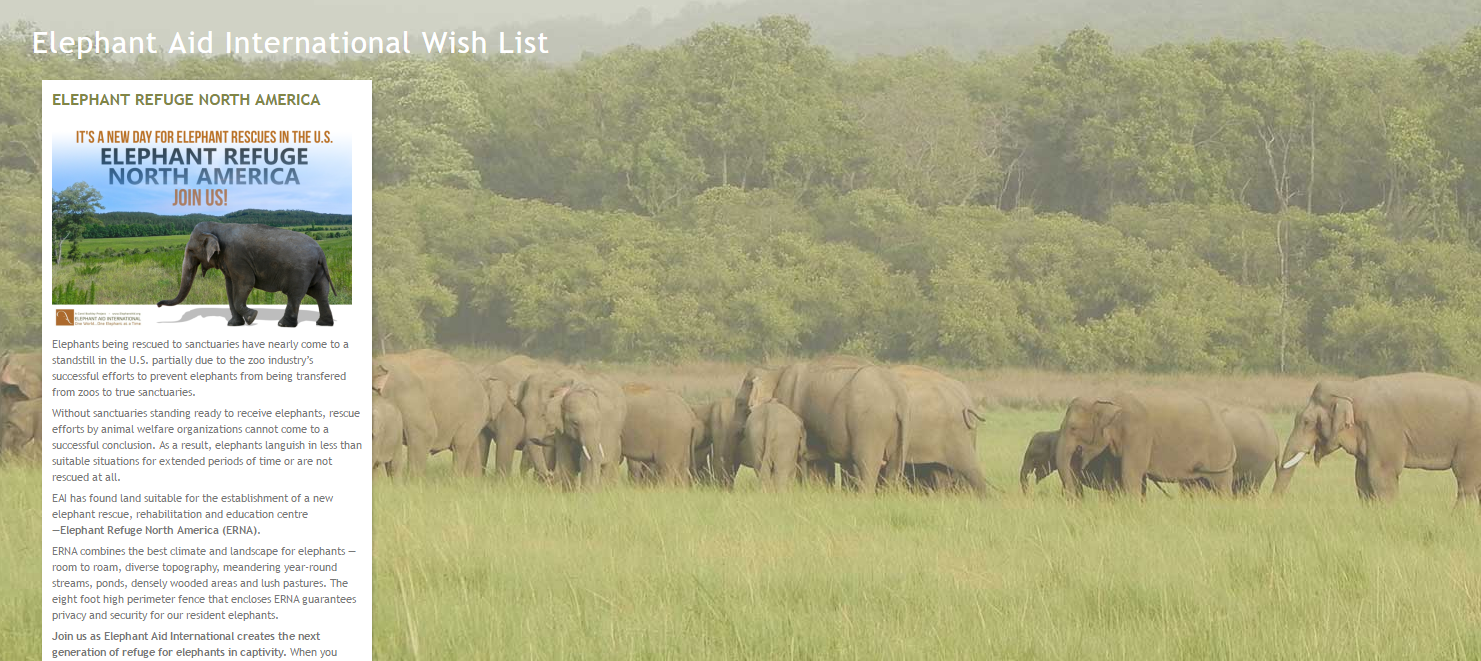
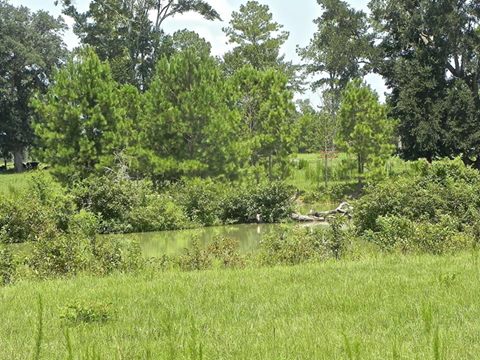
    eaiThe Elephant Refuge North America (ERNA) land is an elephant paradise, featuring 850 acres of pastures, lakes, and forests.

    And did you know that:

    • Over the last 6 years, EAI has freed 106 captive-held elephants from chains in Nepal, Thailand and India.
    • EAI designed and built the first solar powered chain-free corral in Asia.


  • The Escrow Contract is Signed

    The Escrow Contract is Signed


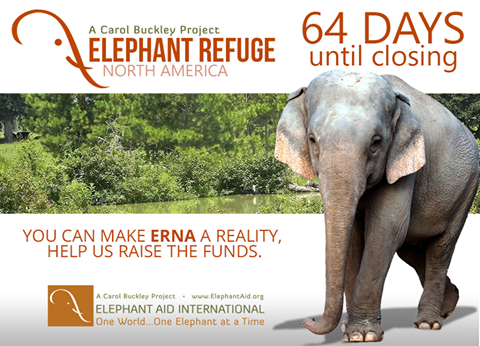
     The escrow contract is signed! 75 days until closing. Elephant Refuge North America will build on what has come before, providing additional options for elephant rescues and retirement. Please participate in this grass roots project to create the next generation of elephant sanctuaries.

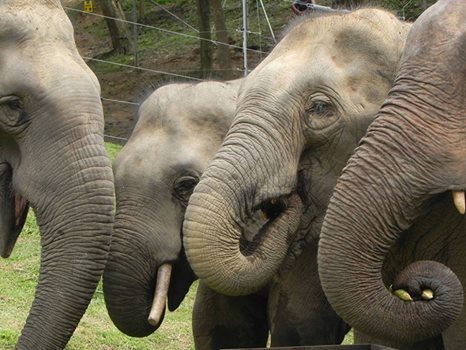
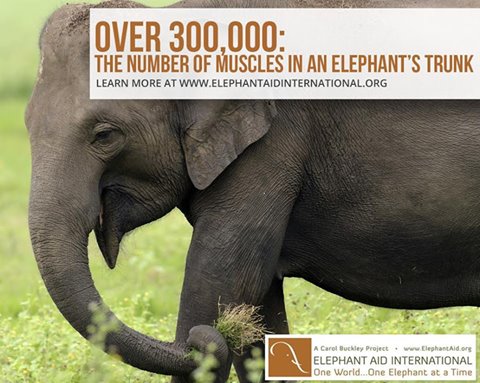
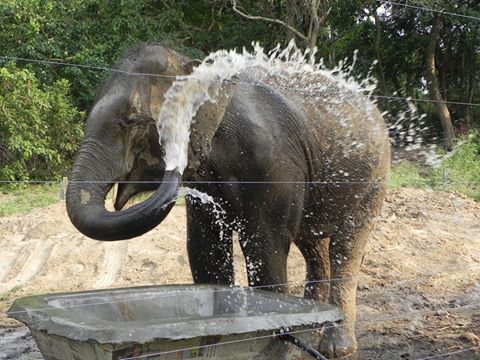
    Did you know: There are over 300,000 muscles in an elephant’s trunk. Elephants’ strong trunks help them navigate through life, aiding in the ability to eat, bathe and protect themselves.

    This magnificent beauty is happy to be bathing chain-free.

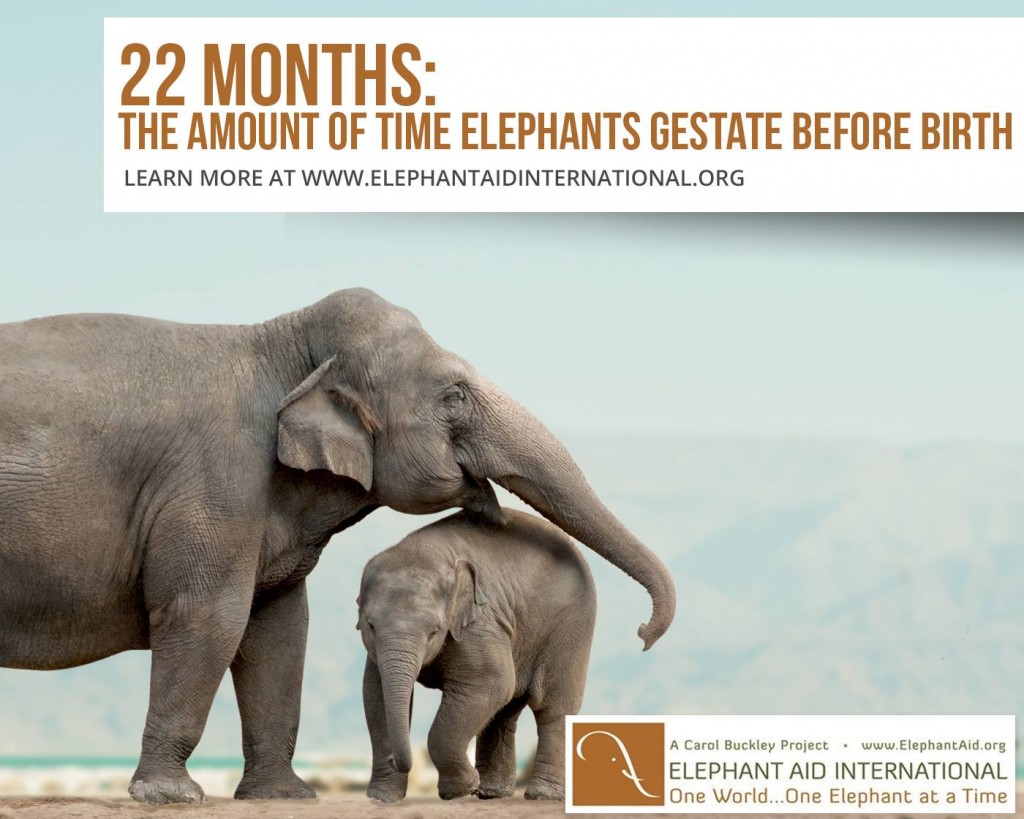
    Did you know: Elephants gestate for 22 months before birth.


    “Until one has loved an animal, a part of one’s soul remains unawakened.” — Anatole France

  • In Memory of Hanako

    In Memory of Hanako

    When I met Hanako less than two months ago, it was obvious to me that she was nearing the end of her life.

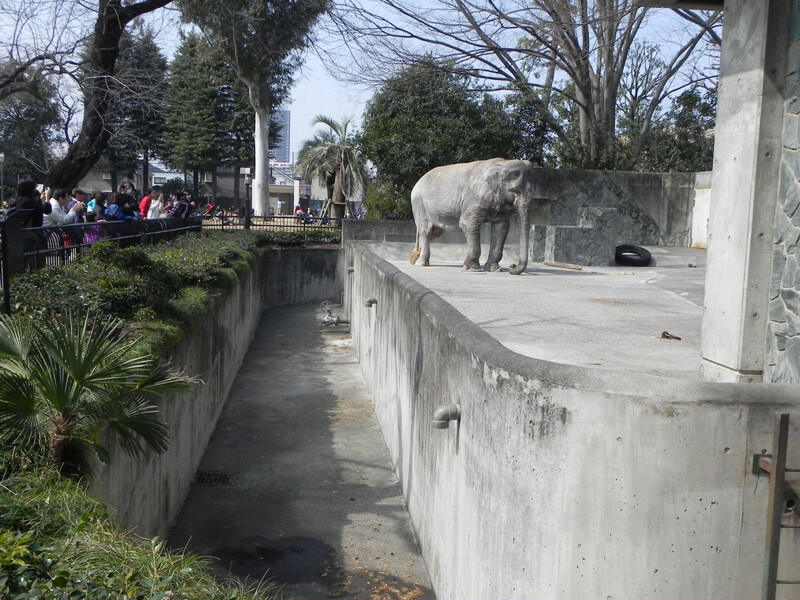
    Hanako had spent close to seven decades in one of the most deprived environments I’ve seen.

    Every surface in her barn and yard was covered with unyielding, moisture-robbing, highly abrasive concrete. There was not a blade of grass, a tree or a patch of dirt anywhere in the small space.

    While at the zoo I learned that Hanako had recently stopped lying down to sleep. Instead of spending several hours each night on her side sleeping, she spent a lesser amount of time leaning against the barn wall, dozing.

    After studying her records it was clear that Hanako’s appetite and drinking habits had also changed. The times when she would refuse to eat grew more and more frequent.

    Hanako also refused to use her outside pool or allow her keepers to bathe her. As result her skin was dehydrated and her legs were stained with urine.

    The staff could not account for these changes in Hanako’s behavior. But such changes are to be expected of an elephant of Hanako’s age.

    It was heartbreaking to observe that her eyesight was failing, she shivered continually and she was physically inactive.

    Each morning, until at least a month before her death, Hanako would walk the few feet from the barn to the outside concrete yard. There she would stand and engage in stereotypical behavior for hours before taking the few labored steps back inside her barn at the end of the day.

    My first afternoon at the zoo I witnessed a change in Hanako’s behavior. Without any obvious provocation she seemed to startle from her catatonic state and began moving around her small yard.

    Then the barn door opened and she became vocal and animated. She approached the door, placed her foot in the track and engaged in the most bizarre stereotypic routine I’d ever seen.  She pushed her toe into the track, pulled back as if her foot was caught in it, removed her foot and then repeated the sequence twelve times. Keepers later told me she did this stereotypical sequence every time before she entered the barn. Not always twelve times—sometimes more, sometimes less.

    After completing her stereotypic ritual, Hanako rushed into the barn, moving with an uncharacteristic urgency as if someone was trying to keep her from entering. Her eyes lit up and she became very vocal.

    I assumed she was excited about the pile of fresh vegetables and grass on the floor. But it was not the food. It was her keepers she was focused on.

    Hanako was obviously excited to see her keepers and anxious for them to pet her. She offered her foot through the steel bars that divided the elephant and keeper spaces, leaned up against the bars and turned to receive pets on her backside and hip.

    She chattered to her keepers the entire time, soliciting and savoring their every touch. This was a side of Hanako I had not seen—her comfort with and attachment to her keepers.

    The keepers appeared to enjoy the interaction as well. But fifteen minutes later, Hanako’s allocated social time was over. As the keepers turned their attention to barn duties, I watched as Hanako slipped back into her detached state of mind.

    The thermostat was set, water barrel checked, food swept into a neat pile, lights turned off, doors closed and keepers gone again until tomorrow. Once again Hanako was alone.

    Failed by the system

    Hanako was denied a natural life of freedom with her natal family simply because humans are intrigued by this species. But humans failed her time and time again.

    Even if they wanted to, the zoo staff was unable to evaluate Hanako’s health scientifically. Hanako and her keepers weren’t trained to carry out basic health checks and her antiquated facilities did not provide a safe environment for medical testing or treatment. Aside from tranquilizing Hanako, there was no safe way to compile a comprehensive medical work up.

    The government owns and runs all the zoos in Japan. The keepers are rotated throughout the zoo system, transferred to a different zoo every two years. Knowing the social complexity of elephants, having keepers rotate in and out of Hanako’s life so often would have been stressful, even traumatic.

    Decades ago Hanako had an extremely close relationship with one of her keepers. After he died she reportedly became aggressive and as result was kept chained for a length of time.

    It is reasonable to assume that Hanako suffered both physically and psychologically from her lack of companionship and physical activity. In Hanako’s case, her social isolation was the most detrimental. But the damage inflicted on her by her isolation was never measured.

    Taking comfort in the familiar

    Hanako had a decades-long reputation of reacting negatively to changes in her facility and routine. As she aged, her tendency to be inflexible increased.

    Weeks before Hankako died, the zoo installed a safety fence on the outside wall of her barn. Their hope was that by providing a secure outside space, the keepers and Hanako would spend more quality time together, something we all agreed would benefit her. Although the fence was not one of my recommendations, I completely understood why the zoo made the effort.

    Unfortunately, directly following fence construction, Hanako refused to leave her barn. Since the construction was the most obvious change in Hanako’s life, it was blamed for her behavior.

    In her tender psychological state Hanako might have been frightened and even traumatized by the noisy power tools drilling into the wall of her barn. The noise and vibrations most certainly could be heard and felt by Hanako, locked inside. Although it is reasonable to believe she was upset by the construction, another scenario should also be considered.

    Hanako was dying, growing weaker day by day. Apparently she derived comfort from being inside her barn. She could conserve energy she would otherwise have wasted walking out to a barren yard that provided neither shade nor shelter from the cold. In her condition, the barn was likely the most comfortable place for her.

    Too late for Hanako but not for other elephants

    The zoo said that a necropsy will be conducted. The results will most likely point to death by natural causes. It is true that Hanako’s body condition was good for an elephant of her age, but there is no way to determine what her emotional and psychological condition were.

    Against all odds, Hanako lived to the ripe old age of 69. Surprisingly, she was not emaciated or crippled and did not develop osteomyelitis or the pressure wounds that are so common among elephants kept on concrete. But even though her body served her well, captivity took its toll on her heart and mind.

    Hanako’s celebrity increased near the end of her life as she became the focus of a worldwide effort to move her. It’s unfortunate her deprived existence didn’t come to light five years ago, ten years ago or even two decades ago, when she could have benefited from being moved.

    But, although Hanako did not benefit personally from her celebrity, other elephants will.

    Immediately after Hanako’s death the zoo announced the good news that it will not replace her with another elephant.

    The truth is that Hanako is irreplaceable.