Tag: elephants

  • Bo’s Busy Browsing!

    Bo’s Busy Browsing!

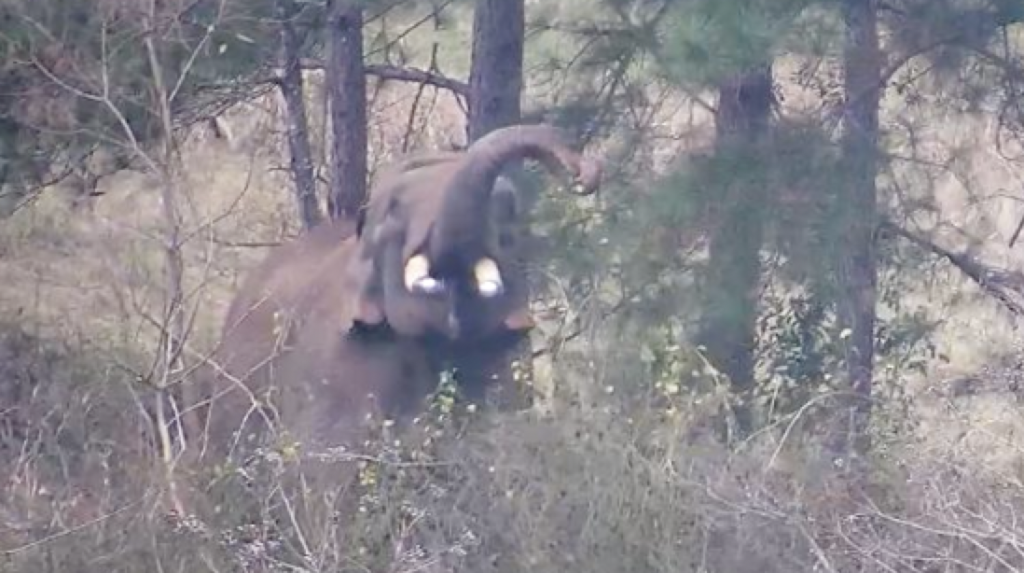
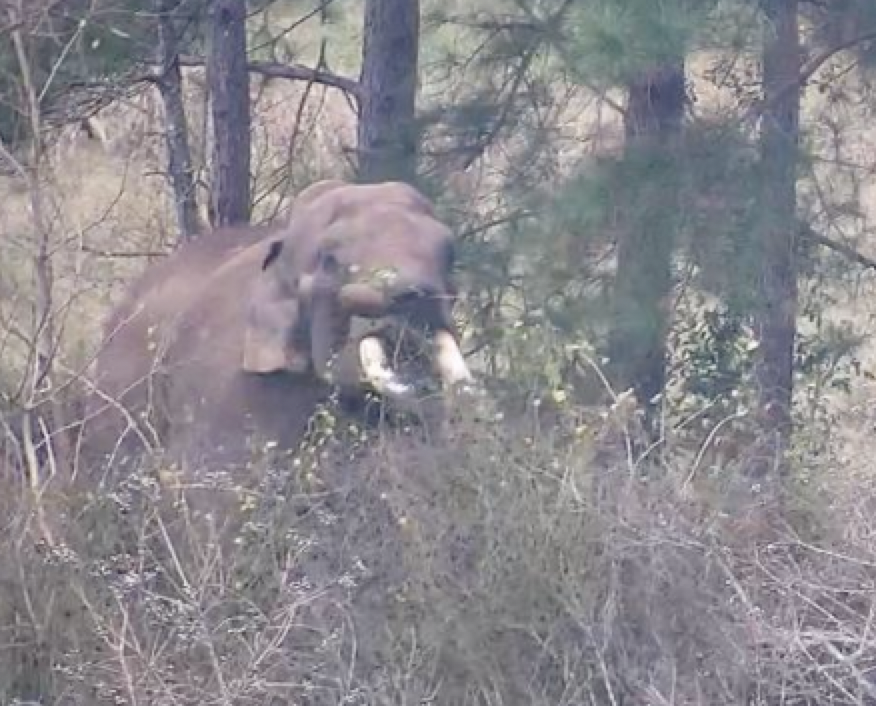
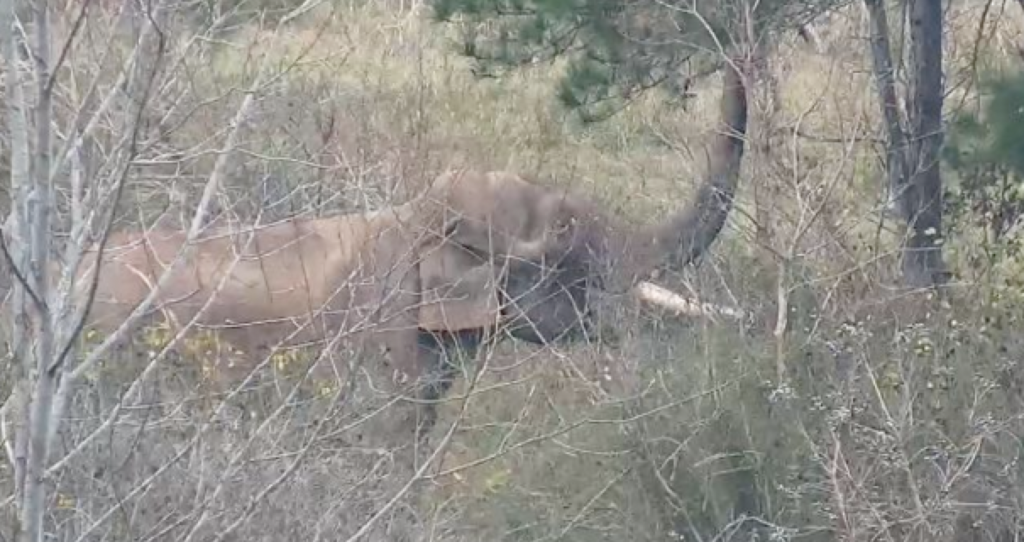
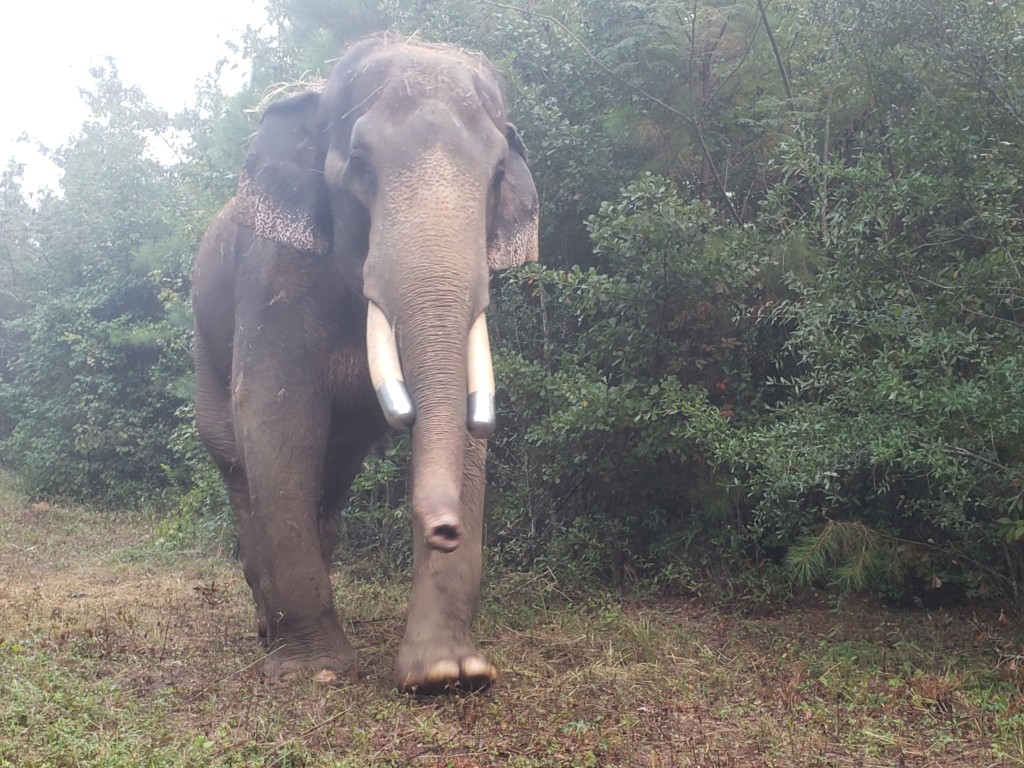
    Anyone watching Tarra and Bo on the EleCam today finally got to see what Bo does when he’s at the migratory bird pond.

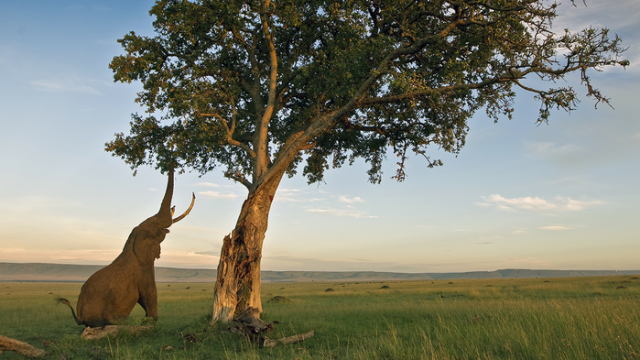
    Today he was browsing. It was fascinating to watch him rummage around and through the variety of live vegetation of bushes, trees and vines. Imagine his wonder in realizing this is food, there for him to eat at any time.

    Freedom of choice is not limited to where Bo wanders and who he socializes with. It includes what he eats as well. Selecting, collecting and eating is a fulltime job for an elephant. In nature, elephants are known to engage in eating activity nearly 20 hours of the day. And Bo proves this to be true.

    Until today I’d not been able to observe Bo browsing. I must admit that I was seriously impressed by his grazing skills immediately upon his arrival in September. I guess with so much grass to graze, browsing was not a priority. But with cooler weather the grasses are becoming dormant, shifting the eating option to browsing.

    I suspect that browsing takes an added set of skills. The first is recognizing that those bushes that block your path, the vines that catch on your ears and head and the tree branches that you thought were simply for scratching are also delicious and nutritious food.

    Today was thrilling because Bo was in full Elecam sight for an extended time while he browsed. He demonstrated how he first selects and then collects the different vines, branches and bushes. Using his trunk, he grabbed his selection and tugged until it broke free. The vines appeared to be the greatest challenge since they were wound around bushes and tree branches and difficult to break. But Bo’s persistence won out and he browsed to his tummy’s content.

    Oh, the lessons they teach us if we take the time to observe!

    Bo the elephant finds a tasty snackBo the elephant at elephant refuge north america learns how to forageBo the elephant eating

  • A Flash In The Dark!

    A Flash In The Dark!

    Bo the elephant having fun racing

    Last night on my way to bring Tarra and Bo their night feed, I sped down the paved road which divides the 100 acres from the 750, deep in thought. A flash of light to my left caught my eye. It was Bo, the headlights of my UTV reflecting off his tusks. But he wasn’t just standing there grazing. I had to do a double take and realized he was racing the UTV. Squeaking and trumpeting with complete abandon, he was having so much fun! Of course, at that point so was I.

    What a sight he was, this magnificent playful giant, racing along the fence line shoulder to shoulder with me. No worries, he was on his side of the fence, and I was on mine.

    I broke out in laughter, encouraging him which only egged him on. His playful trumpets were deafening. I cannot imagine what the distant neighbors thought. Bo raced, and I raced, and when we arrived at the barn, he let out a series of powerful trumpets and spun in a triumphant circle dance…I guess he won!

  • A Tribute to Mel Kali

    A Tribute to Mel Kali

    In 2013, Mel Kali, the senior member of the National Trust for Nature Conservation’s elephant herd, fell ill. It was winter, it was cold and she was suffering from pneumonia.

    Being in her early 70s and in poor body condition, her prognosis was not good. In fact, staff told me there was nothing they could do and that she was dying.

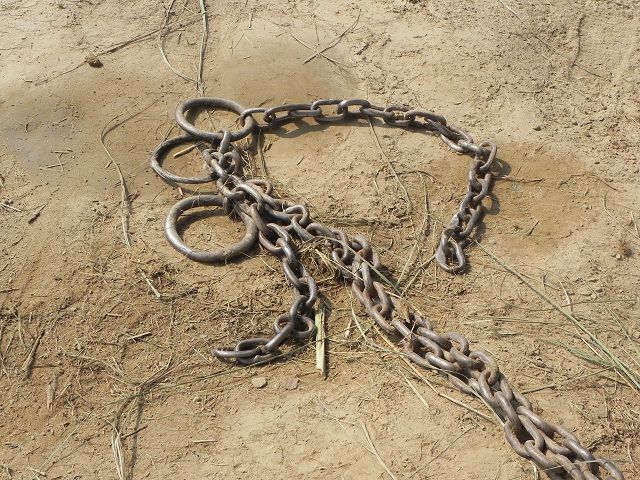
    Mel Kali’s chain-free corral had been completed only recently. It struck me that after all her years of service she wouldn’t benefit from her new found physical freedom. I was overcome at the thought that nothing could be done medically to ease her pain or address her condition.

    Mel Kali had served the Trust well for decades, performing daily anti-poaching surveillance, transporting wildlife researchers and generating funds by providing tourist rides. She was mentioned in many research papers and was even featured in a book, which noted her bravery when encountering tigers inside Chitwan National Park.

    It saddened me that Mel Kali would be allowed to suffer and die without any effort to ease her pain. I felt helpless and ineffective.

    A new plan

    As I sat watching Mel Kali, I knew I wanted to help her one more time. I had a good relationship with the mahouts and knew that if I asked, they would convince management to let me arrange for treatment for her. Even if she did not survive, she would not suffer.

    The mahouts could see I was distraught. But when they tried to comfort me by saying there was nothing we could do, I told them of my plan. All were immediately on board.

    I arranged for the best veterinary care available — Kiran Rijal, a local vet tech under the direction of senior government veterinarian Dr. Gairhe.

    Within hours Mel Kali’s corral was abuzz with mahouts, veterinary assistance and hope. We were all working together to help her. Her mahout sat on top of her head holding bags of meds and fluids while Kiran attached intravenous drips to the veins in the back of her ears. We administered vitamins and antibiotics to help her fight off the infection that threatened to take her life. And Shanti Chaudhary, head mahout Paspat’s daughter-in-law and a dear friend of mine, sat down at her sewing machine to create a blanket to keep Mel warm.
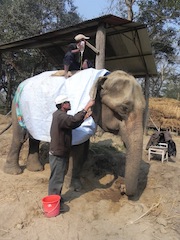
    The energy in the hattisar (elephant stable) was alive with hope and camaraderie. Any sense of helplessness was gone. We were united in our effort to help Mel Kali, who was cooperative in every way. There is no doubt she was aware we were doing all we could to help her.

    After three days of around-the-clock care it was obvious that Mel was going to recover. So much had changed. In addition to administering medicine, fluids and supplements, we reevaluated Mel’s diet. We added extra rations, including a giant cauldron of cooked rice with molasses and gram, a source of protein, to put weight back on her emaciated body.

    EAI put out a call for help and our supporters responded generously. Their donations paid for Mel Kali’s medical treatments, blanket and daily rice and molasses rations for the next many months.

    But what followed next was a surprise, without question the most exciting thing to come from her recovery.

    Mel Kali was officially retired.

    Retired and thriving

    The action was unprecedented. Mel Kali was the first elephant in the history of Nepal to be retired. No longer would she give elephant rides. No longer would she be used as a transport vehicle for researchers. And no longer would she spend long days engaged in anti-poaching patrols. Instead, Mel Kali was to begin a new chapter in her life as a free roaming elephant.

    Once she was fully recovered, Mel Kali was escorted to the banks of the Rapti River, a short distance from her hattisar, each morning. Then her mahout-escort would say, “Okay go, you’re free.”

    Without hesitation Mel Kali would wade into the middle of the river and pause to take several refreshing drinks before continuing to cross into Chitwan National Park. She had no escort, no mahout, no riders, no one to direct her movement or dictate her actions. She had complete autonomy to do whatever she wanted.
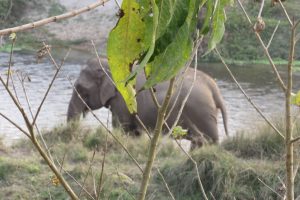
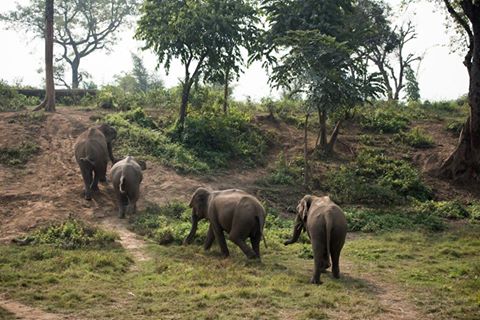
    What she wanted was to disappear into the dense jungle each and every day. She was free to wander for the rest of the day and even overnight if she so desired. Many days she could be seen in the company of Renaldo, the resident wild bull elephant. It seems they enjoyed each other’s company.
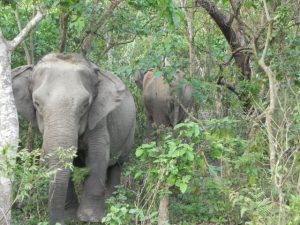
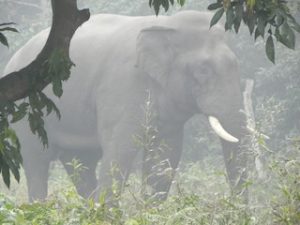
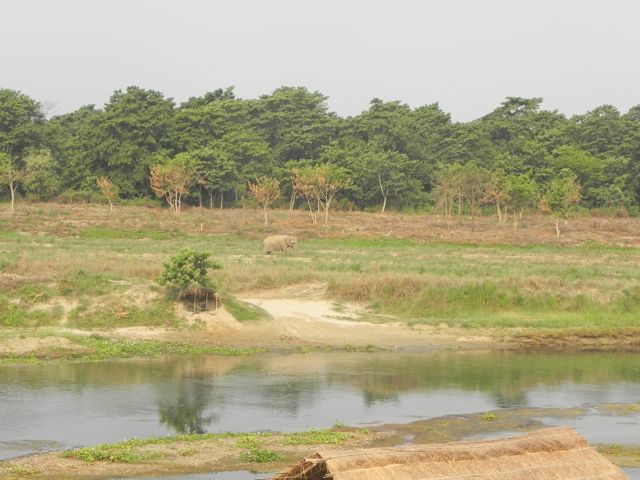
    Five adventure-filled years later, Mel Kali continues to thrive. Most evenings she returns to the hattisar on her own. As she approaches the riverside tourists point and exclaim in excitement, “Jungle hatti!” (wild elephant), unaware that Mel Kali is not wild. She wades across the river, scales the embankment (avoiding the curious tourists) and makes her way to the back side of her corral. Many times she has to stop on the narrow dirt footpath until awestruck tourists scamper out of the way. Never does she show aggression or pay any attention to the two-leggeds snapping selfies as she passes by.
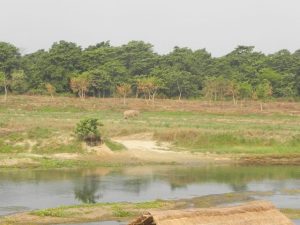
    In anticipation of her return, a mahout stands ready to open the gate to her corral.

    Like a queen returning to her throne, Mel ambles to the front of her spacious chain-free corral to partake of her cauldron of freshly cooked rice and molasses, a treat that her mahouts enjoy providing as much as she enjoys eating.

    Five years ago when Mel Kali fell ill, no one expected her to live past a few months. No one expected her to gain weight and the confidence to live free. No one expected to see her spend every day free of human dominance.

    No one but me.

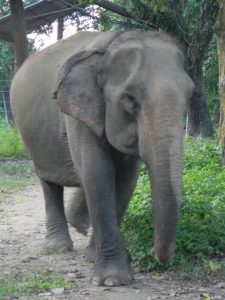
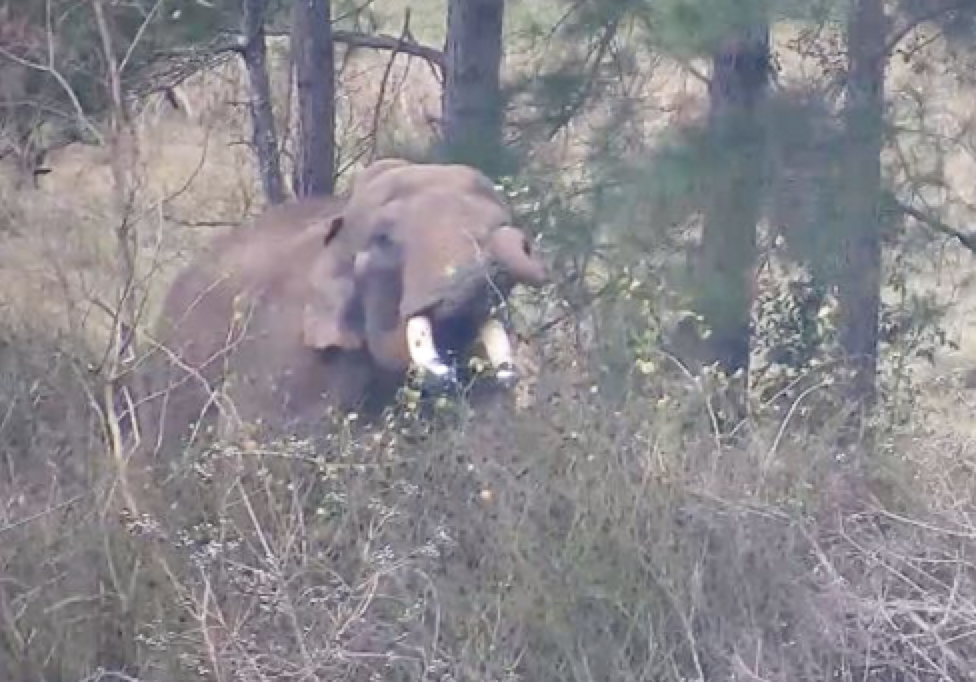
    Today Mel Kali is not only the most famous elephant in all of Chitwan National Park, she is also known as the healthiest elephant in the region. She is living a new model in the world of captive-held elephants, a model that respects her lifetime of service and recognizes that freedom from human control is her birthright.
  • Flashback Photo!

    Flashback Photo!

    The next volunteer date will be June 17th. Sign up today!


    We are still fundraising for the elephant fence for ERNA. We are so grateful for those who have donated and shared our posts to spread the word! The sooner we build the fence, the sooner the elephants will arrive. Select Elephant Refuge North America on the Donate page.


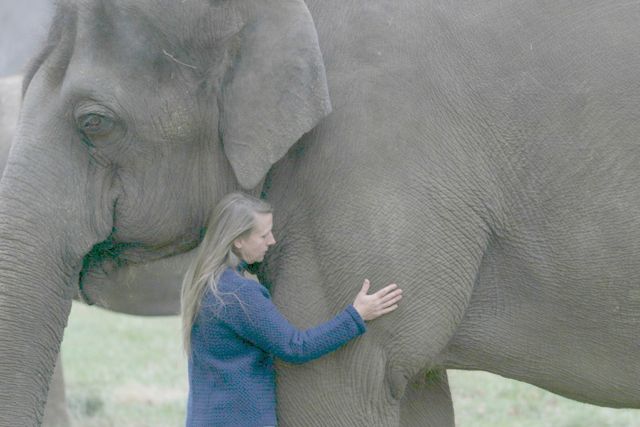
    Carol: “The reality is that the captive-held elephant is a shell of her/his self. Everything about their life is dominated… And what that does in a highly developed and intelligent mind is it creates a syndrome called ‘learned helplessness.’ This condition is a result of continual, long-term abuse by a caregiver who also provides what the animal needs to survive.”


    Carol & BLES chain-free corral
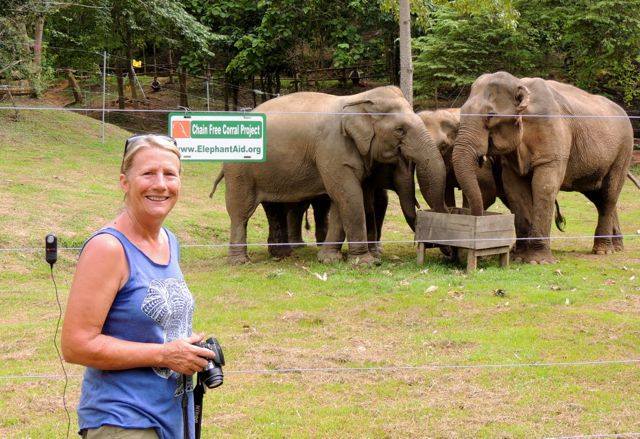
    Did you know? Due to EAI’s efforts, The Nepal government is committed to all its female elephants at its 15 elephant facilities living chain-free. Learn more about chain-free.


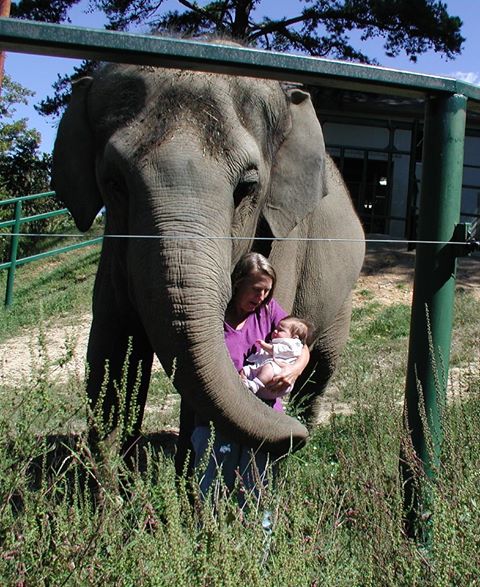
    Flashback to this sweet photo. Tarra meeting her cousin Brooke for the first time in 2004. Elephants are such kind, gentle beings.


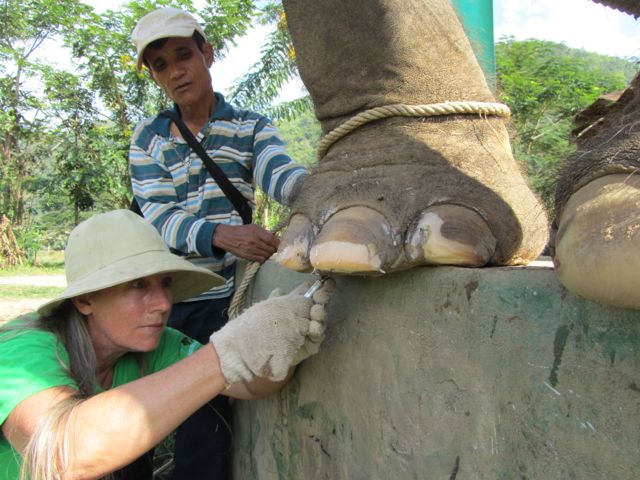
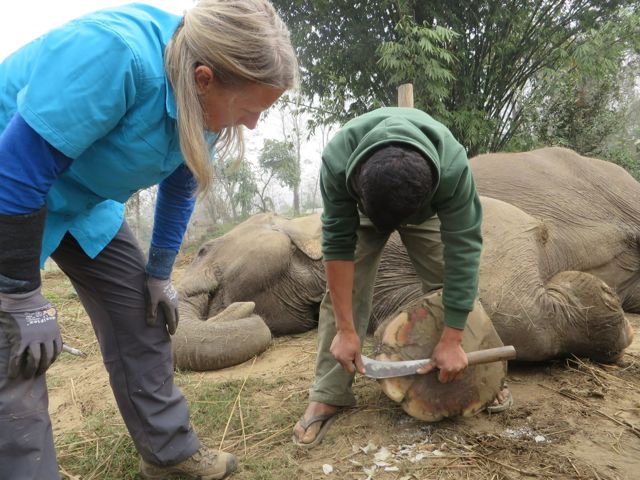
    Carol trimming feet on ramp @ ENP
    Foot trimming facilitates the overall health of elephants by preventing bone disease. The 2nd annual Foot Care Workshop will occur in Nepal in October. Learn more.

  • Top 5 Things to Know About ERNA

    Top 5 Things to Know About ERNA

    If you are unable to volunteer at ERNA this spring/summer, you can still help out! We need compassionate individuals to donate items from our Wish List. With your contribution, these items will be used prepare ERNA to be a perfect home for elephants. THANK YOU! View our Wish List here.


    Did you see this new study? Elephants help our ecosystem by transporting seeds to new locations through feces. Researchers found that African elephants can transport seeds in their feces up to 65 kilometers (40.4 miles) — farther than any other land animal.


    Check out the top 5 things you need to know about Elephant Refuge North America including details about its location, purpose and how many elephants will be thriving on the land.


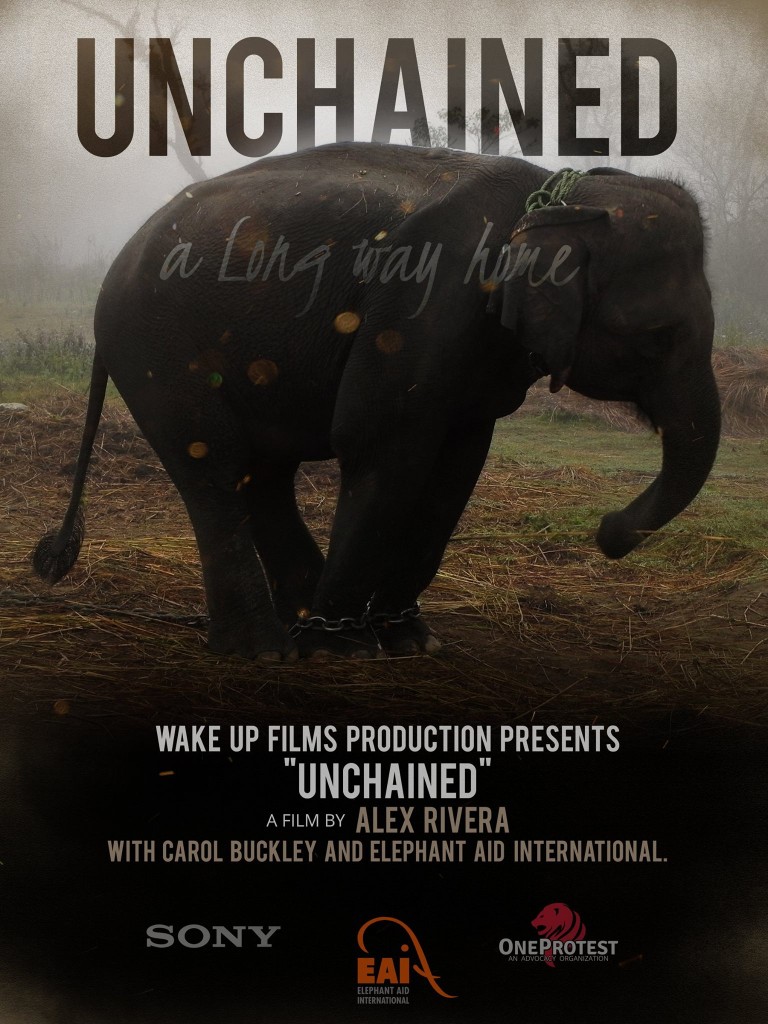
    unchained poster
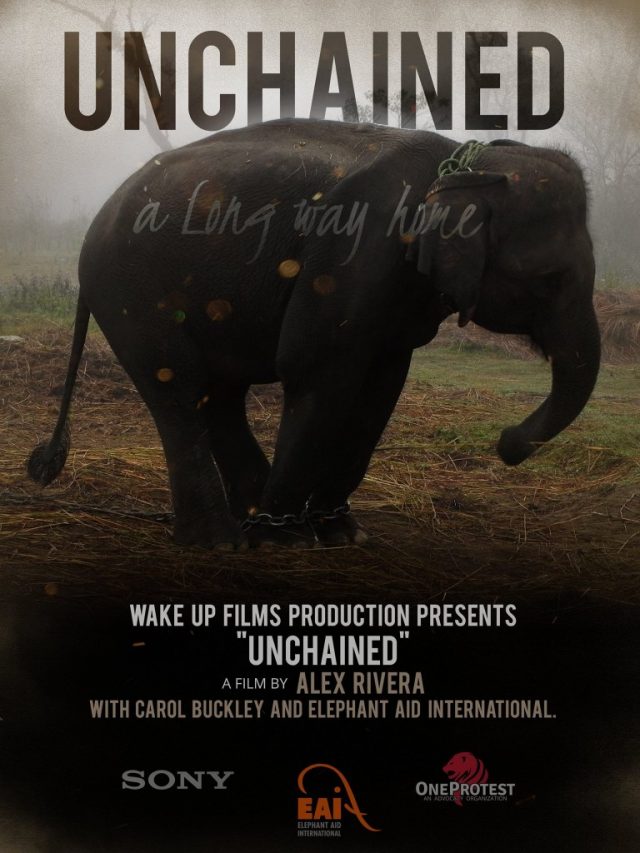
    UNCHAINED will be shown at the Enfoque International Film Festival in Puerto Rico June 14-17. Learn more about this important documentary here.


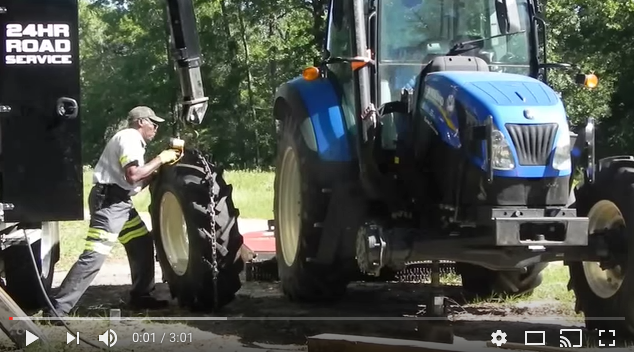
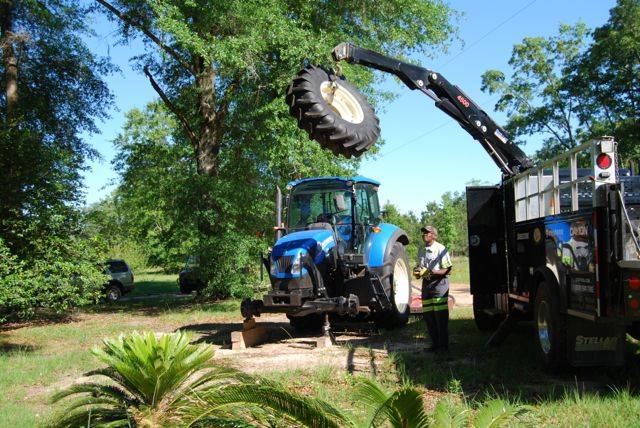
    Watch how it’s done. 700 pounds of tire lifted from the bed of the truck to the hub of Big Blue’s front axel.


    Big Blu has new shoes and is ready to head back out into the habitat, YAHOO! Thank you Martha Till, Wendy Adams and everyone who underwrote the cost to foam fill the tractor tires ensuring that we can continue our habitat restoration without experiencing continual tire punctures. Puncture-Free, we are so excited.

  • Thank You!

    Thank You!


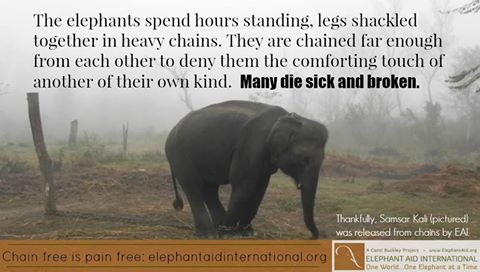
    This is why we are working hard to build Elephant Refuge North America: To provide a natural habitat refuge where elephants will thrive and recover from the traumas they’ve experienced. Elephants are not meant to suffer in chains. Show your support by donating to ERNA today.


    Word is the Zoo announced they will go Protected Contact by next year. That is good news. Carol reviewed footage of alleged abuse of elephants at Hanover Zoo. In her review, she concluded that the elephants are living under a constant threat at the zoo, and have been suffering from learned helplessness due to the frequent, painful physical punishment and daily emotional stress. Read more here.


    In this article, Carol answers frequently asked questions. She addresses why ERNA — like other sanctuaries — will not be open to the public, as it helps eliminate “the most negative aspect of a captive elephants life; which is to be on exhibit. If your goal is to have the animal on exhibit, then every decision that is made is around that focal point of exhibit, so then the elephants needs are secondary.”


    We are so grateful for the support we’ve received. Sending a big THANK YOU to our hardworking volunteers and selfless donors. You are a huge part of the journey toward turning the ERNA land into a perfect elephant home — we couldn’t do this without you. Click here to view our Wish List.


    Tiger Tops Elephant Camp celebrated its first birthday on April 3. It was our pleasure to design the chain free corrals that are part of the unforgettable experiences they provide, spearheading ethical elephant practices in Nepal.

  • ERNA Continues to Make Headlines

    ERNA Continues to Make Headlines

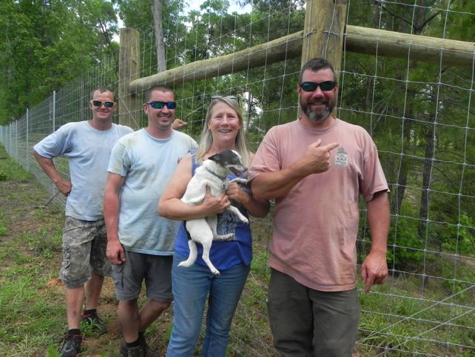
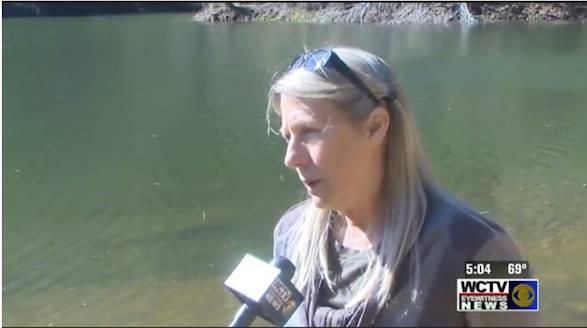
    The perimeter fence is shaping up and the media continues to cover progress at Elephant Refuge North America! Click here to view a broadcast video from WCTV.


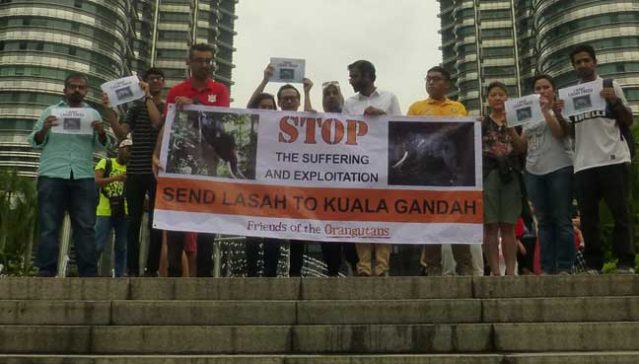
    An Asian elephant named Lasah is suffering continued abuse for tourism. Carol Buckley commented: “Lack of sleep and the inability to get off his feet is stress inducing and can compromise his immune system, make him frustrated, aggressive and prone to physical and emotional deterioration.” Click here to read the full article.


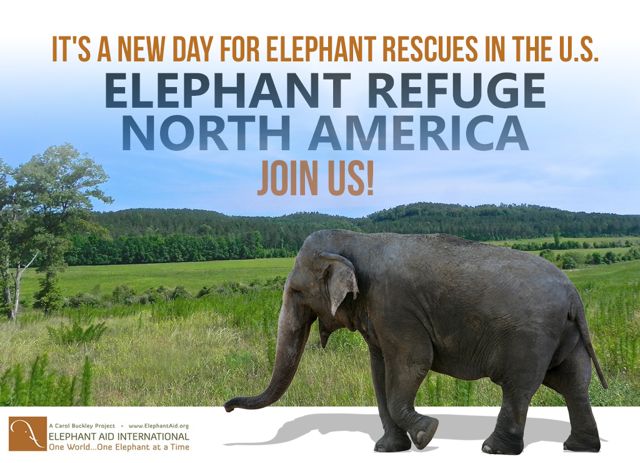
    ERNA join us
    When attempting to drive change and help a species, education is paramount. An important aspect of ERNA will be NON INVASIVE research to promote understanding of elephants — ultimately contributing to improved elephant welfare. Learn more about ERNA here.


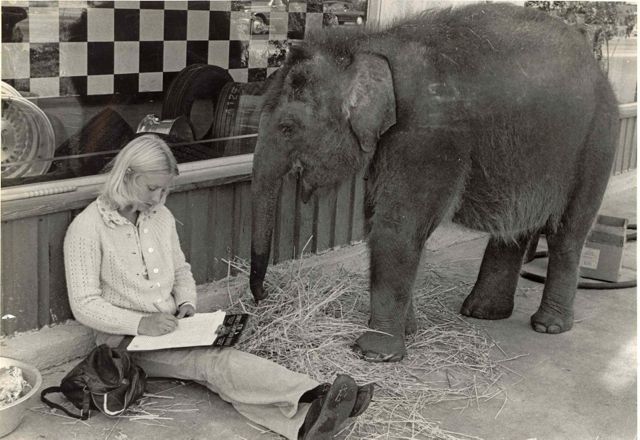
    Tarra & Carol tire store 1974
    Light of Consciousness released an article about the history of Carol Buckley and EAI. “One woman’s adoption of a baby elephant began a forty-two-year journey that has revolutionized the care and management of captive elephants worldwide.”


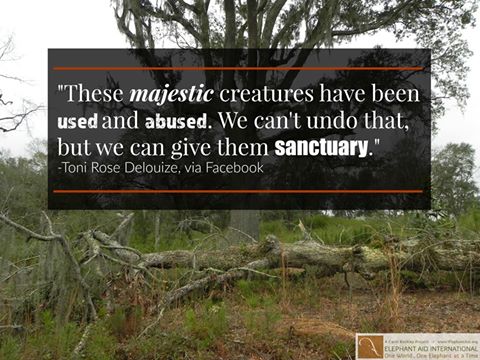
    As noted by Toni Rose Delouize, although we can’t take away the elephants’ pains from the past, we can give them hope for a new future.


    ERNA will aid in the improvement of elephant welfare by collaborating with governments around the world, as well as with elephant caregivers and elephant owners, to advocate for improved standards and practices for captive elephants.

  • ERNA Fencing Construction is Making Progress!

    ERNA Fencing Construction is Making Progress!

    Boon Lott's eles
    You can still donate to help ERNA today. We appreciate all of your support; every penny counts. Thank you so much.


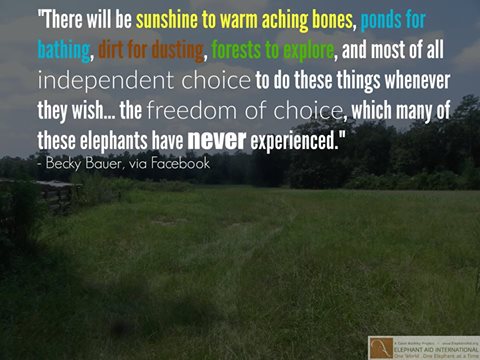
    Becky Bauer is excited for ERNA to provide rescued elephants with the “freedom of choice” to live their lives as they wish.


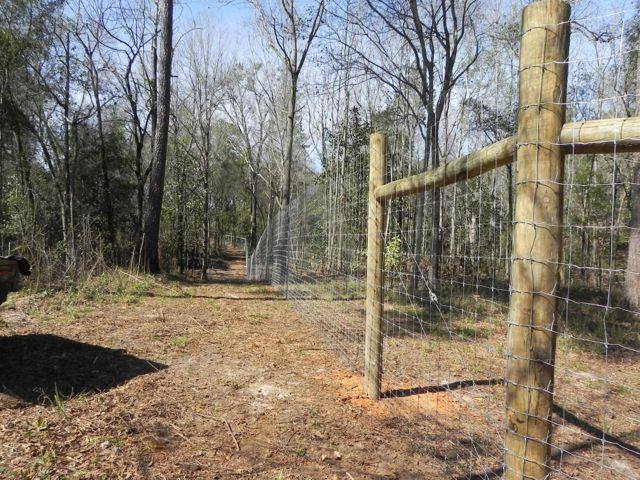
    The fence crew is here. Fence materials were delivered last week and the crew has already begun construction on the perimeter fence at Elephant Refuge North America. After the land purchase, which took place December 14, 2016, erecting the fence is the next step to realising our dream to provide a safe and healthy environment for captive-held elephants. This is your project as much as ours. Your continued support is needed and sincerely appreciated.


    Did you know: Carol Buckley has written multiple books; Travels With Tarra; Just for Elephants; and Tarra and Bella, the elephant and dog who became best friends. Last year, Dolly Parton’s Imagination Library chose Buckley’s book Tarra and Bella as a permanent addition to their library, sent to children turning five. Check it out on Amazon.


    Java does a great job of overseeing quality control. Neel Contracting is completing the fence line clearing today. Filling in an area that over the years has eroded is last on their list. Perimeter fence construction begins tomorrow! Follow up on Facebook to see more photos of our progress!


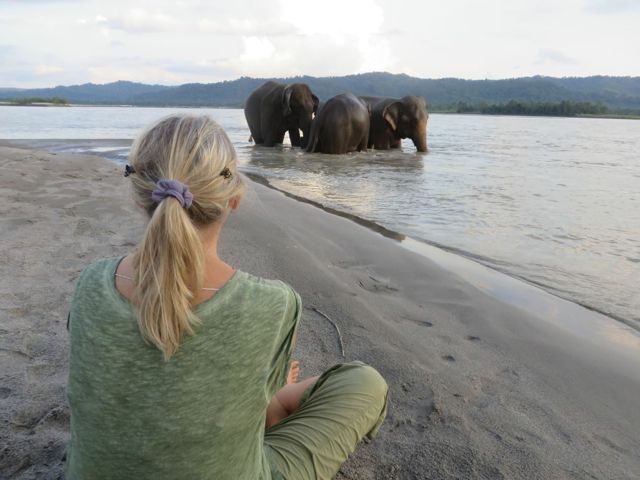
    Carol watching eles in lake
    Have you subscribed to our newsletter yet? That’s where we will be sending through ERNA updates and volunteer opportunities. If viewing the page on your mobile device, you can sign up for the newsletter by navigating to the EAI homepage and scrolling down until you see “SUBSCRIBE TO OUR E-NEWSLETTER.”

  • Thank You!


    We are so thankful for the support we have received from our community. The funding for the fence clearing was raised by the GreaterGood with a generous matching grant from Jeff and Janis Rosenthal. And the Nature Defense Foundation, under the direction of Sarah Shaw, funded the perimeter fence construction. We are on our way, in a big way!


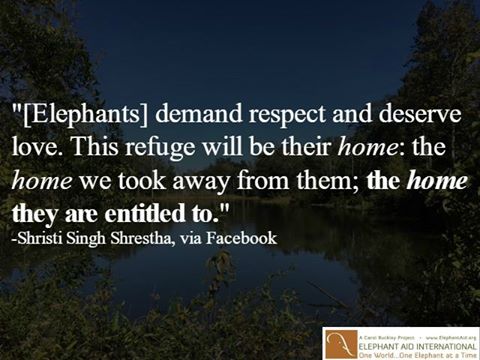
    Shristi Singh Shrestha’s comment about why she is excited for the development of ERNA: Elephants deserve a home.


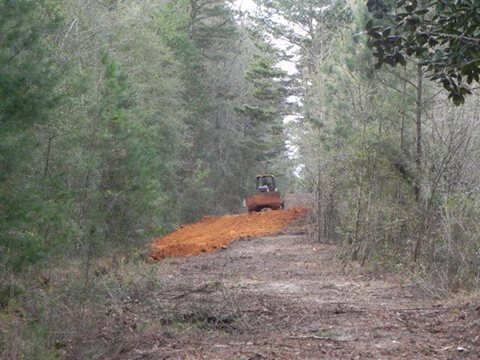
    The recent rains caused a bit of erosion at the creek crossing at ERNA, which we needed to repair. We will seed this area and cover with hay. In days the grasses will sprout and stabilise the soil.


    Carol watching mahout trim feet
    The Dodo video about EAI foot care.


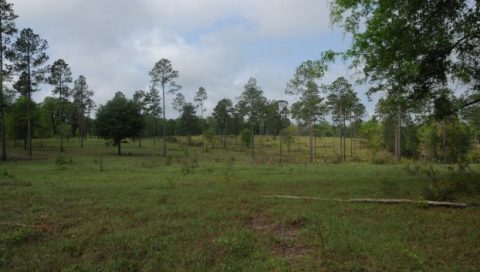
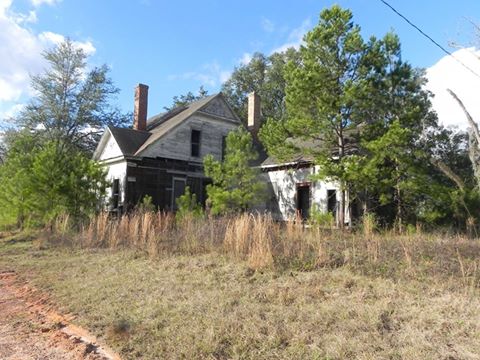
    This old house was found on the ERNA property. Would you participate in a volunteer day to salvage the tongue and grove wood siding?


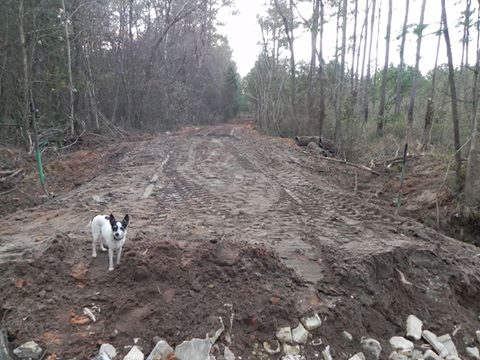
    This photo was snapped while repairing a creek crossing at ERNA. Can you spot the dog?

  • Clearing for Perimeter Fence Has Started


    Did you know: Carol Buckley was featured in Care2’s article “9 Women Who Are Saving the Planet” – alongside Jane Goodall and Dr. Sylvia Earle.

    unchained poster
    Want to learn more about the Unchained documentary, featuring the work of Carol Buckley and EAI? Follow the link here for more information and a trailer.


    Elephants are truly majestic beings. It’s an honor to be in their presence.


    We started clearing for the perimeter fence last Monday. The crew is making great progress. With any luck the fence crew will begin building in less than two weeks!


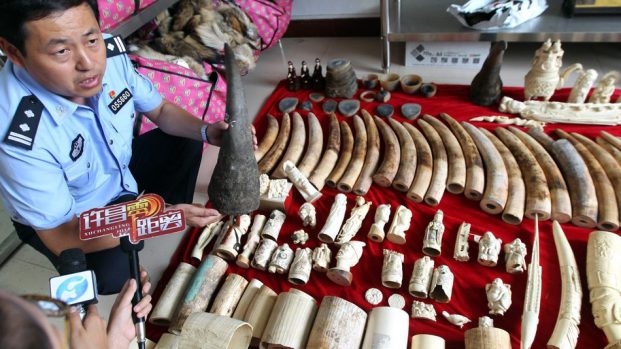
    Recently, China announced that they will begin making changes to shut down the commercial trade for ivory. According to this article, the move “could help elephant populations stabilize and recover in Africa.” However, there are concerns that poaching will begin to occur more frequently in other areas — but each step is still a step toward elephant conservation.


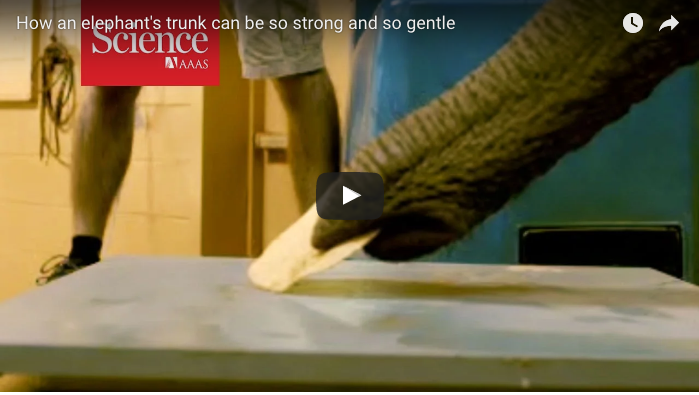
    This incredible video features footage of an elephant gently picking up a tortilla chip with such delicacy that she didn’t break it — a truly amazing measure of elephants’ strength and grace.

  • National Geographic Features EAI

    National Geographic Features EAI

    img_8428_carol-interviewed-by-nat-geo_med

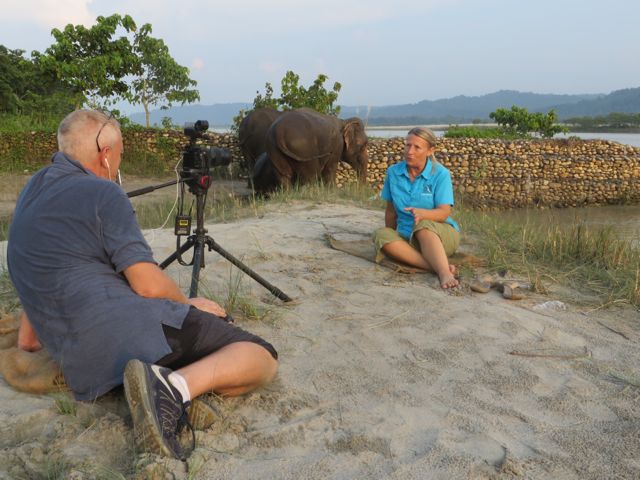
    A new feature in National Geographic, “Captive Elephants Freed From a Life in Chains highlights EAI’s work in Nepal. Carol tells the magazine that “getting [the elephants] ‘chain-free and pain free’ is a start toward improving the lives of captive elephants across Asia.’”

    Read the story and watch the video.

  • Unchained: New Documentary on EAI

    Unchained: New Documentary on EAI

    unchained poster

    A new documentary on the work of Carol Buckley and EAI improving elephant welfare throughout Asia has been selected for the 15th annual Wild & Scenic Film Festival.

    unchained_wild-scenic-festival

    “Unchained” follows Carol and her team in their quest to enhance captive elephant welfare in Nepal. Using gentle persuasion and showing by example that there is a better way to treat elephants in captivity, Carol takes a phased, pragmatic approach to changing attitudes that relies on winning the buy-in of owners and mahouts (elephant handlers).

    Watch the trailer.

    Learn more from the Unchained Facebook page.