Tag: elephants

  • After being released from chains, Sundar Kali and Oma Kali were finally able to be together

    After being released from chains, Sundar Kali and Oma Kali were finally able to be together

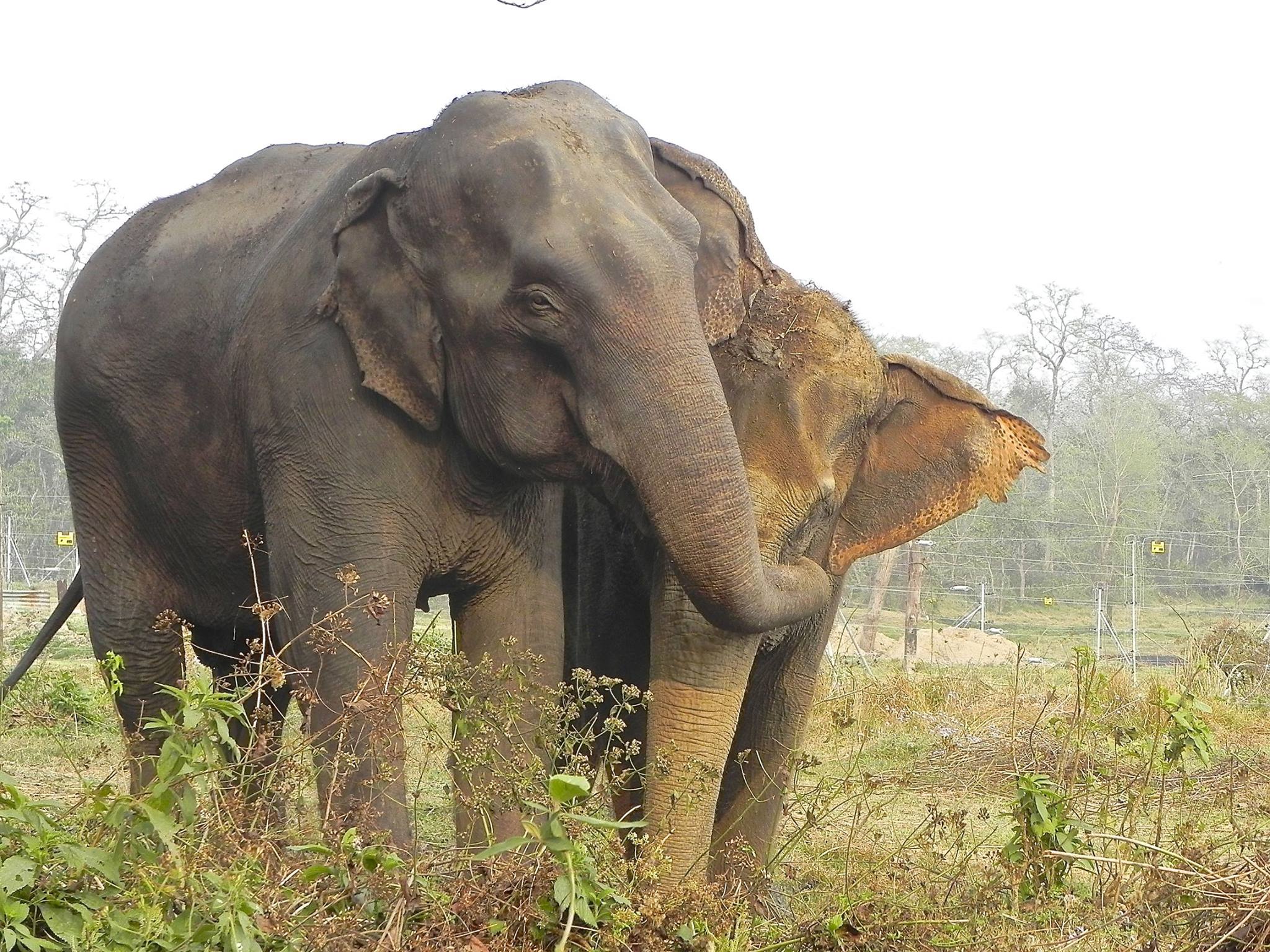
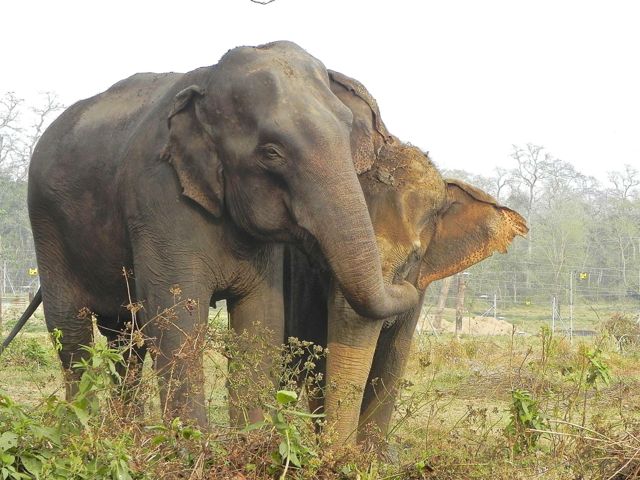
    14853128_1307064742657217_7607549469663905448_oAfter being released from chains, Sundar Kali and Oma Kali were finally able to be together, to touch and reassure each other, and move freely for the first time in their lives.

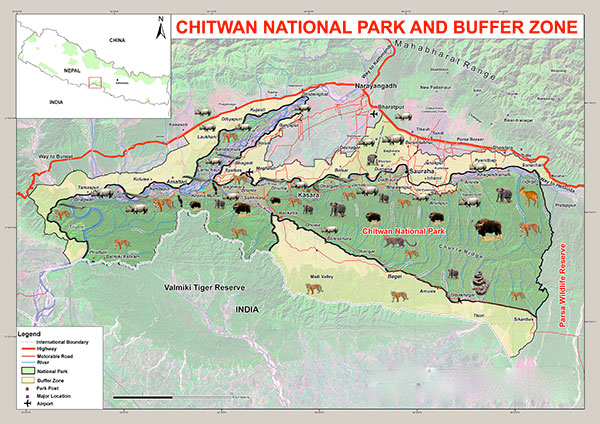
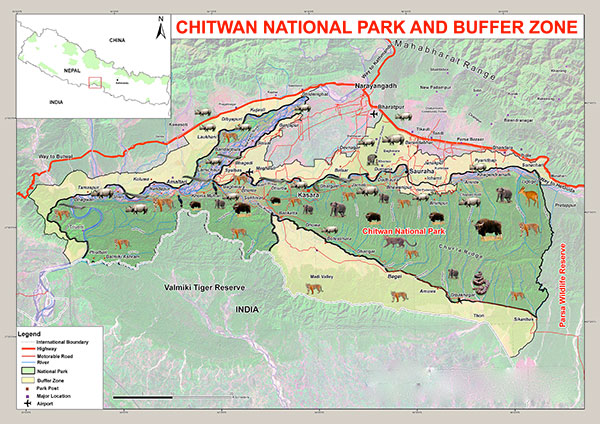
    chitwan1With the holiday season approaching, it is time to start thinking about finding the perfect gifts to share with family and friends. This year, consider giving the gift of APPRECIATION for mahouts by sponsoring an elephant and supporting EAI in the name of your loved ones.

    14939401_1308046432559048_2879081422808284583_o45 DAYS UNTIL CLOSING! We are so grateful for the additional time to raise funds for the elephant paradise. Would you like to personally help these wonderful beings? Every dollar matters. Please donate today. Thank you for your continued support.

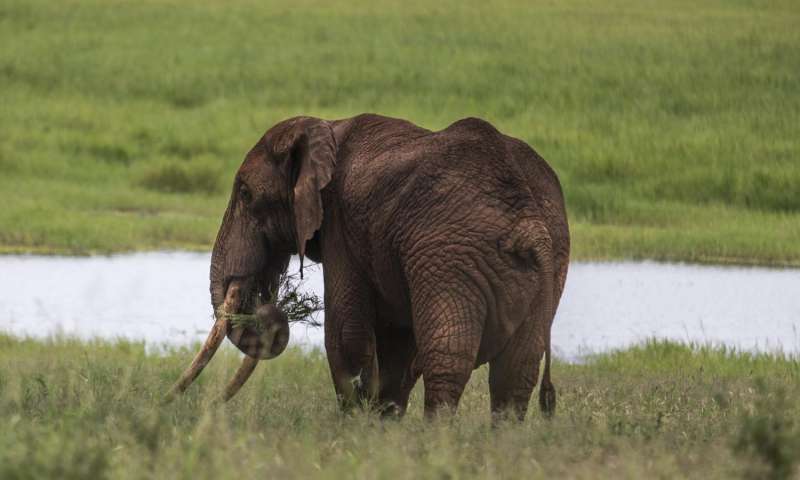
    elephantpoacResearch from the World Wildlife Fund, University of Vermont, and University of Cambridge has shown that African economies are losing millions of dollars in tourism revenue due to elephant poaching. As elephant poaching increases, tourism decreases. According to the article, poachers murder 20,000 – 30,000 African elephants each year. This brutality needs to end.

    baby elephant“Our prime purpose in this life is to help others. And if you can’t help them, at least don’t hurt them.” – Dalai Lama

  • Current donation total is now at $858,945.00

    Current donation total is now at $858,945.00

    captureThe current donation total is now at $858,945.00. From the bottom of our hearts, we deeply appreciate your support in our efforts to help provide a better environment for elephants. We want to acknowledge the kindness every individual who donates and likes, comments or shares our posts. You are all contributing to the cause. Thank you. Donate today!

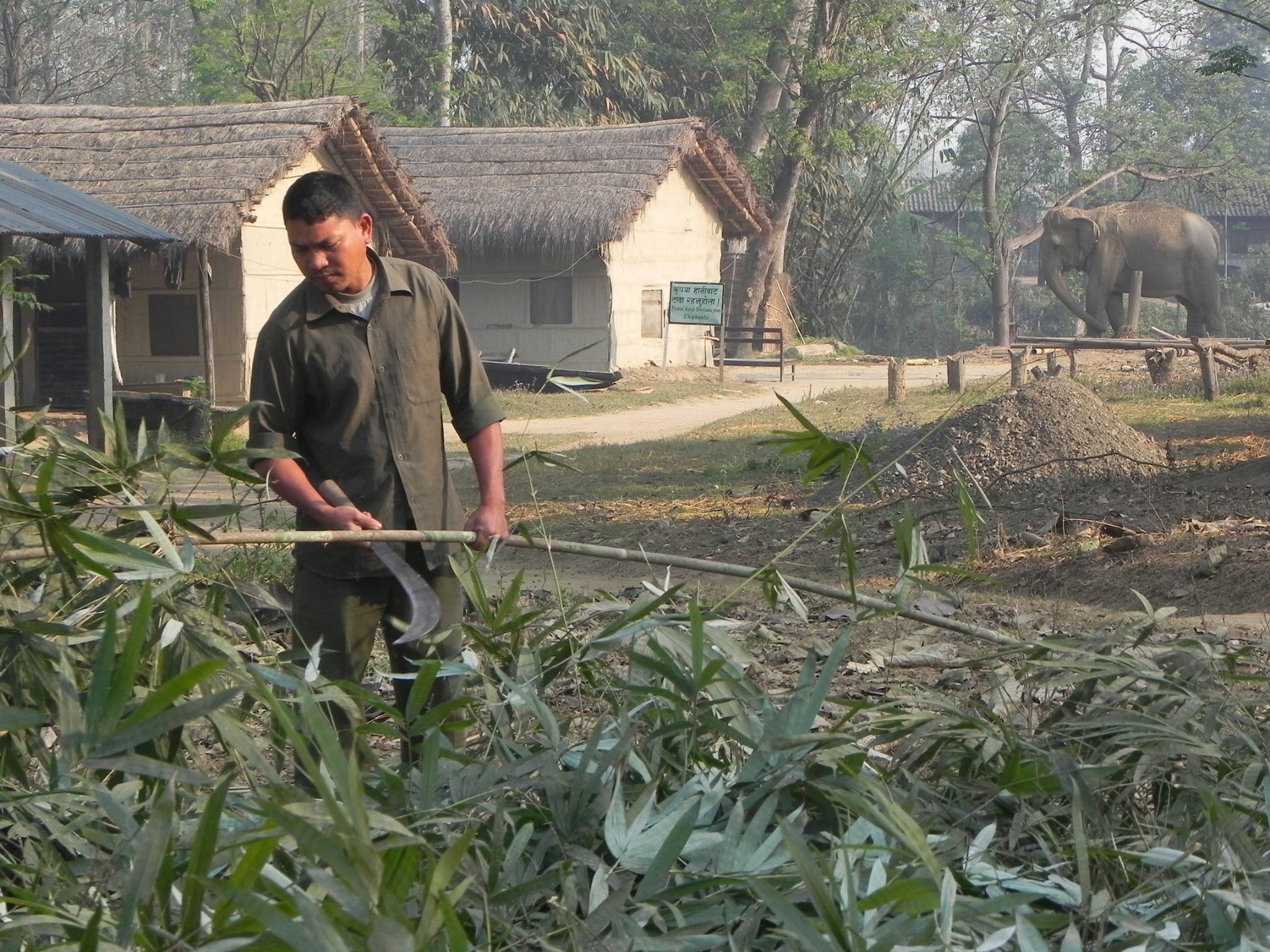
    14713070_1290567650973593_3888856378838742979_oElephants in Asia compete with humans for nearly all resources, including bamboo, a staple of the Asian elephant diet and traditional building material for humans. As long as humans see their needs as more deserving, elephants will continue to suffer. We must continue our efforts by educating the mahouts and providing chain-free corrals for captive-held elephants.

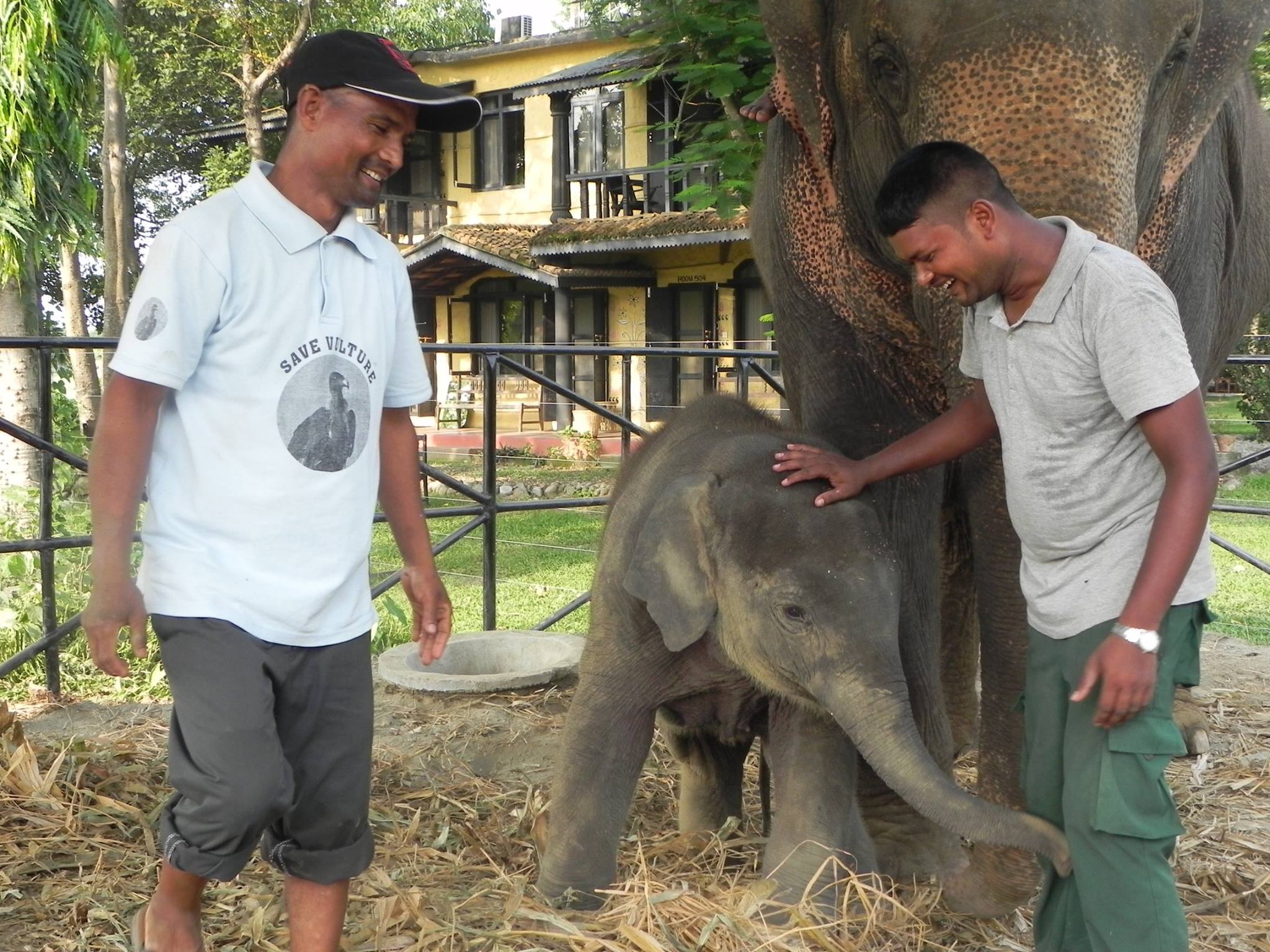
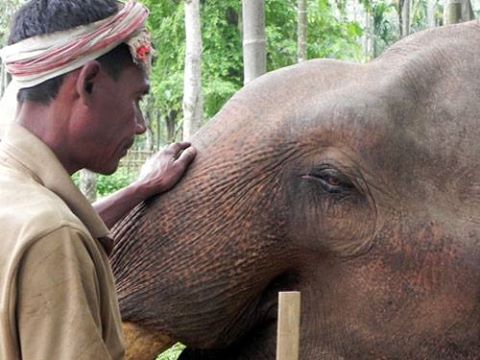
    14715661_1293375797359445_6945717541295315919_oShree (a mahout trained using EAI’s Compassionate Elephant Care) shows fellow mahout a more humane, more effective way to work around Samrat Gaj, a 4-month old captive-born elephant in Nepal. The mahout student is delighted by the results.

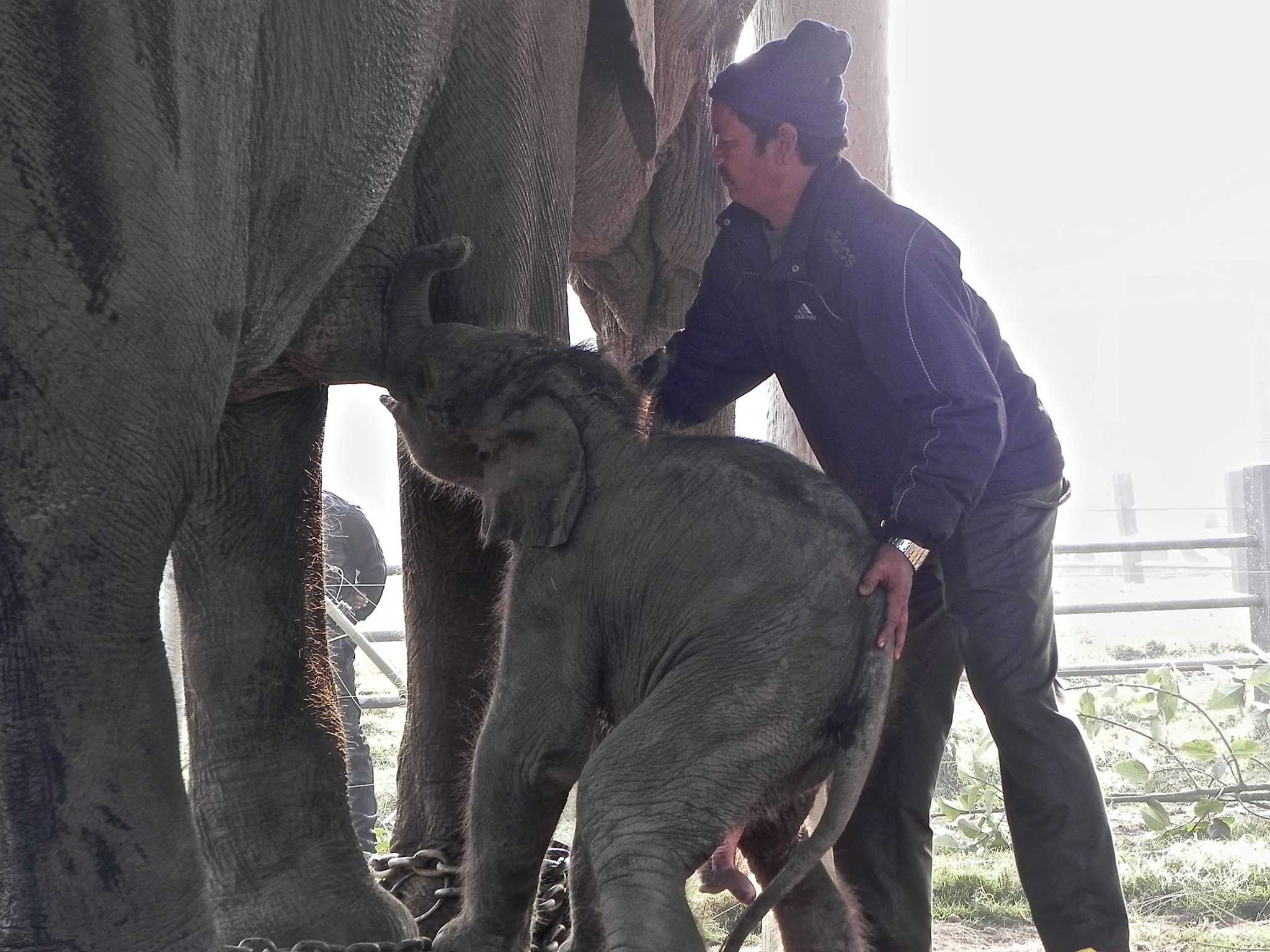
    14714836_1293522757344749_3029055320299766199_oThis newborn calf, only hours old, suckles from his mother — aided by a mahout learning new ways of relating to elephants. Compassionate Elephant Care, an EAI program being taught to all mahouts at government owned hattisars (elephant stables) in Nepal, is changing how mahouts manage their elephants.

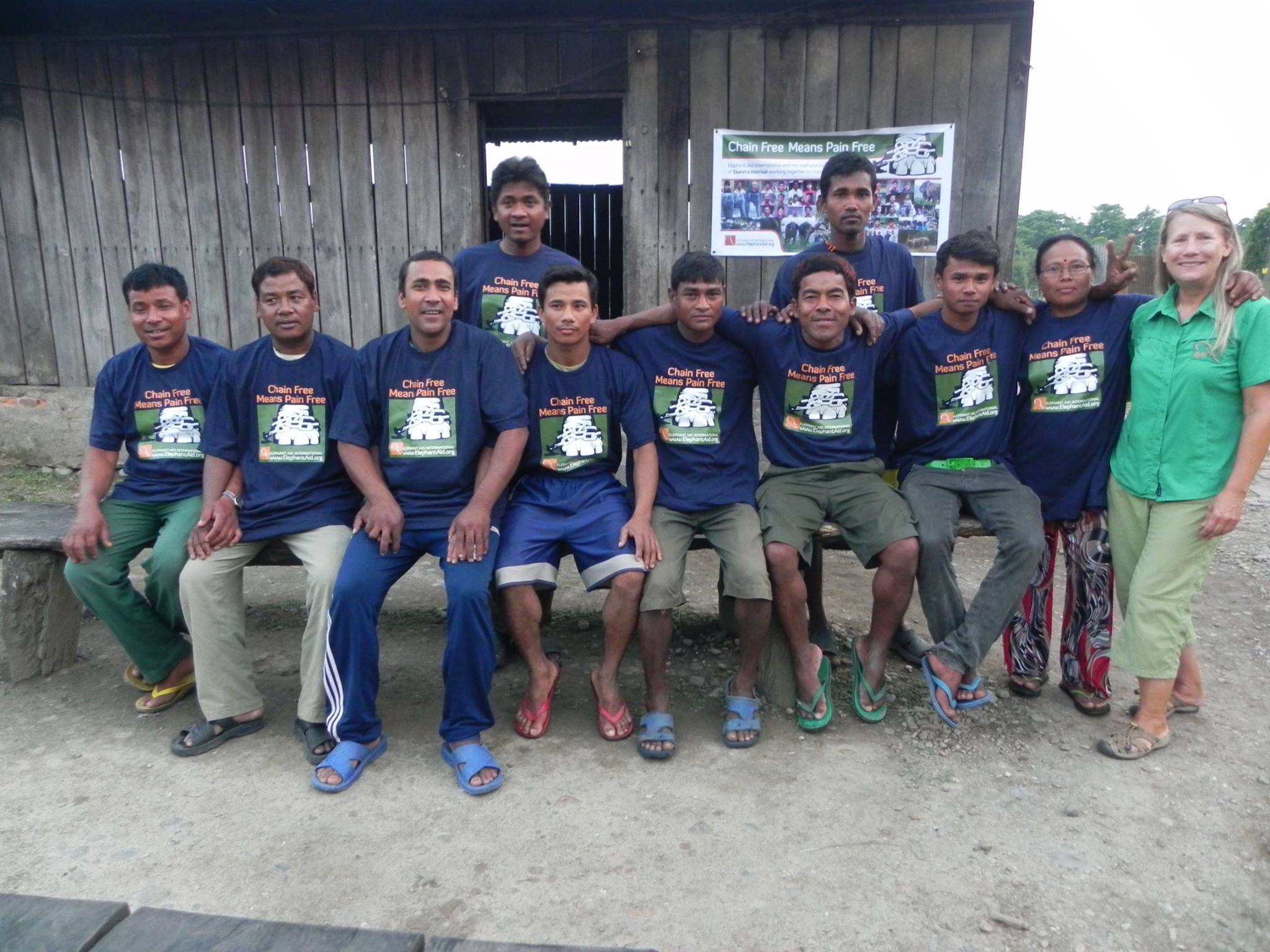
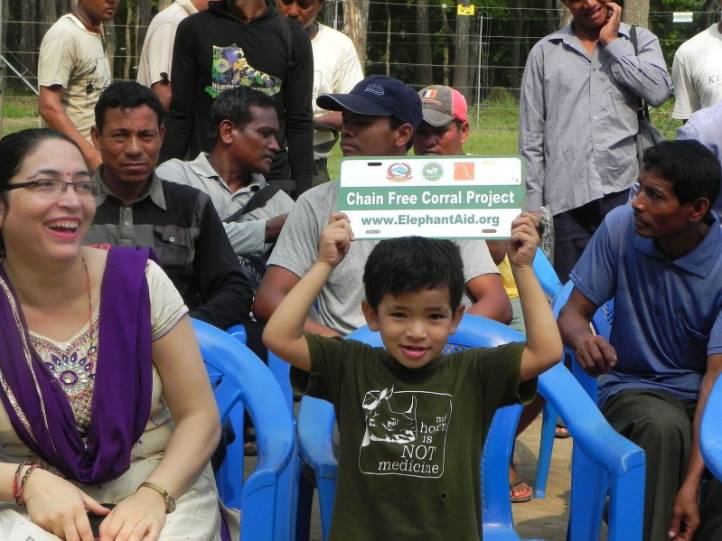
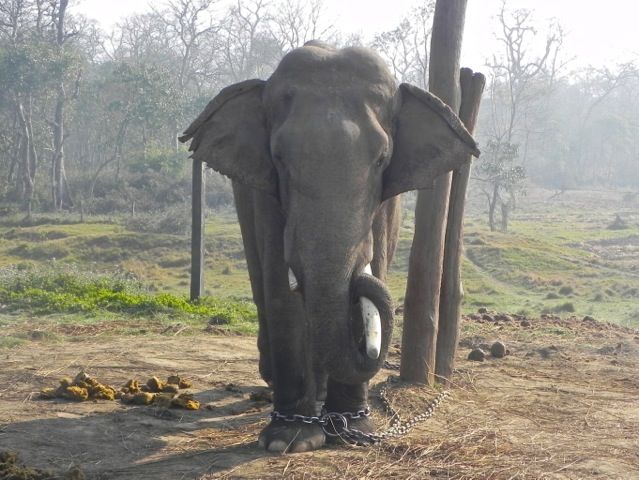
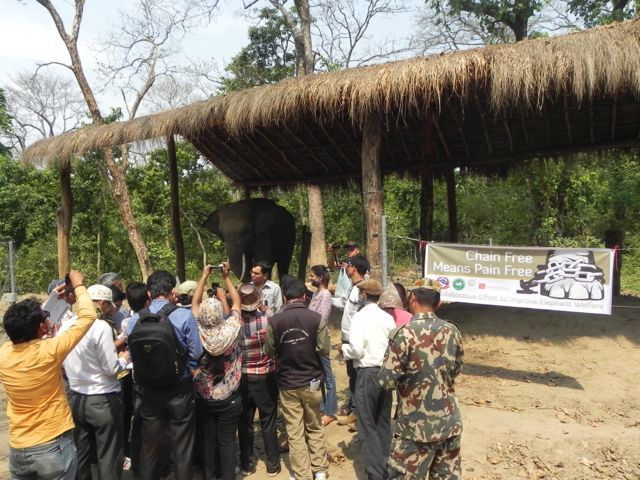
    chitwan1Change starts with one person, who can inspire a whole group, who can go on to inspire the entire world. For elephants, chain free means pain free. By supporting the mahouts who care for impoverished elephants, the welfare of both is improved. Show the mahouts that you recognize their value. Support their transition from archaic to humane.

    14692053_1295359530494405_4158283269240433179_o“The love for all living creatures is the most noble attribute of man.” – Charles Darwin

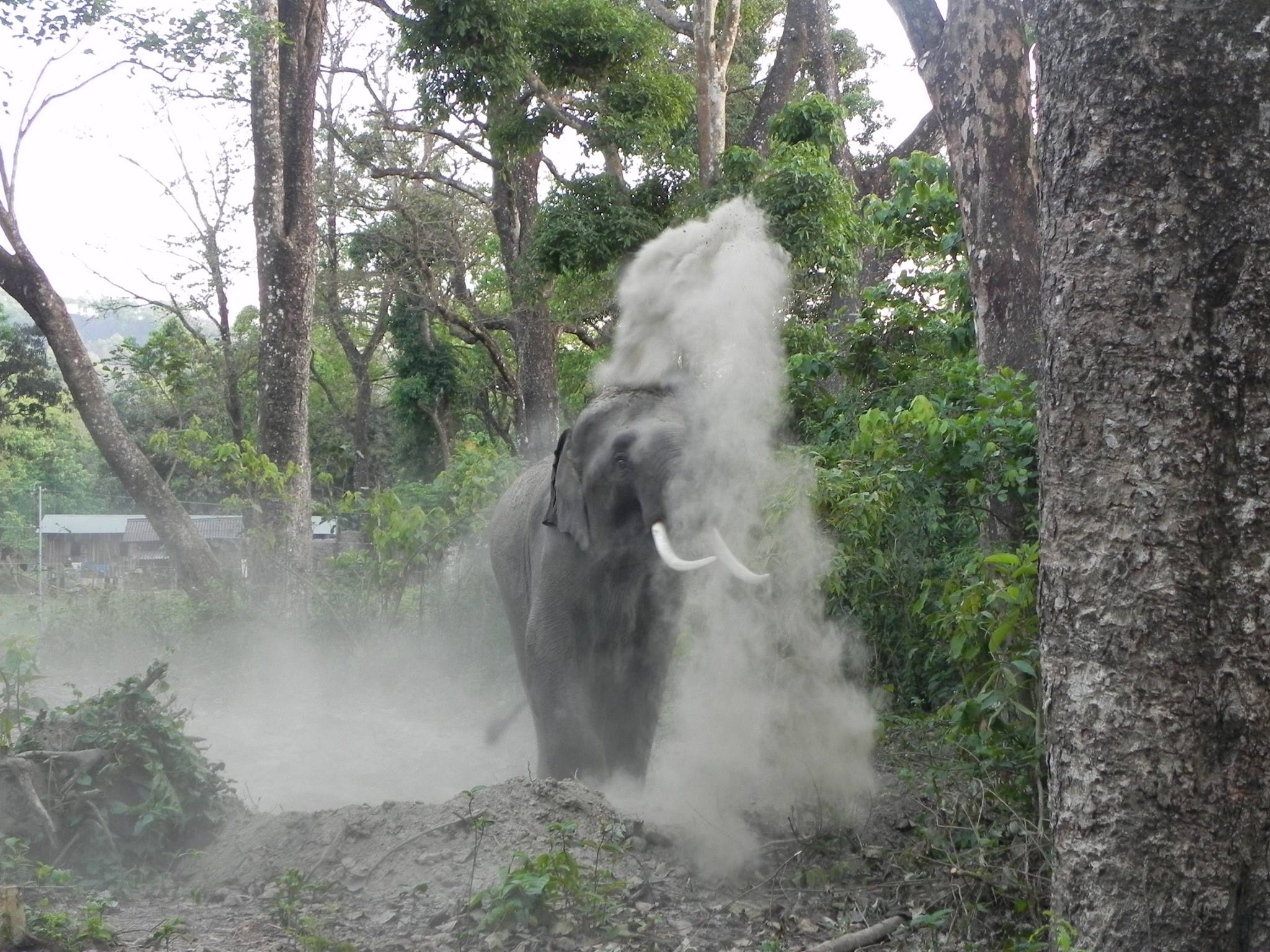
    14711625_1295361663827525_8717717484992416154_oDid you know: Elephants take “dust baths” — as seen in the picture below — to protect their sensitive skin from sunburn and biting insects

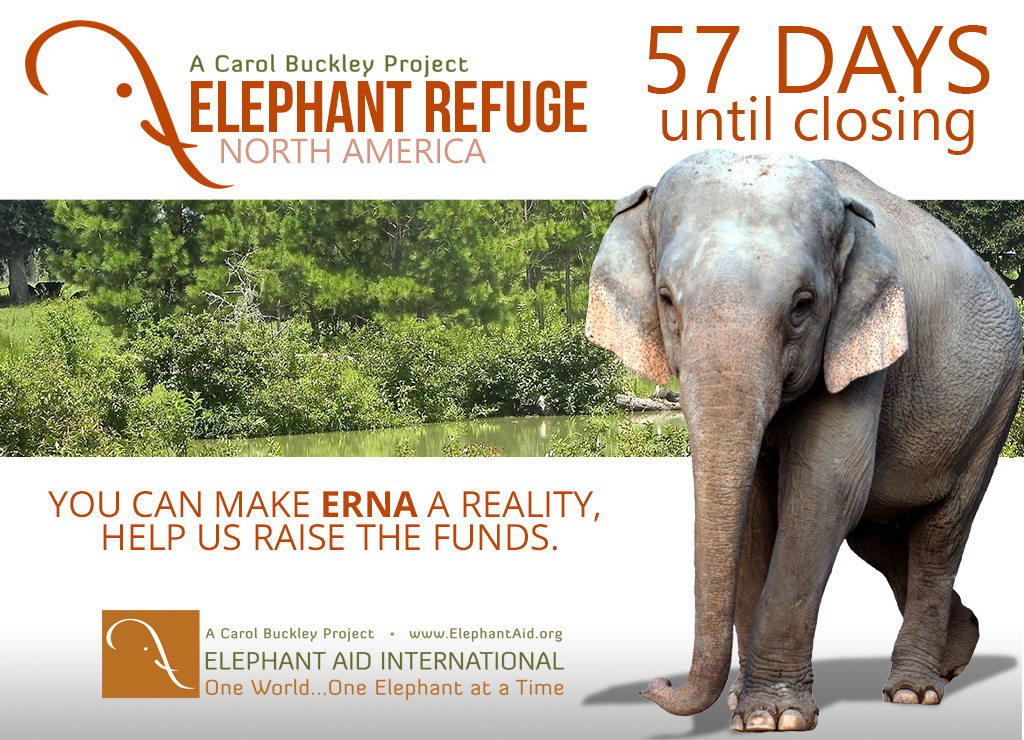
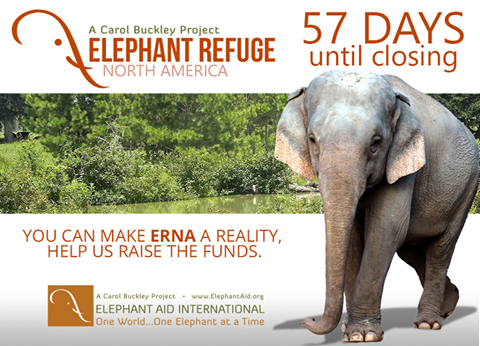
    14712991_1296262603737431_6131236874564709140_oThe ERNA closing date has been pushed to December 15th, so now we stand at 57 days until closing! To help raise funds for the elephant paradise, donate today!

  • TripAdvisor no longer makes money off animal suffering

    TripAdvisor no longer makes money off animal suffering

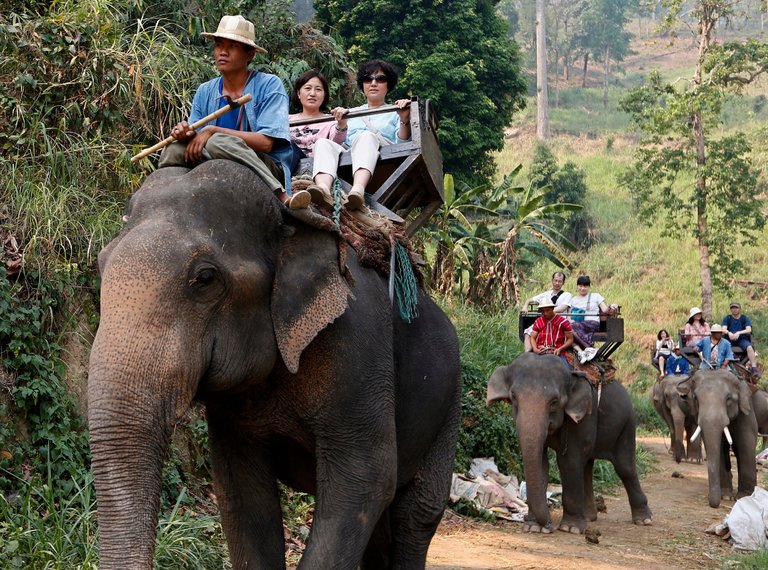
    11tripadvisor-animals-master768Making steady progress for animal welfare: TripAdvisor to Stop Selling Tickets to Many Animal Attractions.

    14615856_1286567708040254_7526071632518963441_oThe progress in Nepal is driven by the mahouts’ willingness to learn how to provide better care for captive elephants.

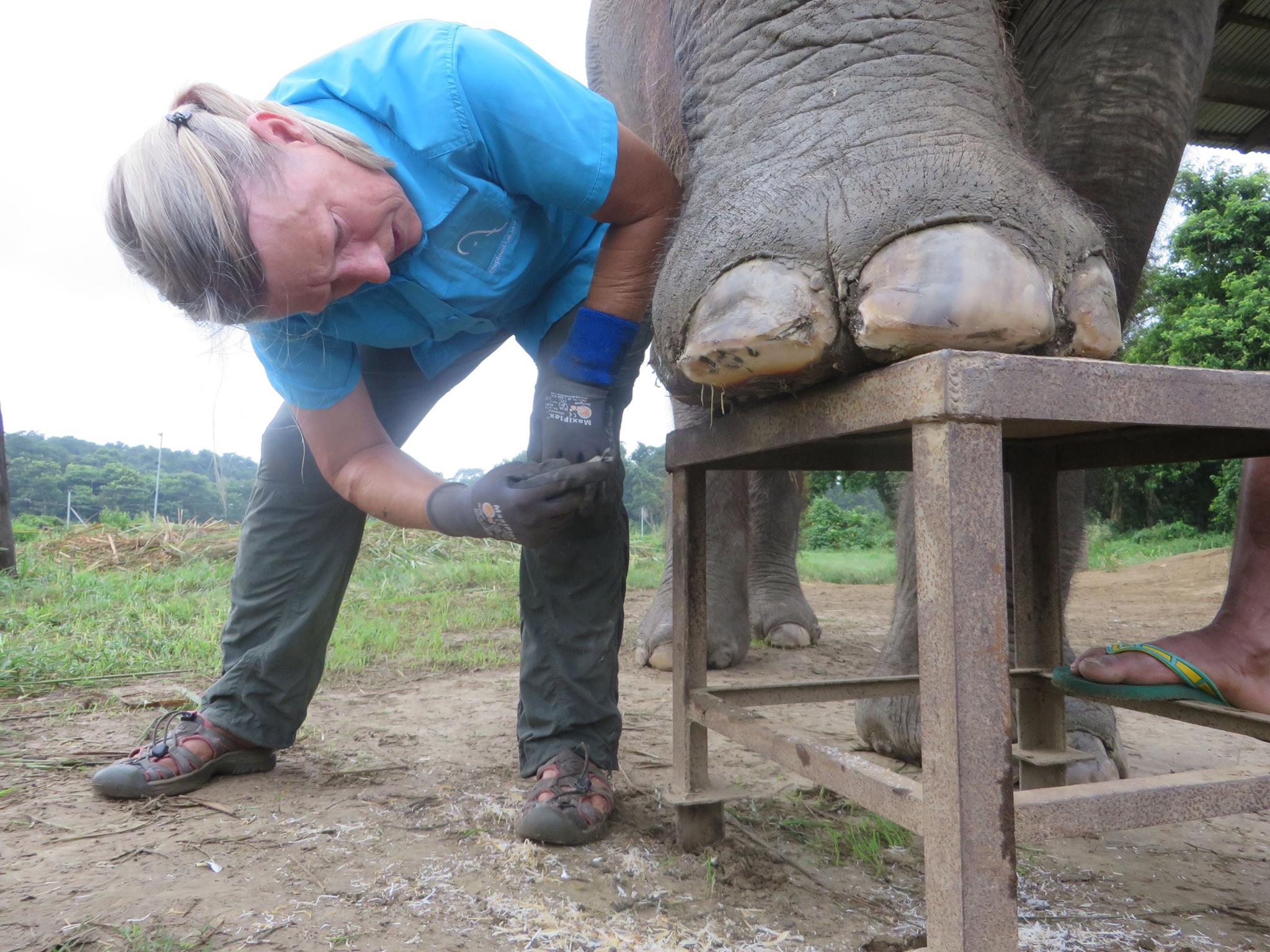
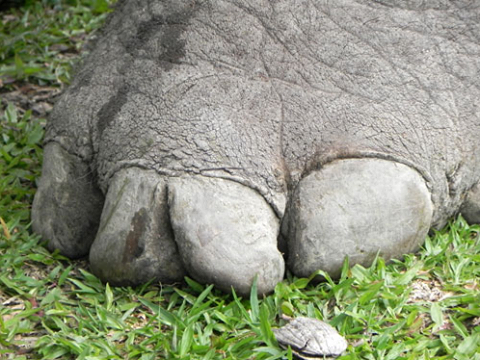
    14566427_1286789894684702_1653308219345432894_oFoot disease is epidemic among elephants living in captive environments. Captivity-induced foot diseases among these long-lived beings can lead to physical collapse and death. Proper elephant foot care is vital for elephant health.

    14650303_1287513497945675_8147598989740765811_nIf we want a future of compassion toward elephants, we must teach our children to care for all creatures.

    14707902_1288403497856675_4883728828528651954_o28 DAYS UNTIL CLOSING! Only four weeks remain until the finalization of the ERNA land sale, and the elephants still need your help. Even the smallest contribution allows you to personally support the elephants in need of an environment to thrive. Donate today!

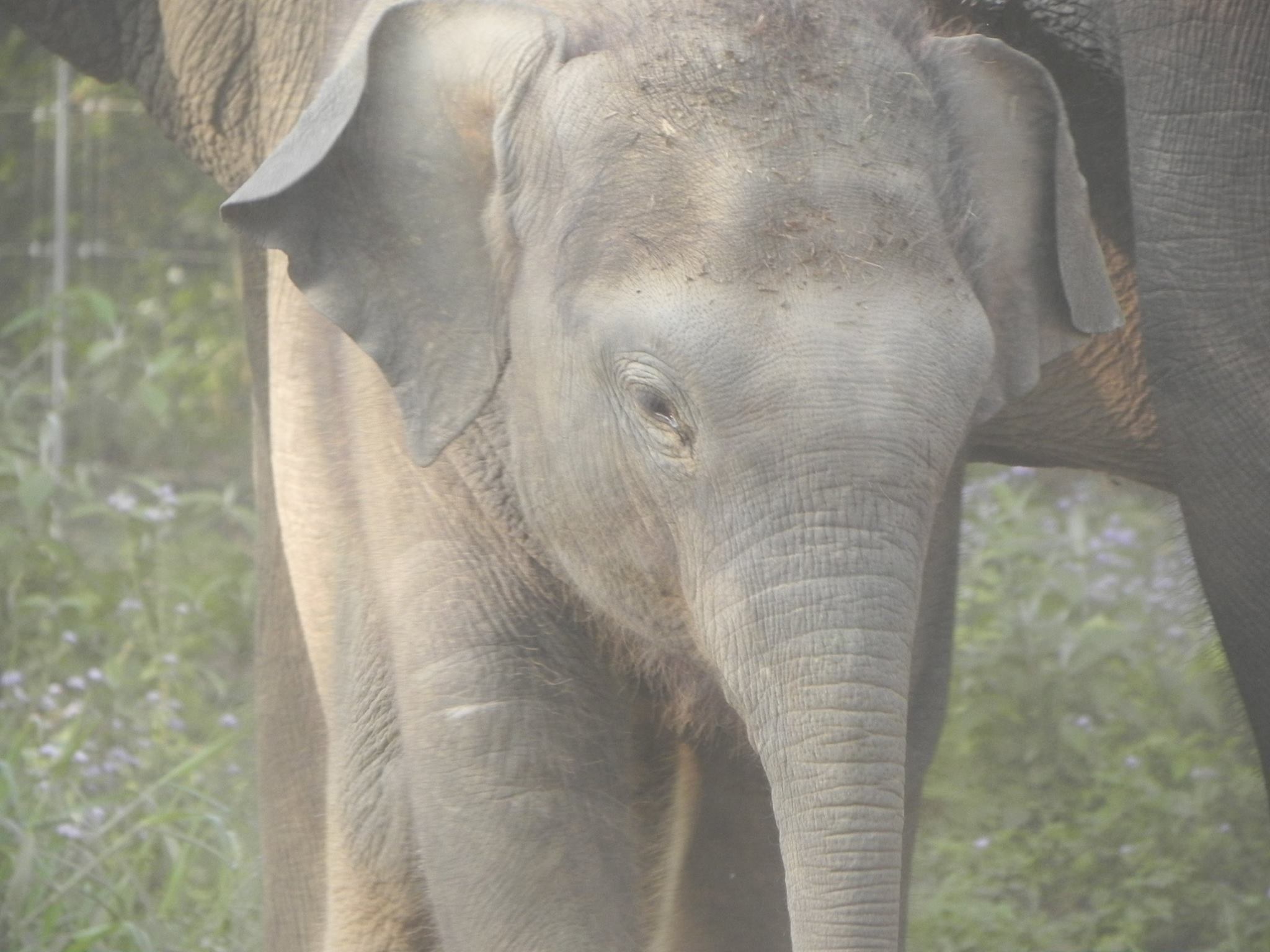
    14724476_1289593234404368_7665143081699443228_nAnother incredible picture of a sweet elephant from Nepal.

  • The Nepali Times covered the changes at Tiger Tops Elephant Camp

    The Nepali Times covered the changes at Tiger Tops Elephant Camp

    d1w5kgeThe Nepali Times covered the changes at Tiger Tops Elephant Camp in Nepal. This is the wave of the future; elephants no longer used as entertainers, but the object of wildlife observation.

    eai1Tiger Tops Elephant Camp is gaining media attention for its elephant-friendly tourism. Now, the elephants living at the resort are ride free, chain free and pain free.

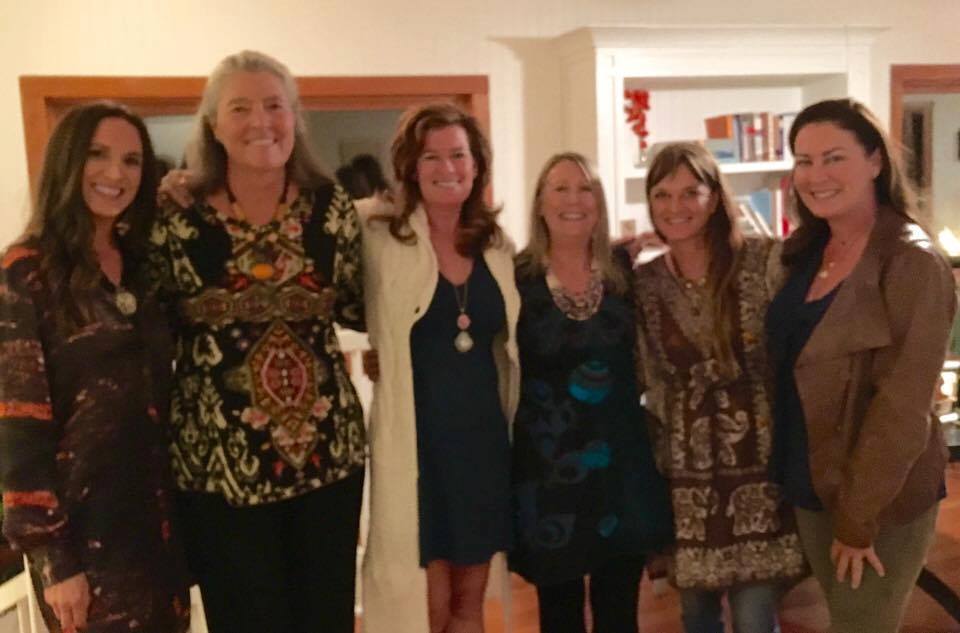
    14462994_1280461288650896_5640693018084859505_nNature Defense Foundation recently provided a significant grant towards EAI’s Elephant Refuge North America. This past Friday they hosted a “Meet and Greet” with EAI Founder Carol Buckley, for California Bay Area Foundations. The event was well attended by sincerely motivated individuals interested in elephant welfare. A huge thank you goes to all who attended and to Sarah Shaw of Nature Defense Foundation for hosting the event. If you would like to host an event for Foundations and others interested in supporting ERNA, please contact us.

    elephant-adventure-3Another great write-up for Tiger Tops Elephant Camp in Nepal, the first resort to go chain-free and discontinue using elephants for elephant back safaris. Instead they have partnered with EAI’s CEO Carol Buckley to create an elephant-friendly experience unlike any other, full of adventure and respect for elephants.

    14469581_1282843808412644_6220498687450535139_n34 DAYS UNTIL CLOSING! The sale of the ERNA land will finalize on November 9th. The elephants still need you. Donate today to help these incredible beings thrive in a beautiful environment.

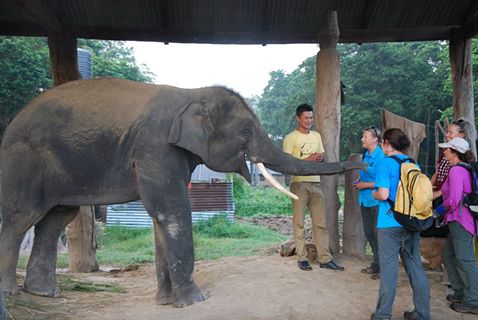
    14484765_1282483931781965_9042817408079457784_nEveryone had fun and learned a lot at Tiger Tops Elephant Camp Foot Care Workshops!

    Also:

    • The Wildlife Crime Unit in Nepal is recognized for their work to prevent wildlife trafficking.
    • Captive elephants in Asia suffer the worst foot health issues, both painful and permanent. The sweet elephant in this video suffered from such overgrown nails that her front toenail actually ripped away from her foot, causing permanent damage to the connective tissue. She is now permanently crippled by the captivity-induced injury.
  • Carol Interviewed by National Geographic

    Carol Interviewed by National Geographic

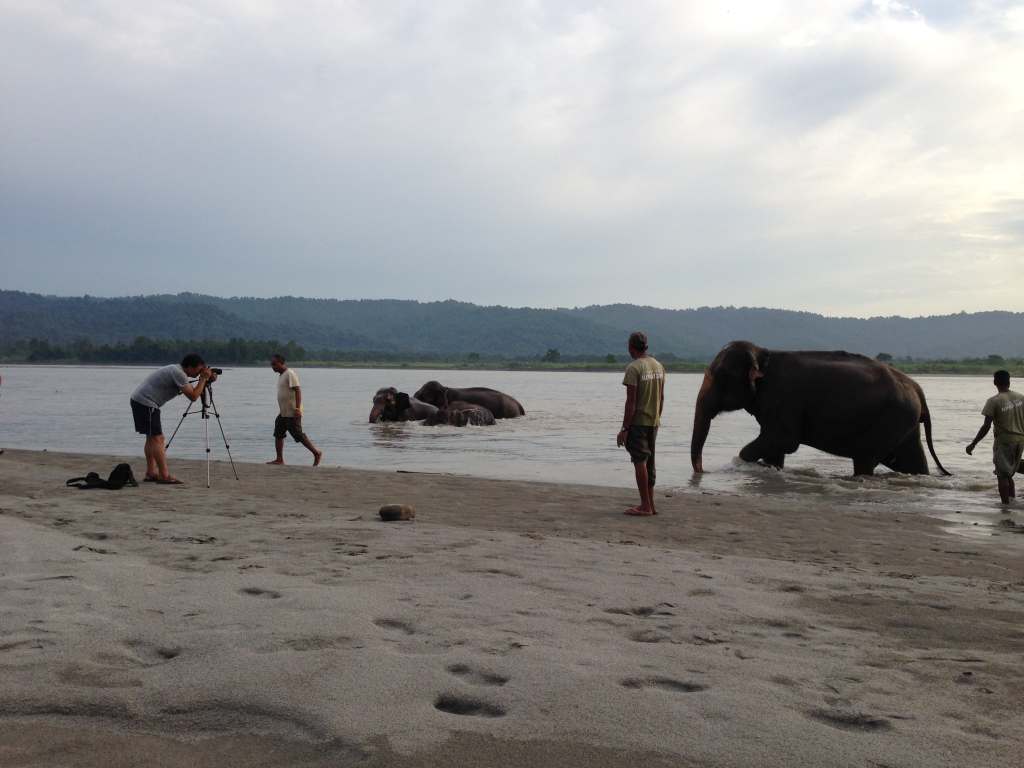
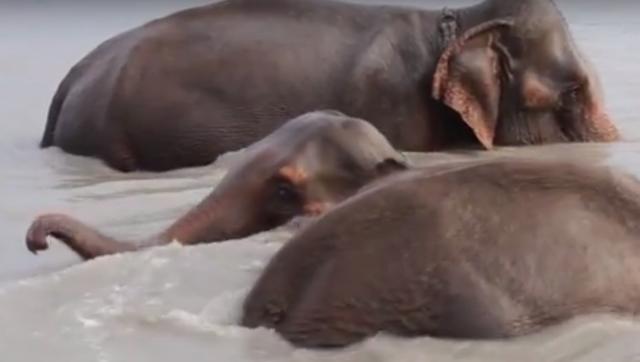
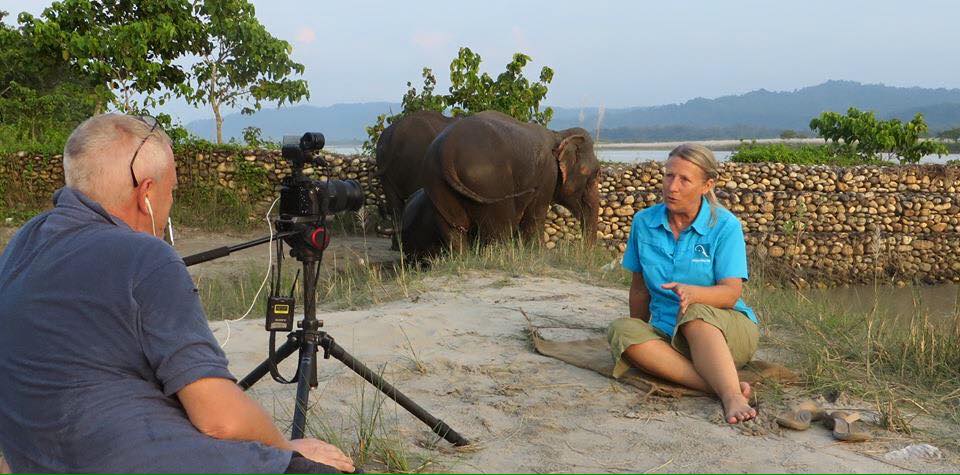
    Carol interviewed at Tiger TopsDavid Clark, a National Geographic film maker, visited Tiger Tops this week, documenting Carol’s work with elephants in Nepal and at Tiger Tops. Elephants Hira Kali, Sarswoti Kali and Sandra Kali showed off in the water during the interview, while Sita Kali and Gulab Kali weren’t fazed by the limelight and sauntered off to find some greenery.

  • Tiger Tops Elephant Camp is proving to be an amazing experience for all

    Tiger Tops Elephant Camp is proving to be an amazing experience for all

    3When teacher and student connect, the elephants benefit! EAI’s Elephant Foot Care Workshop at Tiger Tops Elephant Camp is proving to be an amazing experience for all

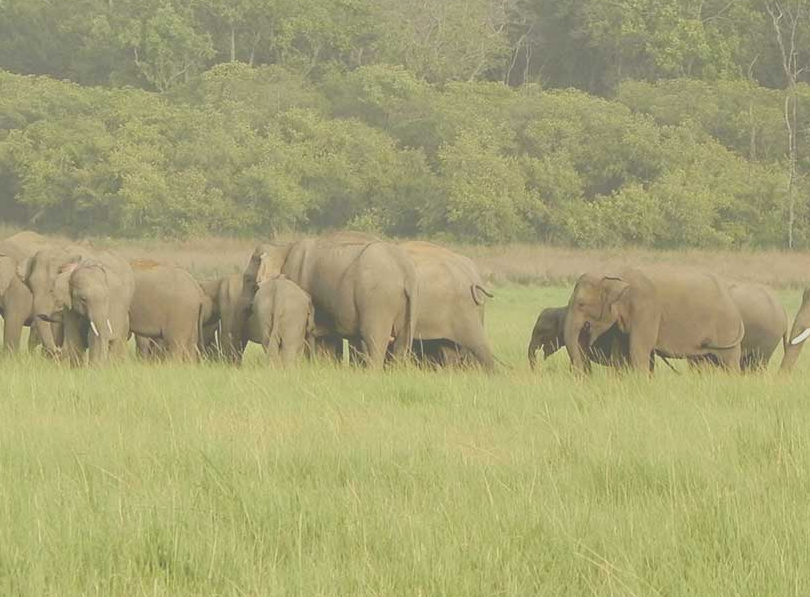
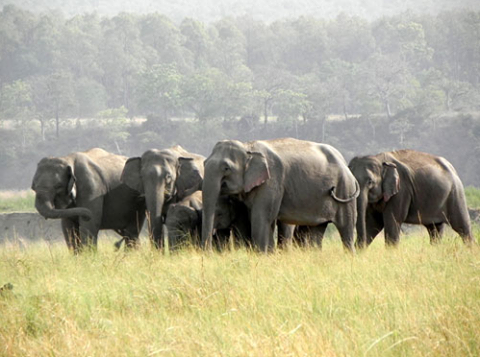
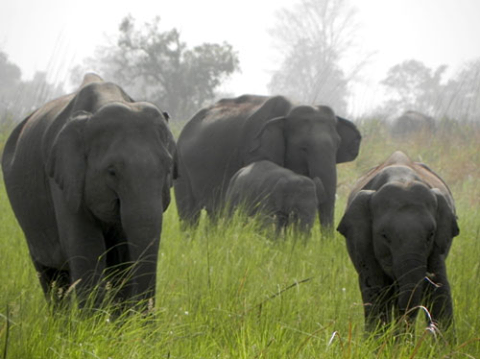
    Herds of wild elephants grazing peacefully in the vast grasslands of India.

    57 DAYS UNTIL CLOSING! The ERNA land and the surrounding climate are tailor-made for elephants, ensuring that each elephant who calls ERNA home will thrive.

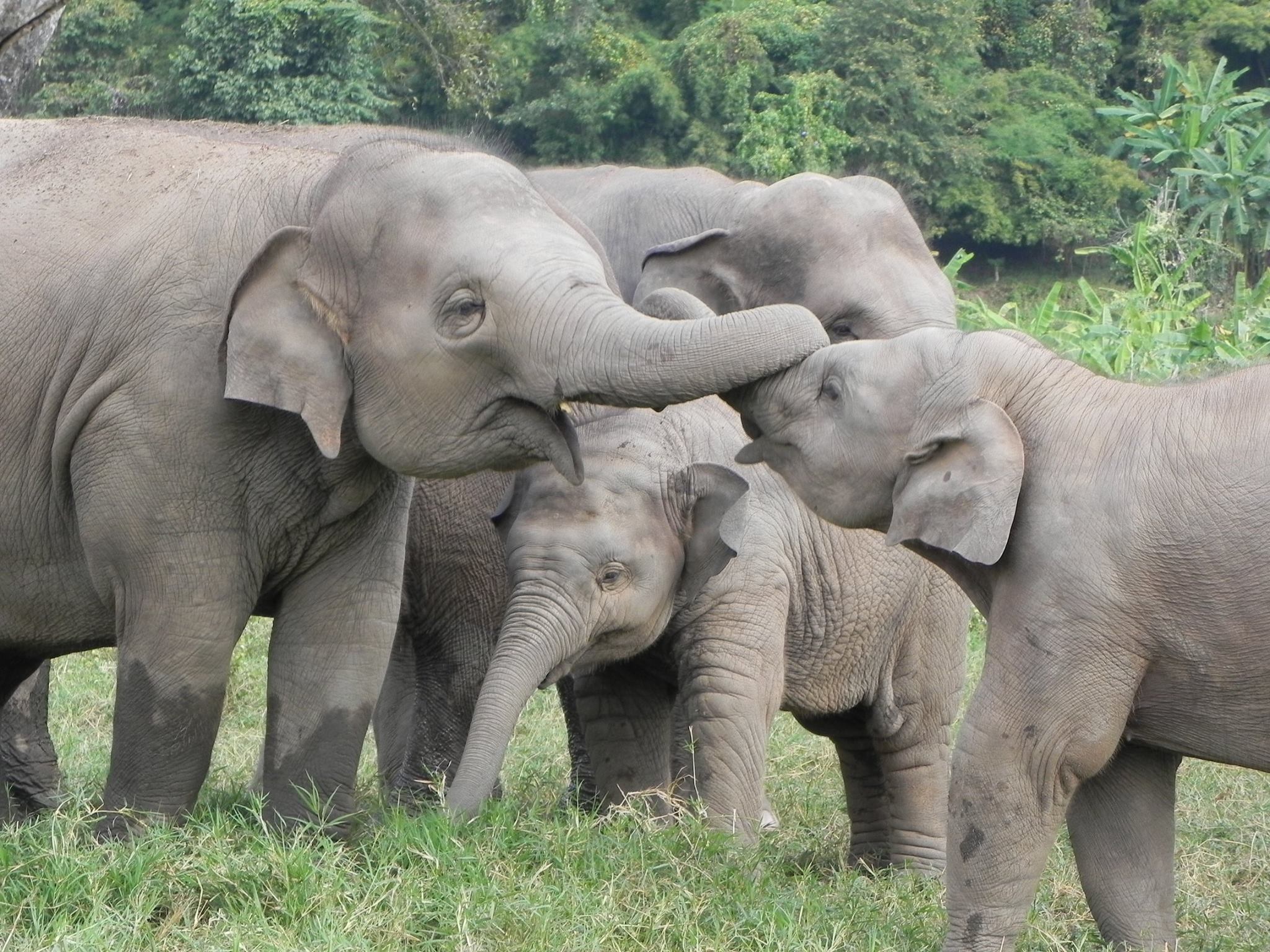
    Researchers have found that elephants are highly intelligent and capable of many human-like emotions, such as happiness, sorrow and even empathy.

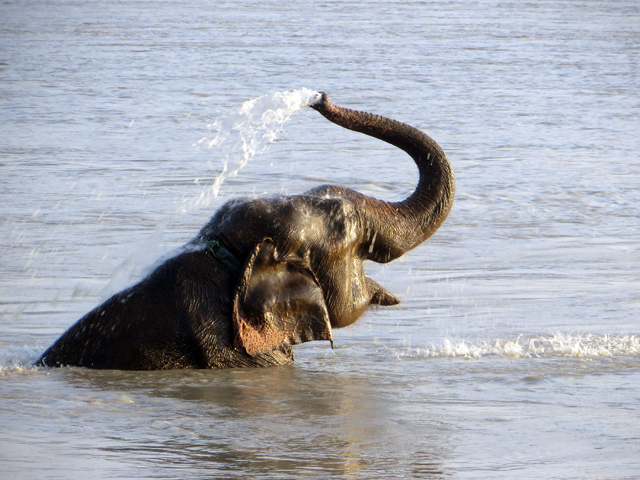
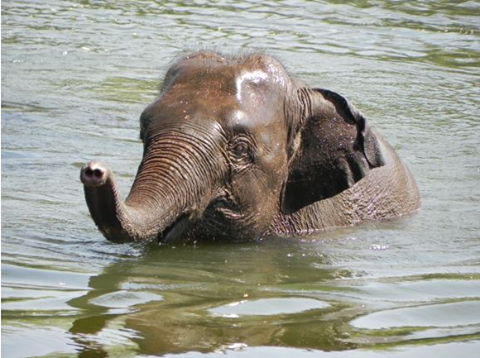
    Beautiful Jon taking a refreshing dip in the water.

    “The pure joy an elephant exhibits when given a resemblance of freedom is what drives me to do more.” – Carol Buckley


  • Terra Mater Magazine Covers Carol’s Work in Nepal

    Terra Mater Magazine Covers Carol’s Work in Nepal

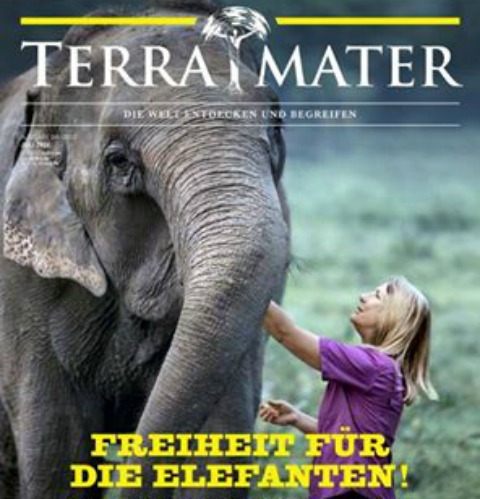
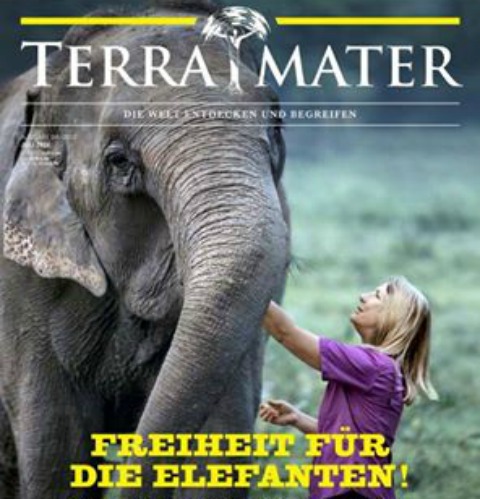
    Earlier this year, Terra Mater Magazine, Austria’s equivalent to National Geographic, sent a writer and photographer to cover Carol’s work in Nepal. Read the article in English or the original German (even if you don’t read German, you may want to look at the wonderful photos).eai1Many of the elephants used for elephant back safaris suffer from severe nail splits.

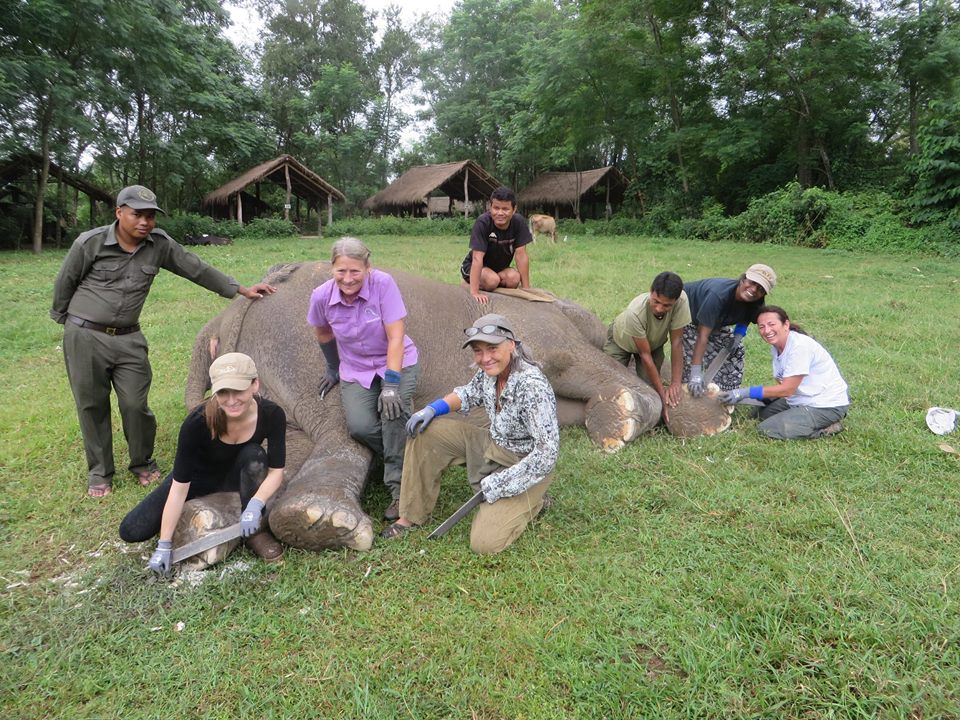
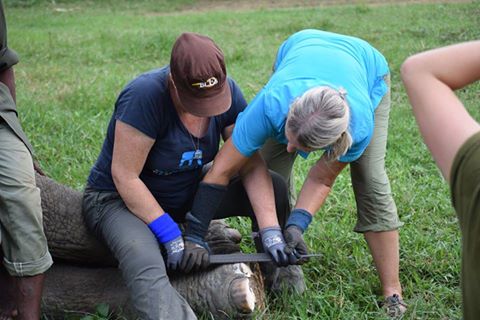
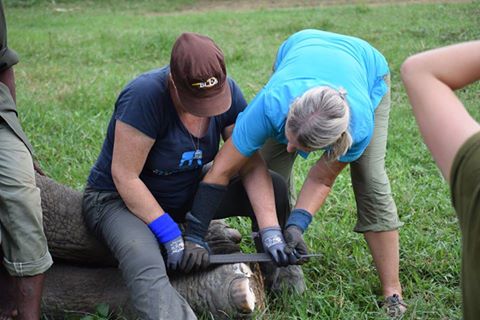
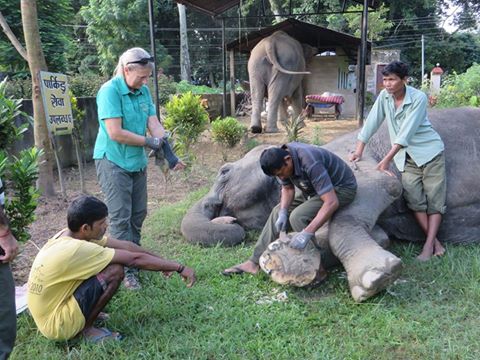
    eai2Carol and a team of volunteers began EAI’s bi-annual foot trimming in Sauraha this morning. The mahouts’ trimming skill level is measurably improved.

    eai3As of yesterday, the Elephant Refuge North America (ERNA) fundraising total is at $871,565.39. Your donations will help make this elephant paradise a reality!

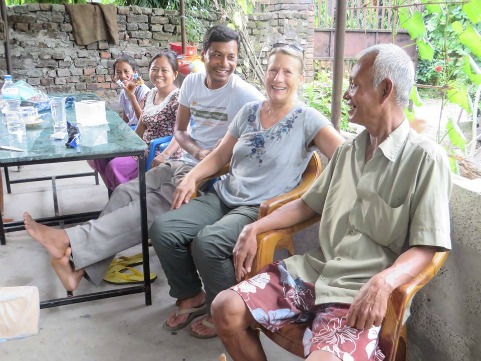
    eai4Carol visiting with her Nepali family in Sauraha. From left to right: nanu (a term of endearment for a little girl), Shanti, Raju, Carol and Paspat (who is the elephant supervisor of National Trust for Nature Conservation).

    eai5Carol boarding the plane from Kathmandu to Bharatpur on the way to foot trimming in Chitwan.

    eai-6“Nature’s great masterpiece, an elephant; the only harmless great thing.” — John Donne. But in today’s world, in response to the stress humans place on elephants in the wild and in captivity, elephants act out in ways contrary to their majestic nature.

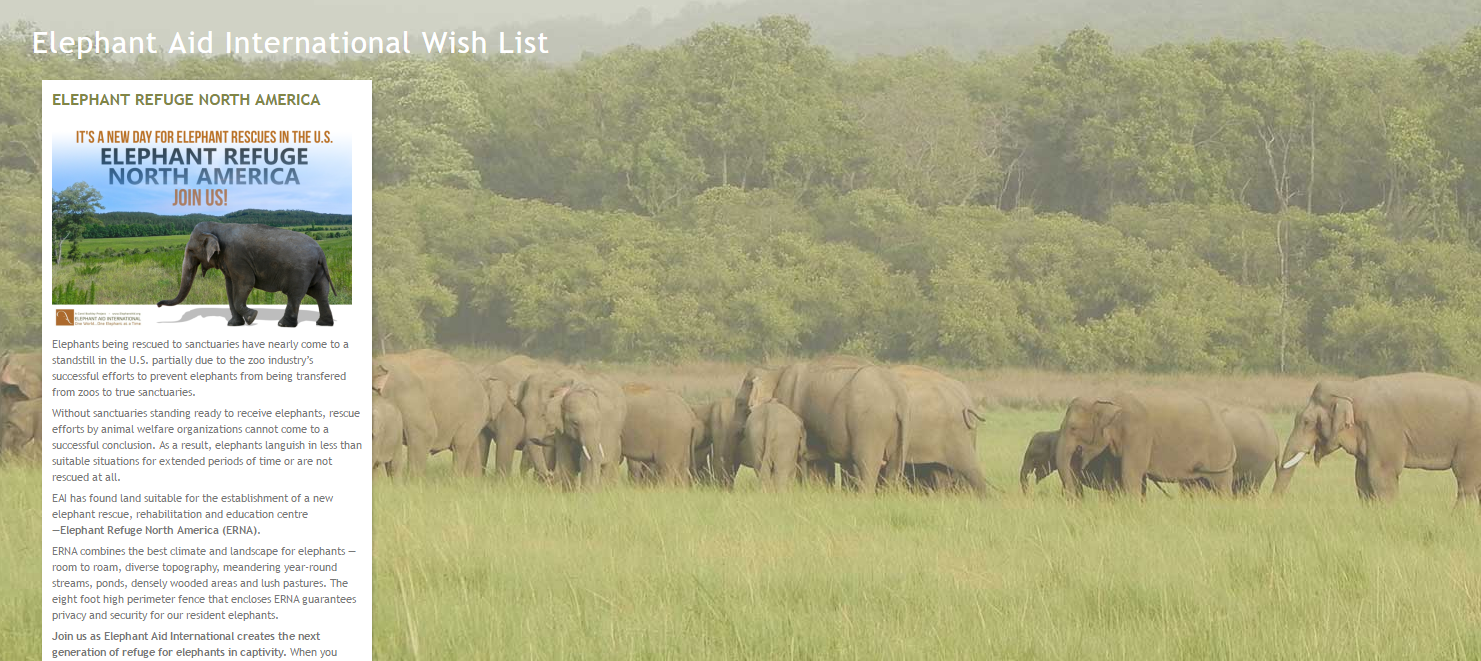
    eaiThe Elephant Refuge North America (ERNA) land is an elephant paradise, featuring 850 acres of pastures, lakes, and forests.

    And did you know that:

    • Over the last 6 years, EAI has freed 106 captive-held elephants from chains in Nepal, Thailand and India.
    • EAI designed and built the first solar powered chain-free corral in Asia.


  • The Escrow Contract is Signed

    The Escrow Contract is Signed


     The escrow contract is signed! 75 days until closing. Elephant Refuge North America will build on what has come before, providing additional options for elephant rescues and retirement. Please participate in this grass roots project to create the next generation of elephant sanctuaries.

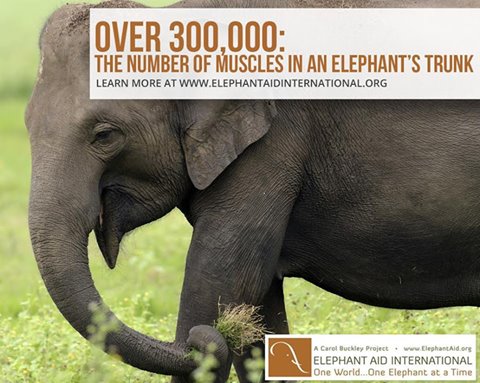
    Did you know: There are over 300,000 muscles in an elephant’s trunk. Elephants’ strong trunks help them navigate through life, aiding in the ability to eat, bathe and protect themselves.

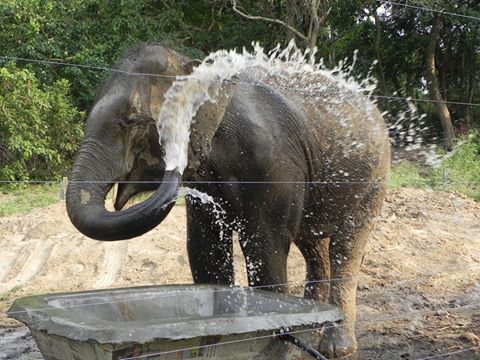
    This magnificent beauty is happy to be bathing chain-free.

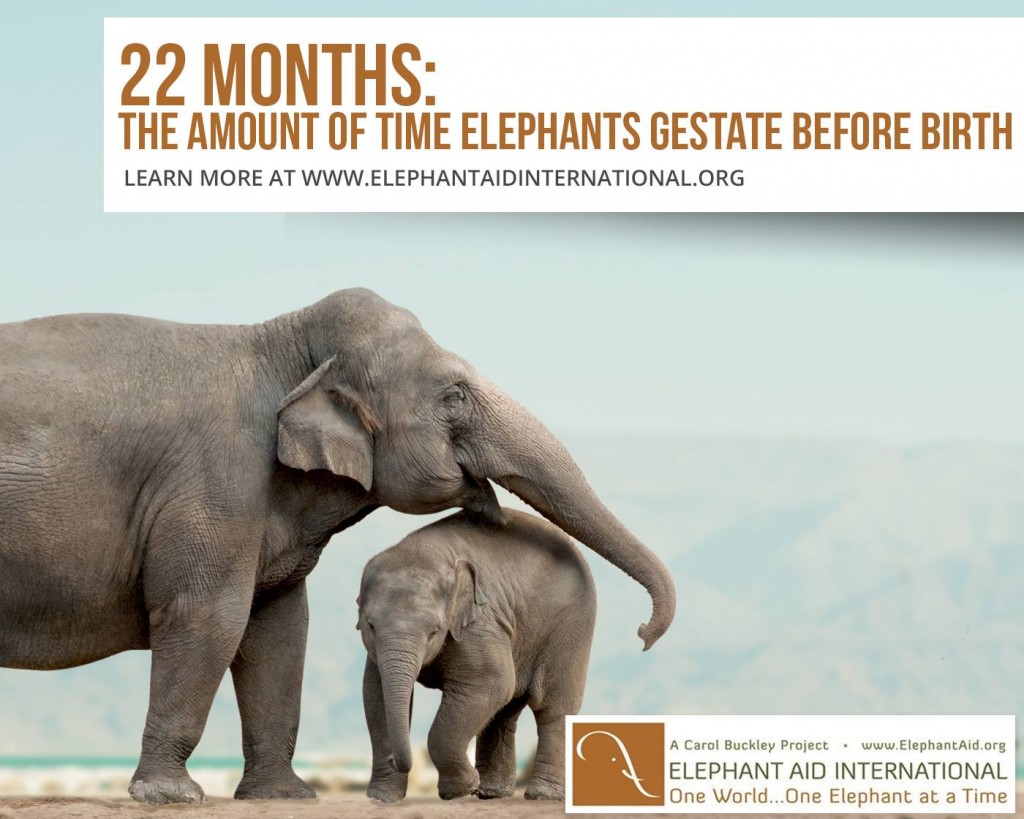
    Did you know: Elephants gestate for 22 months before birth.


    “Until one has loved an animal, a part of one’s soul remains unawakened.” — Anatole France

  • In Memory of Hanako

    In Memory of Hanako

    When I met Hanako less than two months ago, it was obvious to me that she was nearing the end of her life.

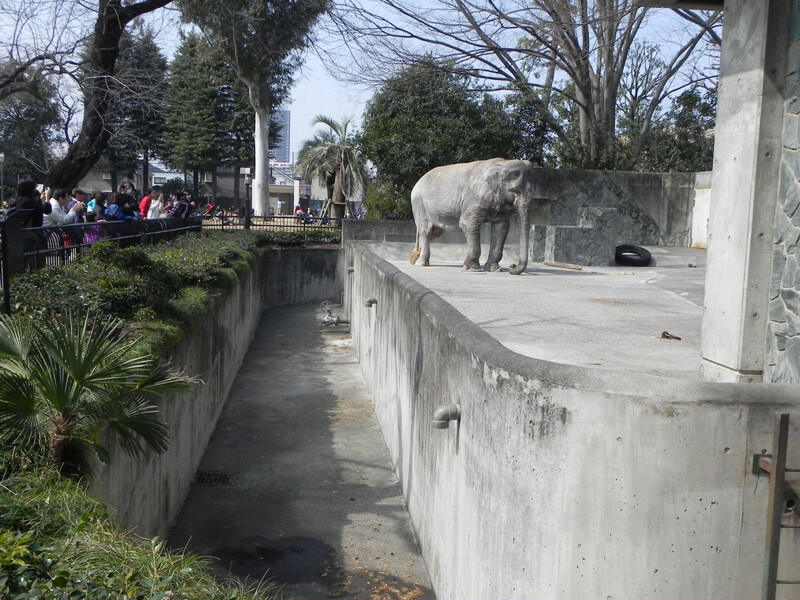
    Hanako had spent close to seven decades in one of the most deprived environments I’ve seen.

    Every surface in her barn and yard was covered with unyielding, moisture-robbing, highly abrasive concrete. There was not a blade of grass, a tree or a patch of dirt anywhere in the small space.

    While at the zoo I learned that Hanako had recently stopped lying down to sleep. Instead of spending several hours each night on her side sleeping, she spent a lesser amount of time leaning against the barn wall, dozing.

    After studying her records it was clear that Hanako’s appetite and drinking habits had also changed. The times when she would refuse to eat grew more and more frequent.

    Hanako also refused to use her outside pool or allow her keepers to bathe her. As result her skin was dehydrated and her legs were stained with urine.

    The staff could not account for these changes in Hanako’s behavior. But such changes are to be expected of an elephant of Hanako’s age.

    It was heartbreaking to observe that her eyesight was failing, she shivered continually and she was physically inactive.

    Each morning, until at least a month before her death, Hanako would walk the few feet from the barn to the outside concrete yard. There she would stand and engage in stereotypical behavior for hours before taking the few labored steps back inside her barn at the end of the day.

    My first afternoon at the zoo I witnessed a change in Hanako’s behavior. Without any obvious provocation she seemed to startle from her catatonic state and began moving around her small yard.

    Then the barn door opened and she became vocal and animated. She approached the door, placed her foot in the track and engaged in the most bizarre stereotypic routine I’d ever seen.  She pushed her toe into the track, pulled back as if her foot was caught in it, removed her foot and then repeated the sequence twelve times. Keepers later told me she did this stereotypical sequence every time before she entered the barn. Not always twelve times—sometimes more, sometimes less.

    After completing her stereotypic ritual, Hanako rushed into the barn, moving with an uncharacteristic urgency as if someone was trying to keep her from entering. Her eyes lit up and she became very vocal.

    I assumed she was excited about the pile of fresh vegetables and grass on the floor. But it was not the food. It was her keepers she was focused on.

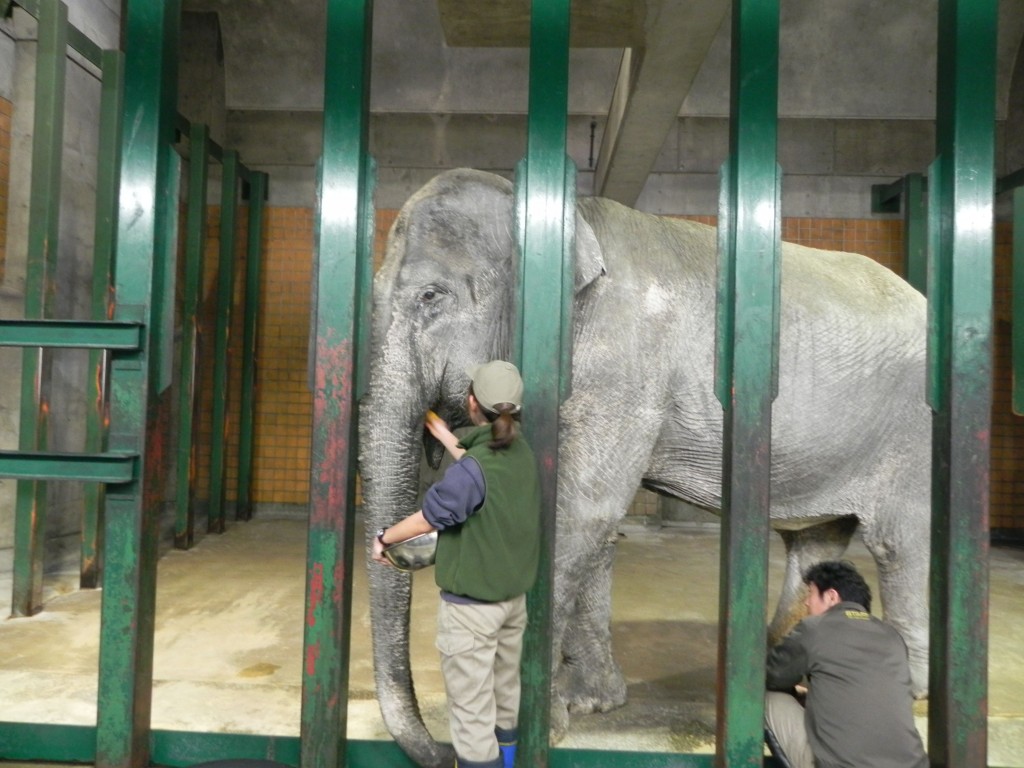
    Hanako was obviously excited to see her keepers and anxious for them to pet her. She offered her foot through the steel bars that divided the elephant and keeper spaces, leaned up against the bars and turned to receive pets on her backside and hip.

    She chattered to her keepers the entire time, soliciting and savoring their every touch. This was a side of Hanako I had not seen—her comfort with and attachment to her keepers.

    The keepers appeared to enjoy the interaction as well. But fifteen minutes later, Hanako’s allocated social time was over. As the keepers turned their attention to barn duties, I watched as Hanako slipped back into her detached state of mind.

    The thermostat was set, water barrel checked, food swept into a neat pile, lights turned off, doors closed and keepers gone again until tomorrow. Once again Hanako was alone.

    Failed by the system

    Hanako was denied a natural life of freedom with her natal family simply because humans are intrigued by this species. But humans failed her time and time again.

    Even if they wanted to, the zoo staff was unable to evaluate Hanako’s health scientifically. Hanako and her keepers weren’t trained to carry out basic health checks and her antiquated facilities did not provide a safe environment for medical testing or treatment. Aside from tranquilizing Hanako, there was no safe way to compile a comprehensive medical work up.

    The government owns and runs all the zoos in Japan. The keepers are rotated throughout the zoo system, transferred to a different zoo every two years. Knowing the social complexity of elephants, having keepers rotate in and out of Hanako’s life so often would have been stressful, even traumatic.

    Decades ago Hanako had an extremely close relationship with one of her keepers. After he died she reportedly became aggressive and as result was kept chained for a length of time.

    It is reasonable to assume that Hanako suffered both physically and psychologically from her lack of companionship and physical activity. In Hanako’s case, her social isolation was the most detrimental. But the damage inflicted on her by her isolation was never measured.

    Taking comfort in the familiar

    Hanako had a decades-long reputation of reacting negatively to changes in her facility and routine. As she aged, her tendency to be inflexible increased.

    Weeks before Hankako died, the zoo installed a safety fence on the outside wall of her barn. Their hope was that by providing a secure outside space, the keepers and Hanako would spend more quality time together, something we all agreed would benefit her. Although the fence was not one of my recommendations, I completely understood why the zoo made the effort.

    Unfortunately, directly following fence construction, Hanako refused to leave her barn. Since the construction was the most obvious change in Hanako’s life, it was blamed for her behavior.

    In her tender psychological state Hanako might have been frightened and even traumatized by the noisy power tools drilling into the wall of her barn. The noise and vibrations most certainly could be heard and felt by Hanako, locked inside. Although it is reasonable to believe she was upset by the construction, another scenario should also be considered.

    Hanako was dying, growing weaker day by day. Apparently she derived comfort from being inside her barn. She could conserve energy she would otherwise have wasted walking out to a barren yard that provided neither shade nor shelter from the cold. In her condition, the barn was likely the most comfortable place for her.

    Too late for Hanako but not for other elephants

    The zoo said that a necropsy will be conducted. The results will most likely point to death by natural causes. It is true that Hanako’s body condition was good for an elephant of her age, but there is no way to determine what her emotional and psychological condition were.

    Against all odds, Hanako lived to the ripe old age of 69. Surprisingly, she was not emaciated or crippled and did not develop osteomyelitis or the pressure wounds that are so common among elephants kept on concrete. But even though her body served her well, captivity took its toll on her heart and mind.

    Hanako’s celebrity increased near the end of her life as she became the focus of a worldwide effort to move her. It’s unfortunate her deprived existence didn’t come to light five years ago, ten years ago or even two decades ago, when she could have benefited from being moved.

    But, although Hanako did not benefit personally from her celebrity, other elephants will.

    Immediately after Hanako’s death the zoo announced the good news that it will not replace her with another elephant.

    The truth is that Hanako is irreplaceable.


  • New DJ&T Grant Funds Lambodhar Prasad Project

    New DJ&T Grant Funds Lambodhar Prasad Project

    Lambodhar PrasadElephant Aid International sincerely appreciates a generous grant from the DJ&T Foundation in support of our The Lambodhar Prasad Project: Freeing Nepal’s Chain Gang. DJ&T founder Bob Barker is known for his philanthropy on behalf of animals; EAI is delighted to have the foundation’s support for this revolutionary project.

  • Hanako

    Hanako

    Three days have passed since I was in Japan to meet Hanako and assess her welfare.

    Hanako has lived at the Inokashira Park Zoo for the majority of her 69 years. Her small concrete exhibit, antiquated dry moat and solitary existence are a far cry from what nature intended for this wild-born, highly evolved, social being.

    In a better world Hanako would have lived her entire life with her extended family of mother, sisters, nieces, aunts and grandmother. Knowing that Hanako has been denied her natural life has led many people to believe that she must be miserable.

    The common consensus was that moving Hanako to a sanctuary is the only way to improve her life. Under different circumstances that might be true.

    But after visiting with Hanako and seeing her for myself, I realized that moving her now, at this stage in her life, is not an option. I prepared a report for the zoo with many recommendations for how staff can improve her life. Moving Hanako to a sanctuary was not one of them.

    The news that Hanako will not be moved to a sanctuary resulted in an outpouring of emotional responses from her supporters worldwide. Many were angry. Some could not accept the fact that such a move would traumatize this geriatric elephant, causing her more harm than good. The universal reaction shared by all was mourning Hanako’s lost opportunity for freedom.

    No one is more heartbroken than I that Hanako will never experience her birthright, living in a natural environment with trees, grass and other elephants. It would have been a dream come true, if not for Hanako’s advanced age, lack of teeth, failing eyesight, frailness, change in sleeping habits (she no longer lies down to sleep) and inability to cope with change. Hanako’s reality is that she is a senior citizen in hospice care.

    I am convinced that zoo staff are sincere in their intention to better Hanako’s situation. Ulara, who is spearheading this effort for Hanako, will work diligently with them to implement the changes I recommended.

    Even though Hanako will not be moved from the zoo, the deficiencies she has lived with for decades will be addressed. The outdated moat can be filled in or fenced off to keep her from falling in. Rubber flooring is a quick and viable solution to hard, cold concrete surfaces. Additional behavioral enrichment objects will help stimulate and keep Hanako active. Strategically placed infrared heaters and automatic waterers will increase her comfort. And Hanako’s keepers, whom she is so very fond of, will be encouraged to spend more time interacting with her to satisfy her social needs. This arrangement is not perfect, but Hanako will benefit from the improvements.

    My goal for Hanako is to enrich her life while respecting her limitations. She is a grande old dame who has given her life to the people of Japan. In her final days, every effort should be made to bring her comfort and ensure that she feels loved, on her terms.

    Hanako’s Report submitted to the zoo

  • The Measure of Success

    The Measure of Success

    EAI’s Chain Free Means Pain Free project, which frees elephant from chains is the first of its kind in Asia. Honestly I was surprised to learn that such an effort had never before been attempted for the thousands of captive-held elephants used in the tourist industry all over Asia.

    Solar powered high tensile wire fencing is a simple and relatively inexpensive solution to the decades-long practiced of chaining elephants to a stake in the ground.

    Nepal chain free done Apr 2015

    When our Chain Free Means Pain Free project was completed in Nepal in April 2015, I breathed a sigh of relief and felt flush with appreciation for what we’d accomplished.

    It was not an easy project, working in remote areas, many times with no means to transport fencing materials, except on our backs. We crossed rivers, hiked through miles of jungle and dealt with hostile locals who saw the areas selected by the government for elephant corrals as their domain.

    And then there were the naysayers, people incapable of embracing change, who made progress slower than necessary.

    But through all the trials and tribulations, downpours, leaky roofs, river crossings, miles hiked in the searing heat and skeptics, we prevailed, creating corrals for 54 elephants and releasing them into their personal chain-free sanctuaries.

    Without exception, introductions to the corrals were a phenomenal success, including for a few adult males with long tusks. Why not? The elephants clearly understood the freedom they were being given. Freedom and autonomy are great healers for a soul enslaved for decades. Each, without hesitation or concern, melted into the lush habitat that was their new home.

    Mahouts feared change

    Before their elephants were released from chains, the mahouts lost sleep, fearing that their elephant would take advantage of the freedom and become feral.

    The consistency of the their fear surprised me. I naively assumed that mahouts knew elephant behavior and understood that freedom from chains reduces stress, which results in the elephants relaxing and becoming more cooperative. But they thought the opposite.

    It was from this experience, repeated with every mahout, that I learned how little mahouts actually know about elephant psyche and behavior.

    Hours spent in the hattisar (elephant stable) with the mahouts and the elephants taught me that most mahouts do not recognize an elephant’s most characteristic behaviors, such as playing, socializing, bonding and grieving.  Mahout knowledge is limited to how to control an elephant and avoid getting killed. So much of what they think they know is superstition and folklore.

    The first time the mahouts observed an adult elephant playing in her new corral they panicked. The mahouts wanted to stop her, control her, because they thought she was becoming aggressive. Awareness of an elephant’s emotional life or physical suffering is not something they are taught. Even minor physical problems are ignored until they become serious and require veterinary attention.

    Different approach to unchaining pays off

    As result of the time I spent observing the mahouts with their elephants, I realized I needed to approach the unchaining process differently. I needed to teach the mahouts about their elephants—their behavior, fears, likes and dislikes—and explain why unchaining affects elephants in a positive way.

    This approach paid off. Even though some mahouts remained skeptical, most felt more confident in my promise that their relationship with their elephant would get better, not worse.

    No success without sustainability

    Another lesson I’ve learned though our Chain Free Means Pain Free project is that we must build sustainability into foreign projects.

    It is not enough to provide a great product with stellar results if the locals are not able or willing to sustain it.

    I returned to Nepal eight months after completing 54 chain-free corrals to find that few were actually still functioning and being used. I was devastated.

    It seemed incomprehensible that minor repairs were not even attempted. In some cases, fully functioning corrals housed elephants on chains!

    But I knew there had to be a solution. I simply would not give up. Sustainability is the measure of success and I was determined to keep these elephants off chains.

    EAI hires Nepali manager

    Last November, thanks to generous underwriting from supporter Donna Marshall, EAI hired a manager for our projects in Nepal.

    Kulendra Kunwar

    Kulendra Kunwar, a native Nepali, was well known to EAI prior to being hired. He’d volunteered in the spring of 2015 during corral construction at the largest hattisar in Khorsor. He proved to be a valuable asset then and the perfect manager for our project now.

    In just a few short months, thanks to Kulendra’s ability to repair corrals and educate and motivate the mahouts, 14 out of 15 hattisars now have corrals that are fully functional.

    Of these 14 hattisars, all but two keep their elephants chain free 24/7. Those two keep their elephants chain free during daylight hours but, due to fear of the area’s poisonous king cobra snakes and tigers, the elephants are chained close to the home fires of the mahout housing at night.

    New mahout housing means chain-free elephants

    There is an easy solution for the two hattisars (Sukivar and Khoria Mohan) that fear the poisonous snakes and tigers.

    Currently, the mahout housing—a simple two-room wooden shack, outhouse and outdoor cooking area—is several hundred yards from the corrals.

    If we raise the funds to build mahout housing adjacent to the corrals, the elephants will be left off chains 24/7.

    Our goal is to raise $16,500 for improvements at the two hattisars. As soon as the funds are raised, housing in both hattisars can be built and the elephants can once again be left chain free 24/7. If you would like to donate, you can do so here.

    I am quite the optimist, dogged about my dreams. Hard work and seemingly impossible challenges don’t scare me off, although I do wonder why some things have to be so difficult. Then I remember that there is Nepali time and there is U. S. time, polar opposites in many ways. But there is never a time to give up.

    Please join me in continuing to dream the dream that releases elephants from chains, reunites loved ones and changes culture to benefit captive-held elephants and the people who care for them.