Blog

  • Elephant Nature Foundation Surin Project

    Elephant Nature Foundation Surin Project

    While in Thailand, I spent one week with Alex Godfrey and a passionate group of volunteers, participating in the Elephant Nature Foundation Surin Project.  The project is grand, with much planning, dreaming, and manifesting ahead. Such a project requires a special person at the helm. The Elephant Nature Foundation has found that person in Alex Godfrey.

    A world traveler, Alex exudes competence beyond his twenty-something years. His youth serves him well as he has not been soured by disappointments; he sees no mountain too high to climb. I am confident that this talented young man will continue to have a profound impact on the welfare of captive elephants. The success of his Surin Project will undoubtedly be a model for captive elephant facilities of the future.

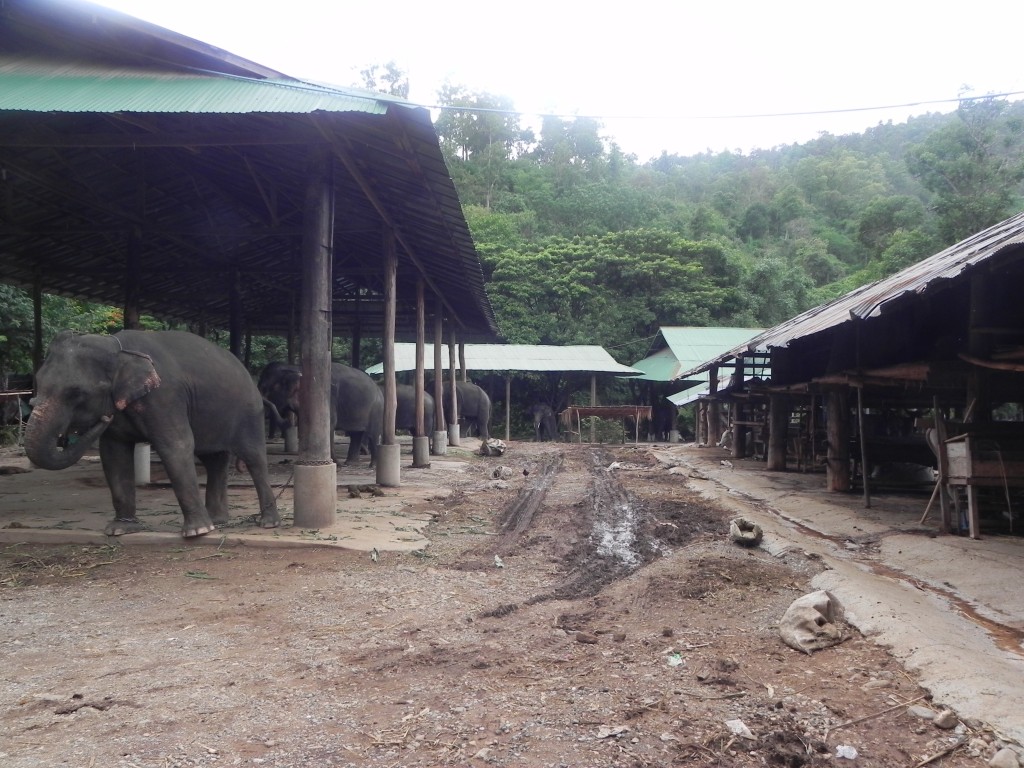
    In its infancy, the ENF Surin Project is providing an alternative lifestyle for 7 elephants and their mahouts living in a government-run elephant “camp.” The project operates inside the physical boundary of the greater government program, the Surin Project, designed to remove begging elephants and their mahouts from the streets of big cities in Thailand.

    As part of the government-run program, each elephant owner is given a small spot of land for his elephant. The government pays each owner a monthly stipend to keep his elephant at the camp during the day, instead of begging on city streets. Additionally, the government has created a show arena at the camp, where elephants perform for the public twice daily. There is nothing unique about the shows — tricks, elephants painting, and elephant rides — the standard fare. Elephants who perform in the shows receive additional funding, another incentive to remain in the camp.
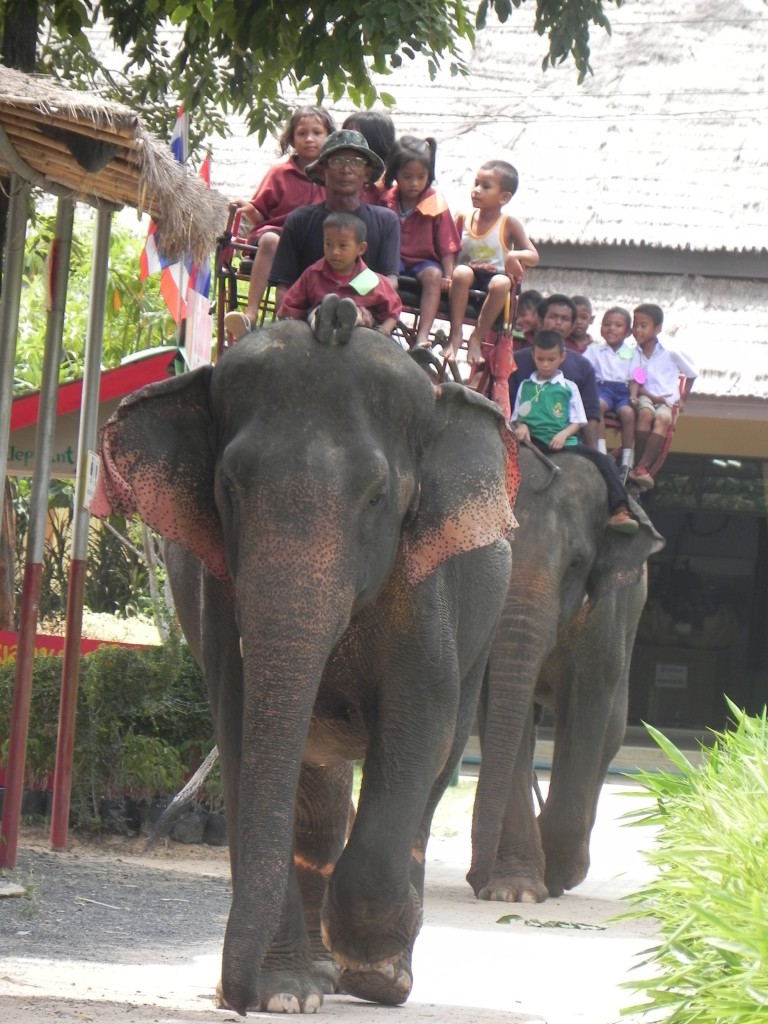
    In an effort to gain her support, the government invited Lek, founder of the Elephant Nature Park (ENP) north of Chiang Mai, to participate. But although the ENF project operates within the government program, it could not be more different.

    The ENF Surin Project aims to shift the paradigm, creating an elephant friendly program that will benefit elephants, country, and elephant enthusiasts. It is well on its way to accomplishing its goal. With ingenuity and sheer determination, the ENF Surin Project demonstrates a healthy alternative to the exploitive practices so prevalent worldwide.

    The project centers on several elephants and their human families. Provisions are provided for elephants and humans; the program is, by design, meant to be self sustaining. Funds and labor provided by volunteers are the backbone of the project. Volunteers from all over the world pay to spend a week immersed in camp culture. In personalized home-stay fashion, volunteers stay in a private room of an elephant’s family home. Bathrooms are modern and the accommodations are clean. Volunteers are invited to participate in the family’s daily routine, which includes care of their elephant(s).
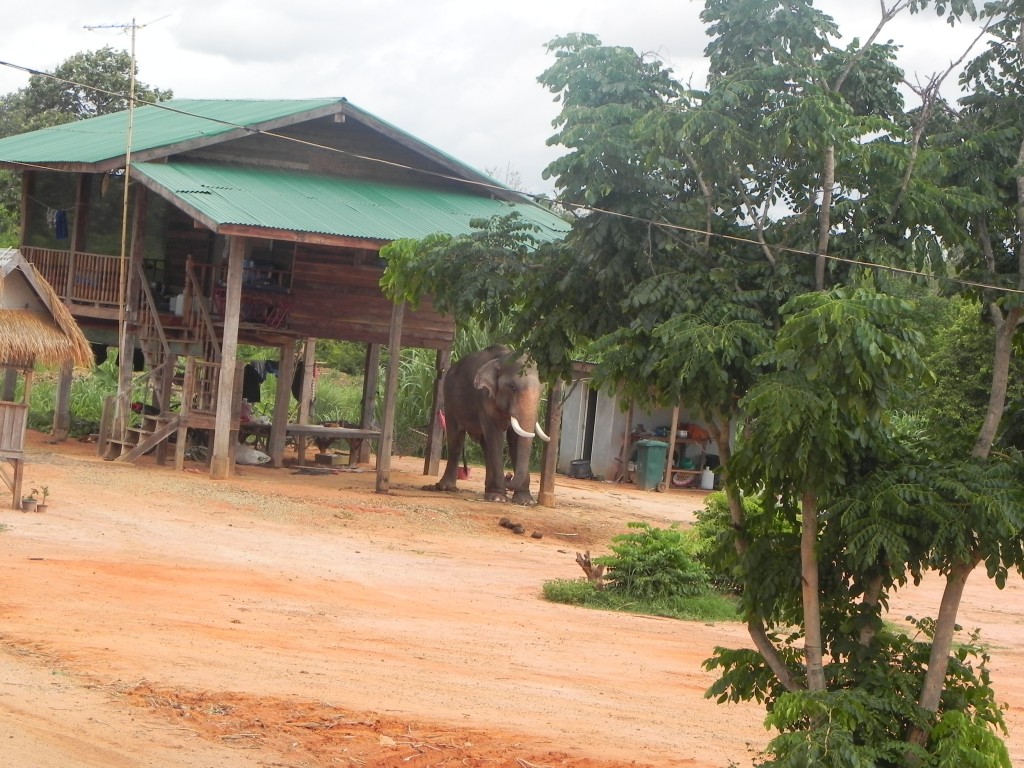
    The concept is perfect. The volunteer immediately becomes part of the family with an opportunity to learn firsthand the trials, tribulations and joys of Thai living and captive elephant care.

    This program is focused on putting elephant welfare first. The elephants benefit greatly because they are not forced to undergo intensive and continued training in order to give tourists rides and perform in shows. Instead, they are taken out into the fields and wooded areas during the day. While volunteers engage in soil preparation and planting elephant food crops such as “elephant” grass, bamboo and trees, the elephants are chain-free, allowed to engage in species-specific activity.

    Eating dominates an elephant’s life. Elephants spend nearly every waking hour — 20 hours each day — searching for, selecting, collecting, and consuming vegetation. It was awe-inspiring to watch these elephants forage for food while we prepared land and crops for their future.

    In a culture in which bathing is a ritual, it is not surprising that elephant bathing is customary. Nothing is more rewarding than to sit on the bank of a river or pond when a family of feisty elephants takes the plunge. Age is not a limiting factor when it comes to playing — water brings out the kid in all elephants. They roll and tumble together, calves clamoring over others, splashing with their trunk and feet, flopping onto their sides in glee, causing a wave that swamps others.

    The elephants participating in the ENF project are the lucky ones. Others in the camp — close to 200 — stand chained by one leg, many out in the direct sunlight, swaying back and forth in an effort to escape mentally from their reality.
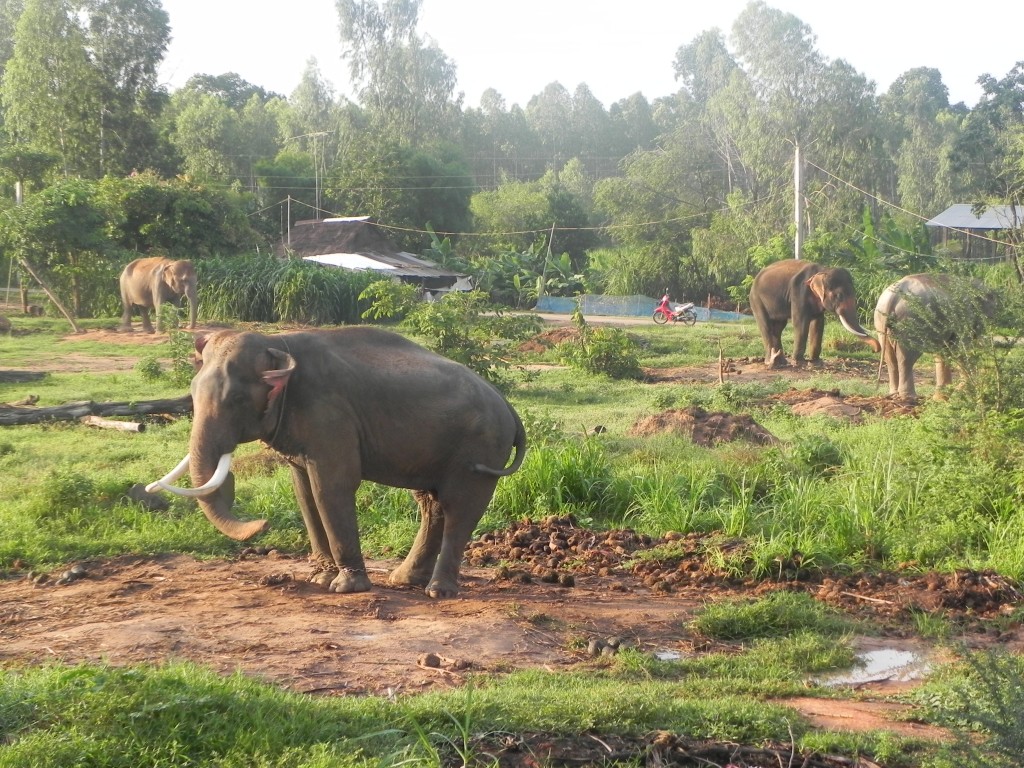
    Knowing that the ENF has an opportunity to change the situation for other elephants is what drives Alex and the volunteers to do more. Continuing to develop this already stellar program is essential.

    We owe the Elephant Nature Foundation, Alex Godfrey, ENP and all the volunteers involved a huge thank-you for their dedication. My sincerest hope is for the continued success and expansion of the ENF Surin Project.
  • BLES has rescued again!

    BLES has rescued again!

    My last day with Katherine and Anon of BLES was spent driving hours to find a baby elephant reportedly in trouble. Upon our arrival the calf was nowhere to be found, but we were introduced to Wassana.

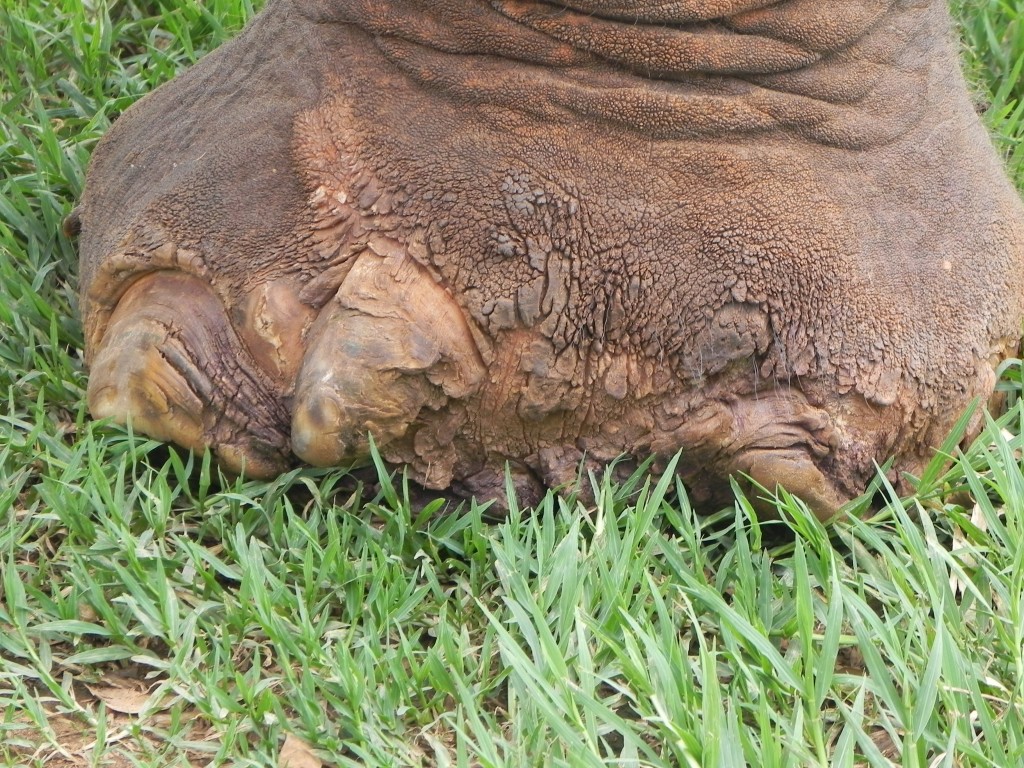
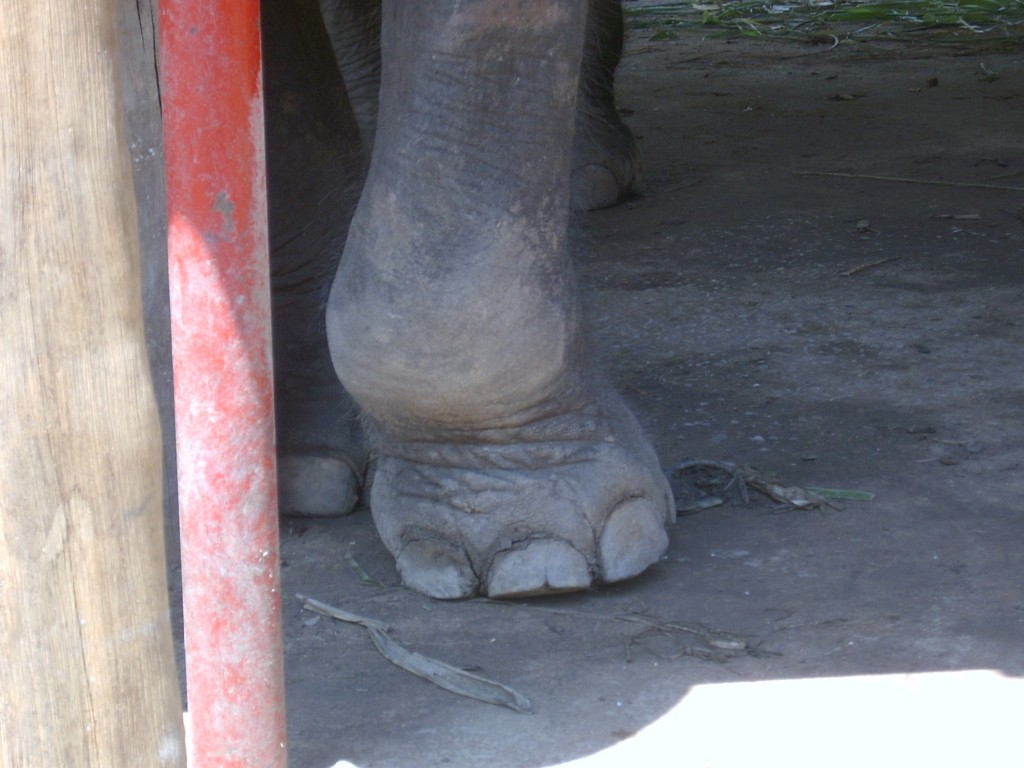
    A mature elephant of more than 40 years, Wassana was being used for tourist trekking.  Her pronounced limp brought attention to the serious injury she had sustained some time ago. A large section of her foot, including a toe and nail, had been blown away by a land mine. Like so many other working elephants, this injury happened while Wassana was being used for illegal logging.

    With heavy hearts we drove to another tourist trekking and show camp to find baby Pheung Yai. When we arrived I nearly shut down, unable to process the magnitude of suffering experienced by the elephants in this camp.

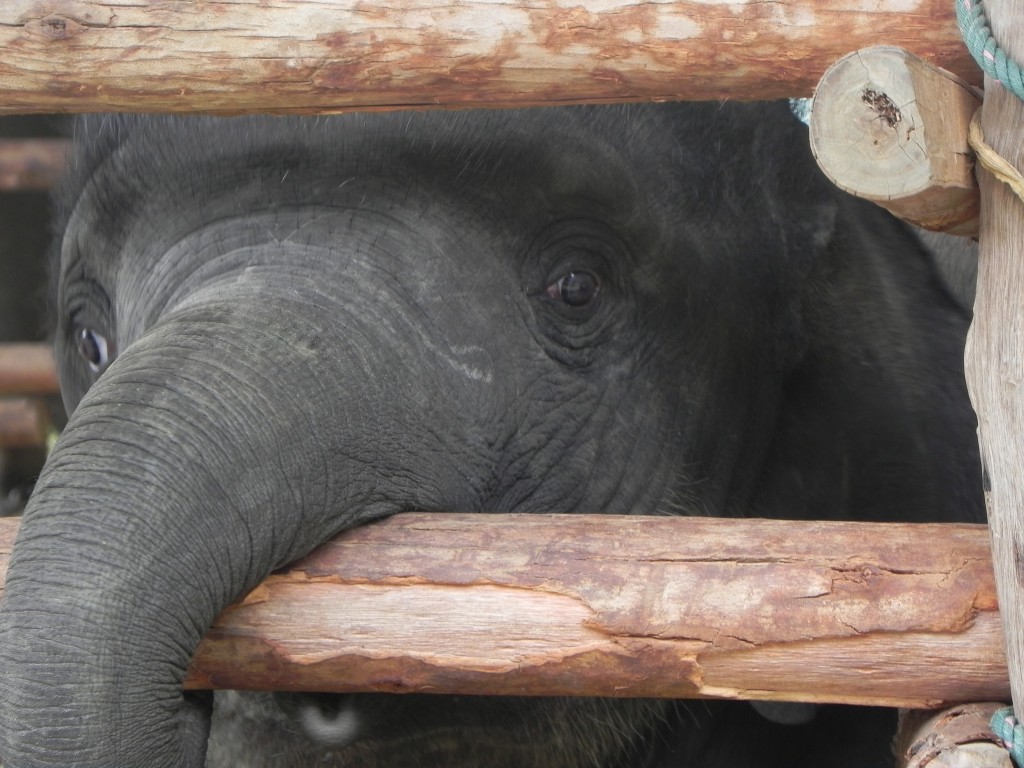
    Over the next several weeks Katherine worked diligently, negotiating and fundraising. Thanks to the generosity of many supporters, BLES was able to rescue not only Wassana, but the tiny baby Pheung Yai, as well.

    BLES is providing a humane alternative for Thailand’s jewels; without a doubt, guided by Ganesha.

  • Another Update on Baby!

    It’s a heartwarming step in the right direction. Baby has been reunited with her mother. Those who were fortunate to witness the reunion said the two appear quite content to be back together again. Unfortunately, Mom’s milk has already dried up.  The lack of abundant fodder was most likely a contributing factor. As result of the scarcity of food, both Mom and Baby are a little gaunt. But being back together has had a positive impact on them.

  • Déjà vu

     August 3

    Sitting at my desk, surrounded by the clutter of too many papers, on too small a surface, I froze. Time stood still as a strange feeling rise from my toes and landed in my heart. For a split second, everything was crystal clear.

    You know that sensation. The one that makes you swear that you have “been there” before. You grab at the memory which dangles just out of your vision. The sense of two worlds hovering side by side is pleasantly overwhelming. As quickly as the sensation hits, it’s gone.

    Personally, I take it as a good omen. It’s not surprising that this sensation hit as I was hand writing thank you notes to supporters. It was a memory hick-up; combining the magic of the past with the promise of the future.

    International Elephant Aid.  I should have named her Déjà vu!

  • Education is the Key

    July 29

    Earlier this week I was once again on a plane. My mission was to assist in animal control officer training. The more an officer knows about elephants, the better equipped they are to protect elephants and the public.

    The officers were seriously interested in the information provided. From my assessment, their new knowledge will enhance their ability to identify elephant suffering.

    Animal control officers are on the front lines. In some cases, they are a performing elephants’ only empowered champion. The more informed these officers are, the greater their chances are of protecting performing elephants in their jurisdiction.

  • Rewarding Work

    The other day I hopped back on a plane and flew to California, to provide expert testimony before a city council.

    I presented information in support of a local effort that would ban animal circuses inside city limits.  It was encouraging to see the number of citizens who had came to the meeting, to show their support of the ban.

    One woman approach the microphone, practically in tears. She explained that she was not aware of this effort prior to attending the meeting. Instead of speaking to the city council members, the woman turned to the supporters of the ban and thanked us for speaking out for the animals.

  • Visiting Tarra

    July 22

    I know you are all wondering when I will see Tarra. I share your curiosity.

    Mary Baker, acting CEO, responded to my request to see Tarra with an email. She said, “Since your attorney has threatened legal action against the Sanctuary, I am unable to respond to this email [request to see Tarra]. Please ask your lawyer to communicate with the Sanctuary attorney, Bob Boston, on any matter related to the Sanctuary.”

    My attorney tried to contact Bob Boston immediately after I received this email (July 22, 2010-10:14 AM) and was told that Bob Boston is out of town.

    I suggest that you not get angry.  This unwillingness to communicate and discuss the issues is how Baker and the Board have handled this situation from the beginning.

    This is what attorneys are for; I will let mine handle it.

    In the meantime, I will continue to think positive thoughts for Tarra and all of the girls. The idea that the Board would hold any of them hostage is quite telling.

    Distance is irrelevant when two hearts are joined. Tarra knows I love her.

    Carol

  • Update on Baby

    July 18

    This report just in on Baby in Surin. Even though we were all hoping to see a visible improvement in her eating habits and weight gain, that is not the case. At least, according to Alex Godfrey, project manager, The Surin Project/The Elephant Nature Park Foundation, Baby does not look worse.

    Alex was encouraged to learn from the Royal veterinarian that he had made a house call to see Baby. Following his examination the veterinarian felt that Baby was doing better.

    Our offer to send Baby to the government hospital, all expenses paid, is still an option. Now that the Royal veterinarian is involved, Baby’s case should be viewed as high priority. Much thanks goes to Alex. He has done a stellar job of bringing attention to Baby’s health condition, including meeting with the veterinarians and the Governor to discuss her case. I am sure he will continue to keep us posted.

  • Reunion

    Reunion

    July 16

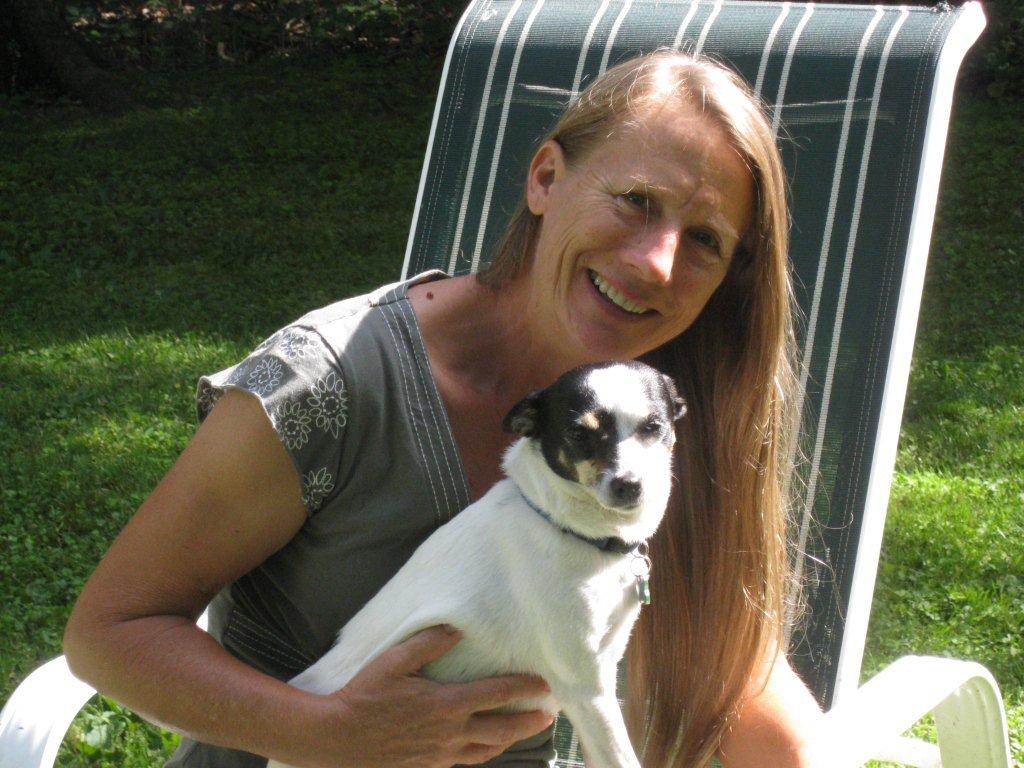
    Java and I are reunited. She looks marvelous. Java’s Auntie Kate provided a loving home for her in my absence. I am eternally grateful.

    Java managed to maintain her girlish figure thanks to her new circle of admirers resisting the temptation give her “just one more treat.”  Believe me, I know the will power it takes to resist those big brown eyes begging for another treat. A huge thank you goes out to all who resisted the temptation.

    Although Java showed little interest in the neighbor dogs, she enjoyed her thrice daily runs in the Woods at Hughes. From what I hear Val, Steve, and Cyrus were definitely to her liking, with Steve having the lap of choice.

    Thanks to everyone who made this transition and temporary separation a positive experience for Java.

  • I’m Back

    Upon my arrival in Tennessee, the temperature, humidity level, vegetation, forests and even the rainfall caused me to question if my flight from Thailand had even left the country. The similarities between the places I visited in Asia and the home of the elephants I helped rescue is striking. It’s like a mirror image.

    I am back, for how long I can’t yet say. There are numerous opportunities that I must consider and many projects to participate in.

    But first I must thank each of you who helped to make this trip to Asia possible. It was another instance where I had to close my eyes and take a leap of faith!

    Being unemployed and having no funding for the trip made the idea of it seem impossible. Even though I am a seriously thrifty person, one can only stretch minimal funds so far. When I considered what I wanted to do — learn firsthand how elephants live and are cared for in Asia — I knew what I must do. I believed that the support would come and of course it did.

    Not from The Elephant Sanctuary or other sources that you might expect. The funding came in the form of in-kind support from people who authentically care about elephant welfare: a room, food, a car and driver to my next destination. Even my camera and computer were provided days before I left for the trip; essential tools to document the elephants and their environments.

    I am eternally grateful for these gifts, your monetary donations to International Elephant Aid, and your moral support. Doors were opened and introductions made that have already created a ripple of change for Asia’s elephants.

    A huge thank you goes to Christy, Suparna, Varma, Dr. Sarma, Dr. Mikota, Lek, Katherine and all the others who arranged for me to see hundreds of Asia’s elephants in the wild, government camps and temples and under private ownership.  I believed that the support to explore the needs of Asia’s elephants would materialize and it did.

    Thank you for helping to make it happen,

    Carol

  • Corbett National Park

    Corbett National Park

    June 4-6, 2010

    I put off writing about Corbett National Park because I wanted to be sure my entry did it justice.

    This park was perfect in nearly every way. Even the guest houses were fenced to ensure wildlife protection. The first night, just after dark, I learned why.

    Under a cloak of darkness a young tusker approached the entrance to the compound. His ivory tusks gave him away, glistening under the fluorescent moonlight. He stood perfectly still, close enough to touch, close enough to drop a heavy tusk on the hot wire, which would immediately short out and give him access. He waited, I waited. He turned and walked away, hopefully to return another night…

    The flight to Delhi was uneventful, even pleasant. I realized the comfort I derive from familiarity. I was in my element, having flown more times than I can remember. My heart went out to these people wandering aimlessly through the plane trying to figure out where to sit. As I watched, it struck me that some passengers — in fact, most of the Indian passengers — were having problems because aisle and seat numbers were in English.

    Within minutes of arrival I was in my car and on the way to Corbett Tiger Reserve. This park is known for its tigers and elephants. I arrived too late in the day to go into the park, which is where my lodging was, so I stayed in a guest house. It was hot, sticky and not inside the park, but I knew it was a temporary delay. The next morning I found myself struggling to communicate with the young man who had been hired to drive me, the guest house manager who was trying to get me checked out of my room and a tour guide who showed up to help me. I was not sure if the guide had really been sent to assist me or just saw me as a potential tour client. So I made the best of it and got in line at the Forest Department office, hoping I would get a ticket inside.

    As luck would have it, an English speaking man was in line in front of me. Go figure — for the past many weeks I had seen very few non-Asian people, most of whom spoke English as a second language. When I balked at booking an overnight in a coed dorm room, the man turned to me and said — in perfect English, I might add — “My wife and I are booking the dorm room if that makes you more comfortable about booking there.” Yes, that did it. If an English speaking woman was going to be in the dorm room that would work for me. It turned out that the three of us would spend a fair bit of time together over the next two days.

    Dr. Christy Williams had made the arrangements for my time in India. As a result, I was seeing many things I would have otherwise not been privy to. Our mutual goal was that I see all of the different ways elephants live and are cared for in India, both in the wild and captivity. So far I was having an extensive exposure to both, but I never expected what I saw in Corbett.

    Up at dawn, the jeeps fanned out in different directions. Most tourists wanted to see tigers; my driver and guide knew I only had eyes for elephants. Pratap Sing was a knowledgeable and enthusiastic guide; his English was fairly good. He introduced himself and confirmed that I wanted to spend my time observing elephants. A huge smile spread across his face as he instructed the driver to reverse a few hundred yards and then head in the opposite direction of the other vehicles.

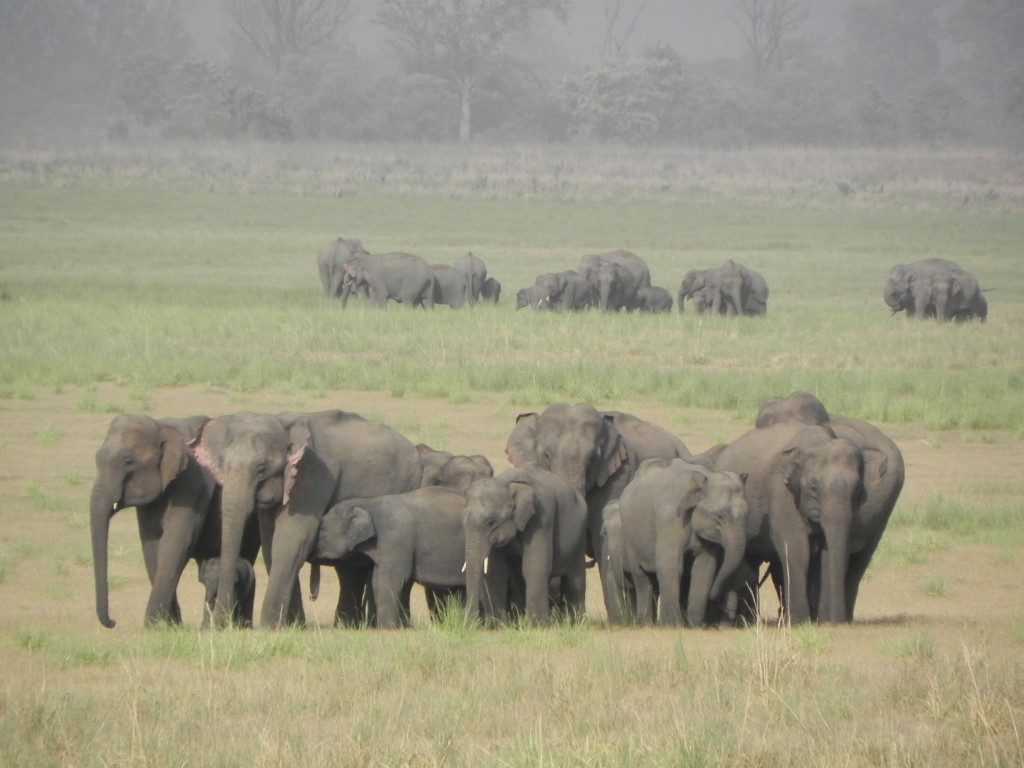
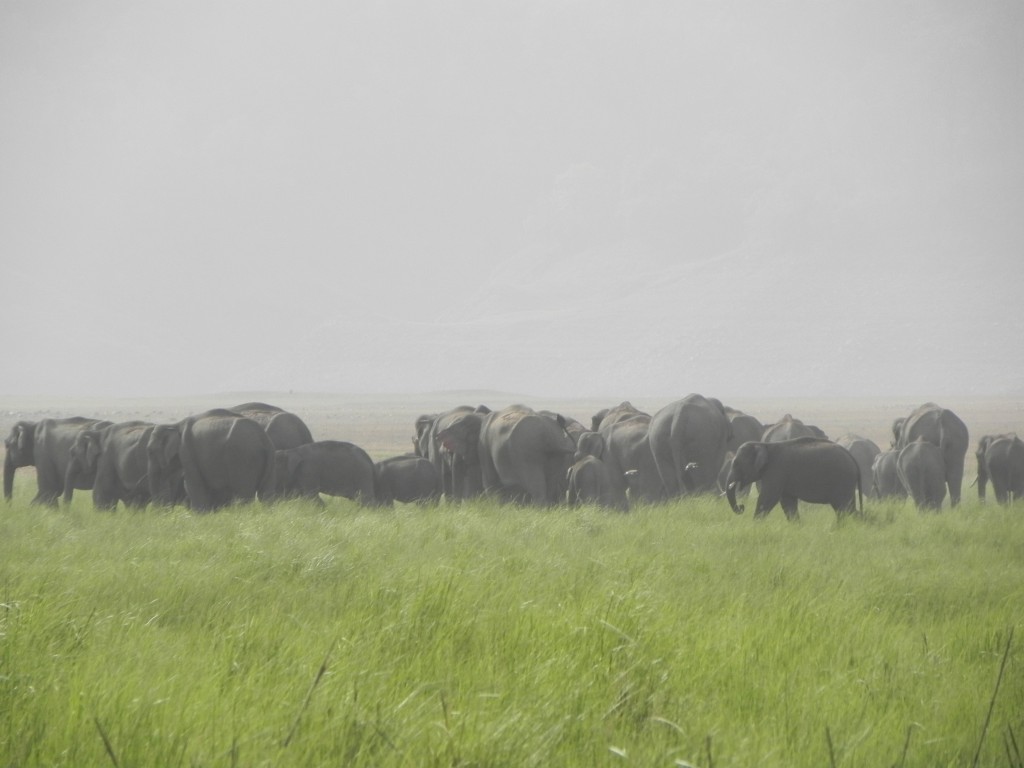
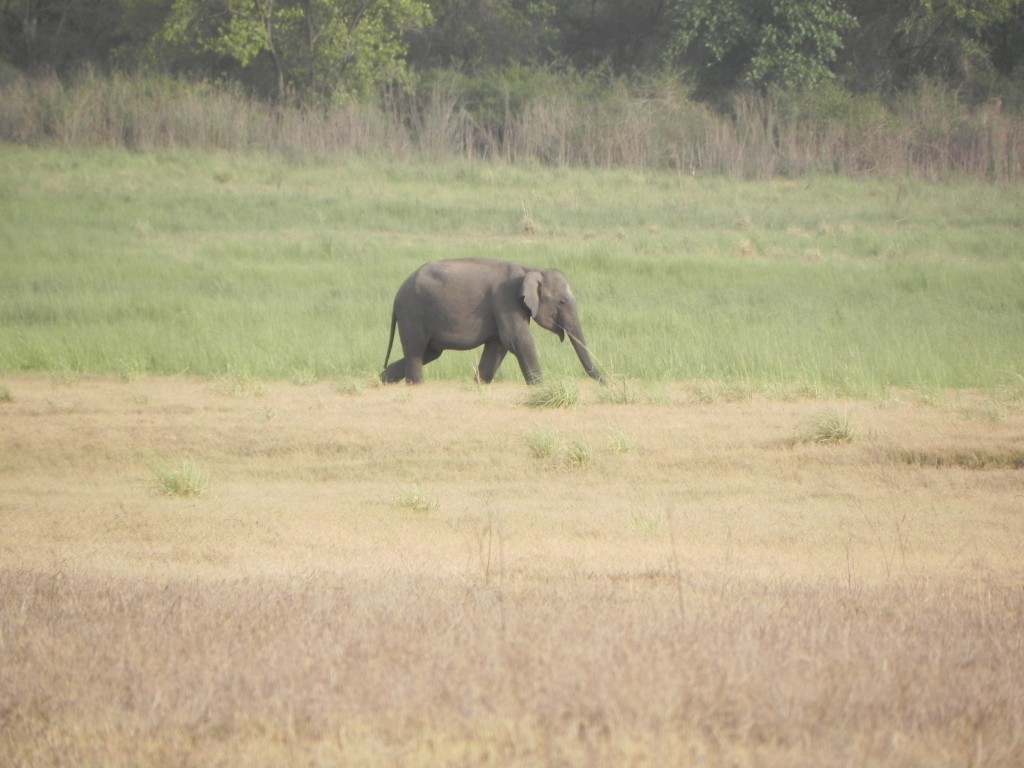
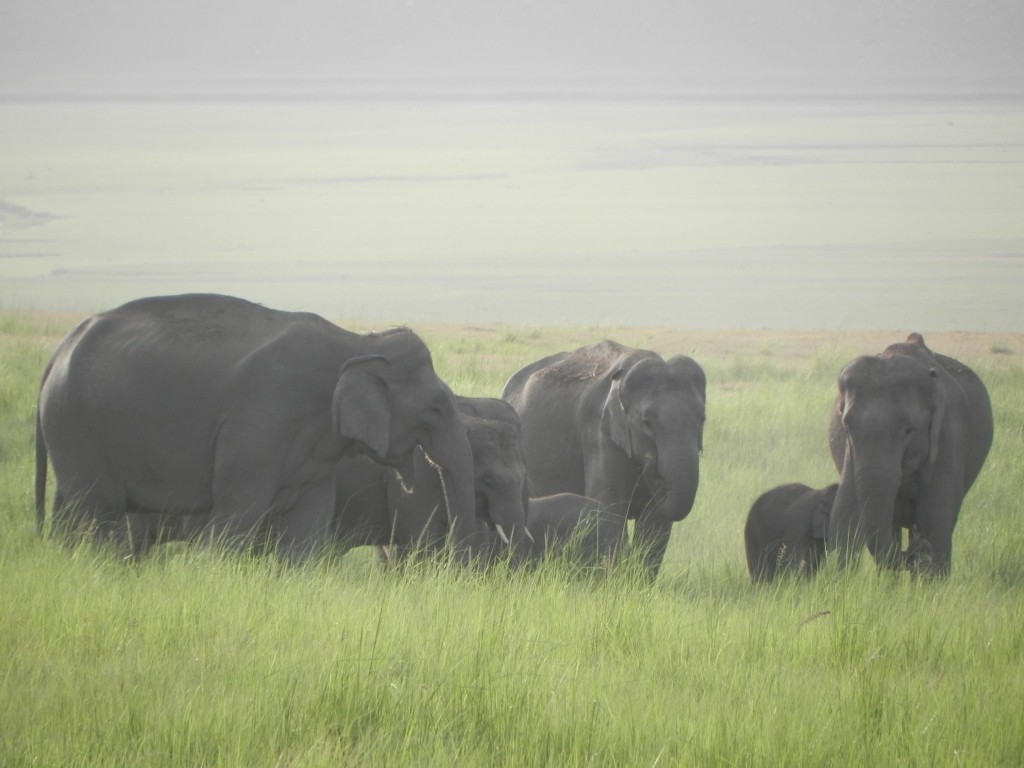
    The forest was impressive, with mature trees and dense vegetation. As we emerged from the forest into a sea of pasture the sight was like Jurassic Park — elephants everywhere. There were four families grazing this morning, more than 100 elephants in total. Within a couple of hours there would be little trace of them as they would retreat back into the forest during the hot midday hours. But for now they grazed contently.

    I watched as each family moved in unison, forming a tight knit group around the babies when vehicles got close. The four herds did not intermingle, although I did observe an interesting sight. Two adults and a calf broke away from their herd. The calf darted out ahead with the adults in fast pursuit. One adult stepped in front of the other, stopping her abruptly. The calf returned to her mother. They all changed directions but then the mother and calf spun around in the opposite direction again and started running. Again the other cow cut them off. This went on for almost fifteen minutes; all three maneuvering back and forth across the empty expanse between two herds.

    At first it looked like the calf was trying to run away. But later it seemed that one adult was trying to prevent the calf and other adult from leaving the herd. As the dance unfolded, it became obvious that the mother and calf wanted to visit the neighboring herd and the other adult was trying to prevent them. In the end the mother and calf succeeded in joining the other herd, followed by vocalizations and many trunk embraces. Apparently they were related.

    Amazingly, there appeared to be an equal number of calves to adults in all four families. With the exception of the one mother and calf and a tusker, the herds did not mix.

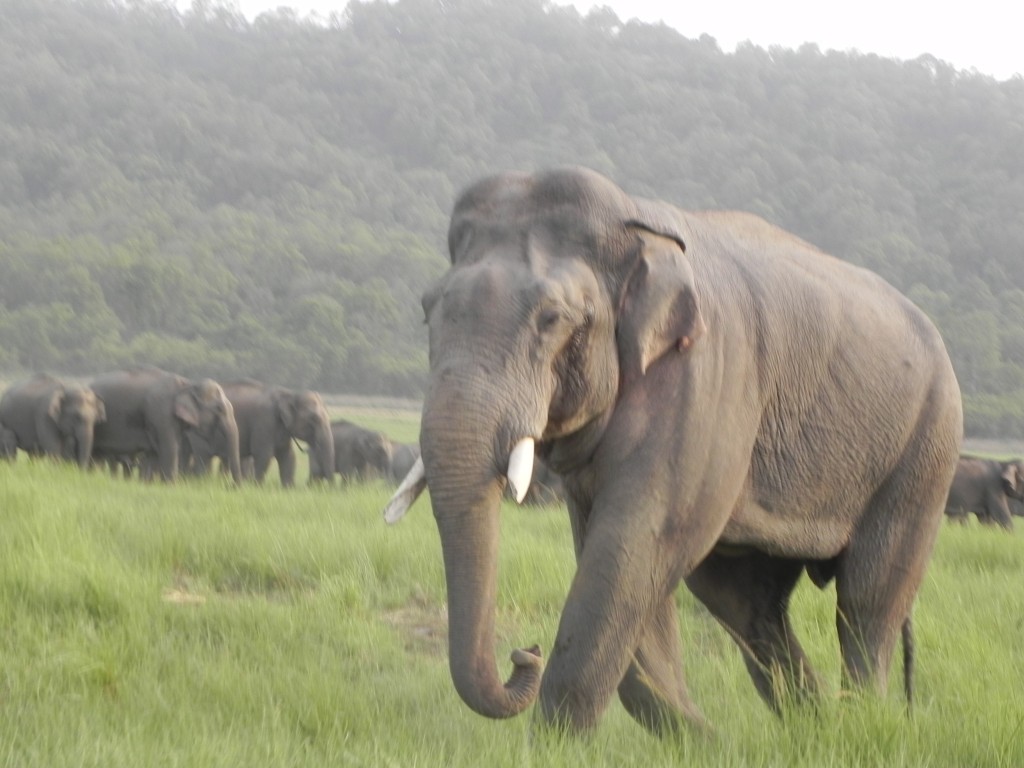
    A magnificent bull casually meandered across the grasslands, fusing with each herd calmly and methodically. The females showed awareness of his approach, but not the calves — they were deep in play. The adult females would halt their feeding activity and stand still silently. As the tusker approached, they would gracefully turn from him and, in most cases, take a step or two in the opposite direction. None ran but neither did they approach him. The majority of females displayed a bit of tension upon the male’s approach and seemed to relax after he left.

    The tusker calmly approached a few females, scented them and, after remaining for a few minutes, moved on to another area, another herd. He was in full-blown musth. Anyone in the grassland area with a decent sense of smell, could detect his presence. His pungent odor wafted across the vast area, carried by the gentle breeze.

    The mesmerizing scene lowered my heart rate and sharpened my senses. I took in the panoramic vision of nature’s finest. I spent hours just breathing in the live image of elephant family activity. Each family had several young calves. All were nonstop activity. The sight of so many young elephants intermingled with aunts, mothers, sisters and young brothers was touching. Although I wished he had been able to grasp the gift that stood directly in front of him, even the impatient fidgeting of my bored young driver was easy to dismiss.

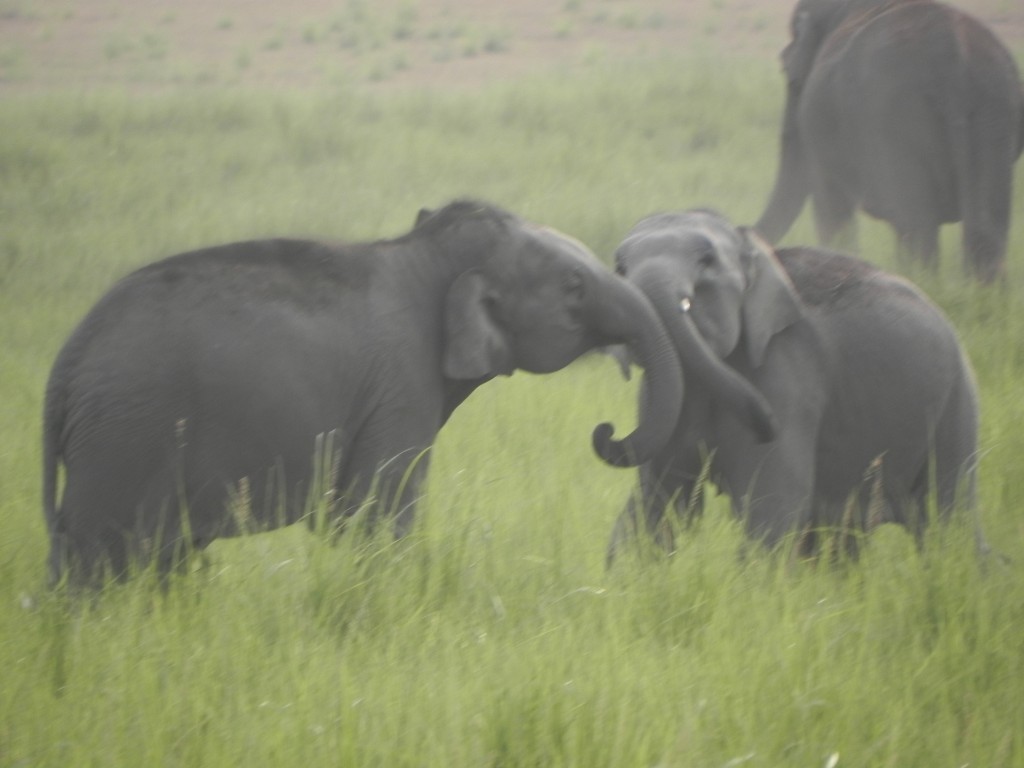
    The calves raced around the others, pushing head to head with entangled trunks draped over each others face. The male calves appeared to be more physically assertive but the females held their ground most of the time. Whenever the ele-play involved two young males the action would accelerate.

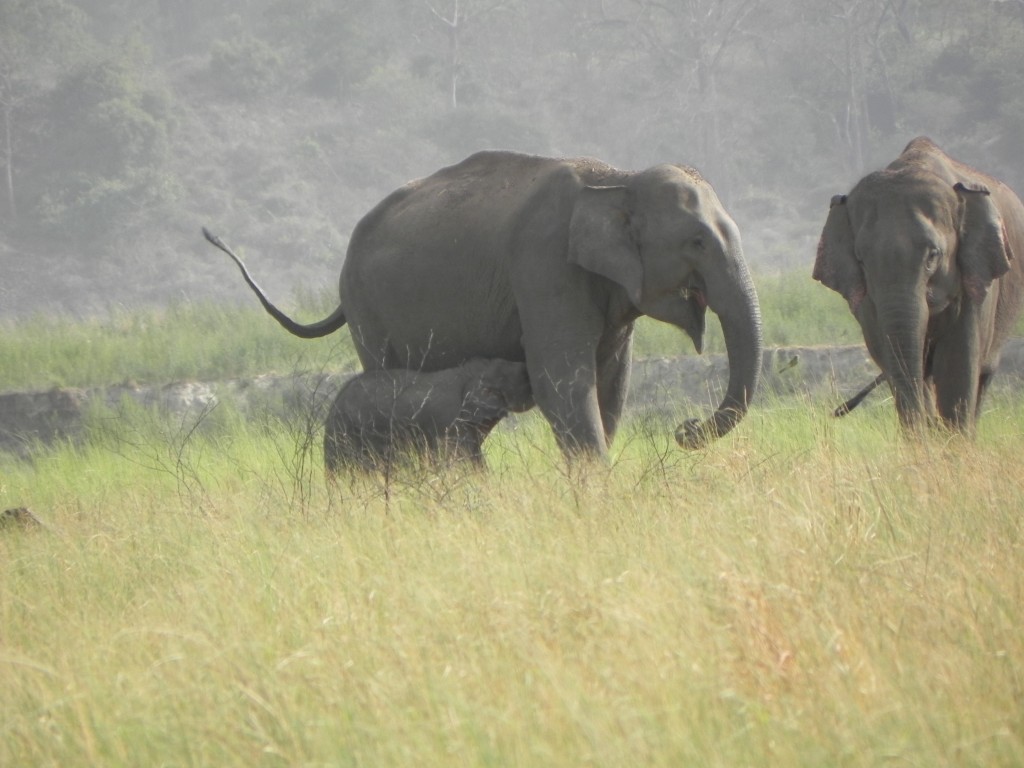
    Mock breeding and competitive pushing matches dominated the interaction. One young male, determined to demonstrate his superior strength, pushed his playmate down to the ground, all in play. The other male took full advantage of the opportunity to tumble to the ground, roll around in the tall grass and toss his legs into the air in glee. These calves played nonstop, with the exception of a periodic pit stop when they refueled from mom or an auntie.

    It is amazing to watch a calf interact with their family; everyone is a babysitter. Young siblings engage in the roughhousing, obviously refraining from using their full strength on the little ones. The young sisters and female cousins are particularly gentle with the calves.

    As the herds relax, they spread out along the horizon. It is only when the calves call out and run to their mothers that the group protectively closes up like a clam shell, calves hidden in the center.

    I was fortunate to observe these elephant families for two full days and a third morning. They were strikingly healthy. One herd, the dominant herd, could be identified because each member was just a little overweight! Christy explained that the dominant herd controls the best feeding areas and, as a result, gain more weight.

    Knowing that our financial support in a small way has helped these elephants remain free and safe brings me great joy. To watch the families interacting, living the life meant for them, I could not help but wish this for all of India’s elephants. Safe freedom…it is possible. Protection of wildlife and the habitats they require to survive should be a priority, not only for India but for the every country.

  • An elephant palace…not

    An elephant palace…not

    July 6

    I took the overnight train from Chiang Mai to Bangkok for my final day in Thailand. I was asked to visit one more location before leaving the country so I hopped on the train, back in the direction I had just come.

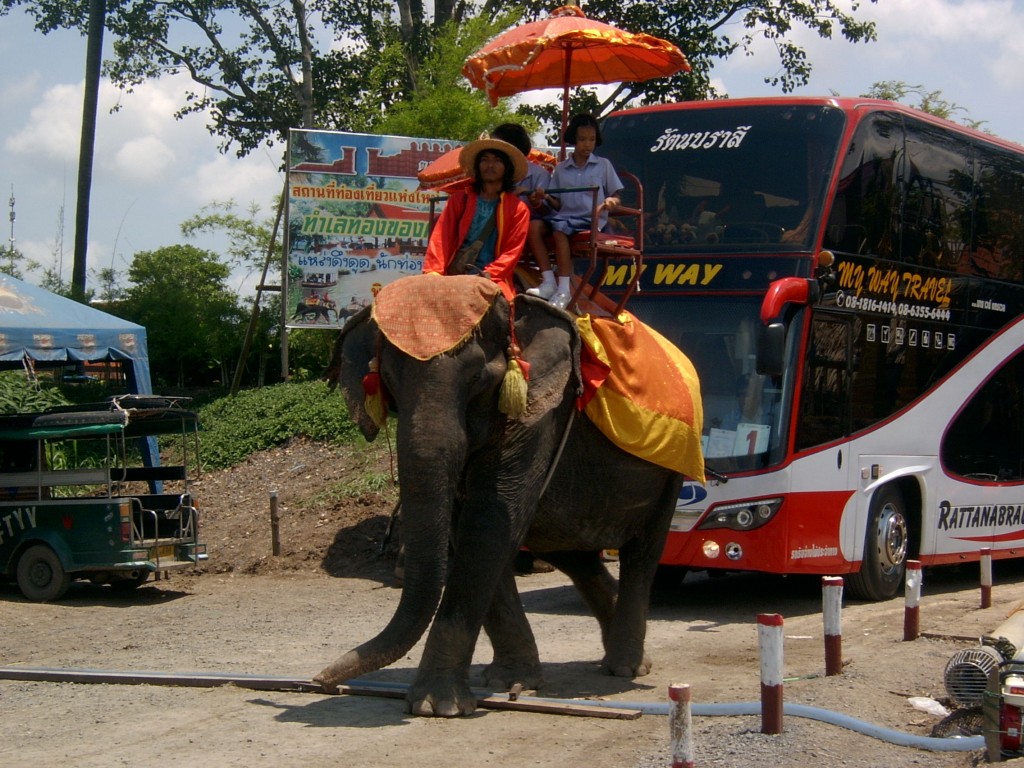
    The Elephant Palace, also known as the Elephant Village in Ayutthaya, is a blazing symbol of what has become of Thailand’s revered elephants. Reduced to a tourist attraction with no resemblance of their true selves, blanketed elephants are paraded in crowded lines, laden with smiling tourists.

    I will admit this experience, and the life these elephants are subjected to, hits an all time low for Thailand. Advertised as a historical experience on elephant back, riders are treated to a ride on a gravel road flanked by idling tour buses spewing smelly diesel fumes.

    At the end of the 100-yard gravel road, the elephant is directed back to the loading platform. On the left stand the ruins, but towering tour buses blocked the riders’ view.

    The elephants became jumpy as tour buses drove within inches of their backside. Mahouts responded by turning the skittish elephant to face the offender, allowing the diesel spewing machine to pass.

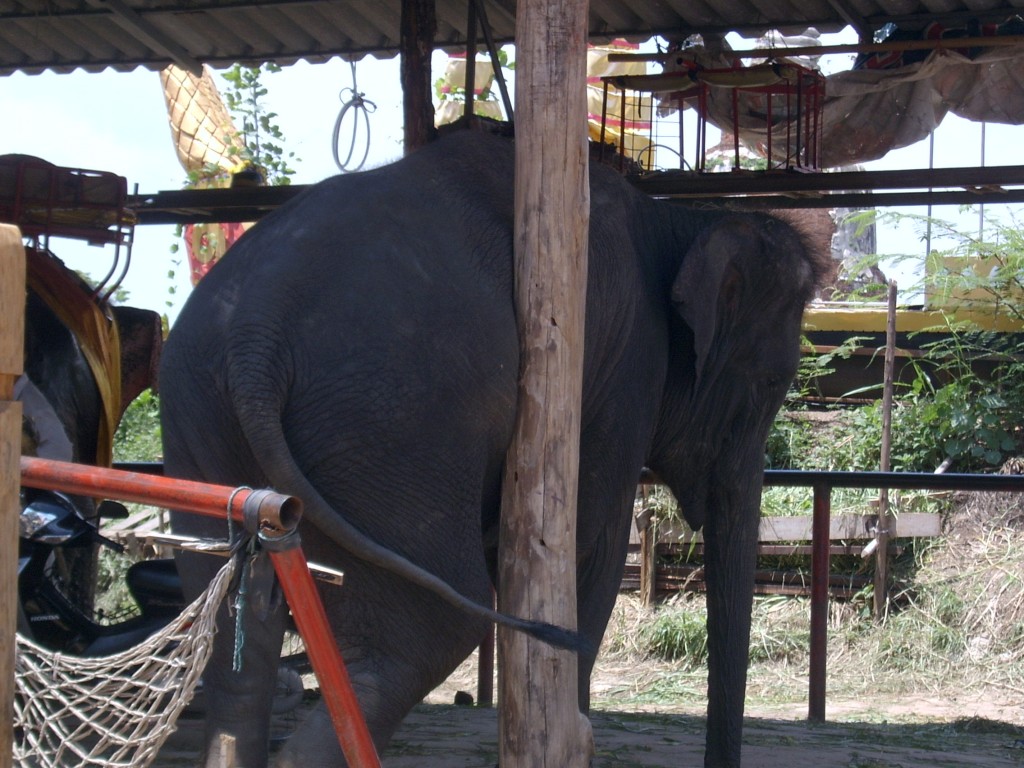
    The elephants I saw were suffering from a variety of physical conditions, including:

    • a severely deformed wrist consistent with injuries caused by logging accidents
    • abscessed cheek
    • edemas
    • stiff wrists
    • injured back legs
    • fresh wounds on the forehead
    • overheat
    • malnourishment

    All this I observed in the first five minutes of my visit. It was difficult to remain longer.

    On my way out I went to the stable area, located feet from the riding platform. There I found another 25 elephants chained by neck and feet, saddled and ready for work. One mahout showered his saddled/blanketed elephant. She was dosing, eyes closed, never acknowledging her mahout or the shower.  Another young female paced and pulled on her chain. When tourists barged in with armfuls of sugarcane the elephants grabbed for the food. Mahouts stood by observing the activity.

    Knowing that The Elephant Village had another facility where other elephant stayed until they were needed for rides, I found a taxi driver to take me to the kraal. This facility is not advertised and, in fact, several people denied that elephants live at the facility. I was warned that I would encounter the denial so I persevered. I was traveling with a friend and we finally found a driver who agreed to drive us there. Even then we were dropped off at a site down the road from our target destination. We could see the stables in the distance. When the driver saw us walking in the right direction he reappeared and drove us to the stables.

    A group of volunteers wearing mahout training t-shirts were gathered around two elephants in washing racks. They were scrubbing elephants, receiving instructions from a foreigner who appeared to be in charge of this mahout training experience, one of the many ways tourists can engage with elephants. Interestingly, I did not see a Thai mahout anywhere near the mahout-in-training foreigners.

    All around stood tethered elephants, tied to posts adjacent to or under shade stables. I wandered around a corner trying to avoid the piles of trash that were so uncharacteristic of Thailand. Every type of broken machinery and equipment was scattered and piled on the property, including a tanker truck stuck in a mud hole. A lone tusker stood in the sun tethered next to the tanker; head hanging, eyes half open. There was not a speck of food or even remains of any food around him. His long tusks dug into the soft mud. Except for a wasted effort to cool himself with a spray of water collected from a reserve stored down his throat, he stood motionless.

    The scene was one of poverty. Encircling a yard of muck stood the mahouts’ dilapidated dwellings, littered with empty beer bottles and trash. This was not the scene I had observed in other places in Thailand. I wondered who was responsible for this depressing environment.

    Even though I wished my final experience of Thailand could have been more pleasant, reality is a powerful motivator. I will be back.